
Brief
The Taurus RPC Is a Range Gun Before It’s a Defense Gun
A hands-on look at the Taurus RPC: 4.5-inch barrel, 3.9 pounds, 32+1 capacity, dual locking tips, chronograph data, and where its reliability still falls short.
Shop this at BLVista
The personal defense weapon category has spent the last decade priced like a specialty item. Roller-delayed 9mm platforms typically start well above $1,500 once you account for a brace, an optic mount, and a suppressor-ready muzzle. The Taurus RPC lands under $1,000 with a roller-delayed bolt, fully ambidextrous controls, and a folding brace, which puts it in a spot the segment has not had many options.
That price gets attention. What matters more for an informed buyer is whether the gun holds up across a few thousand rounds, what it demands in maintenance, and which role it actually fills once the novelty wears off.
The Specifications That Shape How It Shoots
- Cartridge: 9mm Luger
- Action: semi-automatic, roller-delayed blowback
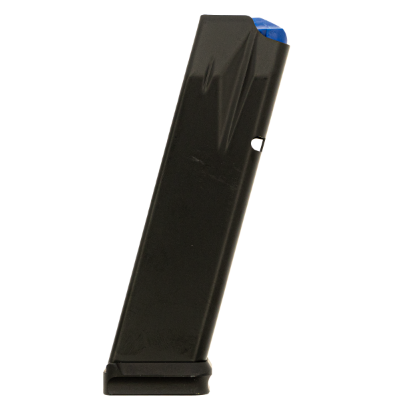
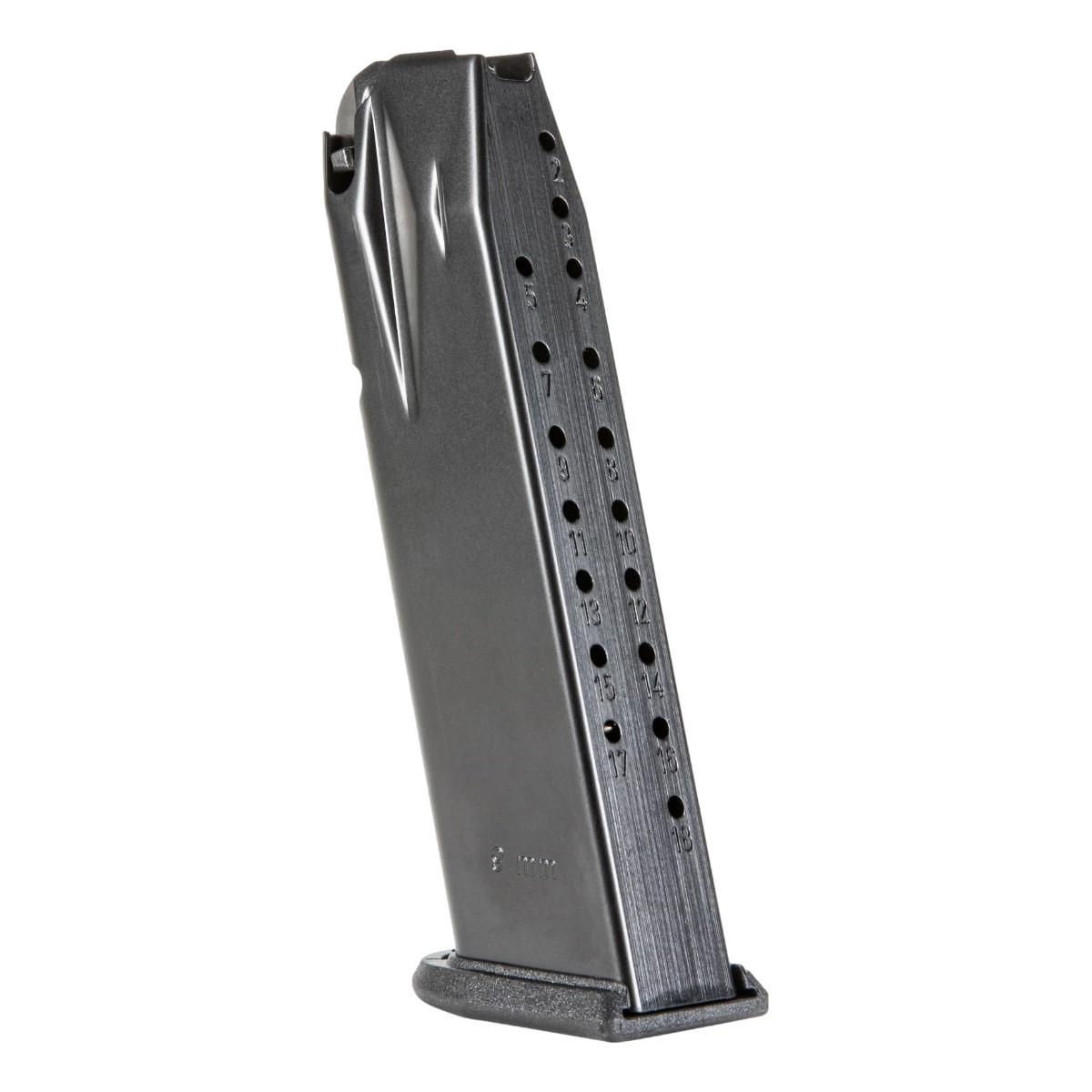
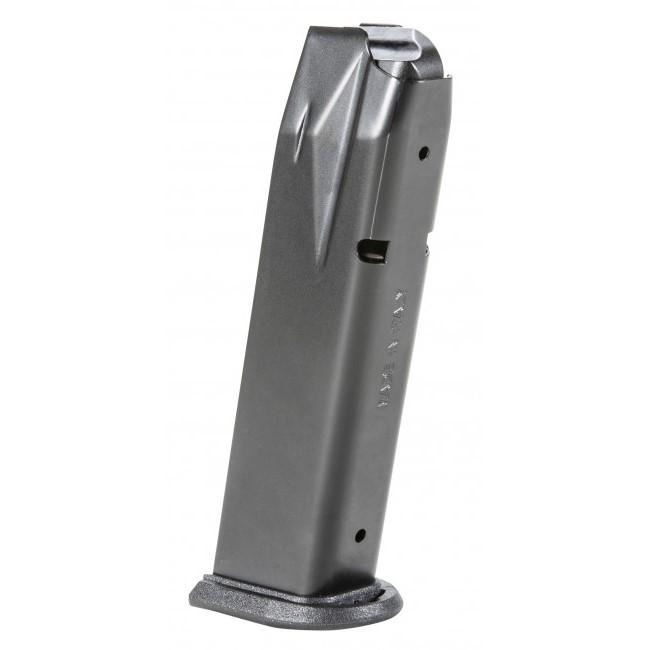
- Capacity: 32+1, proprietary magazines
- Barrel length: 4.5 inches
- Overall length: 12.2 inches folded configuration dependent
- Weight: 3.9 pounds unloaded
- Trigger: flat-faced, measured average of 5.5 pounds across five pulls
- Included: two magazines, 85-degree and 110-degree locking tips, cable lock
- Country of origin: Brazil
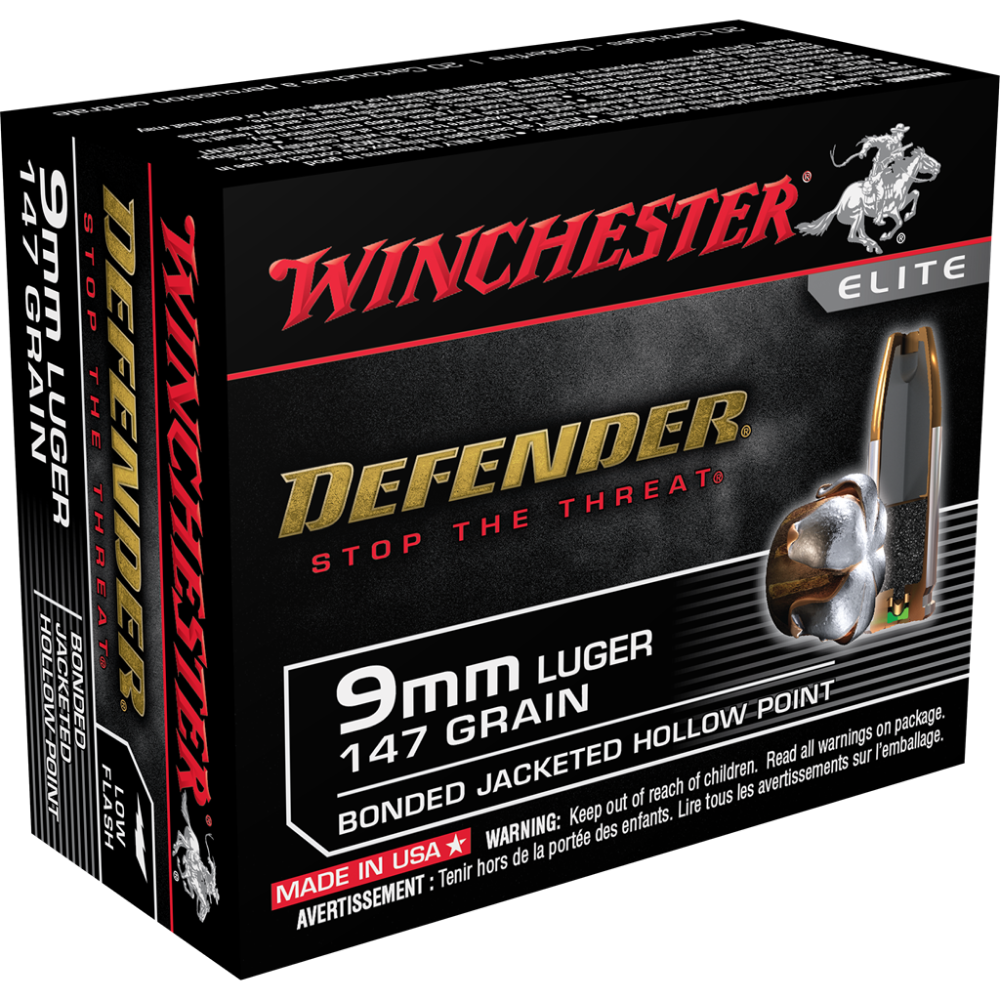
The two locking tips are the most interesting engineering detail. Roller-delayed systems balance bolt unlocking speed against chamber pressure, and pistol-caliber ammunition varies enormously in that regard. A 115-grain supersonic load and a 147-grain subsonic load do not produce the same pressure curve, so the RPC ships with two different locking geometries. The 110-degree tip is intended for supersonic ammunition, the 85-degree tip for subsonic. Swapping them is a range-side task once you have done it twice.
That design choice signals the gun was built with a can in mind from the start. If you are already running a 9mm suppressor or planning to buy one, review the tradeoffs in our suppressor buyer’s guide before committing to a host.
Velocity and Group Performance From a 4.5-Inch Barrel
A 4.5-inch barrel gives up velocity compared to the 16-inch carbines most shooters use as a mental reference. Chronograph data from testing tells the story clearly:
- 115-grain FMJ supersonic: 1,123 fps average, 17 fps standard deviation, 46 fps extreme spread
- 124-grain +P JHP: 1,199 fps average, 10 fps standard deviation, 27 fps extreme spread
- 147-grain subsonic FMJ: 970 fps average, 11 fps standard deviation, 32 fps extreme spread
- 147-grain subsonic JHP: 1,020 fps average, 17 fps standard deviation, 48 fps extreme spread
Note that last figure. A 147-grain load at 1,020 fps is not reliably subsonic in warm conditions, since the speed of sound climbs with temperature. If you are buying a PDW specifically to shoot suppressed and quiet, chronograph your chosen defensive subsonic load out of this barrel rather than trusting the box velocity, which is usually taken from a longer test barrel.
Accuracy tracked the standard deviation numbers. Five-shot groups at 25 yards from a rest held near 2 inches with the +P defensive load and both 147-grain loads. Cheap 115-grain training ammunition opened up unpredictably, sometimes placing three rounds tight and throwing two five or six inches out. Practical effect: C-zone hits at 25 yards stayed easy, but precision past that distance got frustrating with bulk ammo.
The Reliability Problem
This is where the value proposition gets complicated. Past roughly 300 rounds, failures to feed became persistent, starting at about one per magazine and escalating to one every three or four rounds. Carbon accumulation in the action appears to be the driver. Flat-nosed 147-grain loads induced the most stoppages, which is a common failure mode when feed ramp geometry and bullet profile do not agree.
The clearance in the action creates a secondary issue. A standard tap, rack, bang immediate action frequently produced a double feed instead of a fixed gun, which forces remedial action: lock the bolt back, strip the magazine, clear the loose round, reseat, release. That is a meaningful difference in training. If you carry this platform in a vehicle or a bag, you need to drill remedial clearance, not just the reflexive tap and rack.
Two mitigations helped. First, lubrication well beyond what most shooters use on an AR pattern gun. Keep the internals genuinely wet. Second, a firm shoulder and support-hand tension. Low felt recoil invites a lazy hold, and a lazy hold accelerates malfunctions in delayed blowback designs. Higher-pressure +P ammunition also ran noticeably better, which is consistent with friction overcoming the energy available from light target loads.
Ergonomics and Controls
The controls are the strongest part of the gun. Every interface is ambidextrous. The charging handle reverses by depressing one spring-loaded retaining pin inside the upper receiver and reinstalling on the opposite side, which takes under a minute. Running it on the support side keeps the body-side surface slick, a real advantage when the gun rides in a pack or against a plate carrier.
Oversized bolt catch and release paddles work with either hand, and the bolt locks back on an empty magazine. The magazine release buttons are small but positioned where an accidental bump is unlikely. The safety operates like an AR selector, though the right-side lever sits low enough to contact the knuckle of a firing hand with a high grip.
The folding brace locks positively in both folded and deployed positions and includes a QD point at the rear. Three QD sockets total make single-point or two-point sling setups straightforward. The trigger is functional rather than refined: firm with a slightly spongy wall, but with a positive audible reset.
Magazines, Compatibility, and Long Term Ownership
The RPC uses proprietary magazines. For anyone who already owns a stack of common pistol or subgun magazines, that is a real cost of ownership consideration. Budget for at least four to six spares at purchase, because aftermarket support does not exist yet and there is no guarantee it will. Magazine availability is the single most overlooked long-term risk on any new platform.
Maintenance planning matters here too. Treat this as a gun that needs cleaning on a fixed round-count schedule rather than when performance degrades. A reasonable interval based on observed behavior is a full action cleaning every 300 rounds, with fresh lubricant every range session. Hang on to the firing pin spring during disassembly; it is easy to lose.
A Simple Framework for Buying a Budget PDW
- Define the role first. Range toy, suppressor host, truck gun, or home defense primary. Those four use cases have different reliability thresholds.
- Set a malfunction standard. For a defensive role, demand 500 consecutive rounds of your chosen carry load with zero stoppages before the gun leaves the range.
- Price the ecosystem. Magazines, optic, mount or riser, light, sling, and a can if you plan one. A $899 gun regularly becomes a $1,600 system.
- Confirm the legal fit. Brace-equipped pistols and magazine capacity rules vary significantly by state and locality. Verify before ordering, and understand transport requirements in any state you travel through.
- Check the maintenance burden. Ask how often the platform needs cleaning to stay reliable, then decide whether that fits how you actually use guns.
Sensible Accessory Choices
A 3.9-pound host punishes heavy accessories. A compact red dot on a riser that lines up with a natural cheek weld on the brace works better than a bulky enclosed optic on this specific platform, though enclosed emitters earn their weight in rain, snow, and dust. Our red dot selection guide breaks down window size, footprint, and housing tradeoffs.
For lights, a compact scout-pattern body mounted at the 9 or 3 o’clock keeps clearance for a suppressor. A single-point sling on one of the three QD sockets preserves the gun’s agility around vehicles and doorways, which is the entire reason to own a 12-inch-class 9mm in the first place. You can browse compatible 9mm PDW accessories and pistol caliber carbine options to compare setups.
Who Should Actually Buy It
If you want the roller-delayed shooting experience, a suppressor host that was designed around subsonic ammunition, and a genuinely entertaining range gun for under $1,000, the RPC delivers on all three. The soft recoil impulse and 32-round magazines make it one of the more enjoyable guns to run drills with.
If you are buying a defensive firearm for a vehicle, a nightstand, or a bag, the feeding behavior observed in testing does not support that role yet. Reports of performance vary widely between individual guns, which is typical of early production runs and typically improves as a manufacturer works through it. The modular design leaves room for future barrels, handguards, and receivers, and the price floor it establishes is good for the whole category.
What to Decide Before You Buy
Answer one question honestly: does this gun need to work when it matters, or does it need to be fun? If the answer is fun, the RPC is a reasonable buy at $899 with money left for a suppressor and a case of ammunition. If the answer is defense, run your own 500-round verification with your exact carry load before trusting it, or put that money toward a platform with a longer reliability record and established magazine support.
FAQ
Testing produced sporadic but frequent failures to feed after roughly 300 rounds, most often with flat-nosed 147-grain subsonic ammunition. Heavy lubrication and a firm shoulder hold reduced the frequency, and 124-grain +P ran best. For a home defense role, verify 500 consecutive malfunction-free rounds with your chosen load before relying on it.
A personal defense weapon is a compact pistol-caliber firearm that fills the space between a handgun and a short rifle. The RPC is legally a pistol with a 4.5-inch barrel and a 12.2-inch overall length, which makes it easier to maneuver inside vehicles and buildings than a 5.56 pistol while producing far less blast and recoil.
No. It uses proprietary 32-round magazines with no aftermarket support at this time. Buy several spares at the time of purchase, since magazine availability is the largest long-term ownership risk on a new proprietary platform.
Roller-delayed actions are tuned to a pressure range. The 110-degree tip is specified for supersonic loads and the 85-degree tip for subsonic loads, allowing the bolt to unlock at the correct moment for each. Running the wrong tip increases the chance of cycling problems.
A compact red dot on an appropriate riser, a small weapon light that clears a suppressor, a sling using one of the three QD sockets, and enough magazines to run a full training block. On a 3.9-pound host, keep total accessory weight low to preserve the handling advantage you bought the gun for.
Brace-equipped pistol-caliber firearms are federally legal, but state and local rules on configuration, magazine capacity, and transport differ substantially. Confirm the requirements in your state and any state you travel through before purchase.
Was this useful?