
Brief
The 12-Hour Detail Loadout Built Around a Glock 19
A spec-driven breakdown of an all-day working loadout: Glock 19 weights and dimensions, optic footprints, belt and holster criteria, tourniquets, and...
Shop this at BLVista
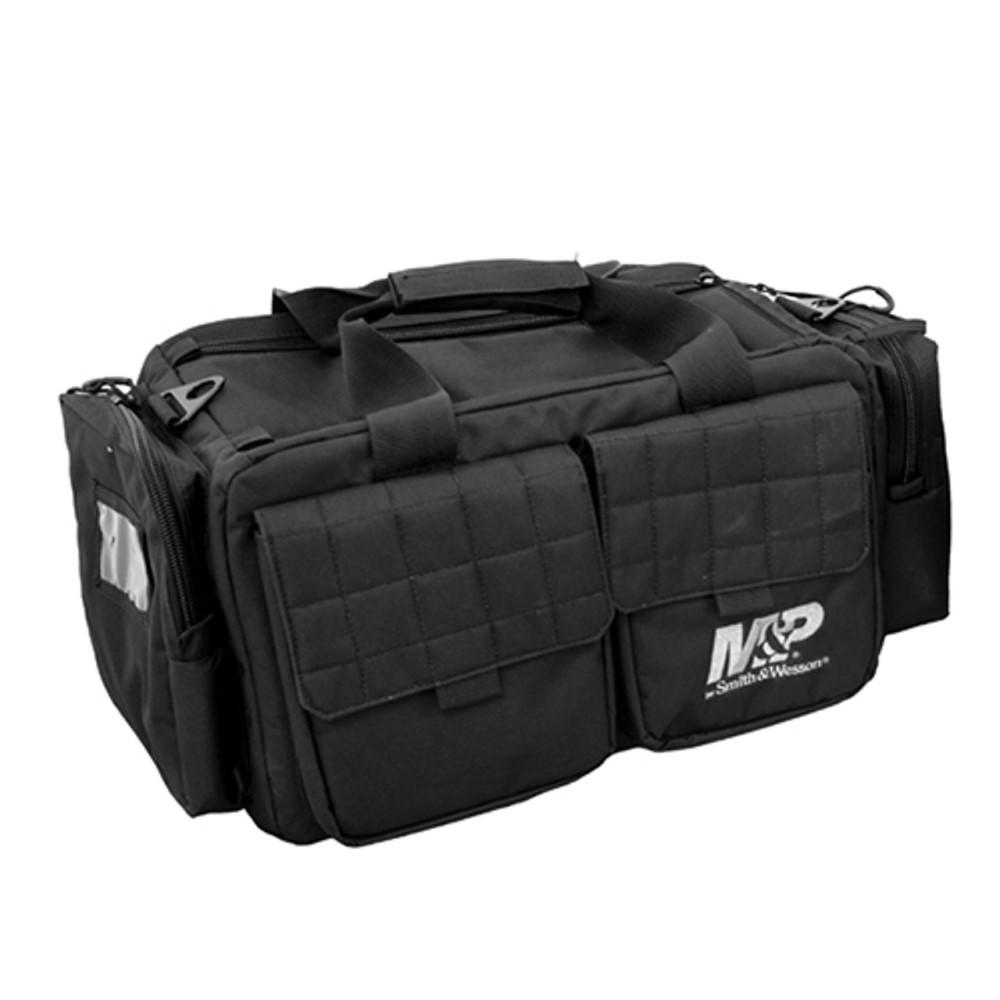
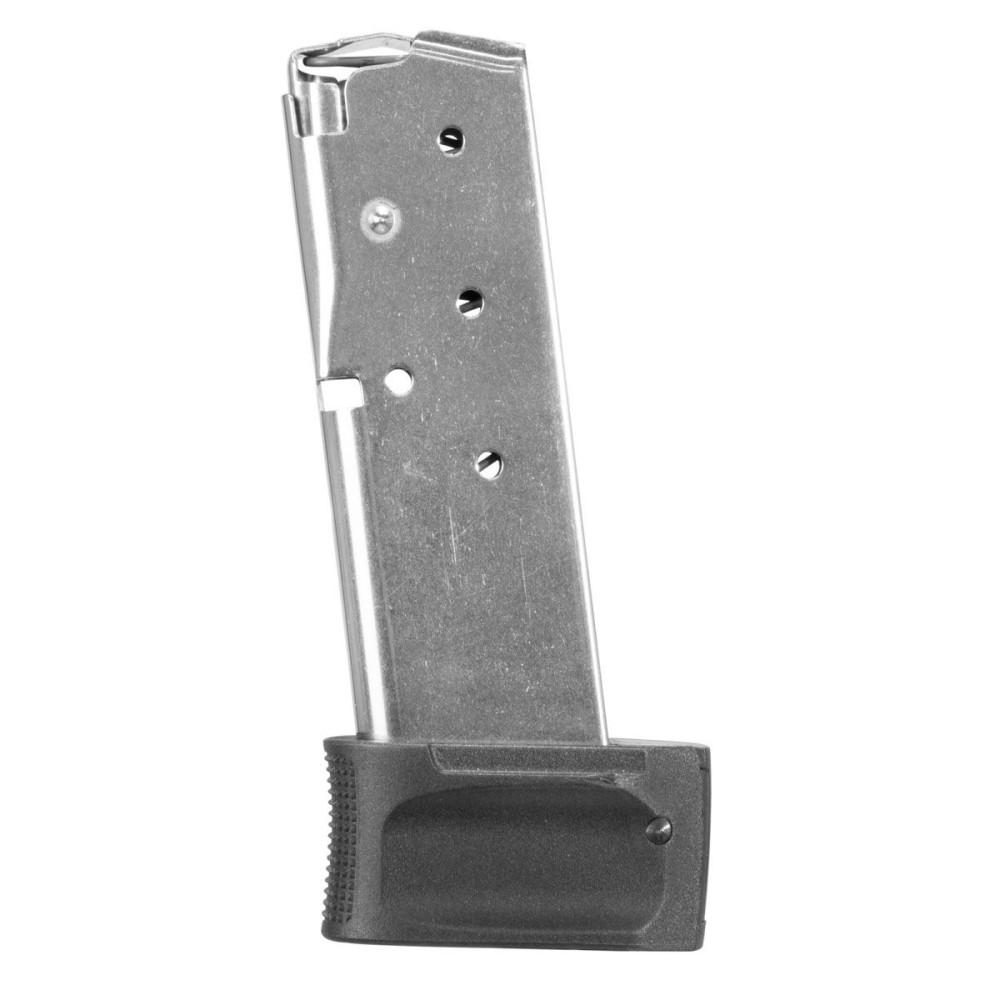
There is a persistent belief in the shooting world that capability is mostly physical. Long careers in protective work, military medicine, and federal law enforcement argue the opposite. The people who last are rarely the best conditioned. They are the ones who made durable decisions about what they carry, how it is set up, and how often they actually practice with it. Conditioning fades on a 14-hour day. A loadout that was built correctly does not.
This is a breakdown of how to assemble a working loadout that holds up across a full day on your feet, whether that day is a protective detail, a hunt, a multi-stage match, or a class where you fire 800 rounds in two days. The premise is simple. Gear should reduce the number of decisions you have to make when you are tired.
Start With the Pistol, Not the Accessories
The Glock 19 remains the reference point for a reason. The Gen5 runs a 4.02 inch barrel, 7.28 inches overall, 5.04 inches tall with a flush 15-round magazine, and 1.34 inches wide at the slide release. It weighs roughly 21.5 ounces without a magazine and about 23.6 ounces with an empty one. Loaded with 15 rounds of 124 grain 9mm, you are carrying close to 30 ounces on your belt before you add a holster.
That weight number matters more than most buyers admit. Thirty ounces is tolerable at hour two and noticeable at hour ten. The common alternatives illustrate the tradeoff clearly:
- Compact duty size (Glock 19 class, 4 inch barrel, 15+1): best balance of shootability and capacity, roughly 30 oz loaded.
- Micro compact (3.1 to 3.7 inch barrel, 10 to 15+1): often 17 to 22 oz loaded, easier to wear all day, harder to shoot fast at 25 yards.
- Full size (4.5 to 5 inch barrel, 17 to 21+1): more velocity, longer sight radius, roughly 36 to 40 oz loaded and difficult to conceal under a light shirt.
Velocity scales with barrel length. A 124 grain +P defensive load typically runs near 1,200 fps from a 4 inch barrel and loses roughly 30 to 60 fps per inch you cut. A 147 grain subsonic load sits around 990 fps and stays below the transonic threshold, which is why it pairs with a suppressor. If you are shopping across sizes, compare compact 9mm pistols by loaded weight and by how many rounds you can actually put in a 6 inch circle at 15 yards on a timer, not by spec sheet capacity alone.
Optic Footprint Decides Your Next Five Years
Mounting an optic is a compatibility commitment, not a single purchase. Three footprints dominate carry guns:
- RMR pattern: widest optic selection, larger window, adds roughly 1.0 to 1.2 oz plus the plate.
- RMSc pattern: the standard for slim slides, typically under 1 oz, smaller window, fits single-stack and micro compacts.
- ACRO pattern: fully enclosed emitter, heaviest of the three at roughly 2 oz, best choice for rain, snow, and dusty environments where an open emitter collects debris.
Dot size drives use case. A 2 MOA dot favors precision past 25 yards. A 6 MOA dot is faster to find under stress and at close range. A 3.25 MOA dot splits the difference and is the safest default for mixed use. If you are still deciding, our carry red dot buyer’s guide walks through window dimensions, mounting hardware, and zero retention.
One maintenance note that costs people their zero: mounting screws on a pistol optic should be torqued to the manufacturer’s spec, commonly 12 to 15 inch-pounds, with a thread locker, then checked every few hundred rounds. A red dot that walks loose at round 900 of a two-day class is almost always a torque problem.
The Belt Is Load-Bearing Equipment
A 1.5 inch reinforced gun belt running 0.20 to 0.25 inches thick distributes weight across the hips instead of letting it sag on one point. A soft dress belt lets a 30 ounce pistol rock forward every time you sit in a truck. Over a 12 hour day that translates to holster shift, a changed draw stroke, and printing you did not plan for.
Holster criteria worth checking before you buy:
- Kydex thickness around 0.08 inches for rigidity without bulk
- Adjustable retention and cant
- Clips rated for 1.5 inch belts specifically
- Cut relief for your optic and for a suppressor-height front sight
- Muzzle-end clearance if you run a threaded barrel with a 1/2×28 pitch
Browse IWB kydex holsters by belt width and optic cut rather than by pistol model alone, since the same shell often fits multiple generations.
Medical Gear Is Not Optional Weight
Anyone who has worked in austere medicine will tell you that the most likely emergency you face is trauma or a vehicle wreck, not a gunfight. A CAT-style windlass tourniquet weighs about 2.7 ounces with a 1.5 inch wide strap and, with practice, goes on one-handed in under 30 seconds. That is the single highest return item you can add to a belt or pack.
A minimum flat kit for range days, hunts, and travel:
- One committee-approved windlass tourniquet, carried where you can reach it with either hand
- Two vented chest seals
- 4 inch compressed gauze, hemostatic if you are trained
- A 6 inch emergency trauma bandage
- Nitrile gloves and trauma shears
Rotate this kit. Adhesives on chest seals degrade with heat cycling, and a tourniquet that has lived in a truck console through two summers at 140 degrees Fahrenheit should be moved to training-only duty and replaced.
Sustainment: Water, Calories, Feet
In heat, working adults commonly need 0.5 to 1 liter of water per hour. A 2 liter reservoir or two 32 oz bottles covers a typical range day. Skipping food on a long detail is a common self-inflicted wound. Two 250 calorie bars weigh a few ounces and prevent the hour-nine performance drop that people blame on fitness. Boots matter as much as the pistol. Broken-in footwear with a replaceable insole beats new boots on any day longer than four hours.
Suppressors and the Long Ownership Timeline
If you shoot high volume, hearing protection is a lifetime asset. Most 9mm host barrels use a 1/2×28 thread pitch, and 5.56 rifles use the same pitch while .30 caliber hosts commonly use 5/8×24. Suppressed 9mm with 147 grain subsonic ammunition typically drops the report to the low 130 dB range at the shooter’s ear, which changes what a two-day class does to your hearing. Ownership is a multi-month process involving a federal transfer, so plan the purchase well before the class you want to attend. Our suppressor buyer’s guide covers thread pitch, mount systems, and cleaning intervals for rimfire versus centerfire cans.
A Simple Selection Checklist
- Weight audit: add up loaded pistol, spare magazine, medical, light, and phone. If it exceeds about 4 pounds on the belt, something needs to move to a bag.
- Repeatability: can you place every item in the same position every day without thinking?
- One-handed access: pistol, spare magazine, tourniquet, and light should each be reachable with your support hand.
- Environmental tolerance: will the optic, holster, and lubricant survive rain, salt, and 20 degree mornings?
- Replacement path: are magazines, screws, clips, and batteries easy to source in five years?
Measure progress with a timer instead of a feeling. A reasonable working standard is a concealed draw to one hit on an 8 inch circle at 7 yards in about 1.5 seconds, and four hits in under 3 seconds from the same start. Two hundred rounds per month, split between draws, reloads, and precision at 25 yards, will move those numbers more than any accessory purchase.
What To Fix First
If your current setup is inconsistent, change the belt before you change the pistol, add a tourniquet before you add a light, and schedule training before you buy an optic. Build the shaft of the spear, not just the point. For a structured walk through carry position, cover garments, and daily wear testing, start with our concealed carry readiness guide, then match hardware to the standard you are actually holding yourself to.
FAQ
Most people wear a loaded handgun comfortably up to about 30 ounces on a proper 1.5 inch gun belt. A Glock 19 sized pistol loaded with 15 rounds of 9mm lands right at that line. Micro compacts at 17 to 22 ounces loaded are easier to wear but harder to shoot quickly past 15 yards.
Choose RMSc for slim slides, RMR for the widest optic selection and largest window, and ACRO for enclosed-emitter durability in rain, snow, and dust. Confirm your slide cut before buying, since adapter plates add height and another failure point.
Replace any tourniquet that has been used on a live application, shows strap fraying, has a cracked windlass, or has spent multiple summers in a hot vehicle. Retire used training tourniquets to practice only and keep a sealed, unused one in your kit.
Yes. Most 9mm pistols use a 1/2x28 thread pitch on aftermarket threaded barrels, and you will typically want suppressor-height sights or a red dot to see over the can. Confirm the pitch for your specific model before ordering a mount.
Two hundred rounds per month, or roughly 2,400 rounds a year, supports meaningful skill maintenance when combined with dry practice. A two-day class alone often consumes 800 to 1,200 rounds, so budget course ammunition separately.
Hearing and eye protection, a trauma kit with a tourniquet, a shot timer, targets and a staple gun, a multi-tool, spare optic screws with thread locker, and at least one liter of water per two hours on the range.
Was this useful?