
Brief
Rifle Sling Fit for ARs, AKs, and Hunting Rifles
How to choose a rifle sling by firearm type, webbing width, padding, hardware, carry method, maintenance, and real range or field use.
Shop this at BLVista
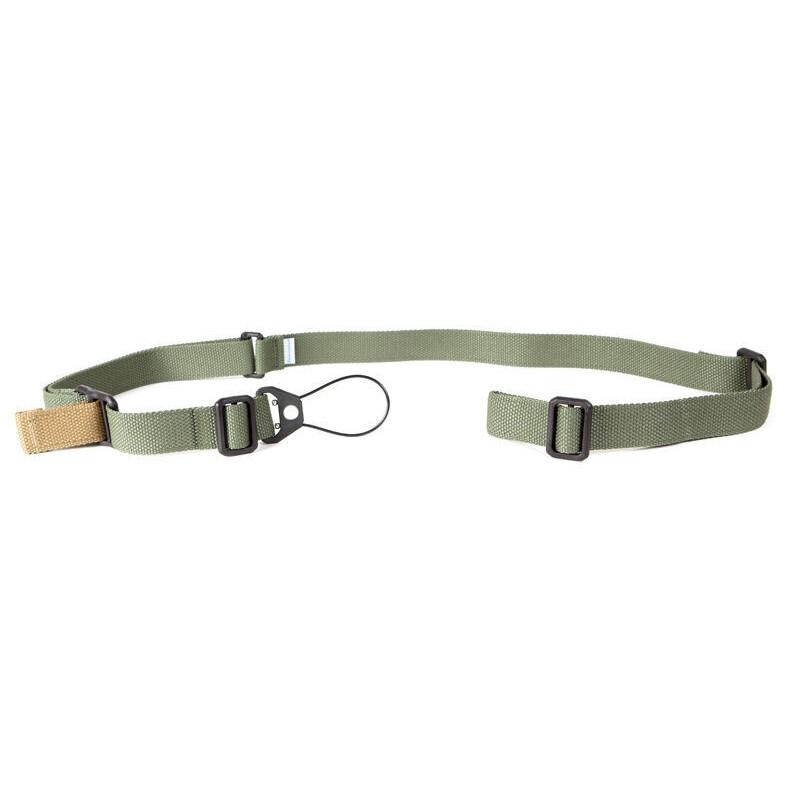
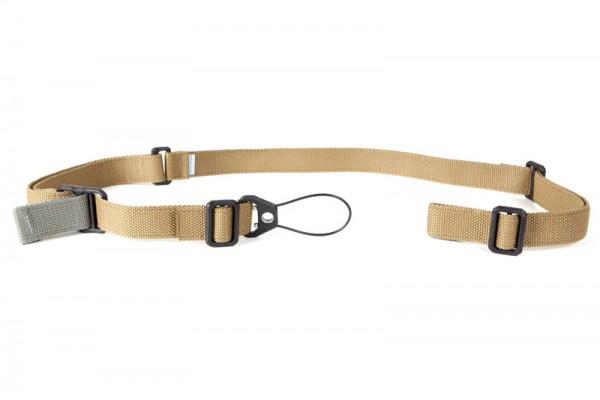
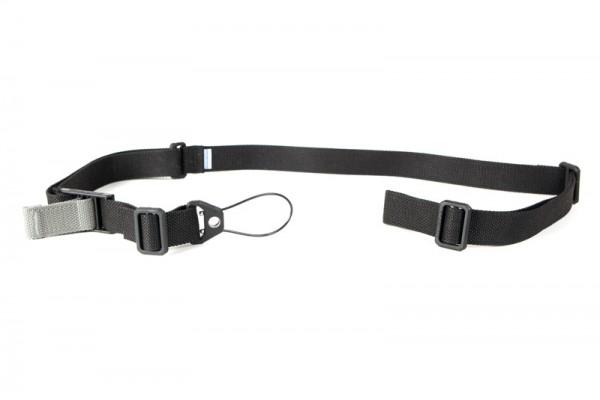
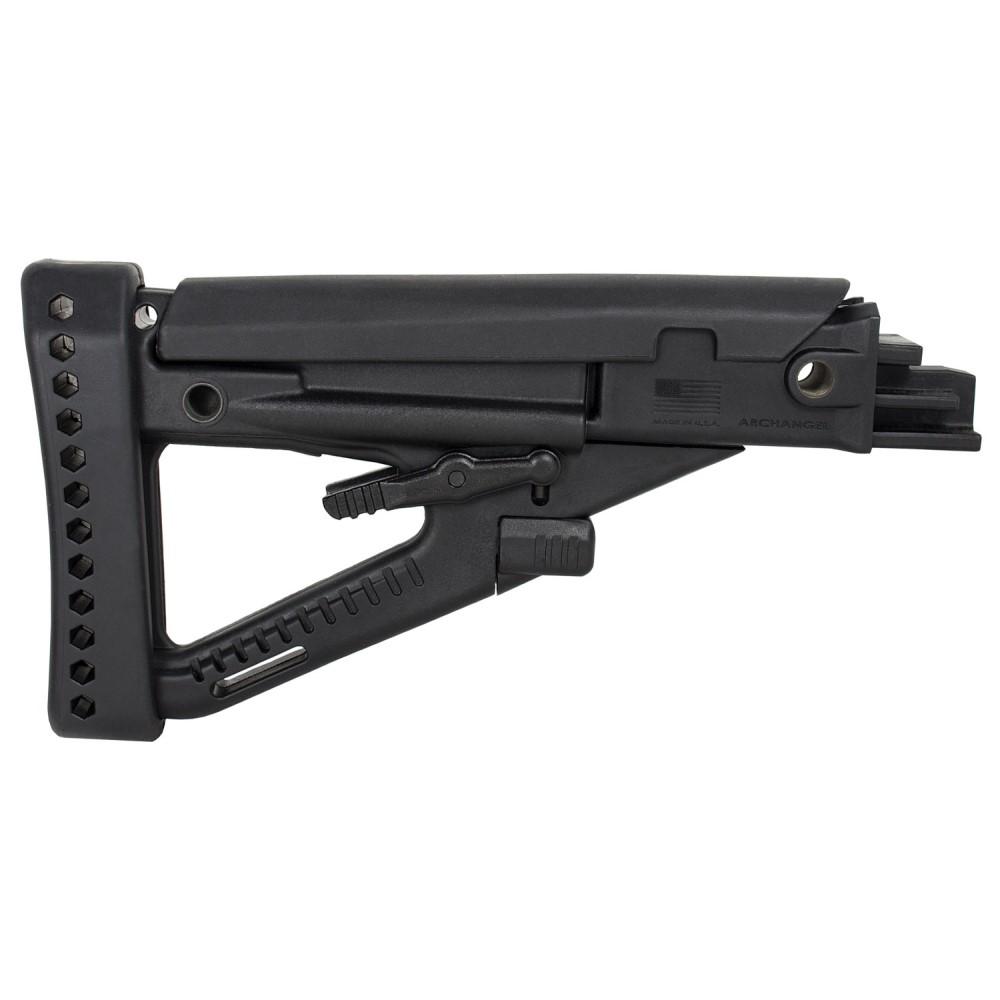
A rifle sling is one of the few firearm accessories that affects retention, movement, transport, and fatigue every time the rifle leaves the bench. A 16 inch 5.56 NATO AR-15 with an optic, white light, loaded 30-round magazine, and sling often lands around 8 to 10 pounds. A .308 Winchester or 6.5 Creedmoor hunting rifle with a 22 to 24 inch barrel, scope, and loaded internal magazine can feel heavier over a long walk because the weight rides farther from the body. The sling decides how manageable that weight becomes.
The right sling depends on the rifle, the environment, and how often the shooter changes positions. A carbine used for training needs fast adjustment and secure body control. A deer rifle needs shoulder comfort and quiet carry. A shotgun used around a property benefits from simple hardware that works with gloves and wet hands. Buyers who treat all slings as interchangeable usually end up with loose webbing, poor fit, or a rifle that swings at the worst time.
BLVista looks at slings as working equipment. Start with the job, then match the attachment style, webbing width, padding, hardware, and maintenance burden to that job. If you are building or refreshing a rifle, compare current rifle slings alongside the mounts and stock hardware you already own.
Two-Point Slings Fit Most Rifle Problems
A two-point sling attaches near the front and rear of the firearm. For most AR-15s, AKs, hunting rifles, and defensive shotguns, this is the most useful setup. It lets the shooter tighten the rifle against the body, loosen it for shooting, and go hands-free while checking targets, climbing into a stand, opening a gate, or handling other gear.
Two-point sling webbing commonly runs 1 inch wide on carbine designs. Wider sections appear where comfort matters. Some padded designs use 1.5 inch material over the shoulder. Hunting slings may widen from 1.25 inches to about 2.5 inches to spread weight across a coat or field shirt. Narrow leather slings around 0.875 inch carry lightly and look correct on traditional rifles, although they concentrate pressure during longer walks.
A good two-point carbine sling should pass three tests. First, it should tighten enough to hold the rifle close while moving. Second, it should loosen with one support-hand motion so the shooter can mount the rifle without fighting the sling. Third, it should keep excess webbing controlled after adjustment. Extra tail length can catch on magazines, bolt handles, pack straps, barricades, and vehicle seats.
Single-Point Slings Trade Control for Mobility
A single-point sling attaches at one location near the rear of the receiver, stock, or end plate. It gives a carbine or PDW excellent movement around barricades and allows fast shoulder transitions. It also leaves the firearm hanging from one point when the shooter lets go.
That matters in real use. A single-point sling can allow the muzzle and stock to swing into the knees, belt line, vehicle door, or gear on the front of a plate carrier. It makes sense for short-duration training, close-quarters drills, and testing multiple firearms on a range. It is a weaker choice for hiking, hunting, property work, or any situation where both hands may be needed for more than a few seconds.
Convertible slings solve part of this problem by switching between single-point and two-point layouts. Many use QD hardware and 1.25 inch webbing. The added hardware increases bulk near the stock, so check how it fits against your shoulder pocket, charging handle access, and optic eye relief.
Webbing, Padding, and Material Choices
Nylon webbing dominates modern rifle slings because it resists moisture, dries quickly, and survives hard range use. One inch nylon is common on AR-15 and AK slings because it balances strength and low bulk. Wider 1.5 inch webbing spreads weight better on a heavy rifle or shotgun. Some padded slings use neoprene, foam, or layered fabric to reduce pressure over long sessions.
Padding helps when the rifle rides over a shirt for hours. It matters less over body armor, chest rigs, heavy winter clothing, or a pack strap. Padding can also add drag when the sling slides across the back during shoulder transitions. For a lightweight 16 inch 5.56 carbine, a simple 1 inch sling may feel faster. For a 12 gauge shotgun or a scoped .308 field rifle, wider contact area becomes valuable.
Leather still has a place on hunting rifles, shotguns, and traditional builds. It carries quietly, ages well, and looks right on walnut stocks. Leather also needs care. Wipe it dry after rain or snow, keep it away from prolonged heat, and condition it when it starts to feel dry or stiff. Nylon can usually be rinsed, air dried, and put back into service.
Hardware Decides Compatibility
A sling is only as good as the mount holding it to the rifle. Modern carbines commonly use push-button QD swivels. Many stocks and handguards include QD sockets. Others need an M-LOK adapter, a KeyMod adapter, or a fixed loop. QD hardware is fast, clean, and easy to move between rifles. The rotation limit depends on the cup, so confirm whether the socket spins freely or stops rotation before you cut and secure webbing.
Traditional sling swivels remain common on bolt-action hunting rifles and field shotguns. Many factory stocks include front and rear studs for 1 inch or 1.25 inch swivels. Some forends have two studs: one for the sling and one for a bipod. That layout helps a hunter keep a sling installed while using a supported prone position.
Hook hardware works with many loops and eyelets. Steel-on-steel contact generally wears better than steel hooks grinding into soft aluminum loops. Flexible cable-style loops are useful on older rifles, AK handguards, fixed stocks, and other firearms with limited mount locations. Before buying, inspect the firearm and decide whether you need QD swivels, traditional swivels, hooks, or adapters. BLVista shoppers can compare compatible sling mounts before ordering a sling that arrives without hardware.
Set the Sling Up Before Class or Season
Many sling problems come from skipping setup. A one-size sling ships long so it can fit different body sizes, armor, winter clothing, and rifles. Once mounted, adjust it with the clothes or gear you actually use. A sling fitted over a T-shirt may feel short over a plate carrier. A hunting sling fitted in September may need more length over insulated layers in November.
Use this fit check:
- Mount the unloaded rifle with the sling in place and confirm the stock reaches the shoulder without binding.
- Tighten the sling fully and confirm the muzzle points safely while the rifle stays close to the body.
- Move from standing to kneeling and prone to see whether the sling blocks the magazine, bolt handle, safety, or support hand.
- Practice switching shoulders if the rifle is used for defensive or barricade training.
- Store the rifle in its case with the sling attached and confirm it comes out without snagging.
After final fitting, manage the excess. Folding and taping the tail keeps future adjustment available. Cutting the webbing and melting the end creates a cleaner setup. Cut only after several range sessions, since armor, clothing, and different rifles can change the ideal length.
Vehicle, Range, and Field Use Create Different Priorities
A rifle carried in and out of a vehicle needs sling control. Loose webbing can hook on seat rails, pack straps, door latches, or magazine pouches. Some vehicle-focused slings stow tightly along the rifle and deploy with a pull tab. That system requires practice because there are more straps and fasteners to identify by feel.
A range and training rifle needs repeatable adjustment. Look for a rigid or semi-rigid pull tab that can be found without looking down. If the sling has two adjustment points, train with both until the movement is automatic. Your range bag, magazines, medical gear, and sling setup should work as one system. BLVista covers that broader setup in its range and match loadouts guide.
A hunting rifle needs quiet hardware, shoulder comfort, and simple operation with gloves. A sling that squeaks, clanks, or slides off a jacket becomes annoying quickly. A grippy underside can keep the rifle vertical behind the shoulder blade during a long walk. A stiff sling may carry well and still resist wrapping around the support arm for a steadier shot.
Storage and transport rules vary by state and destination, so confirm local requirements before transporting a cased rifle with accessories attached.
Price Bands and Ownership Value
Quality rifle slings commonly sit between about $17 and $88, based on current examples in the category. Entry-level single-point and plain leather slings occupy the lower end. Padded nylon, convertible, and specialized hunting slings sit higher. Hardware may be included or sold separately, and that changes the real cost.
Budget for mounts as part of the purchase. A sling that costs less and requires two QD swivels may land near the price of a more complete package. The best value is the sling that fits your rifle, stays quiet, adjusts predictably, and survives years of use without fraying, slipping, or loosening at the mounts.
Choose the Sling Around the Rifle and the Day
For a 16 inch AR-15 or similar carbine, start with a two-point nylon sling, 1 inch webbing, fast support-hand adjustment, and QD or fixed-loop hardware that matches the stock and handguard. For an AK, confirm front attachment clearance around the handguard, gas block, and sling loop before buying. For a bolt-action hunting rifle or field shotgun, prioritize 1.25 inch swivels, quiet carry, leather or padded material, and enough length for cold-weather clothing.
A sling should make the rifle easier to live with. If it slows the mount, bangs into gear, shifts under movement, or needs constant attention, the setup needs work. Fit it, train with it, maintain it, and confirm it under the same conditions where the rifle will be used.
FAQ
A two-point sling is the best starting point for most AR-15 owners. It gives strong retention, allows hands-free movement, and tightens against the body for range, training, home defense staging, or field carry. Pair it with QD swivels if your stock and handguard have QD sockets.
A single-point sling works well for short carbines, PDWs, and close-range drills that require fast shoulder transitions. It gives less control when both hands leave the firearm. For walking, hunting, or extended training, a two-point sling is usually easier to manage.
One inch nylon works well on most AR-15 and AK carbines. A 1.25 inch or 1.5 inch sling spreads weight better on heavier rifles and shotguns. Hunting slings that widen toward 2 inches or more can reduce shoulder fatigue during long carries.
QD mounts are a strong choice for modern rifles with compatible sockets. They make removal and repositioning fast. Traditional hunting rifles and many shotguns often use sling swivel studs instead, usually in 1 inch or 1.25 inch widths.
Nylon slings need basic cleaning, drying, and inspection for fraying or slipping hardware. Leather slings need more care. Dry them after wet weather, avoid prolonged heat, and condition the leather when it starts to stiffen or dry out.
Was this useful?