
Brief
Glock 19, P365, and Shield Plus Carry Choices
Compare compact 9mm concealed carry pistols, holsters, optics, ammo, maintenance, and training standards for safer daily carry decisions.
Shop this at BLVista
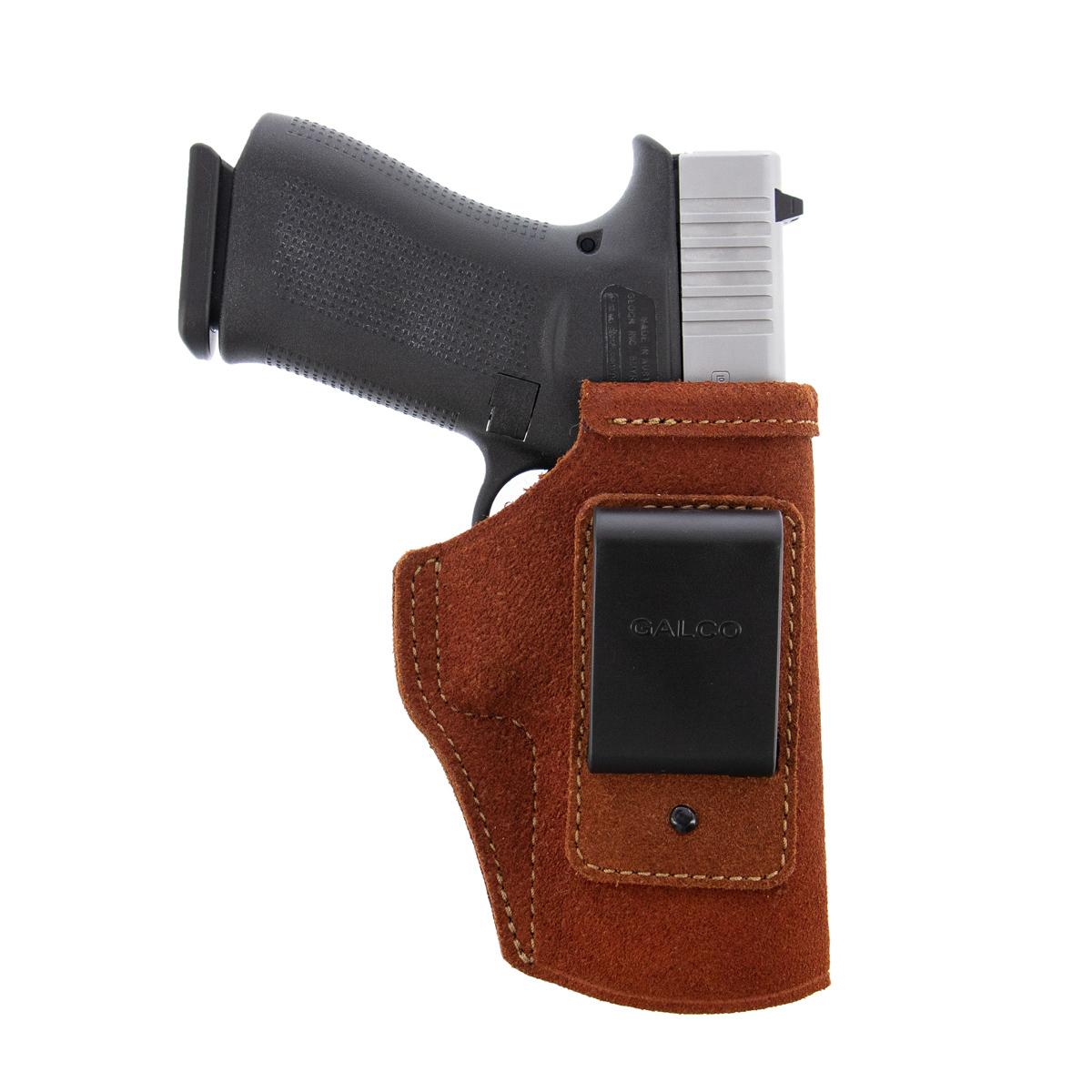
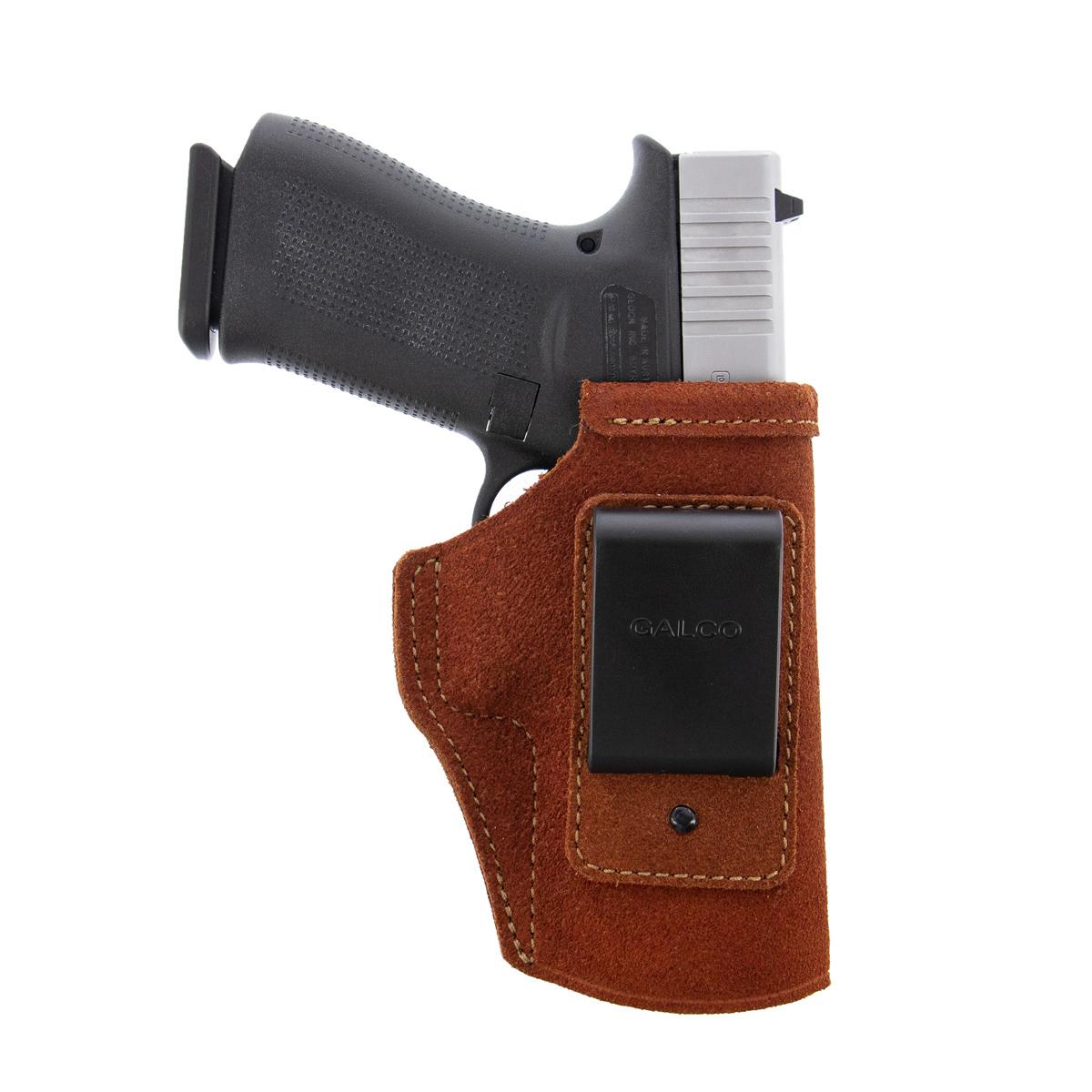
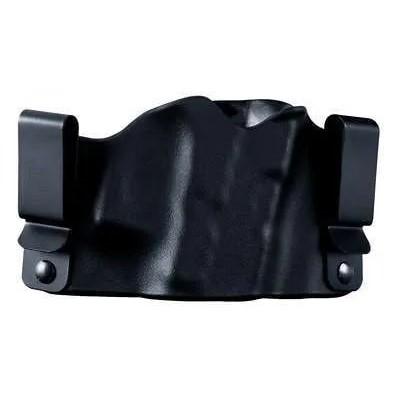
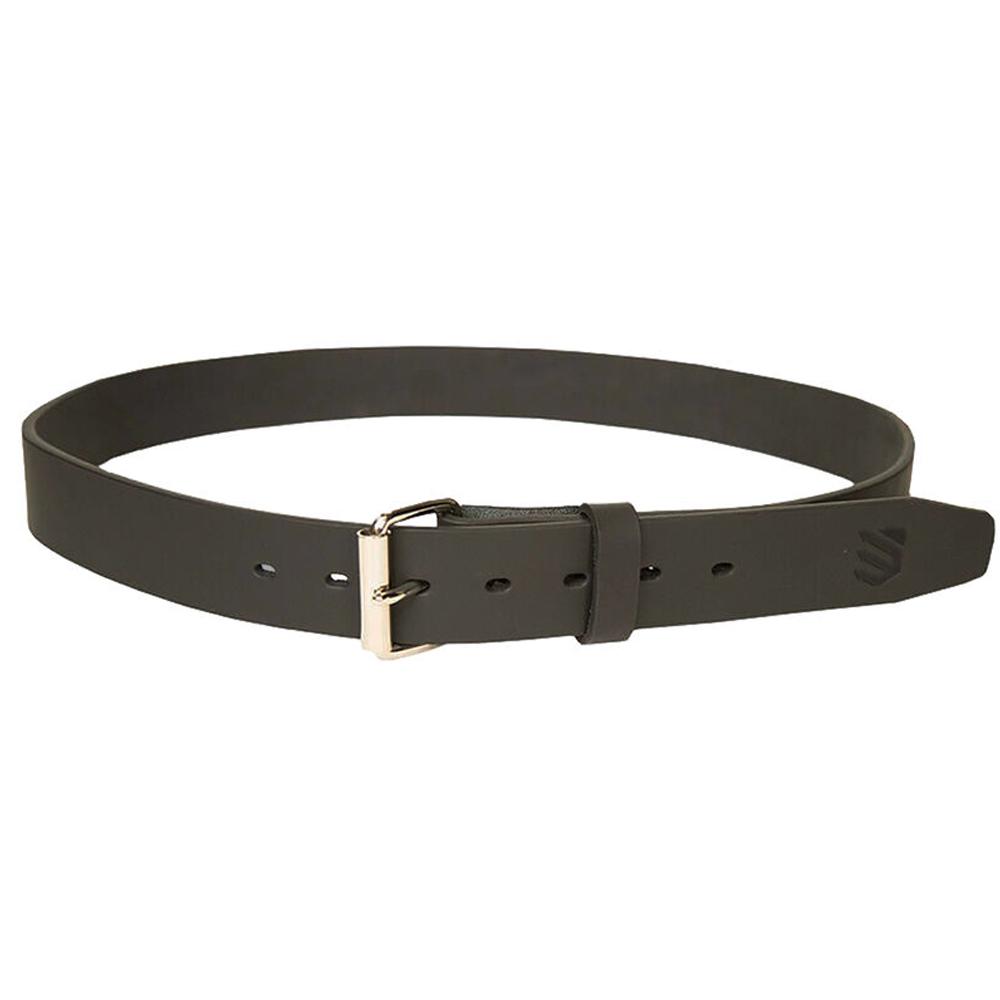
Public arguments about concealed carry often lean on large fatality totals, including figures such as 3,365 deaths, but the gear decision for a responsible permit holder starts with measurable control, safe carry, and repeatable training.
A carry pistol is a system. The handgun, holster, belt, ammunition, sights, spare magazine, storage plan, and training schedule all affect whether the owner can carry safely and use the firearm lawfully under stress. A compact 9mm that looks ideal on paper can become a poor choice if the grip prints under daily clothing, the holster collapses during reholstering, or the owner cannot pass a basic accuracy standard on demand.
For most concealed carriers, the decision narrows to three size classes. The Glock 19 Gen5 is a compact 9mm with a 4.02 inch barrel, 15 round standard magazine capacity, and an unloaded weight of about 23.63 ounces. The SIG Sauer P365 is a micro compact 9mm with a 3.1 inch barrel, 10 round flush fit magazine capacity in its original configuration, and an unloaded weight of about 17.8 ounces. The Smith and Wesson Shield Plus uses a 3.1 inch barrel, 10 round flush fit and 13 round extended magazine options, and weighs about 20.2 ounces unloaded. Those figures matter because they show the tradeoff clearly. More grip and more weight usually help control recoil. Less height and less weight usually help concealment.
Start With Shootability, Then Solve Concealment
Many buyers start by choosing the smallest pistol they can hide. That approach often creates range problems. A short grip gives the hand less contact area. A shorter sight radius punishes visual errors with iron sights. A lighter slide and frame can feel sharper with defensive 9mm loads, especially during one handed shooting or fast strings.
A better test is simple. At 7 yards, draw from concealment if the range allows it and fire 5 controlled rounds into an 8 inch circle. Then repeat at 10 yards. A carry pistol that cannot keep those hits under time pressure needs more training, a different grip module, a different holster position, or a different pistol size. The goal is consistency with the exact gun, holster, belt, and ammunition you intend to carry.
For buyers comparing common carry pistols, use these benchmarks:
- Micro compact 9mm: easiest to conceal, often 10 to 12 round flush capacity, more grip sensitivity.
- Slimline compact 9mm: better purchase than the smallest guns, commonly 10 to 15 round capacity depending on model and magazine.
- Double stack compact 9mm: greater control and capacity, commonly 15 rounds, harder to hide in light clothing.
- Subcompact revolver: simple manual operation, often 5 rounds, heavier trigger, slower reloads for most shooters.
If you are still sorting out size class and carry method, BLVista keeps a focused concealed carry readiness guide that helps connect equipment choices to safe daily habits.
Barrel Length, Ammunition, and Real 9mm Performance
Barrel length affects velocity. A 9mm load rated from a longer test barrel may lose speed in a 3.1 inch micro compact. Many 124 grain jacketed hollow point loads are commonly published around the mid 1,100 feet per second range from service length barrels, while shorter barrels can produce lower velocity depending on powder and bullet design. That matters because hollow point expansion depends on impact velocity.
For defensive carry, choose ammunition that feeds reliably in your pistol and is designed for the barrel length you carry. A responsible validation standard is at least 50 rounds of your selected defensive load through the pistol with the carry magazine, after basic break in with full metal jacket range ammunition. More is better when budget allows, especially with new magazines. Track failures by magazine number, ammunition type, and round count. A single pattern tells you more than a vague memory from the last range trip.
Common bullet weights in 9mm defensive ammunition include 115 grain, 124 grain, and 147 grain. Lighter bullets often produce higher listed velocity. Heavier bullets often produce a different recoil impulse and may perform well from compact barrels when the projectile design supports it. The right answer is the load that cycles, groups acceptably, and maintains point of impact close to your sights at defensive distances.
The Holster Matters As Much As The Pistol
A safe concealed carry holster must cover the trigger guard, retain the firearm during normal movement, resist collapse when the gun is removed, and attach securely to the belt or garment. Kydex and other rigid polymers remain popular because they hold shape, manage moisture, and allow consistent indexing. Leather can be comfortable and durable, but it needs inspection for softening, curling, and debris inside the mouth of the holster.
Inside the waistband carry, often called IWB, works for many users because it places much of the gun below the belt line. Appendix inside the waistband carry can conceal a Glock 19 sized pistol well on some body types, but it demands strict muzzle discipline during holstering. Strong side IWB may feel more natural for users who spend long hours seated or bending outdoors. Pocket carry works only with a dedicated pocket holster that keeps the pistol upright and shields the trigger. Loose pocket carry with keys, coins, or a folding knife creates an avoidable hazard.
Use this holster checklist before committing to daily use:
- Trigger guard fully covered on both sides.
- Retention holds the pistol during a light shake test.
- Belt clip or loops match your belt width.
- Ride height permits a full firing grip before the draw.
- Cant angle allows a clean draw under your normal cover garment.
- Reholstering can be done slowly without fabric entering the trigger guard.
BLVista shoppers can compare concealed carry holster options by pistol size, carry position, and retention needs.
Optics, Sights, and Batteries
Carry red dots have become common on compact pistols because they help many shooters track the sight through recoil and confirm alignment at distance. The tradeoff is maintenance. A red dot adds a lens to clean, a battery to replace, screws to torque correctly, and a mounting footprint to verify.
Common micro optic footprints include Shield RMSc pattern, Holosun K pattern, and modified compact footprints used by different pistol makers. Compatibility can depend on slide cut depth, recoil lug shape, screw length, and adapter plates. Before buying, confirm the exact pistol model, optic cut, screw pattern, and whether the iron sights provide a usable backup sight picture.
For carry use, set a recurring battery schedule. Many owners replace the battery every 6 to 12 months regardless of remaining life. Also inspect mounting screws after the first range session and during cleaning. A loose optic can shift point of impact and create uncertainty when the gun is needed most. For a deeper comparison of footprints and carry considerations, see the BLVista carry red dots guide.
Belts, Clothing, and Daily Comfort
A loaded Glock 19 with 15 plus 1 rounds weighs noticeably more than its unloaded 23.63 ounce figure. Add a rigid holster, spare magazine, and a compact weapon light if used, and the belt becomes part of the safety system. A thin fashion belt lets the gun tip outward, which increases printing and slows the draw. A purpose built carry belt spreads weight and keeps the grip angle consistent.
Outdoor users face added variables. Sweat, rain, dust, and cold weather layers all change access. A pistol that disappears under a light flannel may snag under a zipped winter shell. A holster clip that works on jeans may shift on hiking pants with a flexible waistband. Test the complete setup while seated in a vehicle, kneeling, wearing gloves, and carrying a pack. Field reality exposes problems that a mirror check at home misses.
Maintenance and Ownership Lifecycle
Concealed carry guns collect lint, sweat, dead skin, dust, and unburned powder. A pistol carried daily and fired monthly needs a different inspection cycle than a safe queen. After each range session, clean the bore, feed ramp, breech face, extractor area, and magazines. For daily carry, inspect at least weekly for lint in the muzzle, debris in the optic window, corrosion on sights or screws, and magazine baseplate damage.
Magazine maintenance deserves attention. Number each magazine with a paint marker or discreet engraving. If magazine 3 creates two failures to feed across separate range trips, remove it from carry use until the spring, follower, feed lips, and baseplate are inspected. Springs and small parts are consumable items. A reliable carry pistol becomes unreliable when worn magazines stay in rotation too long.
Storage and transport also belong in the ownership plan. A quick access lock box can secure a handgun at home while keeping it protected from unauthorized handling. In a vehicle, a locked container secured to the structure of the car is far more responsible than leaving a pistol loose in a console. Laws vary by state and locality, so the owner must confirm carry, storage, transport, magazine, and location restrictions before crossing state lines.
Choose The Carry Setup You Can Prove
The right concealed carry gear is the setup you can conceal, access, control, maintain, and document through training. A compact 9mm with a 4 inch barrel may be the better choice for a shooter who values control and capacity. A 3.1 inch micro compact may be the better choice for deep concealment in hot weather. A larger pistol left at home contributes nothing, while a smaller pistol that you cannot shoot well creates another problem.
Before you buy, define your standard. Pick a size class, confirm legal compliance, choose a rigid holster, test defensive ammunition, schedule maintenance, and record range performance. BLVista can help you compare compact 9mm pistol gear and supporting equipment with less guesswork and more attention to long term use.
Questions To Settle Before You Buy Concealed Carry Gear
Is a Glock 19 too large for concealed carry?
A Glock 19 can work well for concealed carry if your body type, belt, holster, and clothing support it. Its 4.02 inch barrel, 15 round magazine capacity, and roughly 23.63 ounce unloaded weight make it easier to shoot than many smaller pistols, though it requires more attention to concealment.
Is a SIG P365 easier to carry than a double stack compact?
The SIG P365 is generally easier to conceal because its original configuration uses a 3.1 inch barrel, 10 round flush magazine, and about 17.8 ounces unloaded weight. The smaller grip helps concealment, while the reduced contact area can make recoil control more demanding.
How many rounds should I test before carrying defensive ammo?
A useful minimum is 50 rounds of the exact defensive load through the pistol and carry magazines after basic range ammunition testing. Track any stoppage by magazine number and ammunition type. Carry ammunition should feed, eject, and hit close to your point of aim.
What makes a concealed carry holster safe?
A safe concealed carry holster fully covers the trigger guard, holds the pistol securely, stays attached during the draw, and keeps its shape when the gun is removed. Rigid holsters are popular because they reduce collapse and help maintain a consistent draw stroke.
Should I put a red dot on a concealed carry pistol?
A carry red dot can help with sight tracking and precision, especially beyond close range. Confirm the optic footprint, screw length, backup sight height, battery schedule, and holster compatibility before relying on it for daily concealed carry.
Was this useful?