
Brief
Do You Still Need Hearing Protection with a Suppressor? Practical Guidelines for Real Range and Field Use
Suppressors reduce blast but many setups still exceed hearing-safe limits. Learn how caliber, ammo, barrel length, and environment affect hearing risk.
Shop this at BLVista
Start here
Suppressor Buying Guide
Read the guideUse this as the parent page for suppressor buyers who need one durable answer instead of chasing isolated product takes and regulatory headlines.
Use the evergreen guide first, then come back to this article for the narrower case or product angle.
A suppressor makes shooting more comfortable. It also makes it easier to misjudge risk.
The first time someone shoots a suppressed rifle, the sharp crack turns into a duller thump. That change tricks a lot of new suppressor owners into treating ear pro as optional. The problem is that “more comfortable” and “hearing safe” are two different things. For most centerfire rifles and pistols, a suppressor lowers peak impulse noise but still leaves you in a zone where repeated exposure can cause permanent hearing damage.
If you care about long-term shooting, hunting, work, and communication, treat hearing protection as part of the suppressor system, not a separate accessory.
Why suppressed gunfire still damages hearing
Suppressors work by managing high-pressure gas that follows the bullet out of the muzzle. They trap, slow, and cool that gas so the pressure wave that reaches your ears is smaller. On paper, many quality suppressors reduce peak sound by roughly 20 to 35 dB. That is meaningful. It is also rarely enough to make a centerfire platform safe for repeated unprotected shots.
Here is the practical issue: unsuppressed centerfire gunfire can exceed roughly 160 dB at the muzzle. Even with a good can, many common centerfire setups land around 130 to 140 dB at the shooter’s ear depending on host, ammo, and environment. Impulse noise near 140 dB is widely treated as a threshold where a single exposure can cause immediate damage. Living close to that line leaves almost no margin for error, especially once real-world variables stack up.
Meter numbers vs real-world sound at your ear
Decibel reduction claims can be technically true and still lead buyers to the wrong conclusion.
- Measurement location matters. Many ratings focus on muzzle measurements. Shooter-ear measurements can differ substantially based on firearm type, ejection port noise on semi-autos, and gas behavior.
- Host matters. Barrel length, action type, gas system tuning, and muzzle device choices change pressure and perceived loudness. Short barrels tend to be harsher. Over-gassed rifles push more noise back to the shooter.
- Ammunition matters. Supersonic ammo adds a ballistic crack downrange that a muzzle-mounted suppressor cannot remove. Subsonic ammo can reduce overall signature but may trade reliability, trajectory, and terminal performance depending on cartridge and platform.
- Environment matters. Indoors, sound reflects off walls and ceilings and raises effective exposure. Outdoors in open air, the same setup often feels dramatically less punishing.
- People around you matter. Even if your rig is mild, a neighboring muzzle brake, short barreled rifle, or shotgun changes what your ears absorb.
In other words, “my suppressor is rated for X dB reduction” is not a hearing-safety answer. It is a partial data point.
Flow-through and low back pressure suppressors: tradeoffs shooters should understand
Many modern 5.56 suppressors prioritize low back pressure to keep rifles reliable, reduce gas to the face, and maintain cyclic rate. Flow-through designs can be excellent for hard-use carbines and high-volume training. The tradeoff is that some of that gas management shifts how and where sound is perceived, and the end result is commonly still not hearing safe.
When you choose a low back pressure can, decide with open eyes:
- If your priority is reliability and reduced blowback, you may accept more sound at the shooter’s ear than a traditional high-efficiency baffle stack.
- If your priority is maximum sound suppression, you may accept more gas and tuning work on semi-autos.
Neither choice is wrong. It just changes how important good ear pro becomes for your typical use.
A practical “hearing safe” decision checklist
Most shooters do not have access to calibrated meters, and even fewer have the time to test every ammo and host combination. You can still make good decisions with a simple framework.
Step 1: Treat centerfire + supersonic as “ear pro required”
If you are shooting supersonic centerfire ammo, assume hearing protection is required even with a suppressor. This single rule covers the majority of range sessions and eliminates the most common mistake new suppressor owners make.
Step 2: Identify the few scenarios that can approach “manageable”
Some combinations can creep toward a level that feels tolerable outdoors for limited shooting:
- .22 LR with a quality rimfire suppressor, especially on longer barrels, often feels mild. Semi-auto action noise still exists, and some ammo remains snappy.
- Subsonic pistol calibers can be comfortable, depending on barrel length and can efficiency.
- Subsonic .300 Blackout can be one of the more comfortable centerfire experiences, but real outcomes depend heavily on barrel length, suppressor performance, and ammo consistency.
Even in these cases, “comfortable” does not equal “safe for repeated unprotected exposure.” Bring ear pro and use it as the default.
Step 3: Apply the environment filter
- Indoor range: assume you will need plugs and muffs even with a suppressor. Reflections and other shooters erase most margin.
- Outdoor range with multiple shooters: assume at least one other gun on the line will drive your exposure higher than expected.
- Solo outdoor shooting on open land: you have the best chance of reduced exposure, but it is still smart to keep ear pro on your body, not in the truck.
Step 4: Factor your shooting volume
Impulse noise risk stacks with repetition. A single shot while hunting is a different problem than a 200 round practice session. Suppressors help reduce fatigue and concussion, which improves training quality, but high round count days demand hearing protection even more.
Best practice: stack suppression with ear pro
The most durable approach for training and long-term ownership is to combine tools.
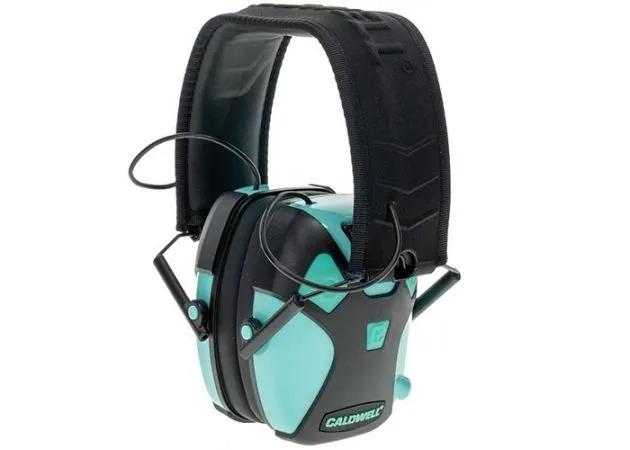
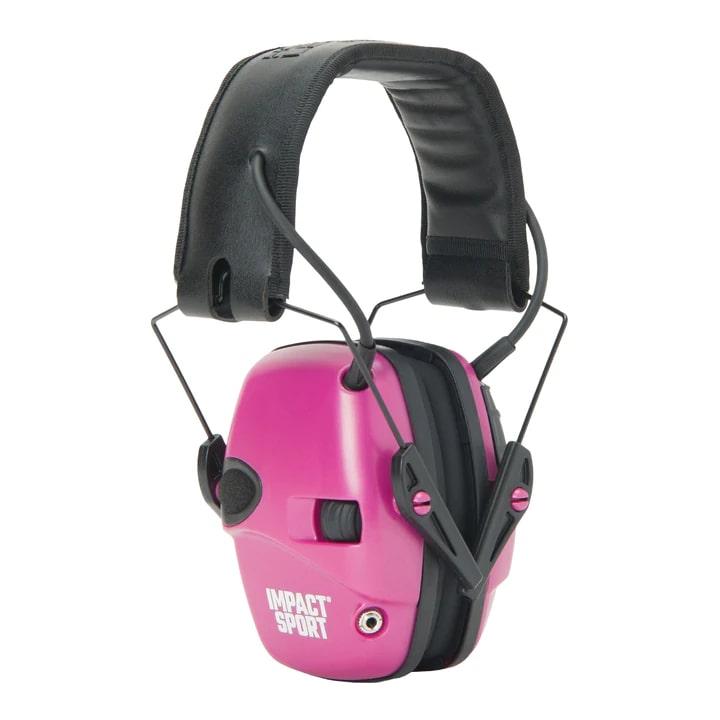
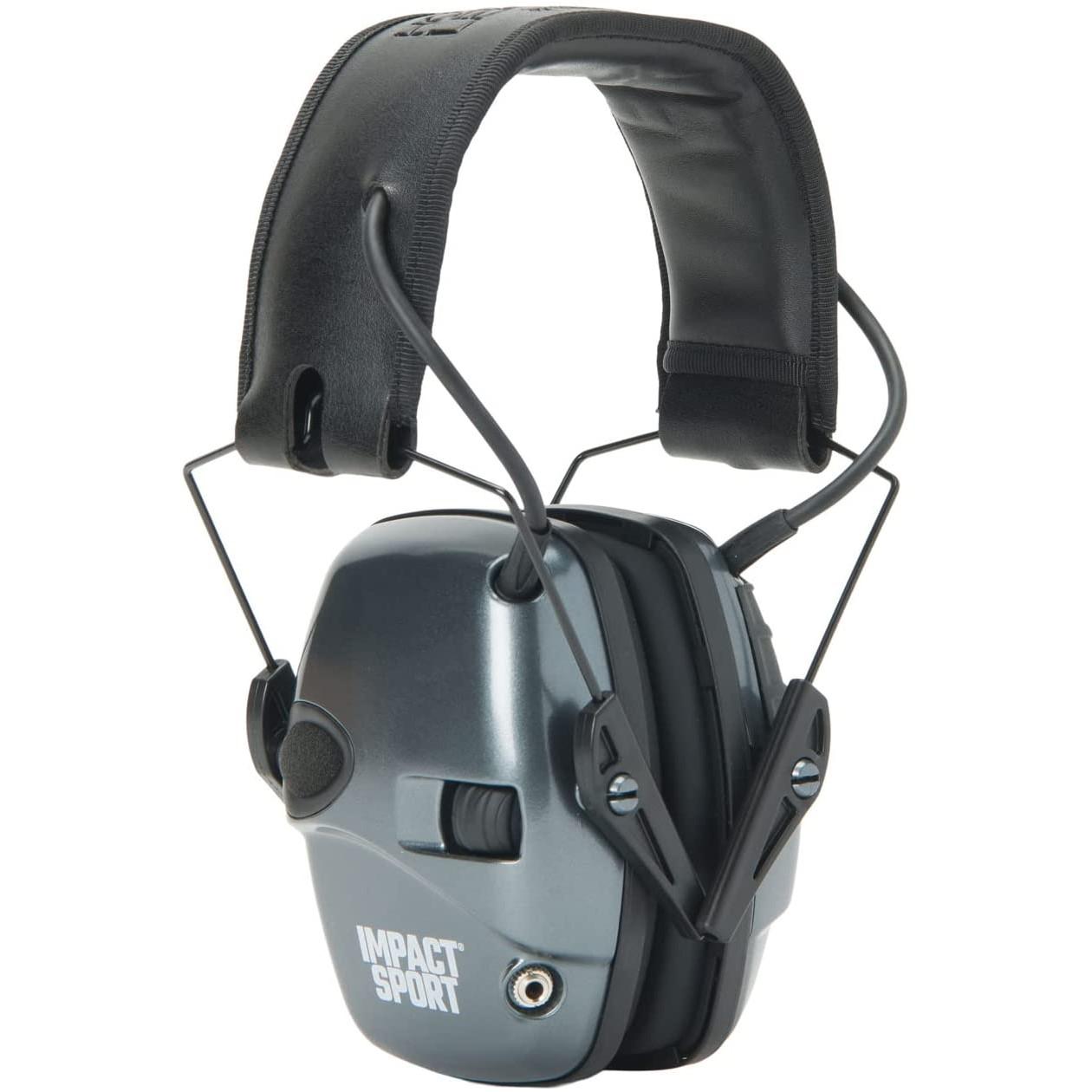
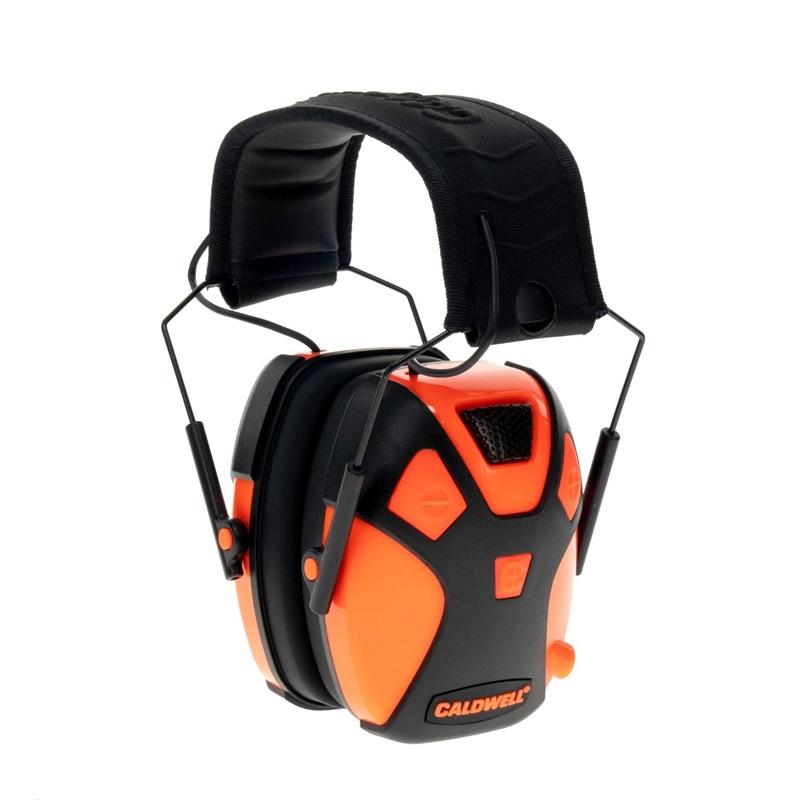
- Outdoors: electronic muffs or well-fitted in-ear plugs help you communicate, hear range commands, and maintain situational awareness while still reducing impulse exposure. Filters can help with high-frequency comfort, but fit and seal still matter most.
- Indoors or high-volume rifle days: double up with plugs under muffs. This reduces fatigue and protects you from nearby shooters, especially brakes and short barrels.
Real-world tip: prioritize fit and consistency over chasing a spec. Poorly inserted foam plugs can underperform dramatically. Electronic muffs with broken seals, thick eyewear temples, or a hat brim interfering with the cups also underperform. Your best suppressor purchase still loses value if your ear pro is casually worn.
Rimfire and pistol suppressors: where buyers get the most comfort gains
Rimfire suppression is where many shooters first experience truly pleasant shooting. A durable .22 LR can with easy cleaning matters because rimfire is filthy. Lead and carbon buildup can lock up baffles and threads over time, especially with high round counts. If you plan to shoot suppressed rimfire as a training staple, choose a design that you can service without drama and maintain with a predictable schedule.
Pistol suppression adds its own realities: booster assemblies need periodic cleaning and lubrication, and handgun hosts can be finicky with ammo, recoil springs, and optic setups. A suppressor that runs well on one pistol can require tuning on another.
Rifle suppressors and multi-caliber cans: selection criteria that matter long term
Many buyers start with one suppressor that can do “a little of everything.” That can be the right move if you understand the compromises.
- Dedicated caliber cans usually deliver better suppression and handling for that specific role.
- Multi-caliber suppressors can be practical for a growing collection, but they often perform best on one bore size and acceptably on others. Weight, length, and back pressure characteristics can shift the experience more than new buyers expect.
- Mounting systems and compatibility matter. Plan around your thread pitches, QD mounts, and whether you will run the suppressor across multiple hosts. Inventory your muzzle devices and budget for adapters.
- Maintenance and round count matter. Centerfire rifle cans are generally lower maintenance than rimfire, but mounting surfaces and threads still need care. Carbon lock is real. Anti-seize use depends on manufacturer guidance and materials.
Ownership lifecycle: storage, transport, and compliance basics
Suppressor ownership comes with responsibilities that should be built into your routine:
- Heat management: suppressors get extremely hot. Use a safe cooling plan at the range and avoid putting a hot can into soft cases that can melt or trap heat against other gear.
- Thread and mount care: keep mounting surfaces clean, inspect for loosening during sessions, and confirm alignment when changing hosts or mounts. This reduces the risk of baffle strikes.
- Secure storage: store like any regulated firearm accessory: controlled access, dry conditions, and corrosion prevention as needed.
- Legal transport and documentation: follow federal and state requirements, especially when crossing state lines. Keep your paperwork accessible in a way that protects the document from damage and keeps you compliant.
What this means in plain terms
Suppressors are one of the most practical firearm accessories for reducing blast, improving comfort, and making training more sustainable. They also reduce risk. They do not erase it.
If you want a rule that holds up across most real-world shooting, use this: run your suppressor and still wear hearing protection for centerfire shooting. Save any “ear pro off” experimentation for controlled, low-volume situations where you understand the exact host, ammo, and environment, and where you can stop immediately if anything feels sharp or uncomfortable.
Related reading
For the broader picture, start with Suppressor Buying Guide.
- Suppressor Buying Guide – Use this as the parent page for suppressor buyers who need one durable answer instead of chasing isolated product takes and regulatory headlines.
- Ambient-Intake Suppressors: Cooler Cans, Clearer Glass, Better Real-World Pace
- Canik Void Suppressors: What the Line Offers and How to Choose the Right Can
- Suppressors After the $0 Tax Stamp: What Buyers Should Expect in 2026
Shop related gear
- Suppressors & Accessories – Browse mounts, muzzle devices, adapters, and other can-support gear.
- Ear Muffs – Keep hearing protection in the plan, especially for indoor lanes and higher-pressure setups.
- Barrels – Match thread pattern, barrel length, and host use before you commit to a suppressor setup.
- Tetra Gun Suppressor Cleaner Bath – A straightforward option for cleaning intervals when your setup runs dirty.
FAQ
Yes. For most centerfire rifles and pistols, a suppressor reduces peak impulse noise but commonly leaves the shooter near levels associated with hearing damage, especially during repeated shots. Use earplugs, earmuffs, or both as part of a normal suppressed shooting setup.
Some suppressed .22 LR setups and certain subsonic centerfire combinations can feel manageable outdoors for limited shooting, but “hearing safe” depends on the exact firearm, suppressor, ammunition, barrel length, and measurement at the shooter’s ear. Treat ear pro as the default and keep it on you even when a setup seems quiet.
Gunshots start extremely loud. A large reduction can still leave a centerfire firearm near 130 to 140 dB at the shooter’s ear. Also, published numbers are often taken in controlled conditions and may be measured at the muzzle rather than where your ears are.
Outdoors is typically safer for your hearing because sound dissipates and reflects less. Indoor ranges reflect sound off hard surfaces and raise effective exposure, especially with other shooters nearby. Indoors, plan to double up with plugs under muffs even when shooting suppressed.
Double up when you shoot indoors, shoot high round counts, shoot short barreled rifles, or share a firing line with muzzle brakes. Plugs under electronic muffs is a practical combination that protects hearing while keeping communication and situational awareness.
Subsonic ammo can reduce overall sound signature by eliminating the ballistic crack, but it does not guarantee hearing safety. Reliability, cycling, and terminal performance can change with subsonic loads, and the suppressed muzzle blast can still be hazardous with repeated exposure.
Choose ear pro based on fit, seal, and how you actually train. Well-fitted foam plugs provide strong protection for cost. Electronic muffs help with range commands and conversation. For indoor ranges and rifle training, combine plugs with muffs to reduce fatigue and cumulative exposure.
The big mistakes are assuming published dB reductions equal hearing safety, testing “a few shots” without protection and repeating it often, ignoring indoor range reflections, and forgetting that other shooters on the line can drive exposure higher regardless of your suppressor.
Was this useful?