
Brief
CMMG Zeroed Banshee: What “Built to Run Suppressed” Really Means in a 6.5-Inch AR Platform
Deep dive on the CMMG Zeroed Banshee: caliber choices, suppressed performance factors, heat and maintenance, reliability tradeoffs, and a practical buying...
Shop this at BLVista
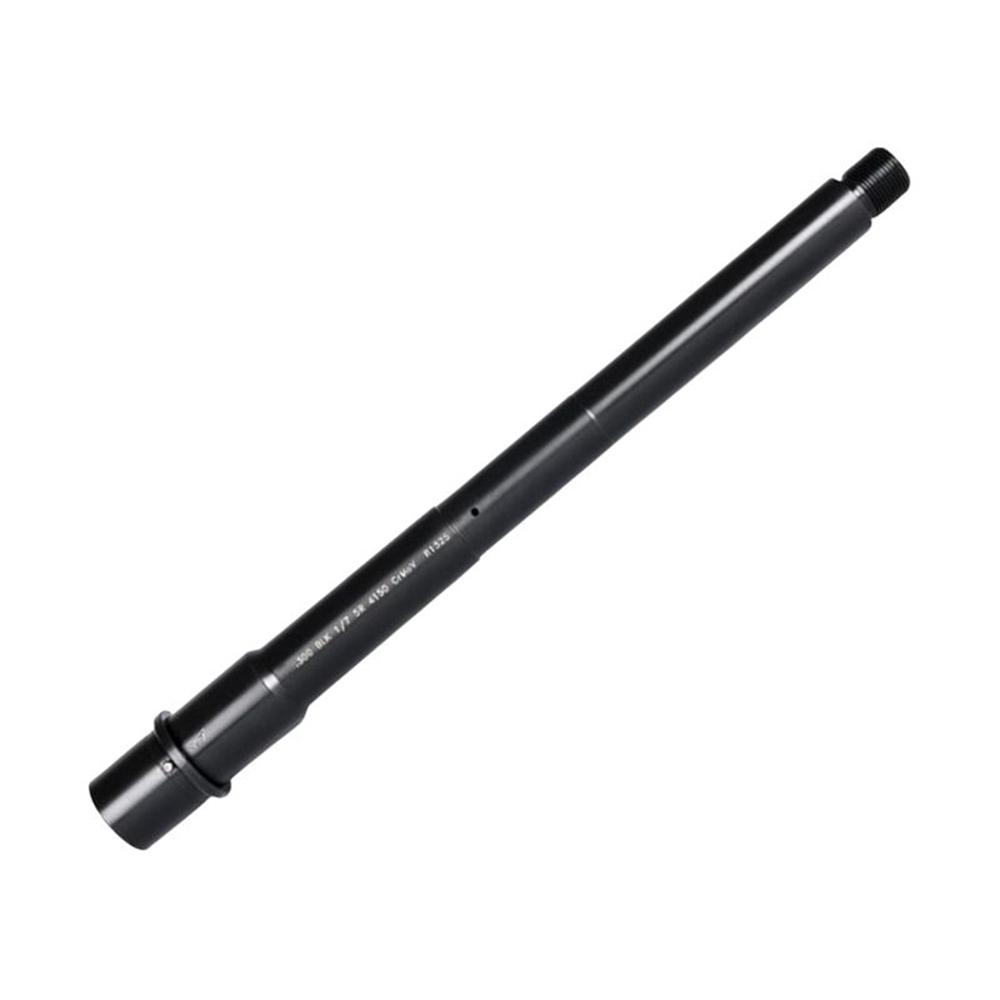
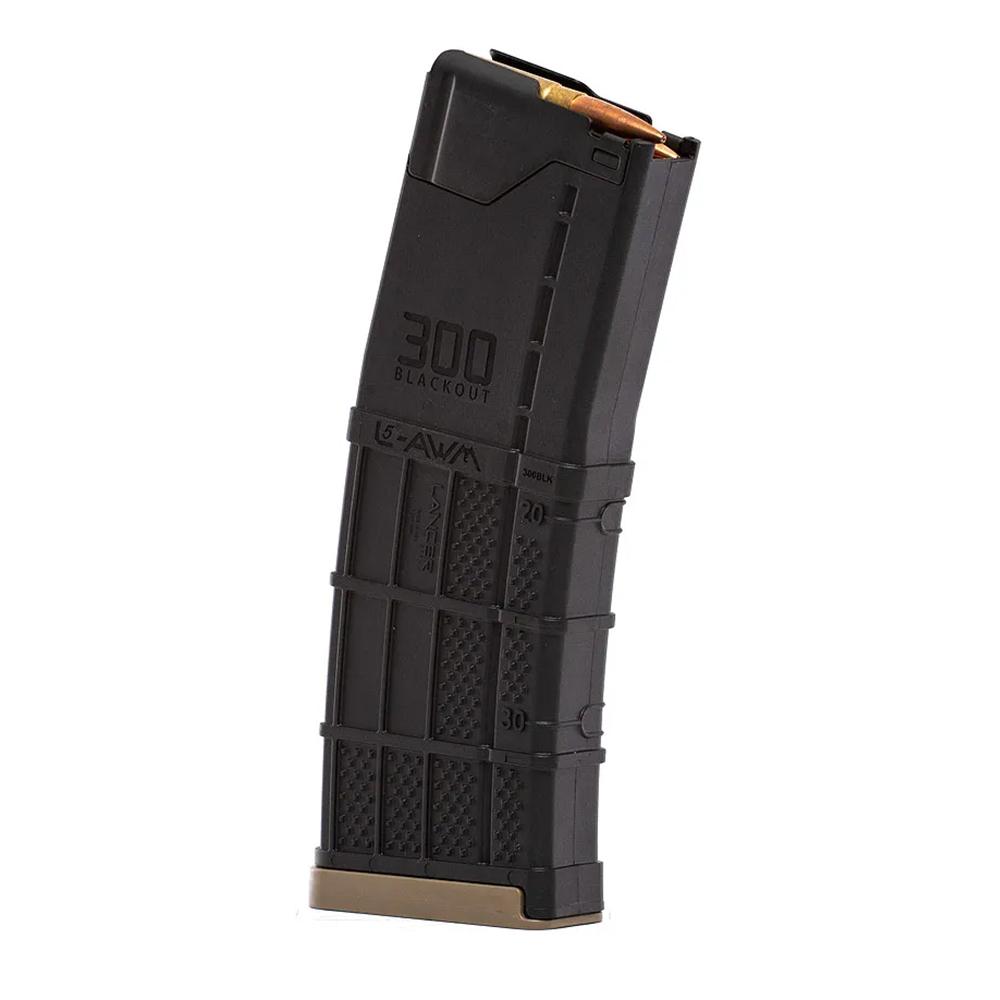
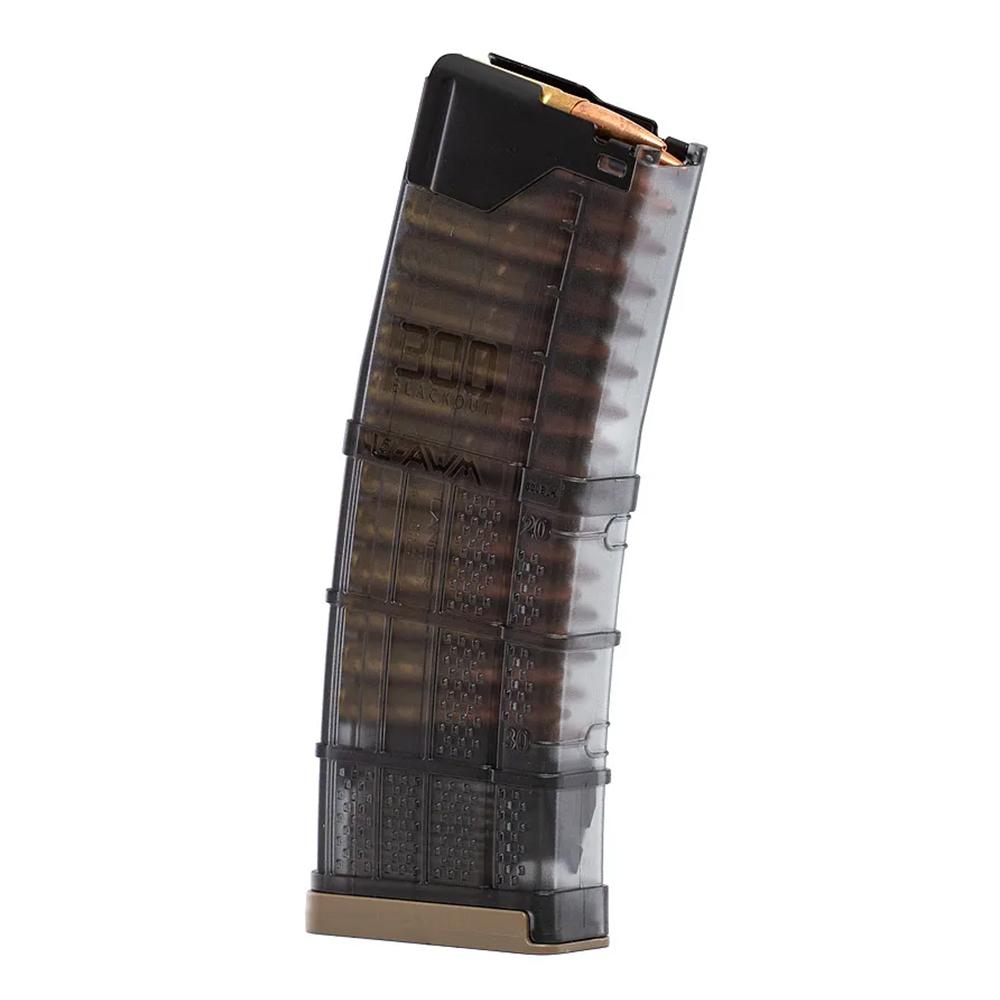
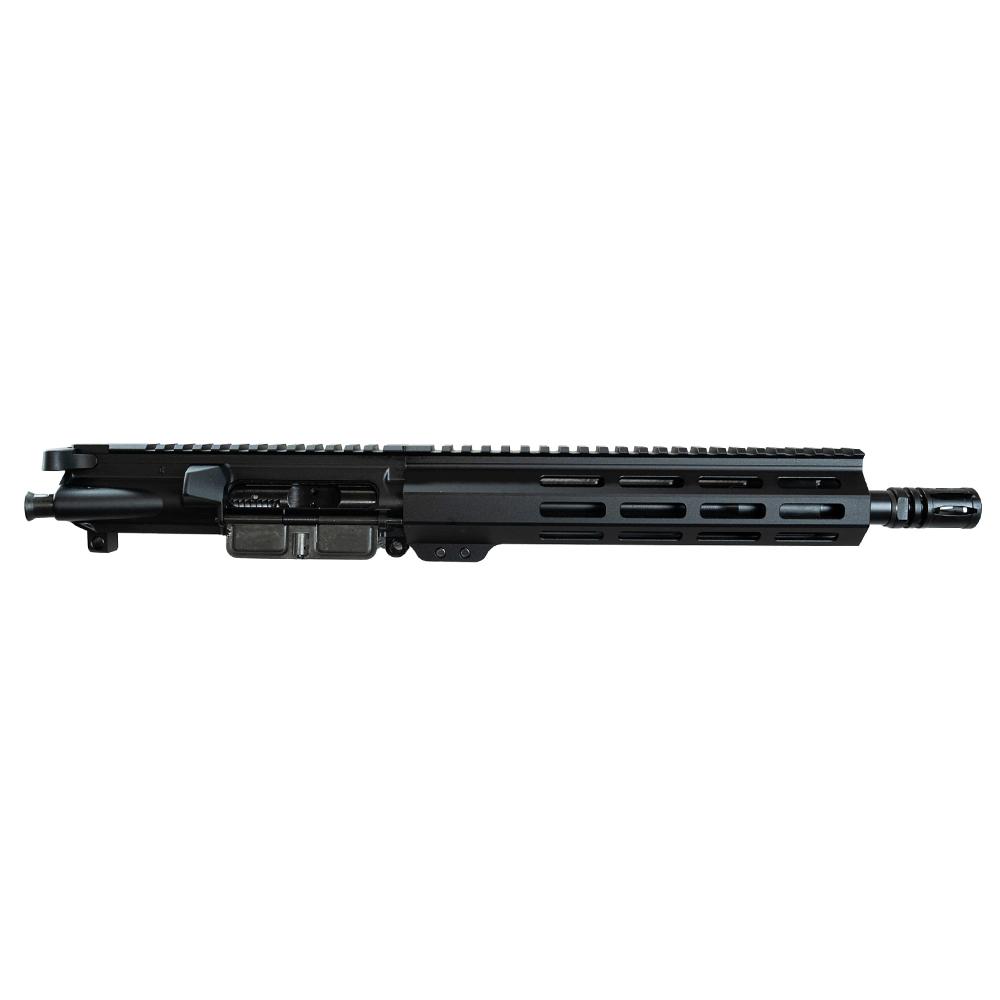
Shooting suppressed stays fun for a long time, but the ownership experience changes once you start putting real round counts through a short barrel with a can. Gas, heat, bolt speed, and parts wear stop being theory and start being the difference between a range toy and a dependable defensive tool. That is the context for CMMG’s Zeroed Banshee line: compact AR-pattern pistols and SBRs that are designed around suppressed use rather than adapted to it later.
What the CMMG Zeroed Banshee is
The Zeroed Banshee series centers on a 6.5-inch barrel with a long 10-inch M-LOK handguard that extends over either a matching “Zeroed” suppressor or a shorter faux suppressor that functions as a blast diverter. The lineup spans several popular short-gun cartridges: 5.7×28, 9mm, 10mm, .45 ACP, and .300 BLK. Depending on caliber, you are looking at CMMG’s radial-delayed blowback operating system for the pistol calibers and 5.7×28, and direct impingement for .300 BLK.
Configured as either a pistol with an adjustable brace or as an SBR, the platform is clearly aimed at shooters who want a compact package for training, home defense, and suppressed range time without having to piece together a build around unknown compatibility.
Key specs that actually matter in use
- Barrel length: 6.5 inches across the line. Expect fast handling and more sensitivity to ammo choice, especially in 9mm, 10mm, and .45 ACP where velocity and expansion can change with shorter barrels.
- Overall length: roughly 26 to 29.5 inches depending on configuration and whether suppressed. That is short enough to stage in tight spaces, transport discreetly in a compliant case, and work inside vehicles where muzzle management matters.
- Weight: about 5.6 to 6.4 pounds. With a suppressor, light, and optic, you are realistically in a “balanced but not featherweight” zone.
- Operating system: radial-delayed blowback (most variants) or DI (.300 BLK). This is the heart of the suppressed discussion because it influences recoil impulse, ejection behavior, gas to the face, and maintenance cadence.
Why “designed to run suppressed” is more than a tagline
Most short AR-pattern guns can be suppressed, but short barrels and suppressors amplify problems that you can sometimes ignore on longer setups. Here is what the Zeroed Banshee design direction is trying to solve in practical terms.
1) Heat management is the real constraint, not sound
A suppressor under a handguard makes for a compact package and keeps overall length down, but it also moves heat closer to your support hand and anything else near the front end. If you run even modest training strings, that area becomes a burn hazard and a reliability consideration. Heat soaks into the handguard, into accessories, and into the suppressor mount.
CMMG includes silicone M-LOK grip panels to create a thermal barrier. That is a small feature that matters once you stop shooting slow strings and start doing realistic practice: presentations, transitions, and movement drills. It also matters in hunting or pest control situations where the gun may ride slung and you want to avoid contacting a hot tube.
2) Bolt speed and backpressure drive reliability
Suppressors add backpressure. In short guns, that can mean higher bolt speed, earlier unlocking, and a dirtier action. Those variables show up as:
- more gas and particulate at the ejection port
- increased sensitivity to magazine quality
- changes in ejection pattern and brass condition
- accelerated extractor and ejector wear
Radial-delayed blowback has a different feel than straight blowback in pistol calibers. For suppressed shooting, that often translates into a more controlled recoil impulse and less “slam” compared to heavy-buffer blowback builds. It is still a dirty operating environment when suppressed, but the system choice is a meaningful part of why these guns are positioned as purpose-built.
3) The tucked suppressor layout changes accessory choices
A long handguard over a suppressor limits what you can mount where. Before buying, map your intended setup:
- Weapon light: you will likely want it forward enough to reduce suppressor shadow but not so far forward that it cooks. Choose a light with proven heat tolerance and mount it to avoid direct blast and radiant heat.
- Sling attachment: keep sling hardware off the hottest zones to avoid melted webbing or hot QD sockets.
- Hand placement: confirm you can maintain your preferred grip without riding the hot spots. Plan to use the included grip panels or add a heat-resistant hand stop.
Choosing a caliber: a buyer’s decision framework
The Zeroed Banshee lineup tempts buyers with variety, but caliber choice should be driven by intended role, ammo availability, and what you already stock for other firearms.
9mm
Best fit for high-volume training, lower ammo cost, and shared logistics with common pistols. In a 6.5-inch barrel, quality defensive 9mm can still perform well, but you should confirm function and point of impact with your chosen suppressor and load. For home defense, 9mm offers manageable recoil and fast follow-up shots, with a wide range of proven expanding loads.
10mm
Best fit for shooters who want more energy on target and are comfortable with higher recoil and higher ammo cost. In a compact platform, 10mm can be useful for backcountry carry inside a property boundary or for roles where barrier performance matters. Suppressed 10mm can be louder than many expect due to bullet speed, so load selection becomes important.
.45 ACP
Best fit for suppressed shooting where subsonic performance is the norm. .45 ACP is naturally subsonic with many loads, which helps suppressor performance. Tradeoffs include bulkier magazines, potentially lower capacity, and higher per-round cost.
5.7×28
Best fit for low recoil, high capacity, and flat shooting in a compact package. Suppression can be effective depending on load choice, but many 5.7 loads are supersonic, which means you will still hear the crack. Consider 5.7 if you prioritize speed, controllability, and magazine capacity, and you are willing to manage ammo selection and availability.
.300 BLK (direct impingement)
Best fit for the classic “short barrel plus suppressor” use case, especially with subsonic ammunition. .300 BLK was built around short barrels, and it remains one of the most practical suppressed rifle-caliber options for home defense and hunting within appropriate distances. The DI system brings typical AR considerations: gas tuning, suppressed blowback, and the importance of cleaning cadence. If you already run AR-15s, parts familiarity and support are strong advantages.
Pistol vs SBR: compliance and lifecycle considerations
How you buy and configure the gun matters as much as the caliber. Pistol and SBR variants both have valid use cases, but they carry different compliance and travel realities. Before committing, decide how the gun will live day-to-day:
- Transport and travel: if you cross state lines often, ensure you understand the requirements that apply to your configuration. Keep a dedicated case, lock, and documentation plan that matches your local laws and your destinations.
- Storage: short suppressed guns fit well in compact safes, but suppressors can retain heat for a long time. Plan for safe cooling time before bagging the gun or placing it in foam-lined cases.
- Training reality: braces and stocks change control and repeatability. If you will train hard, prioritize the configuration that supports consistent cheek weld and recoil management.
Durability, maintenance, and what to watch over time
Suppressor-focused ownership rewards discipline. Compact suppressed guns run dirty, and the consequences show up earlier.
Maintenance cadence
- Lubrication: suppressed guns tend to like more lube, not less. Run a lubricant that stays put under heat and fouling.
- Cleaning: define your intervals based on malfunctions, ejection changes, and round counts rather than calendar time. Keep the chamber, bolt face, extractor, and ejector in your routine.
- Handguard and suppressor interface: check fasteners, mount tightness, and any signs of contact between suppressor and handguard. A tucked suppressor setup demands consistent inspection.
Wear parts to track
- extractor and extractor spring
- ejector and ejector spring
- buffer system components (where applicable)
- magazines, especially feed lips and springs
Ergonomics and controls: why the included upgrades matter
The platform ships with an ambidextrous charging handle and safety, plus an upgraded trigger and grip. On a suppressed gun, control layout is not about comfort alone. It influences how efficiently you can run the gun while managing gas and heat. Ambi controls help when you have to shoot around barricades, switch shoulders to work angles, or keep your face out of the gas plume. A consistent trigger helps maintain accuracy when you are dealing with a short sight radius, compact optic setups, or rapid strings.
Colorways and coatings: field relevance
Cerakote options are not just cosmetic for many users. In humid environments, dusty training ranges, and hunting conditions where gear sees sweat and weather, a quality finish helps with corrosion resistance and ease of cleaning. The practical move is to pick a color that fits your use case and your storage habits, then keep a thin protective oil film on metal parts and inspect after wet exposure.
A practical buying checklist for the Zeroed Banshee
- Define the role: range gun, home defense, truck gun on private property, or suppressed hunting tool.
- Pick the caliber based on logistics: what you already stock, what you can buy reliably, and what magazines you trust.
- Plan the suppressor path: decide whether you want the real suppressor variant now or a blast diverter while you evaluate the platform.
- Set up for heat: grip panels, light placement, sling routing, and a safe cooling routine.
- Confirm compatibility: optic height, backup sights (if desired), magazine type, and any accessory clearance around the tucked suppressor.
- Budget for lifecycle: magazines, wear parts, a quality case, and ammo for function testing.
Where the Zeroed Banshee fits
The appeal here is a compact AR-pattern package that takes suppressed use seriously and offers meaningful caliber options in a consistent footprint. If you want a short gun primarily for suppressed range time with the ability to serve a defensive role, a factory-integrated approach can reduce trial-and-error compared to building a tucked-can setup from scratch. Your decision should come down to caliber logistics, your willingness to maintain a suppressed gun properly, and whether the compact format matches how you actually train and store your firearms.
FAQ
It can be, if you set it up like a defensive gun instead of a range toy. Prioritize a proven weapon light, a reliable optic, and a defensive load that you have function tested suppressed and unsuppressed. Keep a maintenance schedule that accounts for suppressed fouling and verify safe storage and quick access that fits your household.
.300 BLK with subsonic ammunition remains one of the most practical suppressed options, especially for short barrels. .45 ACP also suppresses well due to common subsonic loads. 9mm can be very effective suppressed with subsonic loads, and it is typically the easiest for high-volume training.
Radial-delayed blowback is CMMG’s operating system that uses bolt geometry to delay opening compared to straight blowback. In pistol-caliber AR platforms, that can reduce the harsh recoil feel and help the gun run more controllably, which matters when you add suppressor backpressure and start shooting longer strings.
It changes heat management and accessory placement. Expect the handguard area near the suppressor to get hot quickly. Use heat-resistant M-LOK panels, plan light and sling placement to avoid radiant heat, and allow extra cooling time before putting the gun in a soft case or safe.
Buy the suppressed model if you already own a compatible suppressor or you are committed to running suppressed and want a purpose-matched setup from day one. Choose the faux suppressor version if you want the compact tucked profile and blast management while you decide on a suppressor purchase and compliance path.
Plan for more frequent cleaning and lubrication than an unsuppressed gun. Focus on the chamber, bolt face, extractor, and ejector. Track ejection pattern changes, keep an eye on magazine condition, and inspect suppressor mounts and handguard fasteners regularly for safety and reliability.
Test your chosen magazines, defensive ammo, and suppressor configuration for reliability. Confirm zero and point-of-impact shift suppressed versus unsuppressed. Validate light activation, sling function, and manipulation drills with gloves if you expect to shoot around heat.
Was this useful?