
Brief
.300 Blackout vs 8.6 Blackout vs .338 ARC: Choosing a Suppressor Cartridge That Fits Your Real Use
Compare .300 Blackout, 8.6 Blackout, and .338 ARC for suppressed rifles. Real-world pros, parts compatibility, range, hunting use, reliability, and safety.
Shop this at BLVista
Suppressor ownership has moved from niche to normal, and that change has pushed a lot of shooters toward cartridges built to run well with a can. The appeal is simple: less blast, less concussion, better training tolerance, better communication, and more practical performance from short barrels.
Three cartridges keep coming up in this space: .300 Blackout, 8.6 Blackout, and .338 ARC. They overlap in purpose, but they solve different problems. The right choice depends less on internet ballistics charts and more on your platform, your realistic distances, your ammo plan, and how much complexity you are willing to own long term.
This guide breaks down what matters in real use: barrel length behavior, suppressor compatibility, parts and magazine considerations, zero management between subsonic and supersonic, hunting ethics, and the ownership lifecycle issues that drive cost and reliability.
Start With the Use Case: A 60-Second Decision Framework
- Home defense and training volume on an AR-15: .300 Blackout is usually the cleanest path.
- Short-barrel hunting where you want heavy subsonic performance and are okay with a larger platform: 8.6 Blackout is built for that.
- Heavier subsonic punch in an AR-15 sized package: .338 ARC is the interesting middle ground, with more setup risk.
Then sanity-check the choice with four practical questions:
- What rifle do you already own? AR-15, AR-10, bolt gun, or something else.
- What is your realistic max distance? 50, 150, 300, 600, 1,000 yards.
- Will you actually switch between subsonic and supersonic? If yes, plan for separate zeros or verified holds.
- Can you keep ammo and magazines segregated? This matters most with .300 BLK around 5.56 guns.
.300 Blackout: The Practical Baseline for Suppressed AR-15s
.300 BLK is the established option because it was designed around the AR-15 and around short barrels. It does two jobs in one cartridge family: subsonic for reduced signature and supersonic for better external ballistics and terminal performance at closer to mid distances.
Why .300 BLK works in the real world
- Short barrels behave predictably. .300 BLK reaches useful velocities with fast-burning powders, so 8 to 10 inch barrels can still make sense. That leaves room for a suppressor without turning the gun into a fishing pole.
- AR-15 compatibility is the ownership win. In most builds, you keep your standard receivers, bolt, and magazines. For many shooters, it is a barrel swap and a gas system choice, not a new rifle ecosystem.
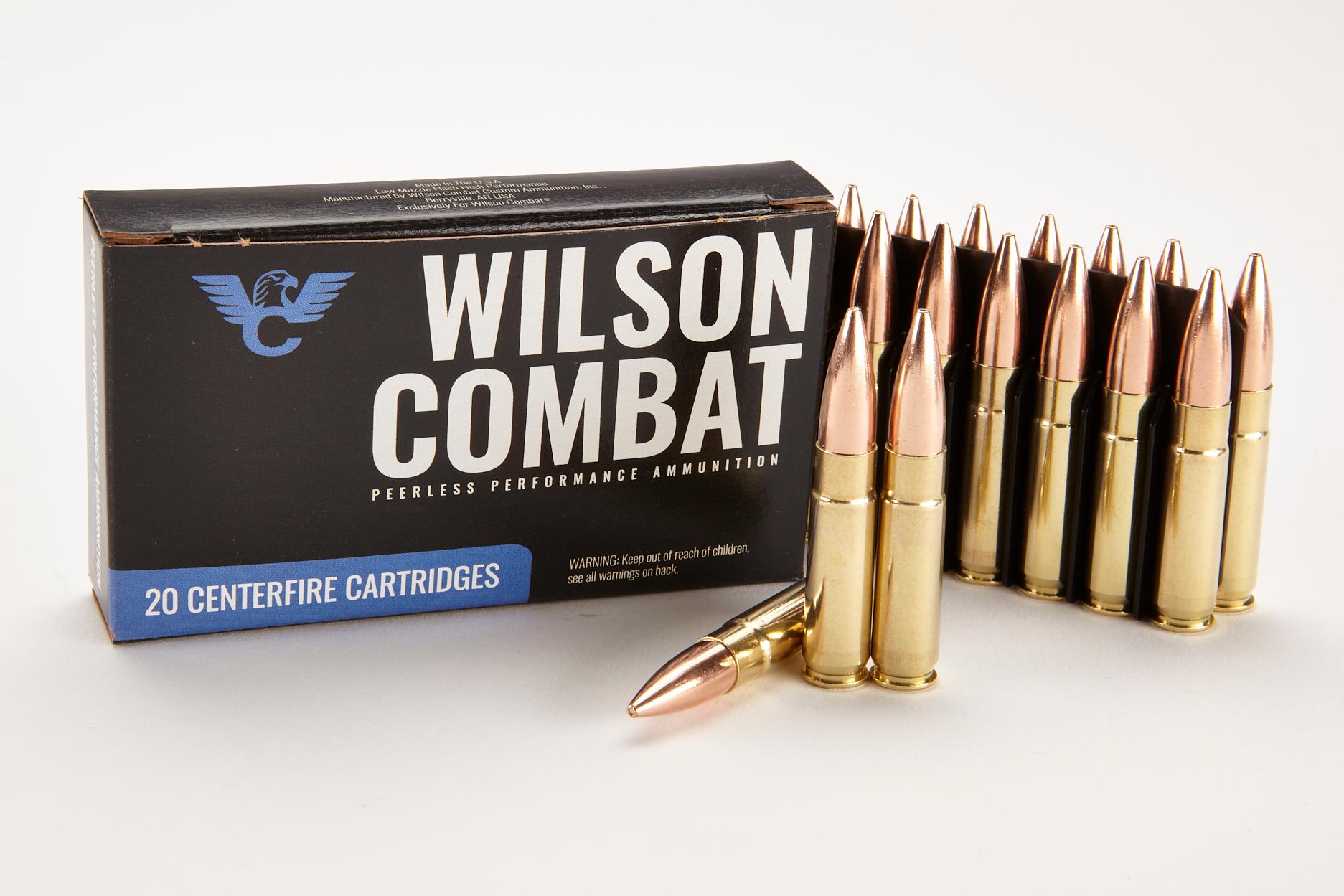
- Ammo variety is real. Subsonic loads are common, and supersonic loads span defensive, hunting, and general range use. Availability is usually better than the other dedicated suppressed cartridges discussed here.
- Suppressor options are plentiful. .30 caliber cans are common, with a long track record on .300 BLK and wide support across mounting systems.
Tradeoffs you live with
- Effective range is limited. Supersonic .300 BLK is generally a closer-range cartridge compared to 5.56 or 6.5 class rounds. Past about 300 yards, drop and wind become a real management task for most shooters.
- Subsonic external ballistics are slow. Subsonic .300 BLK behaves more like a big pistol round in flight. It can be effective with proper bullets and realistic distances, but it demands disciplined shot placement and realistic expectations.
- Ammo segregation is a safety issue. A .300 BLK cartridge can be chambered in many 5.56 rifles. That mistake can destroy a gun and injure the shooter. This is an ownership procedure problem, not a ballistics problem.
- Zero management matters. If you run both subs and supers, plan your optic and holds accordingly. Many shooters end up choosing one load for the role to keep the gun simple.
Real-world setup notes for .300 BLK
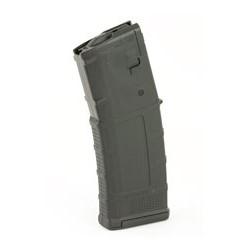
- Magazines: Standard AR mags typically run. Mark them clearly. Many owners use dedicated magazine colors, bands, and separate storage to reduce human error.
- Gas system: Suppressed .300 BLK can be tuned easily, but it is still worth setting up correctly. Adjustable gas blocks, appropriate buffer weights, and quality springs reduce wear and improve reliability.
- Cleaning: Subsonic loads and suppressors increase fouling. Plan for more frequent bolt and chamber maintenance, especially on high-round-count training guns.
8.6 Blackout: Heavy Subsonic Performance With Real Reach
8.6 BLK takes the same concept as .300 BLK and scales it up with a .338 caliber projectile and a case derived from the 6.5 Creedmoor family. In practice, it is a cartridge for shooters who want serious mass on target, strong terminal effect, and a cartridge that can still do meaningful work from short barrels.
Where 8.6 BLK earns its keep
- It carries energy differently. Heavy bullets can deliver strong penetration and performance, especially in hunting contexts where shot angles and anatomy are not always ideal.
- Subsonic can remain useful farther out. Many shooters look at 8.6 BLK for subsonic hunting and field use at distances that stretch beyond typical subsonic .300 BLK comfort zones, with the right bullet selection and verified drop data.
- Supersonic options offer more reach. Compared to the other cartridges here, 8.6 BLK is often the most capable when you want a suppressed short gun that can still play at longer distances.
Tradeoffs that affect buyers
- Suppressors are larger and costlier. You are shopping in .338-caliber suppressors, which usually means fewer choices and higher prices than .30 caliber cans.
- Ammo cost and availability remain a limiter. Component and ammunition availability drives whether you will actually train with the gun. If you cannot afford the reps, your practical capability drops no matter how good the cartridge is.
- Fast twist requirements add constraints. 8.6 BLK often leans on very fast twist rates. That can limit bullet selection and make bullet construction quality more important. If a load is inconsistent, your accuracy and terminal repeatability suffer.
- Platform size and weight change the experience. Many 8.6 BLK setups live in larger actions than an AR-15. That affects carry comfort, transport, and how the rifle handles in tight spaces.
Reliability and consistency considerations
Subsonic rifle cartridges can run into ignition consistency challenges depending on case fill and powder choice. If your goal is accuracy and repeatable velocity, prioritize proven loads, chronograph your ammo, and confirm performance across temperatures. Cold mornings and hot truck interiors both change how some powders behave.
.338 ARC: Big-Bore Subsonic Intent in an AR-15 Form Factor
.338 ARC is built around the idea that many shooters want more subsonic impact than .300 BLK while keeping the smaller, lighter AR-15 size. It uses a shorter case that fits the AR-15 magazine well, and it is primarily oriented toward subsonic use with heavy bullets.
Why buyers are paying attention
- AR-15 size and weight are a real advantage. For field carry, vehicle use, and general handling, staying in the AR-15 envelope matters.
- Heavier subsonic bullets increase terminal potential. With appropriate bullets, .338 ARC offers more subsonic energy than typical .300 BLK subsonic loads, which is relevant for hogs and similar use cases at responsible distances.
- It sits between .300 BLK and 8.6 BLK in intent. Many shooters see it as a way to get more bullet without moving to a larger platform.
The ownership risks and setup friction
- Parts compatibility is not as forgiving. Expect a dedicated bolt and magazine solution, and be prepared to tune buffer weight and springs to your exact build.
- Magazine reliability can define the whole experience. If your magazine choice does not feed well, the cartridge will feel like a problem even if it is not. Plan to test multiple magazines and label the ones that prove reliable.
- Bolt design margins matter. Some AR-15 based big-bore cartridges push bolt geometry harder than 5.56. Buy quality bolts from reputable makers, track round count, and inspect lugs during maintenance intervals.
- Availability can be the deciding factor. If ammo is hard to find, the cartridge becomes a special-occasion gun. That changes the value proposition for most owners.
Suppressor and System Matching: What Most Comparisons Skip
Choosing the cartridge is only half the decision. Suppressed reliability comes from the whole system: barrel length, gas port size, suppressor backpressure, buffer mass, spring rate, and ammunition consistency.
- Backpressure and gas: Some suppressors increase gas blowback significantly. If you train often, plan for tuning and consider gas-mitigating charging handles or adjustable gas.
- Mounting and alignment: Use a quality mount, verify concentricity, and keep threads clean. Carbon lock and loose mounts create real-world problems fast.
- Heat management: Short suppressed rifles heat up quickly. Train with realistic strings and plan for safe handling, transport, and storage after firing.
- Hearing safety: Suppressed does not mean hearing safe in every configuration. Supersonic crack and action noise still matter. Use ear protection during training.
Hunting and Field Use: Ethical Distance and Bullet Selection
For suppressed hunting, bullet construction matters more than caliber debates. Subsonic hunting success depends on bullets designed to expand at low velocity. Supersonic hunting depends on bullets designed for controlled expansion at higher impact speeds.
- .300 BLK: Works well for closer-range hunting with the right supersonic hunting bullets. Subsonic hunting requires purpose-built expanding bullets and disciplined distance limits.
- 8.6 BLK: Strong option when you want heavier bullets and deeper penetration potential, especially for hogs and larger-bodied game where angles can be challenging.
- .338 ARC: Attractive for hog hunters who want AR-15 handling with more subsonic punch, provided the magazine and bolt setup is proven.
Always verify state hunting regulations for caliber, minimum energy requirements where applicable, magazine limits, and legal hunting hours. Suppressor legality and transport rules vary by jurisdiction.
Storage, Transport, and Compliance
- Ammo management: Store each caliber in dedicated containers. Label cans and mags. Keep .300 BLK physically separated from 5.56 to reduce catastrophic mix-ups.
- Suppressor care: Centerfire rifle suppressors are usually low-maintenance, but mounts and threads are not. Keep mounting surfaces clean and lightly lubricated where appropriate.
- Travel: Know the rules for transporting firearms and suppressors across state lines. Even when legal, secured storage reduces theft risk and prevents damage to optics and mounts.
So Which One Should You Shoot?
- Pick .300 Blackout if you want the most mature ecosystem, the easiest AR-15 integration, the widest suppressor options, and the most realistic path to high training volume.
- Pick 8.6 Blackout if you want the heaviest-hitting option here with strong subsonic intent and legitimate supersonic reach, and you accept higher cost and a larger suppressor setup.
- Pick .338 ARC if you want heavy subsonic performance in an AR-15 sized rifle and you are willing to treat parts selection and magazine testing as part of the purchase.
For most owners, the “winner” is the one you can afford to zero, confirm, and train with. Suppressed performance is earned through verification and maintenance, not through a spec sheet.
FAQ
For most shooters, .300 Blackout is the best suppressor cartridge for an AR-15 because it has the most proven reliability, broad ammo availability, and straightforward parts compatibility. If you want heavier subsonic performance and accept more setup complexity, .338 ARC is an AR-15 option worth evaluating.
.300 Blackout is often chosen for suppressed home defense because it performs well from short barrels and offers reliable subsonic and supersonic loads designed around suppressed use. Home defense selection still requires careful ammunition choice, a confirmed zero, and a reliable suppressor mount.
No. A .300 Blackout cartridge can sometimes chamber in a 5.56 rifle and cause catastrophic failure when fired. Keep .300 BLK and 5.56 ammunition and magazines segregated, clearly labeled, and stored separately to reduce risk.
Yes. 8.6 Blackout uses .338 caliber bullets, so it requires a .338 rated suppressor. A common .30 caliber suppressor used for .300 BLK typically will not be appropriate for 8.6 BLK due to bore size and safety margins.
8.6 Blackout can be a strong hunting cartridge, especially when you want heavy bullets and reliable terminal performance from short barrels. Bullet selection and ethical distance matter more than caliber. Confirm expansion at your expected impact velocity and verify trajectory and wind holds.
.338 ARC reliability issues often center on magazine feeding and parts compatibility, including the need for a dedicated bolt and tuned buffer system. Buyers should budget time and ammo for function testing, and should use proven magazines known to feed the cartridge consistently.
Subsonic ammo reduces sound signature by eliminating the sonic crack, but it has more drop and less energy at distance. Supersonic ammo offers better external ballistics and often better terminal performance, with more noise. Choose based on your realistic distances and the role of the firearm, then confirm zero and holds with that exact load.
Confirm platform fit (AR-15 vs AR-10), suppressor bore rating, magazine and bolt requirements, ammunition availability, and your plan for zero management between subsonic and supersonic loads. Also check state and local compliance for suppressor ownership, hunting use, and transport.
Was this useful?