
Brief
CZ 612 TAC Puts a Folding Stock on a 6+1 Pump Gun
An 18-inch chrome-lined barrel, 6+1 tube, ghost rings and a folding telescopic stock. How the CZ 612 TAC compares to other defensive pump shotguns.
Shop this at BLVista
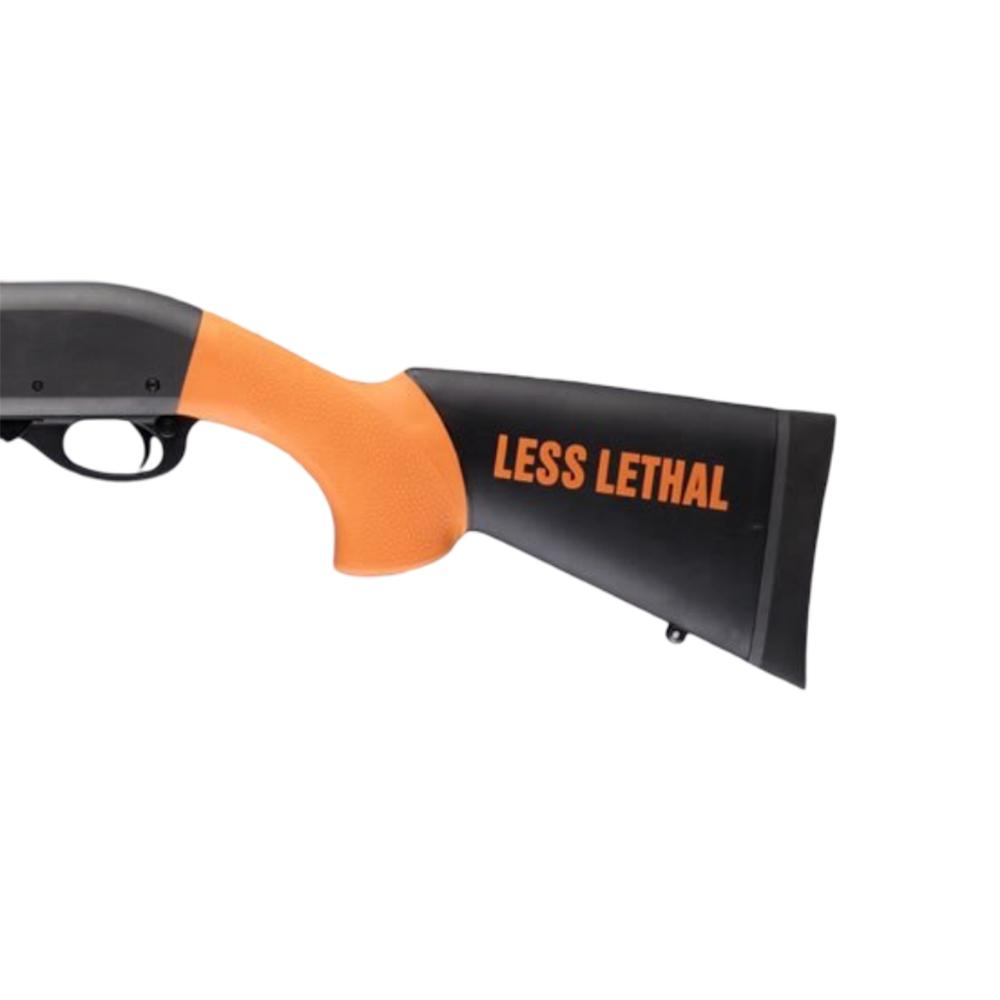
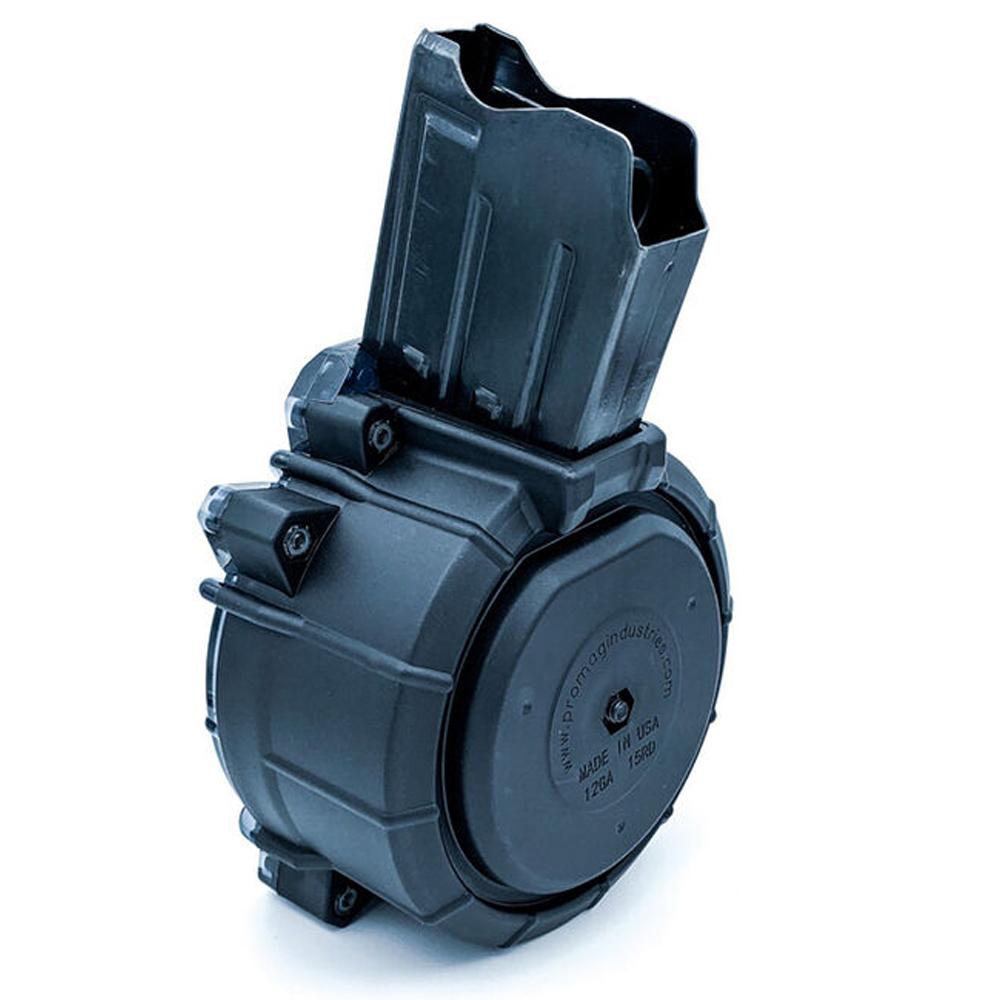
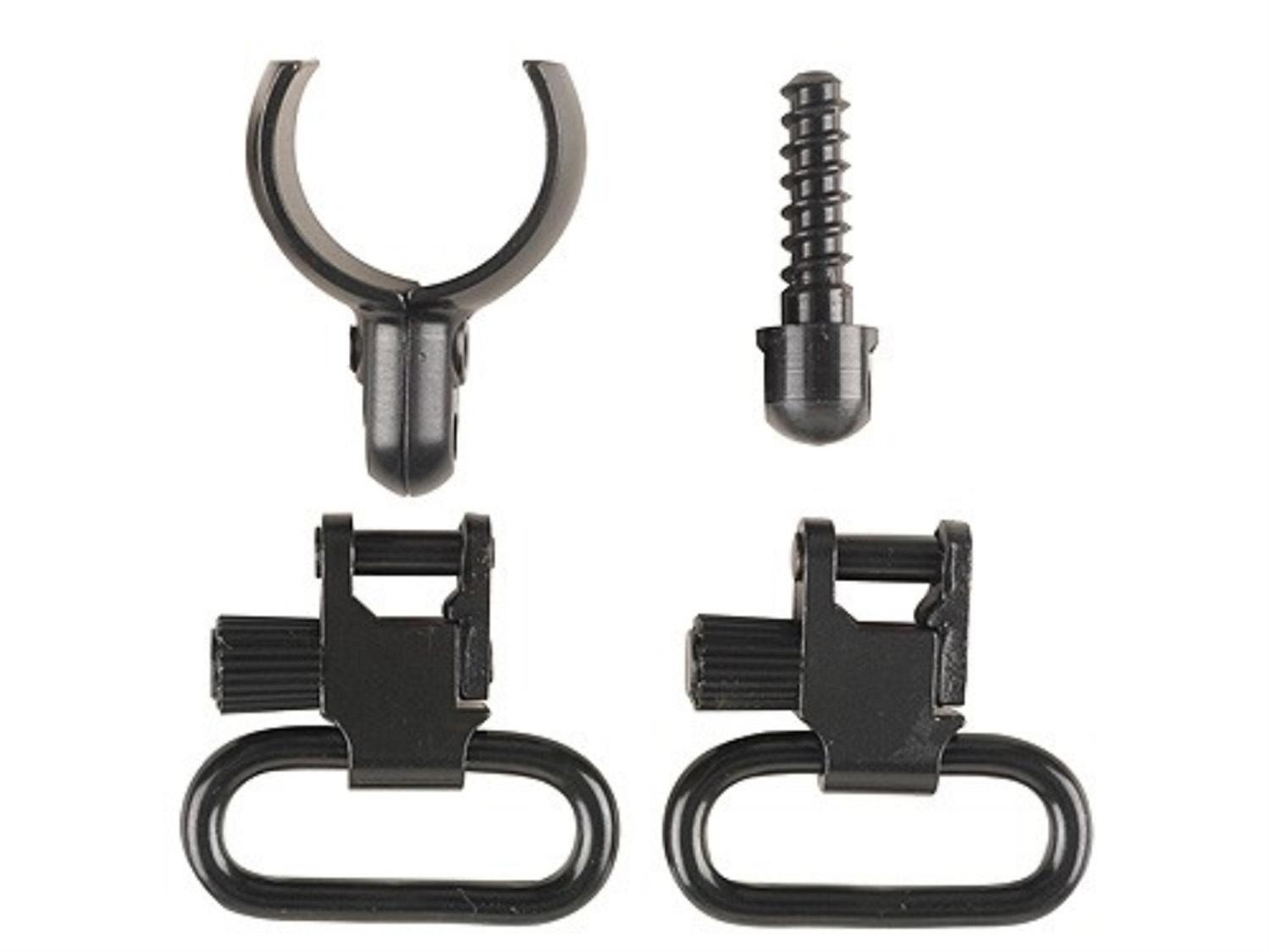
The CZ 612 TAC is not an attempt to redraw the pump-action shotgun. It is a parts-and-features decision, and that is where it becomes interesting for buyers who already know what a defensive shotgun has to do. The published configuration covers an 18-inch chrome-lined barrel with a tactical muzzle brake, a 12-gauge chamber rated for both 2.75-inch and 3-inch shells, a 6+1 magazine tube, integrated ghost ring sights, a receiver-mounted Picatinny rail, a polymer vertical pistol grip, and a folding telescopic stock with three length-of-pull positions and an adjustable cheek rest. Operation is pump-action running dual action bars, and CZ lists a lifetime barrel warranty.
What the 6+1 tube actually changes
Other 612 variants ship with a 4+1 tube. Going to 6+1 adds two rounds on board, which sounds small until you count how a shotgun actually gets fed. With 2.75-inch 00 buckshot loaded at nine pellets per shell, a 6+1 gun holds 63 pellets before a reload. A 4+1 gun holds 45. In a low-light home defense scenario where you may fire, reassess, and move, those two shells buy you time you would otherwise spend stuffing the loading port under stress.
The tradeoff is weight and balance. A full-length tube pushes mass forward, and seven 12-gauge shells are not trivial. Standard 2.75-inch 00 buck runs roughly 1.5 ounces of lead per shell before hull and wad weight. A loaded 6+1 gun typically sits close to a pound heavier than the same gun empty. That forward bias helps recoil management and swing control on multiple targets, and it works against you if you plan to keep the gun mounted on a wall bracket and carry it one-handed for any distance.
Barrel length, chrome lining, and the muzzle brake
Eighteen inches is the shortest barrel most jurisdictions allow on a non-registered shotgun, since federal law sets an 18-inch shotgun barrel minimum and a 26-inch overall length minimum. That matters here because the stock folds. Folding the stock on a shotgun that already sits near the overall length floor is how owners get into trouble without meaning to. Verify the folded overall length figure on your specific gun before you treat folding as a routine storage mode, and check state rules separately.
Chrome lining is a maintenance feature, not a performance one. Shotgun bores see plastic wad residue, salt from humid environments, and long stretches sitting loaded in a closet or a truck. A chrome-lined bore resists pitting and scrubs out faster with a bore snake and solvent. If the gun lives in a coastal climate, a hunting blind, or an unheated garage, that lining pays for itself over a decade of ownership.
The muzzle brake is the piece that deserves the most skepticism. Ported brakes redirect gas sideways and upward, which trims muzzle rise and does little for the straight-back push of a 12-gauge. The real cost is noise. A 2.75-inch buckshot load already produces roughly 155 to 160 decibels at the shooter’s ear, and porting sends more of that energy laterally. Indoors, unsuppressed, with no hearing protection, that is a serious consideration. Electronic muffs staged with the gun are a reasonable answer for home defense planning.
The stock is the real story
Three length-of-pull positions and an adjustable cheek rest solve a problem most fighting shotguns ignore. A shotgun that fits a 13-inch LOP in a t-shirt does not fit the same shooter in a plate carrier or a winter hunting coat. Shorter LOP settings let you keep your elbows tight and your shoulders square, which is how you actually absorb recoil rather than letting it rotate you off target.
The adjustable cheek rest matters even more once you mount an optic. Ghost ring sights want your eye low and behind the receiver. A red dot on the Picatinny rail sits higher and wants a taller cheek weld. Being able to raise the comb means you can run either sighting system without building a head-bobbing habit. Co-witnessing a reflex sight with the ghost rings gives you a backup that works if the dot goes dark, which is the same logic behind irons on a defensive carbine. If you are shopping optics for a shotgun, look for enclosed emitters and a low deck height, and start with our red dot selection guide before you commit to a footprint.
How it compares in the pump category
- Barrel: 18 inches here, against the common 18.5-inch and 20-inch defensive barrels on other pumps. The half inch is irrelevant in handling and relevant only if you are calculating overall length.
- Capacity: 6+1 out of the box, versus the 5+1 that has been the default for decades on standard-tube defensive pumps.
- Sights: Integrated ghost rings and a receiver rail included, rather than a bead that you later pay a gunsmith to replace.
- Stock: Folding and telescoping with three LOP stops, where most pumps ship with a fixed-length stock or a pistol grip only.
- Action: Dual action bars, which is the feature that keeps a pump from binding when you short-stroke it under pressure or run it from an awkward position.
Ammunition and patterning
Do not buy a defensive shotgun without budgeting for pattern testing. Plan on 50 to 100 rounds of your chosen buckshot load. Reduced-recoil 00 buck, typically nine pellets at around 1,145 feet per second, generally patterns tighter and cycles easier than full-power 1,325 fps loads. Standard 3-inch magnum 00 buck runs 15 pellets at roughly 1,210 fps, which adds pellets and adds meaningful recoil in an 18-inch gun. Rifled slugs at 1 ounce, or 437.5 grains, leave the muzzle near 1,600 fps and give you a 75-yard capability if the gun ever pulls double duty on hogs or deer.
Pattern at 7, 15, and 25 yards on 18-inch targets. Record which load keeps all pellets on paper at your longest realistic distance in the home, then buy that load in quantity. Also confirm your chosen buckshot feeds and cycles without shell binding at the port when you work the action hard.
Ownership, storage, and long-term care
A polymer folding stock introduces a hinge, and hinges wear. Check for lockup play at the folded and deployed positions every few hundred rounds, and keep the pivot clean and lightly lubricated. Wipe magazine tube springs annually if the gun sits loaded, and rotate the shells in the tube once a year to avoid crimp set. Store loaded shotguns muzzle down in a quick-access safe when children are in the house, and use a chamber flag during dry practice. For hunting use, a 12-gauge pump with a 6+1 tube requires a magazine plug in most migratory bird contexts, so verify the plug requirement for your state before opening day.
If you are building out a shotgun for defense or training, sling mounts, a light with a pressure switch, and a card or shell carrier are the accessories that change performance. Browse pump-action shotgun accessories and our broader gear catalog when you are ready to spec the gun out, and pair the build with a plan for home readiness fundamentals.
What to decide before you buy
Weigh three questions. First, do you need the folding stock, or does a fixed stock serve your storage and transport reality better with fewer moving parts? Second, will you actually run an optic, because the rail and adjustable comb are most of what you are paying for over a plain-Jane defensive pump? Third, are you prepared to pattern-test and stock a specific buckshot load, since a shotgun without a verified load is an unproven tool. Answer those honestly and the 612 TAC either fits your plan precisely or you buy something simpler and spend the difference on ammunition and a class.
FAQ
It is listed at 6+1 in 12 gauge, meaning six shells in the extended magazine tube and one in the chamber. That is one to two shells more than most standard defensive pumps, which ship at 4+1 or 5+1.
An 18-inch chrome-lined barrel with a tactical muzzle brake, chambered for 12-gauge shells in both 2.75-inch and 3-inch lengths.
Federal law sets an 18-inch minimum shotgun barrel and a 26-inch minimum overall length for non-registered shotguns. Because this model has a folding stock, confirm the overall length in the folded position and check your state rules before treating folding as a normal storage or transport configuration.
Yes. The receiver-mounted Picatinny rail accepts a reflex or enclosed-emitter sight, and the adjustable cheek rest lets you raise the comb to match the higher optic height. Many owners set the dot to co-witness with the integrated ghost rings so the irons remain usable if the electronics fail.
Reduced-recoil 2.75-inch 00 buckshot, typically nine pellets near 1,145 feet per second, is the common starting point because it patterns tighter and recovers faster than full-power loads. Test at 7, 15, and 25 yards, then buy the load that keeps every pellet on an 18-inch target at your longest realistic distance.
Check the hinge for play every few hundred rounds, keep the pivot clean and lightly lubricated, and verify the stock locks solidly in both folded and deployed positions. Polymer hinges wear gradually, and the earliest symptom is looseness at lockup.
Was this useful?