
Brief
Bodyguard 2.0 With a Factory-Fitted Viridian RFX1 Green Dot
The Bodyguard 2.0 now ships with a 3 MOA Viridian RFX1 green dot installed at $599. Specs, mounting geometry, .380 ammo selection, and a buyer checklist.
Shop this at BLVista
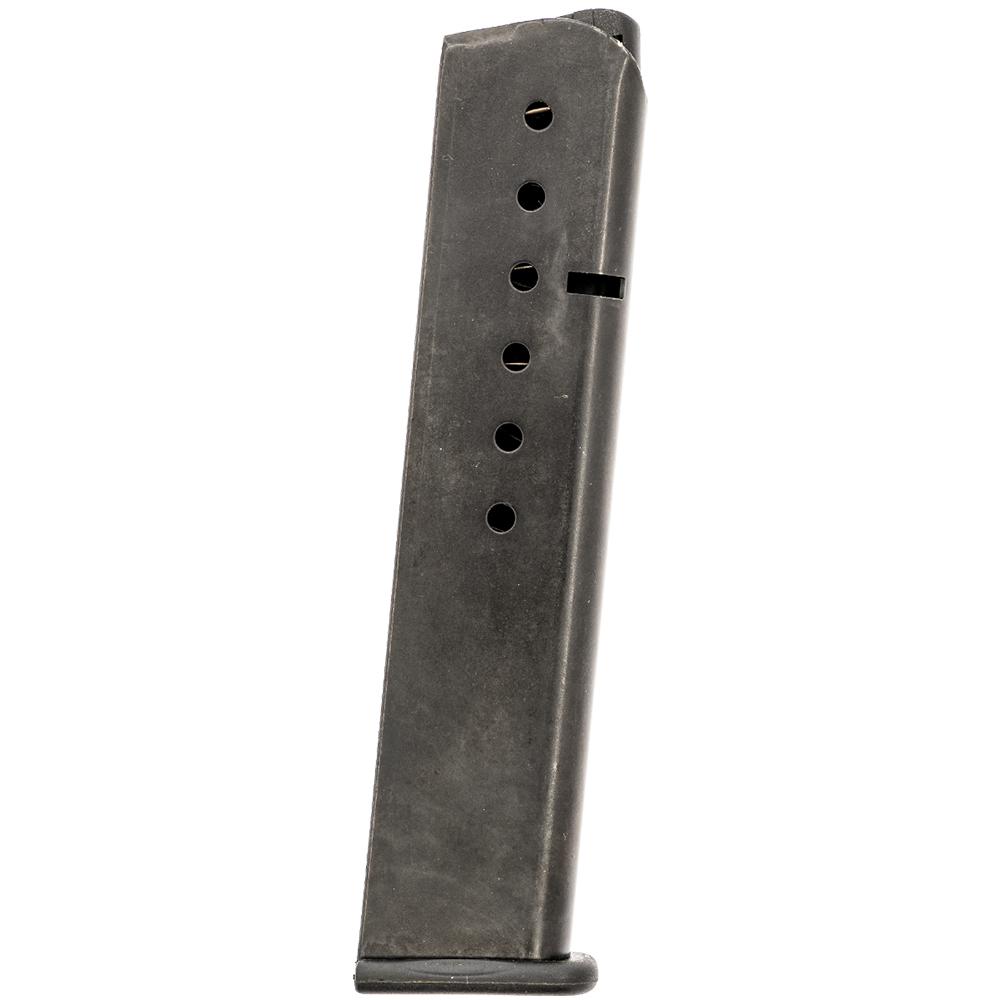
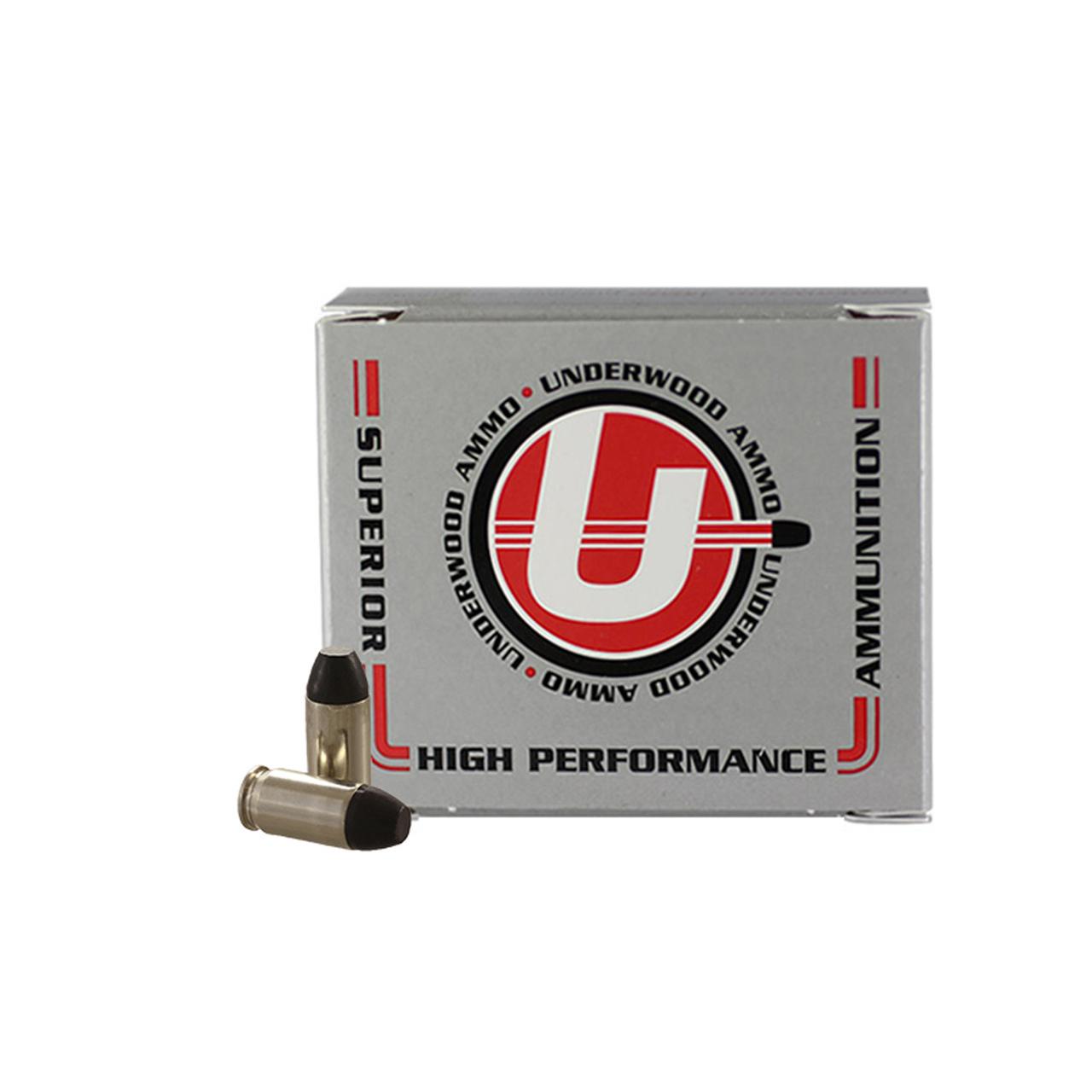
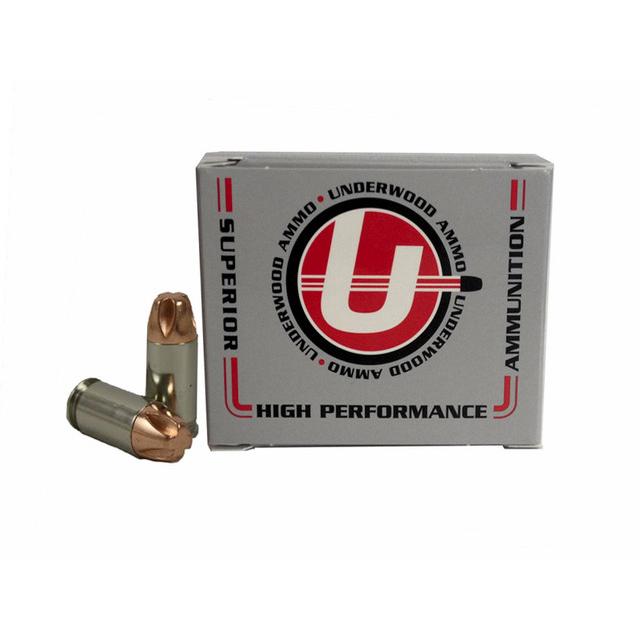
Smith & Wesson is now shipping the Bodyguard 2.0 with a Viridian RFX1 green dot already mounted from the factory, at $599 MSRP across three configurations. That price is close to the street cost of the bare pistol plus the $229 MSRP of the optic sold separately, so the buyer is paying roughly market value for the parts and getting the mounting labor, torque, and initial zero included.
The interesting part is not the bundle. It is what a factory-installed micro red dot does to the decision process for anyone shopping ultra-compact carry guns.
The pistol under the optic
The Bodyguard 2.0 is chambered in .380 Auto with a 2.75 inch barrel, an overall length of roughly 5.5 inches, a height near 4.2 inches, and a slide width under an inch. Unloaded weight sits in the 10 ounce range depending on configuration. It ships with two magazines in most versions, a flush 10 round and an extended 12 round, giving you 10+1 or 12+1 on board.
Those numbers explain both the appeal and the limits. A 2.75 inch barrel in .380 gives up velocity compared to a 3.5 or 4 inch pistol, which matters when you are selecting defensive ammunition. Common 90 to 100 grain .380 loads are engineered around short barrels, but not all of them are. If you carry this pistol, chronograph or at least research your chosen load in a sub-3 inch barrel and confirm the hollow point still opens at that velocity. A 95 grain load that expands reliably from a 3.75 inch barrel may behave like ball ammunition out of a 2.75 inch tube.
Why the optic matters on a gun this small
Iron sights on a micro pistol are working against physics. Sight radius on the Bodyguard 2.0 is short, the front post is small, and under stress the eye wants to stay on the threat rather than shifting focus to the front sight. A red dot removes that focal shift entirely.
The RFX1 runs a 3 MOA green dot and weighs 0.53 ounces. Green emitters generally read brighter to the human eye than red at equal output, which helps in daylight glare and against cluttered backgrounds. Battery life is rated at 30,000 hours on a CR1632, which is multiple years of continuous carry use. The unit uses ambient light sensing so the dot brightness tracks conditions without the shooter adjusting anything.
A 3 MOA dot covers about 3 inches at 100 yards and roughly a half inch at 15 yards. That is fine enough for precision on a small target and coarse enough to find quickly during a fast presentation. For a defensive pistol used inside 25 yards, 3 MOA is the sensible middle of the range. A 6 or 8 MOA dot acquires marginally faster but obscures more target at distance.
Mounting geometry is the real engineering story
Most micro optic installs on small pistols involve either a milled slide plus an adapter plate or a rear-sight dovetail mount. Every added interface is a place for the zero to shift. The RFX1 on this platform indexes directly to the slide with a tapered dovetail engagement designed to resist lateral movement, and the optic body follows the slide profile rather than sitting proud of it.
That last point has real consequences. A wide optic on a narrow slide creates a printing edge under a shirt and catches on cover garments during the draw. If the optic does not exceed the slide width, the pistol keeps the concealment advantage that justified buying a micro gun in the first place.
Three variants and what to pick
- TS (thumb safety): choose this if you pocket carry, appendix carry without a rigid holster mouth, or train on 1911 and similar manual-safety platforms.
- NTS (no thumb safety): fewer controls to manage under stress, best paired with a holster that fully covers the trigger guard.
- Compliant 10 round: for residents of jurisdictions with magazine capacity limits. Mechanically identical apart from magazine capacity.
Verify capacity and feature rules for your state before ordering. Our New York gun law guide and Virginia gun law guide cover the practical fitment questions buyers ask most often.
Ownership checklist for an optic-equipped carry gun
- Confirm zero at 10 and 25 yards with your actual carry ammunition, not range ball. Point of impact between a 90 grain and a 100 grain load can differ meaningfully at 25 yards from a short barrel.
- Check screw torque at 200 to 300 rounds, then at each cleaning interval. Even a well-executed factory install benefits from verification after break-in.
- Wipe the lens, do not scrub it. Pocket lint, sunscreen, and sweat residue are the most common causes of a dim or smeared dot in carry use.
- Dry fire with the dot weekly. The presentation that puts the dot in the window on the first try is a trained motion, not an automatic one. Budget two to three weeks of consistent dry practice before you consider the gun ready for daily carry.
- Holster fit. Buy a holster cut for an optic-equipped slide. A standard Bodyguard 2.0 holster may bind on the optic body.
Where a micro .380 fits and where it does not
This is a deep-concealment and secondary-gun platform. It disappears in a pocket holster or under a fitted shirt, and the recoil impulse of .380 in a 10 ounce gun is manageable for most shooters through a 100 round practice session. It is not a duty pistol, a home defense primary, or a class gun for a 1,200 round two-day course. Shooters who want a compact 9mm with a 3.1 to 3.7 inch barrel and 15 round capacity should shop that category instead.
If you are comparing optics across several carry pistols, our carry red dot buyer’s guide breaks down footprints, dot sizes, and mounting options, and our concealed carry readiness guide covers holsters, ammunition selection, and practice standards. You can browse current micro pistol red dot options in the shop.
What to decide before you buy
Answer three questions. Will you carry this gun in a pocket or on a belt, since that determines whether the thumb safety version is worth it. Will you commit to the dry fire reps required to find the dot consistently, because an optic you cannot index quickly is slower than iron sights. And does your ammunition of choice perform from a 2.75 inch barrel. If all three answers are clear, a factory-fitted, factory-zeroed package removes the installation risk that trips up most first-time red dot buyers.
FAQ
Yes, if you train with it. The short sight radius on a 2.75 inch barrel pistol limits accuracy past 10 yards, and a 3 MOA dot removes the focal shift between front sight and target. Expect tighter groups at 15 and 25 yards once zeroed.
It is rated at 30,000 hours on a CR1632, roughly several years of continuous carry. Replace it on a calendar schedule rather than waiting for the dot to dim.
TS has a manual thumb safety, NTS does not, and the Compliant model ships with 10 round magazines for capacity-restricted jurisdictions. Barrel, cartridge, and dimensions are otherwise identical.
Yes. Use a holster cut for the optic. A standard-fit holster can contact the sight body, which risks shifting zero and slows the draw.
3 MOA balances speed and precision inside 25 yards. Larger dots acquire slightly faster up close but obscure more of the target at distance.
Choose a defensive load tested in short barrels, typically 90 to 100 grain. Verify function through at least 100 rounds of your carry load before trusting it.
Was this useful?