
Brief
No-Drill Scope Mounts for M1 Garand and M1903
A buyer-focused look at no-drill scope mounts for M1 Garand and M1903 rifles, including fitment, .30-06 recoil, ring sizes, value, and use cases.
Shop this at BLVista
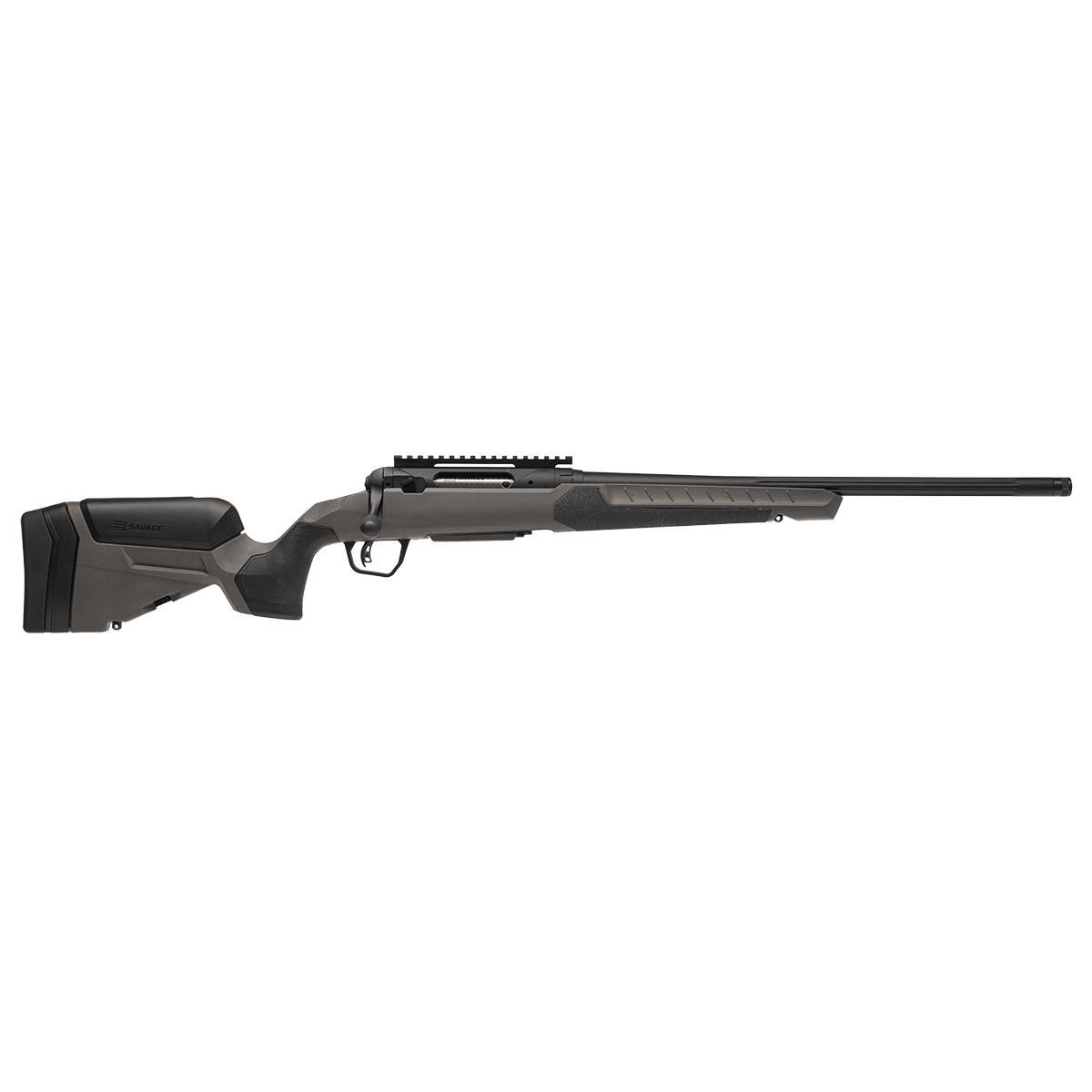 Savage 110 Core Hunter Rifle .30-06 Sprg 4rd Magazine 20" Threaded Barrel Flat Dark Gray Synthetic Stock
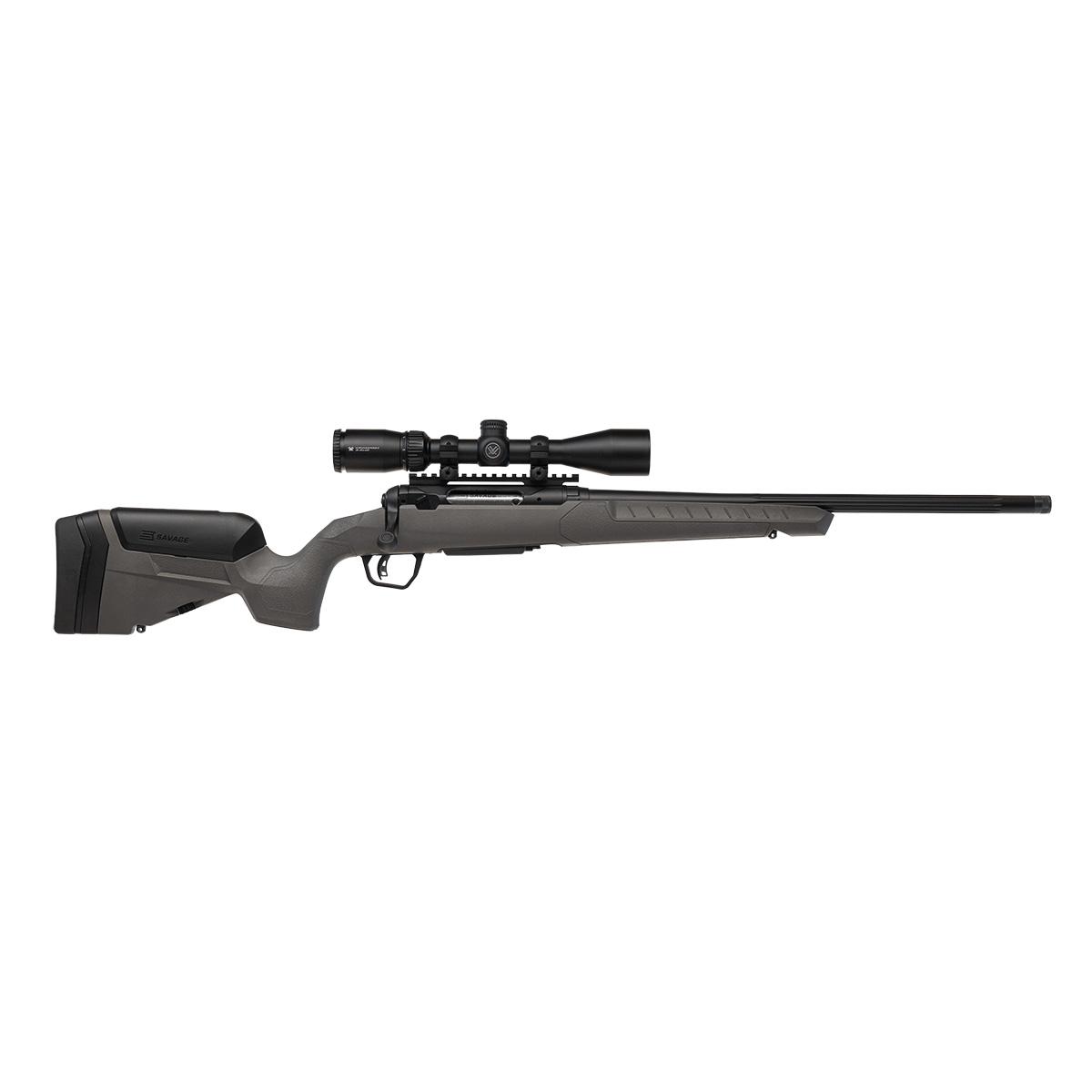 Savage 110 Trail Blazer XP Rifle 30-06 Sprg 4rd Capacity 20" Threaded Fluted Barrel Flat Dark Gray Stock w/Crossfire II 3-9x40
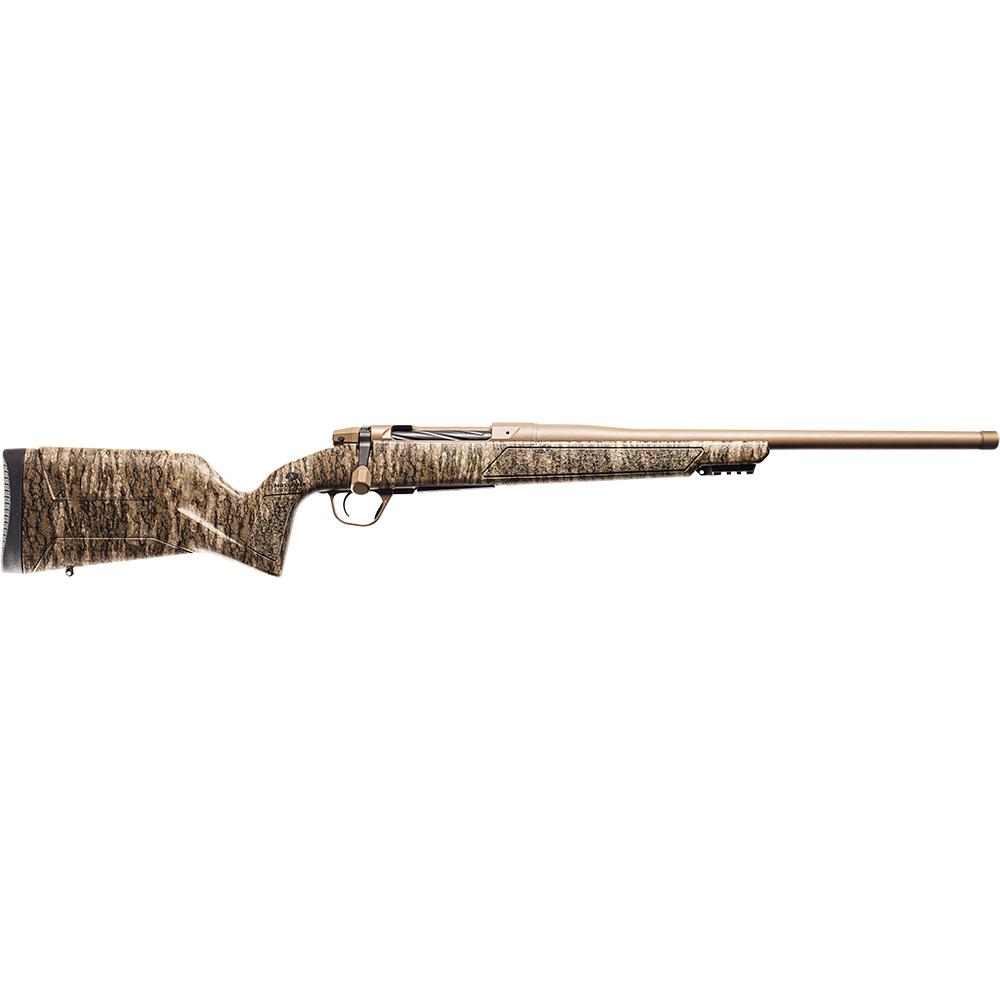 Christensen Evoke Rifle 30-06 Sprg 4rd Magazine 22" FDE Cerakote Barrel Mossy Oak Polymer Stock
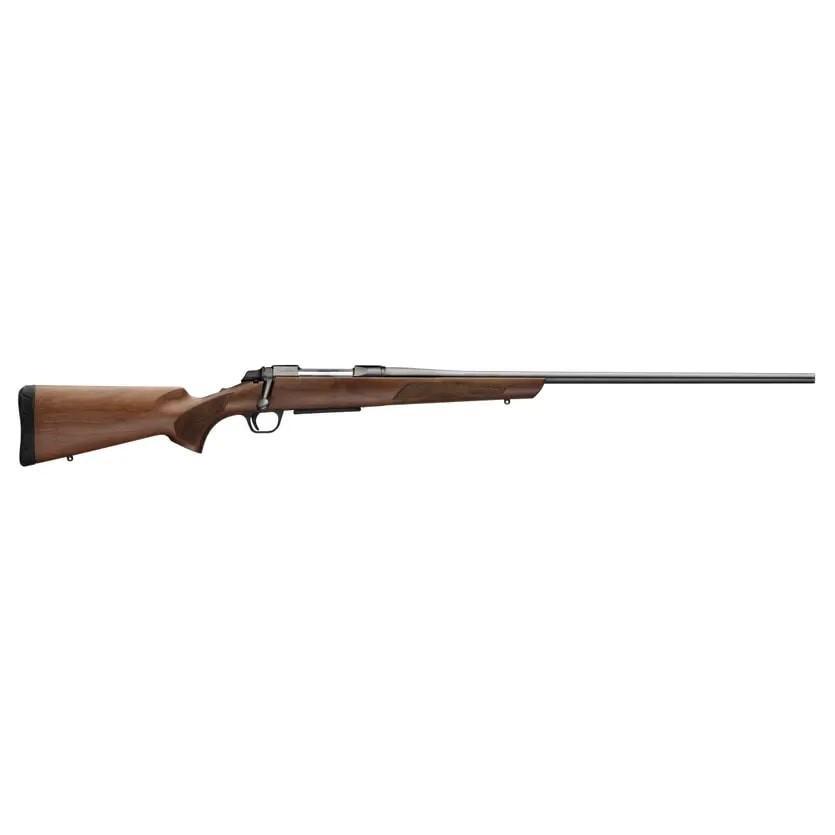 Browning AB3 Hunter Rifle 30-06 Sprg 5rd Magazine 22" Barrel Walnut
No-drill scope mounts solve a specific problem for owners of historic U.S. service rifles. The M1 Garand and M1903 Springfield were built around iron sights, full-power .30-06 Springfield ammunition, and military handling, not modern optic mounting. Adding glass to either rifle can improve target visibility and load testing, but permanent drilling can reduce collector value and alter the rifle in a way many owners later regret.
The current no-drill mount options for these rifles focus on reversible installation. The M1 Garand version replaces the rear sight assembly and offsets the optic to the left side of the receiver. The M1903 options attach at the original rear sight base location on the front receiver bridge area. One M1903 pattern is intended for long external-adjustment Unertl-style scopes, while another uses a reverse cantilever layout for more conventional tube scopes. Known figures include 1-inch and 26mm ring options on select models, a $250 price point for the M1 Garand mount, a $150 price point for the Unertl-style M1903 mount, and a $250 price point for the M1903 reverse cantilever version. Current availability was listed as backorder with an expected 3 to 4 week delivery window.
For BLVista readers, the larger question is simple: does a no-drill mount make the rifle more useful without creating new problems in reliability, handling, sight picture, maintenance, or long-term ownership?
Why the M1 Garand Needs an Offset Optic Mount
The M1 Garand is difficult to scope because its operating system and loading method demand open space above the receiver. The rifle feeds from an 8-round en bloc clip inserted from the top. A centerline optic over the action would interfere with loading and ejection. That is why the historical sniper variants used offset scope placement rather than a conventional receiver-top mount.
A typical M1 Garand has a 24-inch barrel, fires .30-06 Springfield, and weighs roughly in the 9.5-pound class before adding optics and accessories. Standard M2 Ball ammunition uses a 150-grain bullet at about 2,740 fps from a service-length barrel. That recoil impulse, combined with the rifle’s reciprocating operating rod and clip ejection, gives an optic mount more to manage than a mild rimfire or low-recoil sporting rifle.
The rear-sight replacement design makes sense because it uses an existing hard point on the rifle. It also preserves the receiver from drilling and tapping. The tradeoff is sight height and lateral offset. An optic mounted left of center can work well for slow-fire target work, vintage rifle matches where allowed, hunting from stable positions, and load evaluation. It asks more of the shooter during improvised field positions because cheek weld and head position differ from the original iron-sight stock geometry.
Before buying an M1 Garand no-drill mount, check these points:
- Clip clearance: The rifle must still accept and eject 8-round en bloc clips cleanly.
- Eye relief: Many traditional hunting scopes need consistent head position. Offset mounting can make this more sensitive.
- Ring diameter: 1-inch and 26mm rings support many older scopes, while most modern tactical optics use 30mm or 34mm tubes.
- Return to irons: Removing the mount should allow the rifle to return to its original rear sight setup without damaged parts.
- Fastener retention: Full-power .30-06 recoil rewards proper torque and thread locking where the manufacturer permits it.
If you are comparing optic options for range rifles or field rifles, BLVista’s rifle field optics guide can help narrow the choice by magnification range, reticle type, and mounting constraints.
M1903 Springfield Mounts Require Model Discipline
The M1903 Springfield is also a .30-06 Springfield service rifle with a 24-inch barrel, but its bolt-action layout creates different optic mounting issues. The original M1903 has a rear sight base mounted forward on the barrel or receiver area depending on configuration, while the M1903A3 moved to a receiver-mounted aperture sight. That difference matters. These mounts are intended for the original M1903 pattern, not the 1903A3.
Buying the wrong mount for a 1903A3 is an expensive fitment mistake. A no-drill system depends on existing attachment geometry. If the rifle lacks the proper leaf sight base, the mount has no correct anchor point. Before ordering, confirm the receiver marking, sight arrangement, and stock inletting. Many surplus rifles were rebuilt during service life, and mixed parts are common across military rifles that are now around a century old.
The Unertl-style mount is the more historically flavored option. Long external-adjustment scopes were used on early 20th-century precision rifles and later military sniper configurations. A common reproduction example is an 8X-style scope, which gives enough magnification for target identification and slow-fire precision without turning the rifle into a heavy modern bench gun. This mount’s listed price is $150.
The reverse cantilever M1903 mount is aimed at more conventional scope layouts. It attaches forward and extends rearward over the receiver. This can help place the optic closer to the shooter’s eye, but it also concentrates leverage over the attachment point. That makes material quality, clamp design, fastener engagement, and recoil resistance especially important. Select versions offer 1-inch or 26mm rings, which again favors traditional and vintage-diameter optics rather than current 30mm or 34mm tubes.
What No-Drill Mounts Preserve and What They Cost You
No-drill mounts appeal to owners who care about preserving a rifle’s historical condition. A clean M1 Garand or M1903 Springfield often carries value beyond its utility as a shooter. Original parts, correct machining, cartouches, finish, and period configuration all matter to collectors. Drilling a receiver for modern bases can permanently change that equation.
The cost of reversibility is compromise. A drilled and tapped mount on a commercial hunting rifle can be lower, more rigid, and easier to align with the bore. A no-drill mount has to work around existing military architecture. That can mean offset optics, higher sight lines, limited ring diameters, narrower optic choices, and more attention to screw tension over time.
For a shooter, the decision comes down to intended use:
- Collector-grade rifle: Favor reversible parts and keep the original sight components labeled and stored.
- Range rifle: Prioritize repeatable zero, ring alignment, and an optic with enough eye relief for .30-06 recoil.
- Hunting rifle: Confirm the mount remains secure after cold, rain, dust, sling pressure, and repeated loading cycles.
- Vintage match rifle: Read the match rules before installing glass, since optic type and mounting method may be restricted.
- Load development rifle: Use moderate magnification and a repeatable reticle so you can judge group changes between 150-grain, 168-grain, and 175-grain .30-06 loads where appropriate for your rifle.
BLVista shoppers looking for compatible optics and mounting hardware can start with rifle scope mounts or browse the broader BLVista shop for rifle optics, maintenance tools, storage gear, and range equipment.
Durability Questions Buyers Should Ask
The most important specifications are the ones many buyers overlook. Ring diameter is useful, but it does not tell the whole story. A serious buyer should look for the material, finish, fastener type, torque values, ring spacing, clamping surface area, and whether the mount has a mechanical recoil stop. If those figures are unpublished, ask before buying or treat the purchase as a range-use experiment until proven.
Steel adds strength and historical character, but it increases weight on rifles that already approach 9 pounds or more. Aluminum saves weight, but alloy grade and machining quality matter. Finish also matters. A rifle used in wet hunting conditions, dusty range bays, and transport cases will expose small hardware to sweat, solvent, condensation, and abrasion. Any mount on a .30-06 service rifle should be inspected after the first range session, then again after 50 to 100 rounds.
Use a simple ownership checklist:
- Confirm the rifle model before ordering, especially original M1903 versus 1903A3.
- Match the optic tube to the ring size, such as 1-inch or 26mm.
- Verify the optic clears the bolt handle, clip path, operating parts, and ejection path.
- Degrease screws and mating surfaces before installation unless instructions say otherwise.
- Use the specified torque value if provided. Avoid guessing on historic parts.
- Record zero at 100 yards and note any shift after disassembly.
- Store removed original sights in a labeled bag with the rifle’s serial number noted separately.
For M1 Garand owners, ammunition selection also matters. The rifle’s gas system was designed around service-pressure .30-06 loads, commonly represented by 150-grain M2 Ball. Heavy commercial hunting loads can increase operating rod stress in some rifles. If you plan to shoot modern .30-06 hunting ammunition through a Garand, understand the gas system and use equipment appropriate for that rifle.
What to Check Before You Buy
A no-drill optic mount is the right answer when preservation matters and the rifle will still be used. It is a poor fit for buyers who expect the same cheek weld, optic height, and accessory flexibility as a modern Picatinny-equipped bolt gun. The strongest use case is a shooter-grade M1 Garand or original M1903 Springfield where the owner wants better target visibility while keeping the rifle restorable.
Choose the M1 Garand offset rear-sight style mount if you need the receiver top clear for 8-round en bloc loading. Choose the M1903 Unertl-style mount if you want a period-correct precision look with a long external-adjustment optic. Choose the M1903 reverse cantilever mount if you want to use a more conventional 1-inch or 26mm tube scope on an original M1903. Skip these mounts for a 1903A3 unless the maker specifically lists that model as compatible.
The purchase should be judged by fitment, reversibility, optic compatibility, and repeatable zero. Price matters, with listed figures of $150 and $250 depending on configuration, but a lower-cost mount that loosens under .30-06 recoil or scars original parts is no bargain. Treat the mount, optic, ammunition, and rifle condition as one system. That approach reduces buyer risk and helps preserve rifles that still deserve careful use.
FAQ
Yes. A no-drill M1 Garand scope mount can replace the rear sight assembly and place the optic offset to the left side of the receiver, keeping the action clear for 8-round en bloc clips.
It depends on tube diameter, eye relief, and ring height. Listed options include 1-inch and 26mm rings, while many modern tactical optics use 30mm or 34mm tubes.
No. These M1903 mounts are intended for the original M1903 Springfield pattern with the correct leaf sight base, not the 1903A3 rear sight configuration.
A quality no-drill mount can work with .30-06 Springfield, but buyers should verify material, clamping method, torque guidance, and zero retention after live fire.
Moderate magnification usually fits best. Fixed 4X, fixed 6X, 8X vintage-style optics, or compact hunting scopes keep weight and cheek weld manageable.
A reversible no-drill mount is generally safer for collector value than drilling and tapping, provided original parts are saved and installation does not damage finish or sight bases.
Was this useful?