
Brief
Beretta APX A1 Ported Review After 700 Rounds
A hands-on look at the Beretta APX A1 Ported: 4.25 inch ported barrel, 21+1 capacity, 28.5 oz, 4 lb 4 oz trigger, and why ammo selection decides reliability.
Shop this at BLVista
Factory porting has moved from custom shop work to a shelf item, and the Beretta APX A1 Ported is one of the more aggressive attempts at putting that performance in a standard duty-size package. It is a full-size 9mm striker pistol with a 4.25 inch ported barrel, matching slide ports, a lightened recoil spring, oversized ambidextrous controls, and a 21 round magazine in the box alongside two 17 rounders. On paper it reads like a competition gun with a defensive résumé. In practice, it is a pistol that rewards shooters who are willing to do the ammunition homework.
The Numbers That Define the Platform
- Cartridge: 9mm Luger
- Capacity: 21+1 with the supplied extended magazine, 17+1 with the standard steel-bodied mags
- Barrel length: 4.25 inches, ported
- Overall length: 7.5 inches
- Height: 5.6 inches
- Width: 1.3 inches
- Weight: 28.5 ounces unloaded
- Trigger press: averaged 4 pounds 4.3 ounces on a digital gauge
- Optics ready with a factory plate system
- Street pricing typically lands in the high $500s against a $629 MSRP
Those dimensions matter more than they look. At 1.3 inches wide and 5.6 inches tall, this is a nightstand and range gun first, an appendix carry gun second. A 21 round magazine adds roughly an inch of grip length below the frame, which pushes it out of practical concealment for most builds unless you are running an outside the waistband rig under a jacket.
What Porting Actually Buys You
Cutting ports in the barrel and slide vents expanding gas upward, pushing the muzzle down against the natural rise of recoil. On a 28.5 ounce full-size 9mm the effect is measurable rather than dramatic at slow fire. Run a controlled pair or a five shot cadence and the difference shows up immediately. A red dot returns to the target window faster and with less horizontal drift, which is the whole point. If you shoot with a red dot, the tracking benefit compounds, and a 1 MOA dot in a large window makes the improvement easy to see. Our carry red dot buyer’s guide covers footprint compatibility and window sizing if you are pairing an optic to this platform.
The tradeoffs are real. Porting dumps gas and unburned powder upward, so low light shooting produces a brighter flash in your sight picture. Carbon builds up around the port cuts and on the top of the barrel faster than on a standard pistol. Plan on brushing the ports at every cleaning and expect the crown area to look rough well before it functions rough.
Reliability Is an Ammunition Question
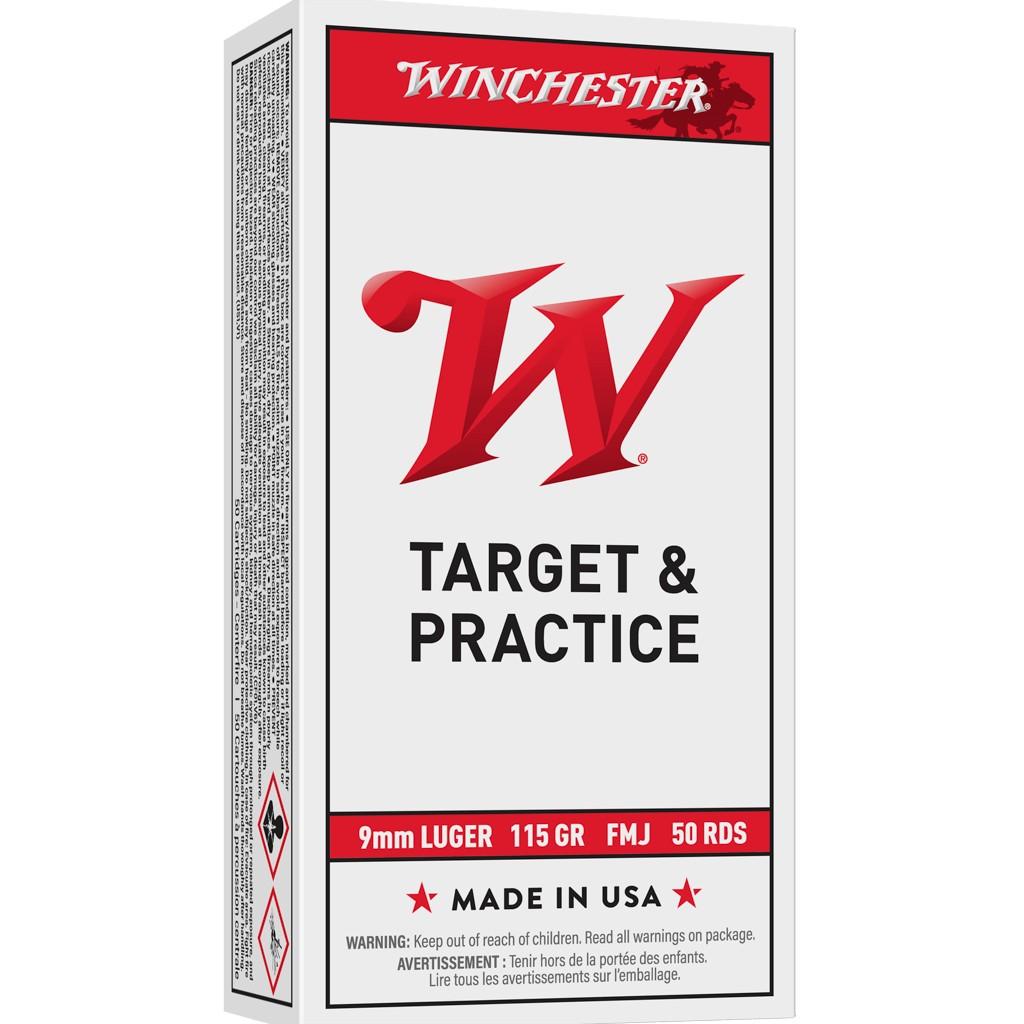
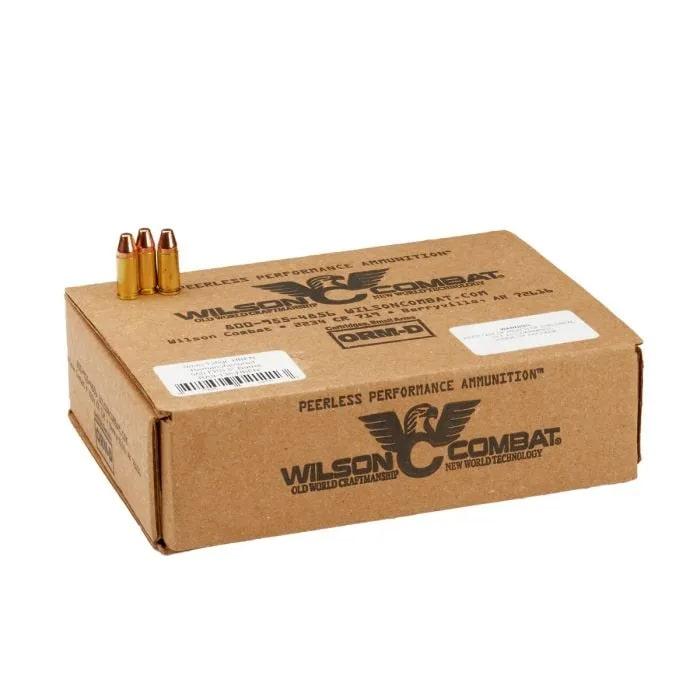
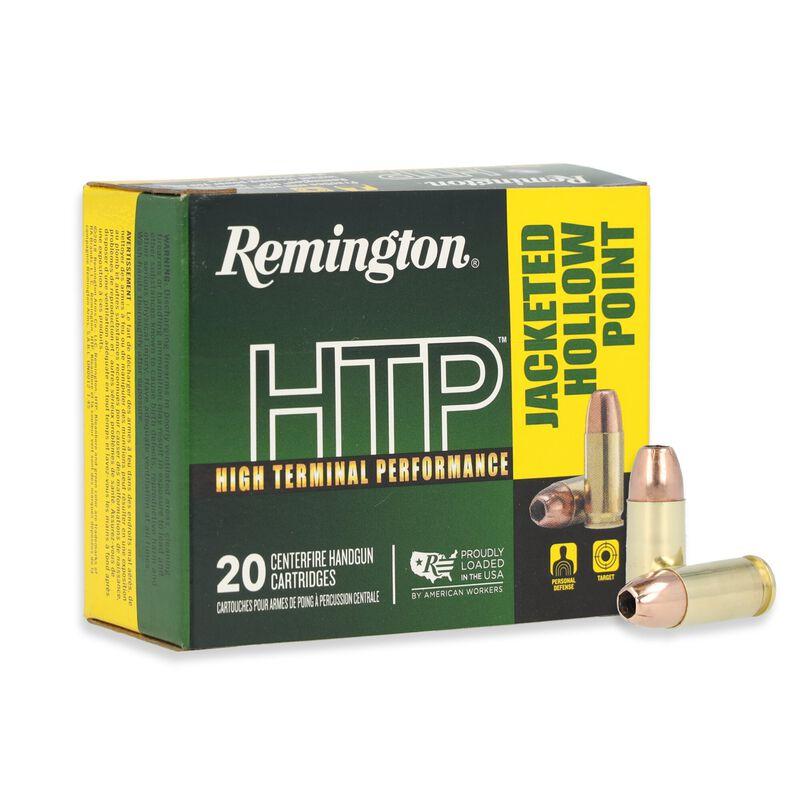
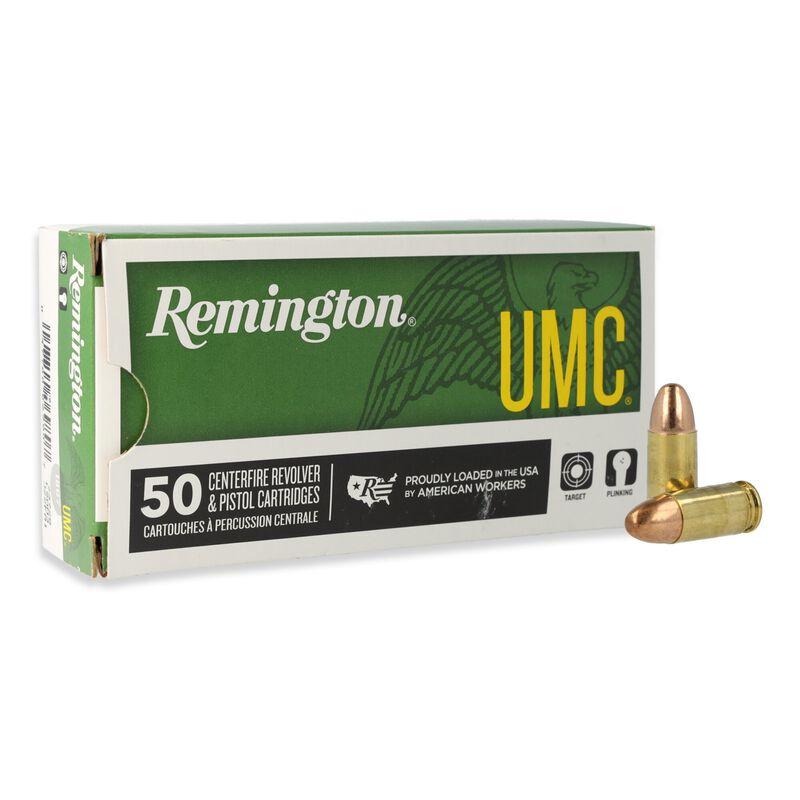
Across 700 rounds spanning six loads, the pattern was not tied to bullet weight. Some 115 grain FMJ ran clean for magazine after magazine. Other 115 grain FMJ produced stovepipes, a failure to feed, and repeated failures to lock back on an empty magazine. A 147 grain defensive load generated multiple double feeds in 100 rounds, while a different 147 grain hollow point cycled without complaint. The 21 round magazine also suffered a stuck follower that required disassembly with tools to clear. The 17 round steel-bodied magazines were consistent throughout.
This is what a lightened recoil spring combined with gas porting does to the timing window. Porting bleeds energy that would otherwise drive the slide, and the lighter spring is meant to compensate. When the load falls inside that narrow window, the gun runs beautifully. When it falls outside, slide velocity drops and the extraction and feeding cycle gets sloppy.
The practical takeaway is a testing protocol, not a rejection. Before you trust any ported pistol for defensive use, run at least 200 rounds of your intended practice ammunition and 100 rounds of your chosen defensive load without a single stoppage. Document what works, buy that load in quantity, and stop experimenting. If you do not want to do that work, a non-ported duty pistol is the more honest choice.
Accuracy and Handling
From a fixed rest at 7 yards, 10 shot groups averaged roughly 2 inches, with a best group of 0.89 inches and some vertical stringing across the sample. Individual load averages ran 1.73 inches for one 115 grain FMJ, 1.88 inches for a 124 grain FMJ, 1.93 inches for a 115 grain JHP, and 2.21 inches for another 115 grain load. That is adequate mechanical accuracy for a defensive pistol and consistent with the class.
Ergonomically the gun is strong. The front strap, backstrap, and side panels are textured without being abrasive against bare skin, the beavertail is deep enough to eliminate slide bite, and the trigger guard undercut supports a high grip. Two spare backstraps ship in the case. Slide serrations are aggressive front and rear. The trigger breaks at a defined wall with about a millimeter of travel and a short, audible reset.
One control deserves a warning. The reversible magazine release protrudes nearly a quarter inch from the grip. Holster selection is not optional here. A shell that presses on that button during reinsertion will unseat the magazine, and you will discover it on the draw. Choose a rigid kydex holster with verified clearance around the release, and function test it with a loaded magazine before you carry. Our concealed carry readiness guide walks through that verification process.
Maintenance, Storage, and Long Term Ownership
Field stripping requires pressing a button on the right side of the frame while rotating the takedown lever. On a new gun both are stiff, and it takes a few hundred rounds before the process stops being a two-hand wrestling match. Budget for a bronze brush and a dedicated solvent for the port cuts.
For storage, a ported barrel collects more residue, which holds moisture. If the gun lives in a safe in a humid climate, wipe the slide top and ports with a light corrosion inhibiting oil rather than leaving them dry. For transport to and from the range, the included lockable case satisfies most state requirements for an unloaded, cased handgun, though you should confirm your own jurisdiction’s rules on magazine capacity before traveling with the 21 round magazine.
Who This Pistol Fits
Use this checklist before buying any compensated or ported pistol:
- Will you commit to a 300 round ammunition qualification before trusting it?
- Do you shoot fast enough for the recoil benefit to matter, or is this a slow fire gun?
- Does your holster clear oversized controls?
- Can you source your preferred load in bulk and consistently?
- Will you shoot in low light, where port flash affects your sight picture?
Answer yes to all five and the APX A1 Ported makes sense as a home defense or competition pistol with real recoil control for around $579 to $629. Answer no to the first or the fourth and you are better served by a conventional full-size striker gun. Browse comparable full-size 9mm pistols and pistol optics at the BLVista store to compare against the platform directly.
What to Decide Before You Buy
Decide first whether you are buying a range and competition tool or a defensive gun. As a range gun, this pistol delivers exactly what the porting promises. As a defensive gun, it becomes trustworthy only after you have identified the loads it likes and bought enough of them to stop worrying. Make that decision before the purchase, not after the first stoppage.
FAQ
Reliability is load dependent. Across 700 rounds of mixed ammunition, some loads ran clean while others produced stovepipes, failures to feed, and failures to lock back. Run a 200 round practice ammo test and a 100 round defensive load test before trusting it.
It ships with one 21 round magazine and two 17 round magazines, giving 21+1 or 17+1 depending on which is loaded. Confirm your state’s magazine capacity rules before purchase or transport.
Yes, measurably. Porting vents gas upward to counter muzzle rise, which shortens optic dot return time during rapid strings. The tradeoffs are increased muzzle flash in low light, faster carbon buildup, and reduced slide energy that narrows the range of ammunition the gun cycles cleanly.
It is possible but demanding. At 7.5 inches long, 5.6 inches tall, and 28.5 ounces, it carries like a duty pistol. Use the 17 round magazines, a rigid holster with clearance around the oversized magazine release, and a supportive gun belt.
The pistol is optics ready and uses Beretta’s factory plate system. Confirm plate and footprint match for your specific red dot before ordering, and check plate fit in the slide cut before mounting.
Clean the port cuts at every session where you fire more than a box or two. Carbon accumulates around the vents faster than on a conventional barrel, and heavy buildup can affect gas behavior and make the slide top harder to clean later.
Was this useful?