
Brief
Pairing a Suppressor With the Right Subsonic Ammo: Practical Setups, Tradeoffs, and Reliability Checks
How to match suppressors and subsonic ammo for real reliability. Practical guidance for 9mm pistols, .300 Blackout, rimfire, and big bore setups.
Shop this at BLVista
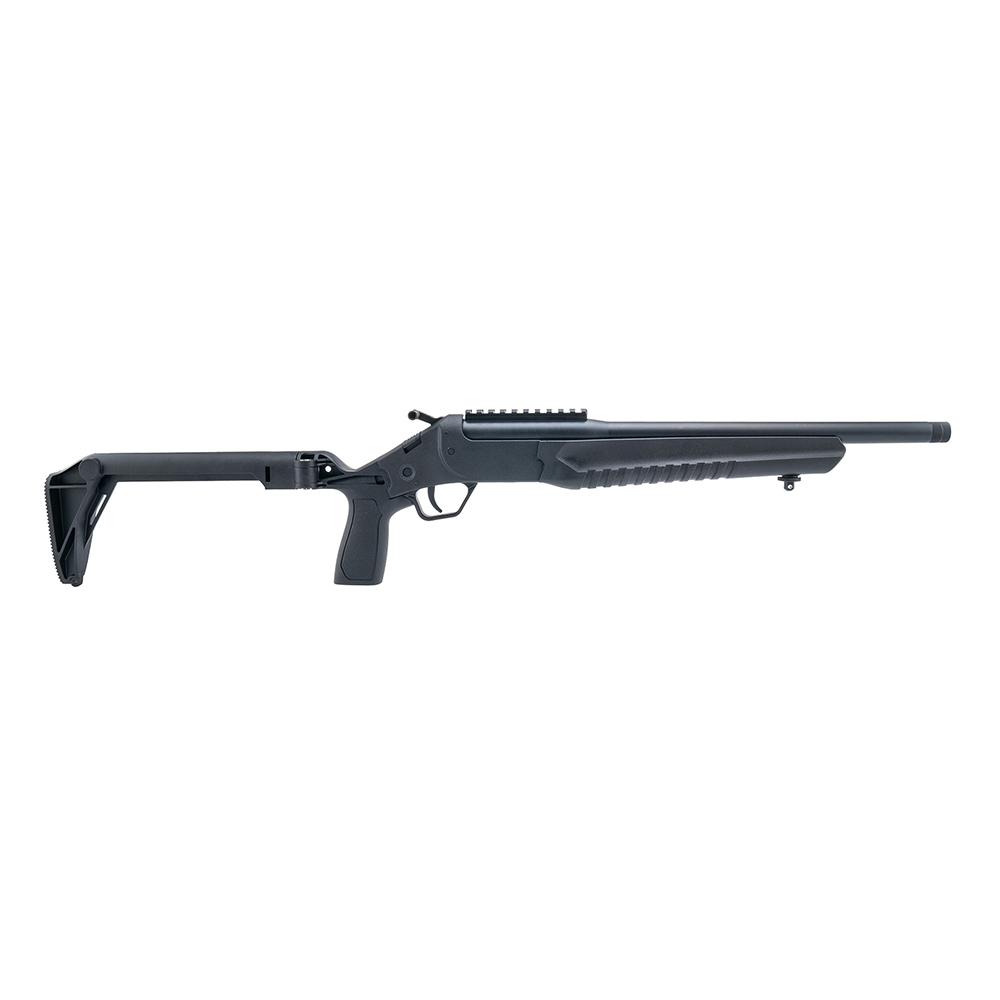 Rossi LWC Single Shot Rifle .300 Blackout 16.5" Barrel Black Finish Folding Stock
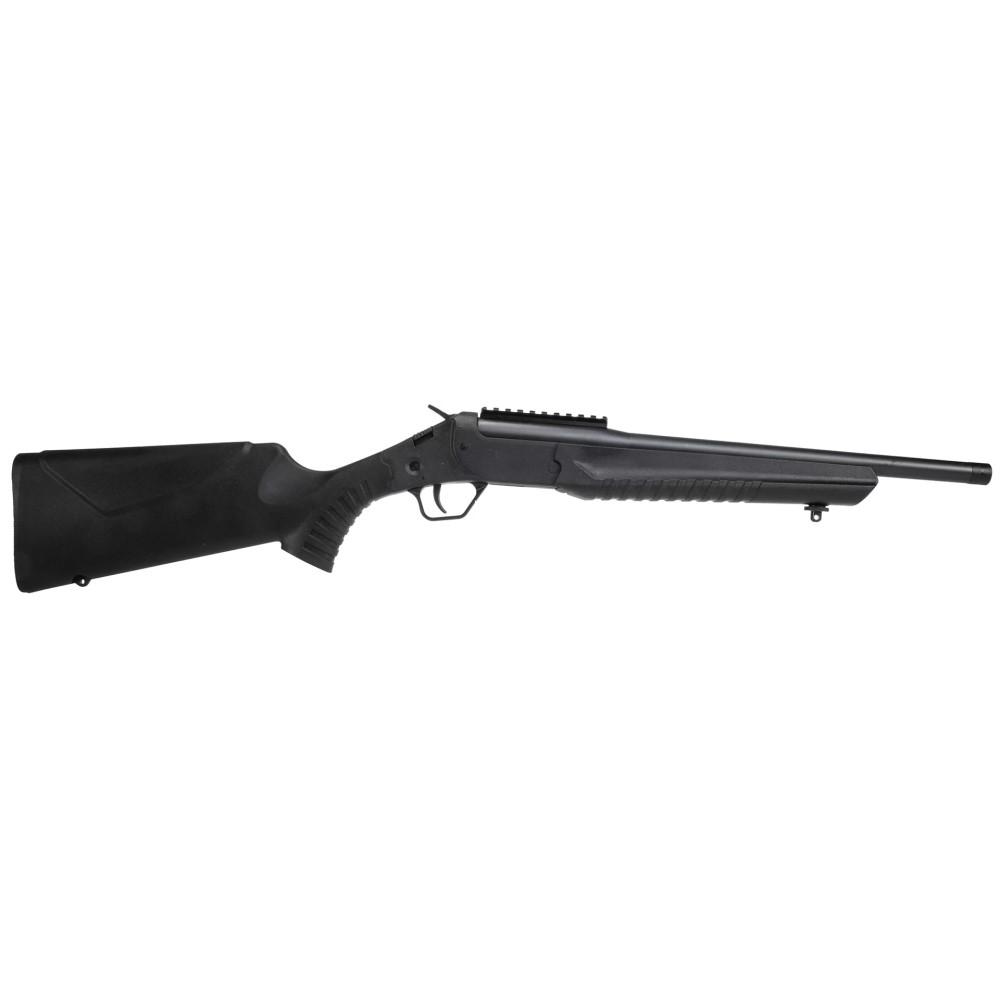 Rossi LWC Rifle .300 Blackout Single Shot 16.5" Barrel Black
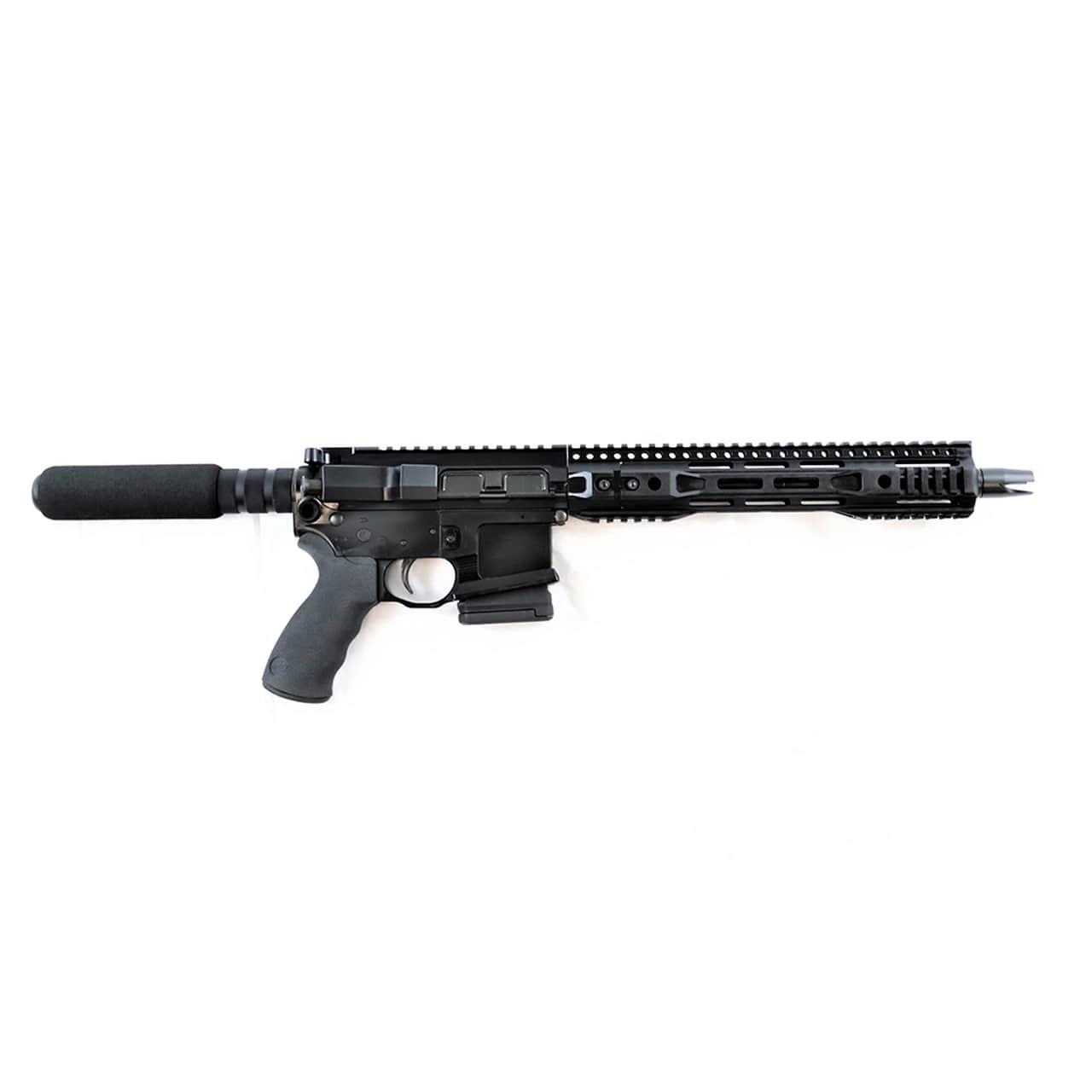 Franklin Armory CA11 Pistol .300 Blackout 10rd Magazine 11.5" Barrel Black CA Approved
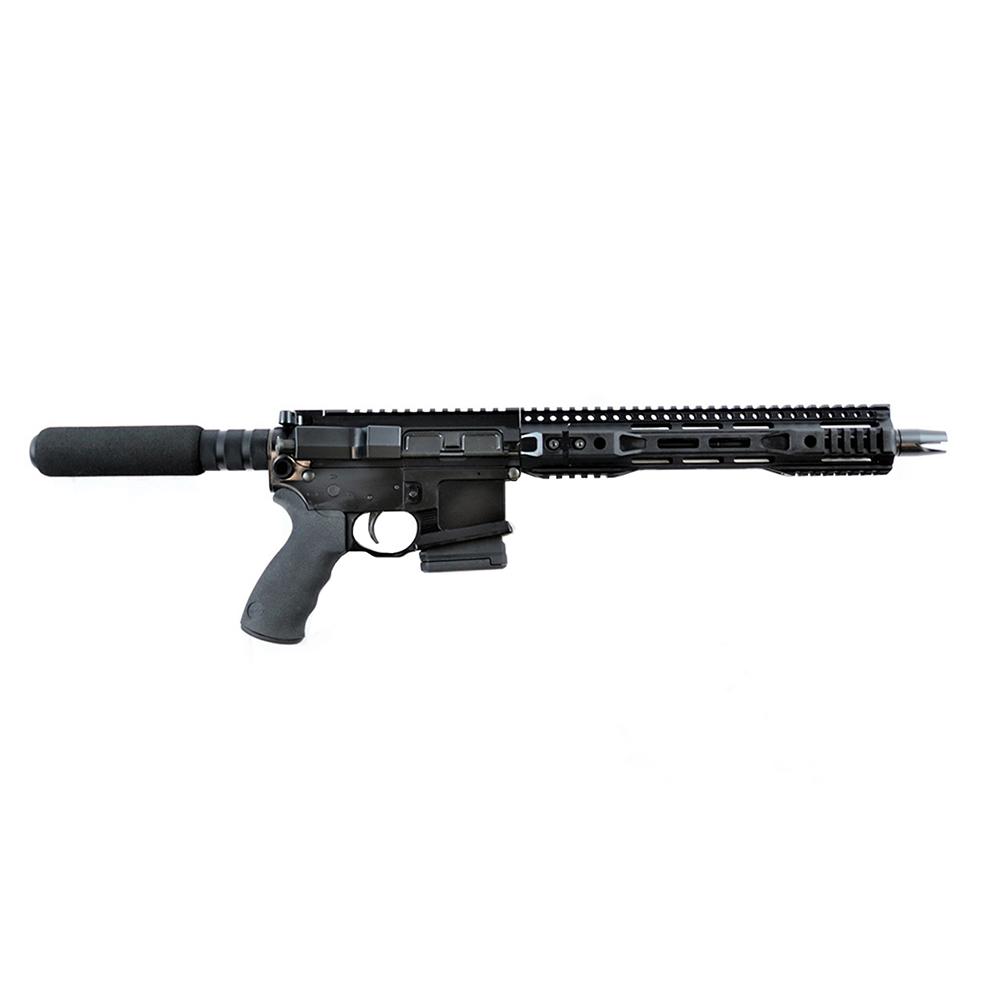 BLEMISHED Franklin Armory CA11 Pistol .300 Blackout 10rd Magazine 11.5" Barrel Black CA Approved
Start here
Suppressor Buying Guide
Read the guideUse this as the parent page for suppressor buyers who need one durable answer instead of chasing isolated product takes and regulatory headlines.
Use the evergreen guide first, then come back to this article for the narrower case or product angle.
Subsonic ammo and a good suppressor can turn loud range time into controlled, lower stress shooting. The big gain comes from eliminating the supersonic crack. That part is ammo dependent. The suppressor mainly manages muzzle blast, flash, and pressure. When both are matched correctly, you get less concussion, less fatigue, and better shot to shot control. For hunting, it also helps with follow up shots and reduces disturbance in tight timber or around structures. For training, it lets you run longer sessions with less cumulative noise exposure.
The catch is that subsonic performance is a system. Barrel length, action type, gas tuning, bullet weight, ambient temperature, and suppressor backpressure all change whether a load stays subsonic and whether the gun runs cleanly and reliably. If you want a suppressed setup you can trust for home defense, field carry, or match use, you need a repeatable way to select ammo and validate it in your specific gun.
Start With the Why: What You Actually Want From “Subsonic”
Most buyers chase “quiet,” but the useful outcomes are more specific:
- Hearing risk reduction: fewer high energy impulses, less blast reflection indoors and under cover.
- Better control: reduced muzzle rise and flinch for faster, more accurate strings.
- Lower signature: less flash and less disturbance in hunting or rural properties.
- Training efficiency: more reps with less fatigue and less neighbor or range friction.
Also set expectations. “Hearing safe” is situational. Meter numbers depend on test setup and location, and indoor use adds reflections that increase perceived blast. Treat suppressed fire as reduced risk, not zero risk. Use quality ear pro for extended range sessions and when shooting indoors or around hard surfaces.
A Simple Suppressed Subsonic Selection Framework
- Pick the host and role: pistol, PCC, SBR, bolt gun, hunting rifle, or rimfire trainer.
- Choose the ammo first when possible: subsonic is about velocity. Confirm bullet weight and typical published velocities.
- Match suppressor type to action behavior: pistols need a booster, gas guns may need tuning, rimfire needs serviceability.
- Confirm stability and function: accuracy, cycling, lockback, feeding, and no keyholing. Verify with your barrel twist.
- Manage ownership lifecycle: cleaning schedule, spare mounts, piston springs, and storage and transport practices.
9mm Pistol Subsonic Pairings: Reliable Cycling Beats Chasing the Last Decibel
For suppressed 9mm pistols, 147 grain loads remain the practical baseline. They tend to stay below the speed of sound in common pistol barrel lengths and usually provide enough recoil impulse to cycle a tilting barrel handgun with a suppressor attached.
What matters in real use
- Booster and piston compatibility: most Browning type pistols need a Nielsen device (booster) to cycle reliably. Buy the correct piston thread for your barrel and keep a spare spring.
- Mount security: pistol cans walk loose. Use the manufacturer’s guidance on lubrication and torque, and check tightness during strings.
- Load consistency: subsonic loads that hover near the threshold can go supersonic in hot weather or longer barrels, adding crack. Pick ammo with margin.
- Defensive reliability: if this is for home defense, test at least a few boxes of your chosen JHP with the suppressor mounted. Confirm feeding and slide lock on empty.
Quality 147 grain defensive loads like Federal HST 147 and Speer Gold Dot 147 are common starting points because they offer proven terminal performance and generally stable subsonic behavior. Specialized subsonic loads can be very quiet, but your priority should be function and repeatability across magazines.
Suppressor selection: compact 9mm suppressors often balance best on carry sized pistols. Weight matters more than most people expect. A lighter can reduces muzzle dip and improves tracking during drills. If you plan on any concealed use, overall length and snag risk matter more than chasing the last bit of sound reduction.
9mm suppressed checklist
- Threaded barrel concentricity verified (or confirmed by a reputable barrel maker)
- Correct piston thread installed
- Slide cycles and locks back with your subsonic load
- Point of impact shift confirmed at 7, 15, and 25 yards
- Spare piston spring and booster parts on hand
.300 Blackout: Designed for Subsonic, Still Easy to Get Wrong
.300 BLK earns its reputation because it supports heavy bullets at subsonic velocities while fitting in AR pattern magazines. The typical practical range for subsonic loads is 190 to 220 grain, with 220 being a common standard. In bolt guns it is straightforward. In ARs, it becomes a gas system and backpressure problem.
What matters in real use
- Gas tuning: some subsonic .300 BLK will not cycle certain ARs without an adjustable gas block, appropriate buffer weight, and sometimes a different spring.
- Barrel length: short barrels are common for .300 BLK. Velocity stays subsonic easily, but you still need enough dwell time and gas to run the action.
- Bullet design: heavy subsonic FMJ can pencil through. For hunting, choose purpose built expanding subsonic bullets and confirm performance at your actual impact velocities.
- Magazine and feeding: long OAL heavy bullets can be sensitive in some magazines. Verify feeding under rapid fire and from different positions.
For general use, mainstream subsonic loads like SIG 220 grain subsonic and Hornady offerings are widely available and consistent. Boutique hunting loads can offer better terminal performance on hogs and similar game, but you should treat them like a new component and validate function, accuracy, and point of impact shift before taking them into the field.
Suppressor selection: a dedicated 7.62 rifle suppressor typically outperforms an overbored .45 caliber can on .300 BLK. Overbore works, but you give up suppression efficiency. For a do everything .30 caliber rifle can, pay attention to mount system durability, repeatable return to zero, and whether the suppressor’s design drives extra gas back into the action. Backpressure affects blowback to the shooter, ejection pattern, and parts wear.
.300 BLK subsonic AR validation plan
- Confirm the gun cycles and locks back with your chosen subsonic load
- Confirm the gun cycles with a dirty chamber and warm suppressor
- Confirm zero shift suppressed vs unsuppressed and with the can hot
- Check for excessive gas to face and adjust gas and buffer accordingly
- Confirm hunting bullet expansion at realistic distances
.22 LR: The Most Practical Suppressed Training Tool You Can Own
Rimfire remains the easiest way to get real value from suppressed shooting. Much of standard velocity .22 LR sits at or below the speed of sound in many conditions, and when you combine that with a rimfire suppressor, you can create a low noise training setup that still supports high volume reps. That matters for new shooters, skill maintenance, and property friendly pest control where legal.
What matters in real use
- User serviceability: rimfire cans fill with lead and carbon. Plan on disassembly and cleaning. Avoid sealed rimfire suppressors unless you accept a short service life.
- Ammo cleanliness and consistency: rimfire is dirty by nature. Some loads foul faster. Your maintenance schedule depends on the ammo you buy.
- Host selection: a Ruger 10/22, CZ 457, or similar platform gives you durable aftermarket support and predictable accuracy.
- Subsonic specific loads: ultra quiet .22 can be very slow and may not cycle semi autos reliably. Bolt actions shine here.
For most owners, the smartest approach is standard velocity ammo for semi auto reliability and subsonic labeled ammo when you want peak quiet from a bolt gun. The real win is low cost skill building with less noise and recoil, which lets you focus on trigger control, sight management, and positional work.
.45 ACP and Big Bore Subsonic: Comfort, Control, and Practical Utility
.45 ACP is naturally subsonic in common 230 grain loads, making it an easy entry point for suppressed pistol caliber carbines and handguns. In a PCC, extra barrel length often reduces flash and softens the shooting impulse. It can be a comfortable, controllable setup for range use and some hunting or predator work where legal and appropriate.
What matters in real use
- Suppressor size and mounts: .45 suppressors are larger and heavier. On pistols, weight affects reliability and handling. On PCCs, weight is easier to manage.
- First round pop and gas: larger volume cans can have audible first round pop. Understand how your chosen suppressor behaves and whether it bothers you in your environment.
- Ammo availability: .45 ACP 230 FMJ and JHP are common. Pick loads that run reliably and group well in your gun.
For big bore rifle cartridges like .45-70 and .458 SOCOM, subsonic options exist and can be genuinely useful when you want heavy projectiles at modest velocities with reduced blast. The tradeoffs are trajectory and terminal performance variability. You must confirm stability with your barrel twist and confirm accuracy at your realistic distances. Bullet drop is significant. Range estimation becomes part of the system.
Suppressor selection: multi caliber big bore suppressors offer flexibility, especially if you own several hosts. The key decision is whether you want one suppressor that fits many roles, or dedicated cans that perform better per caliber. With multi caliber designs, pay attention to mount repeatability, baffle durability, and whether the manufacturer supports the use cases you plan to run, including barrel length restrictions and firing schedule guidance.
Ownership Reality: Maintenance, Storage, Transport, and Compliance
Suppressed shooting increases fouling. It also raises the importance of routine inspection because a small alignment issue can lead to baffle strikes.
- Cleaning: rimfire suppressors need regular disassembly and cleaning. Centerfire pistol cans accumulate carbon and can need periodic service depending on design. Rifle cans are often sealed, so maintenance focuses on mounts, threads, and keeping the interface clean.
- Mount care: keep mounting surfaces clean and lightly lubricated when appropriate. Replace consumable parts like O-rings and springs on schedule.
- Heat management: suppressors get hot fast. Use heat resistant pouches for transport and avoid stowing a hot suppressor against nylon gear or vehicle interiors.
- Storage: store dry. If you shoot in rain or snow, let the suppressor cool and dry before long term storage to reduce corrosion risk.
- Compliance: stay current on federal and state rules for suppressor possession, transport, and hunting use. Document your configuration and keep your paperwork accessible when traveling.
Putting It Together: Choose the Setup That Matches Your Actual Use
If you want one suppressed setup that delivers day to day value, rimfire is hard to beat. If you want a serious centerfire solution, 9mm pistols with 147 grain loads are a proven path when you prioritize reliability and handling. For hunting and duty style use, .300 BLK with a dedicated .30 caliber rifle suppressor can be extremely effective, provided you validate cycling and bullet performance. For comfort focused shooting and PCC use, .45 ACP offers naturally subsonic behavior with broad ammo availability.
Your best move is to pick one host, choose two loads, one for training and one for serious use, then validate function and point of impact shift with the suppressor mounted. That approach reduces consumer confusion and keeps your ownership experience grounded in real performance.
Related reading
For the broader picture, start with Suppressor Buying Guide.
- Suppressor Buying Guide – Use this as the parent page for suppressor buyers who need one durable answer instead of chasing isolated product takes and regulatory headlines.
- Ambient-Intake Suppressors: Cooler Cans, Clearer Glass, Better Real-World Pace
- Canik Void Suppressors: What the Line Offers and How to Choose the Right Can
- Do You Still Need Hearing Protection with a Suppressor? Practical Guidelines for Real Range and Field Use
Shop related gear
- Suppressors & Accessories – Browse mounts, muzzle devices, adapters, and other can-support gear.
- Ear Muffs – Keep hearing protection in the plan, especially for indoor lanes and higher-pressure setups.
- Barrels – Match thread pattern, barrel length, and host use before you commit to a suppressor setup.
- Tetra Gun Suppressor Cleaner Bath – A straightforward option for cleaning intervals when your setup runs dirty.
FAQ
Subsonic ammo stays below the speed of sound to prevent the ballistic crack. A suppressor reduces muzzle blast but cannot remove the supersonic crack, so subsonic ammunition is the key to the quietest practical suppressed setup.
Most 147gr 9mm loads stay subsonic in typical pistol barrels, but barrel length, temperature, and specific load data can push velocity above the sound barrier. Confirm with your host firearm and conditions.
Most tilting barrel 9mm pistols need a booster (Nielsen device) for reliable cycling with a suppressor. Fixed barrel hosts like many PCCs usually require a fixed barrel spacer instead.
Subsonic .300 BLK generates less gas energy, and many ARs require tuning with an adjustable gas block, buffer weight, and spring selection to achieve reliable cycling and last round bolt hold open. Load choice also affects pressure and function.
Most subsonic .300 BLK loads use 190 to 220 grain bullets. For hunting, choose bullets designed to expand at subsonic velocities and confirm accuracy and performance in your barrel at realistic distances.
Standard velocity .22 LR is often subsonic, but some combinations of ammo lot, barrel length, and warm temperatures can produce supersonic shots. Subsonic labeled .22 LR reduces that risk, and bolt actions provide the most consistent quiet results.
Rimfire suppressors foul quickly with lead and carbon. Many shooters clean every 300 to 1,000 rounds depending on ammo and suppressor design. Follow the manufacturer’s guidance to prevent baffle seizure and performance loss.
Yes, but you trade peak suppression and handling for flexibility. Match bore size when possible, use a durable mount system, and verify alignment on each host to reduce the risk of baffle strikes.
Confirm thread concentricity, ensure the mount is fully seated and tight, and verify alignment with an appropriate method for your platform. After changes, fire a short test string and inspect for end cap contact or unusual accuracy shifts.
Suppressed fire with subsonic ammo can significantly reduce indoor blast and hearing risk, but indoor reflections still make shots loud. Prioritize reliability, proven defensive ammunition, and safe storage, and treat suppression as risk reduction rather than complete hearing protection.
Was this useful?