
Brief
Binary Rifle Targets and Safer Range Use
Learn how binary rifle targets work, which cartridges activate them, safe distances, storage concerns, fire risk, and range gear considerations.
Shop this at BLVista
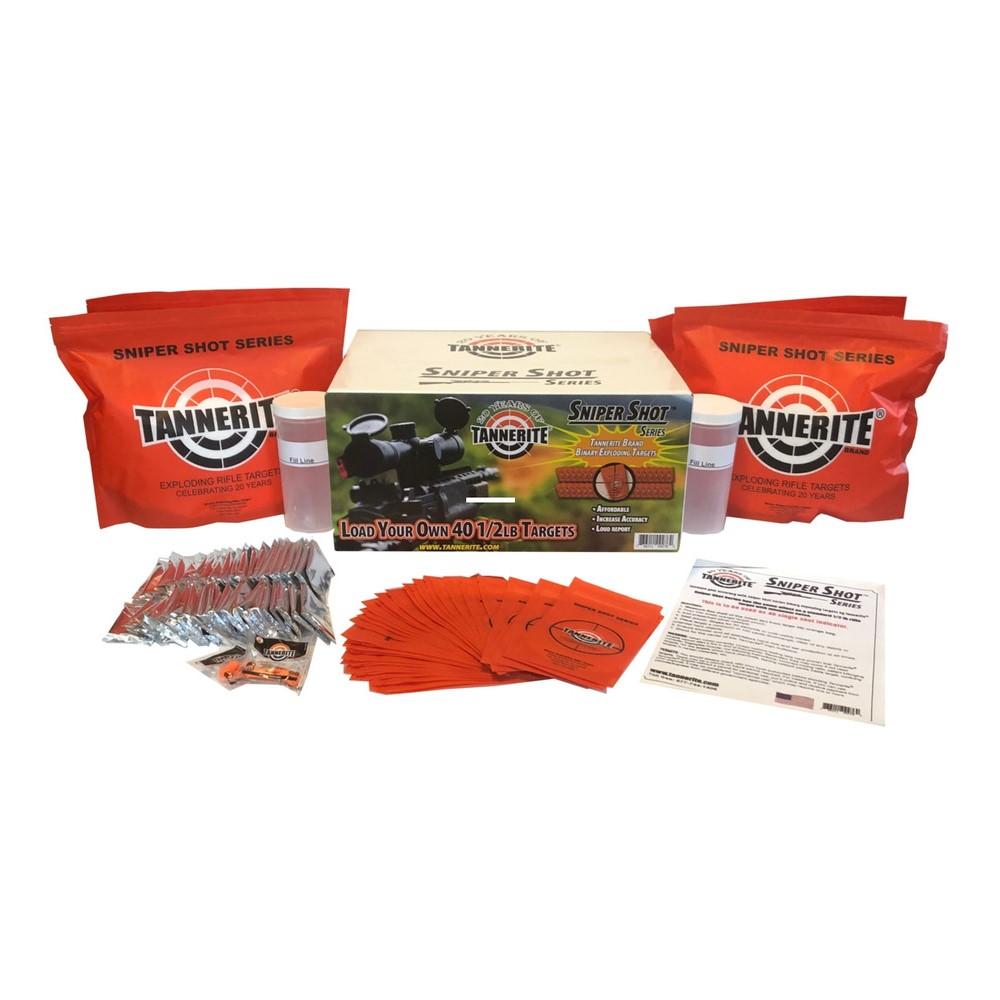
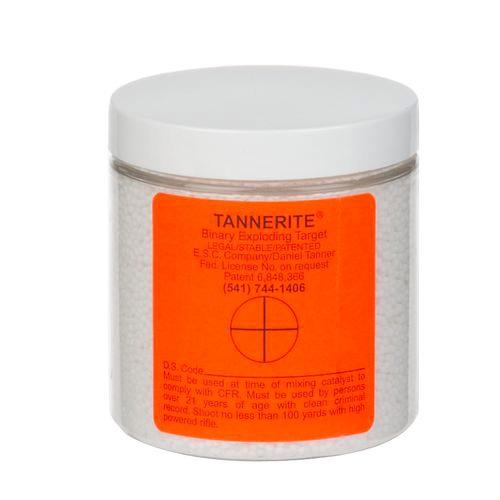
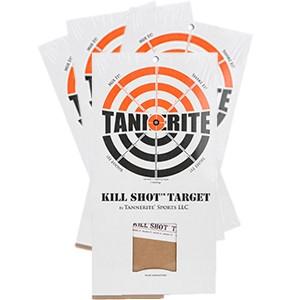
Binary rifle targets sit in a narrow lane between range entertainment and serious hazard management. They are sold as two separate components and become an explosive target only after the user combines them according to the product label. When used correctly, they give a loud, visible confirmation of a rifle hit. When used carelessly, they can throw fragments, start fires, damage property, and draw unwanted attention to otherwise responsible shooters.
For BLVista readers, the useful question is not whether these targets are fun. The better question is whether they fit your range, your cartridge, your land conditions, and your risk tolerance. A binary target belongs in the same decision process as steel targets, chronographs, shot timers, spotting scopes, and quality shooting ear protection. It is range equipment, and range equipment needs a plan.
What a binary rifle target actually does
A commercial binary target uses two separate packaged materials that remain comparatively stable while unmixed. Once mixed, the target is designed to detonate from a high velocity projectile impact. Most consumer binary rifle targets specify an impact velocity at or above 2,000 feet per second. That velocity threshold matters because it separates typical rifle use from most handgun and shotgun use.
A 55 grain .223 Remington or 5.56 NATO load from a 16 inch AR-15 carbine commonly has enough velocity to activate this type of target at normal range distances. A 123 grain 7.62×39 load from a 16 inch AK-pattern rifle also generally stays in the required velocity range at closer distances. A 150 grain .308 Winchester load from a 20 to 22 inch sporting rifle gives a stronger margin. By contrast, a 115 grain 9mm load from a 4 inch pistol is usually around the 1,100 to 1,200 fps class, and a 230 grain .45 ACP load from a 5 inch pistol is much slower. Standard buckshot, birdshot, and most slugs also lack the required velocity.
The threshold also explains why distance and barrel length matter. A 10.5 inch 5.56 NATO pistol-length firearm produces lower velocity than a 16 inch carbine using the same ammunition. At longer distances, every projectile slows down. If a target fails to activate, the cause may be insufficient impact velocity, poor shot placement, improper mixing, damp components, or an unsuitable cartridge. Treat any failed target as active material and follow the manufacturer’s disposal instructions rather than walking up immediately or trying to solve the issue with guesswork.
Useful specs to check before buying
Binary targets are often sold in small single-use containers such as 4 ounce, 1 pound, and larger sizes. More material produces a larger report and more blast effect. It also increases the danger area, the likelihood of disturbing neighbors, and the consequences of a mistake. For most recreational shooters, smaller targets are the more defensible choice.
- Impact velocity: Look for a listed requirement, commonly 2,000 fps or higher.
- Target size: 4 ounce targets are easier to manage than 1 pound targets for casual use.
- Container design: Factory containers with clear labels and sealed components reduce handling confusion.
- Storage packaging: Separate, dry, sealed components are easier to store safely than loose or damaged packaging.
- Use instructions: The label should clearly state approved firearms, minimum distances, mixing procedure, and disposal steps.
A simple buying rule works well: choose the smallest target that gives the hit confirmation you need. A long range shooter confirming impacts past several hundred yards may value a visible signature. A shooter working at 100 yards with a carbine does not need a large charge to know a bullet landed.
Distance, terrain, and target placement
Distance is the main safety control once a binary target is mixed. A common minimum guideline is 100 yards for any target weighing 4 ounces or more. For targets larger than 1 pound, 200 yards is a more appropriate baseline. Many experienced shooters avoid using more than 2 pounds in a single target because the added blast increases risk faster than it increases useful feedback.
Target placement deserves the same attention as firearm selection. Put the target directly against a safe backstop such as an established dirt berm. Avoid rocks, scrap metal, glass, appliances, vehicles, tools, lawn equipment, frozen ground, and anything that can become shrapnel. The blast may be brief, but fragments can travel with enough energy to cause severe injury.
Vegetation and weather matter. Dry grass, drought conditions, high wind, dead leaves, and public land fire restrictions should stop the plan before the first shot. A small ignition source can become a wildfire when the ground is ready to burn. Keep a shovel, water, and a fire extinguisher available on private land, and treat the target area like a potential ignition zone. Confirm state, local, range, and land management rules before purchase, transport, or use.
Cartridge compatibility in real range terms
The firearm has to deliver enough velocity at impact, not just at the muzzle. This is where shooters should think beyond caliber names.
- .223 Remington and 5.56 NATO: A 55 grain or 62 grain load from a 16 inch carbine is a common choice for short to moderate range activation.
- 7.62×39: A 123 grain load from a 16 inch rifle usually has enough close range velocity, with less margin as distance increases.
- .308 Winchester: A 150 grain or 168 grain load from a 20 to 22 inch rifle gives strong velocity and downrange energy.
- 6.5 Creedmoor: Common 120 to 143 grain match and hunting loads can work well at distance when impact velocity remains above the target’s requirement.
- 9mm, .40 S&W, and .45 ACP: Typical defensive pistol loads do not meet the velocity threshold.
- 12 gauge: Most buckshot, birdshot, and slug loads are too slow for reliable activation.
Do not assume a magnum handgun or rimfire varmint cartridge is approved. Some very fast rimfire loads, such as .17 HMR with 17 grain bullets often listed near the 2,500 fps class, may meet velocity on paper, but many binary target labels specify centerfire rifle use. The label controls the decision.
Hearing, concussion, and range etiquette
Binary targets produce a sharp blast in addition to rifle noise. A 5.56 NATO rifle can already exceed 160 dB at the muzzle. A binary target adds another impulse that can be uncomfortable even at distance. Double hearing protection is a smart choice: foam plugs under electronic muffs. If other shooters are present, announce the target before firing and make sure everyone has eye and ear protection in place.
Noise carries farther than many shooters expect. Rural property lines, livestock, horses, nearby homes, hikers, and hunting camps all matter. A range day that is safe from a ballistics standpoint can still create avoidable conflict if neighbors hear repeated explosions without warning.
If your goal is impact confirmation, compare binary targets against lower-risk alternatives. A painted steel plate gives repeatable feedback and can last years if matched to the cartridge and distance. A 10 inch or 12 inch AR500 rifle plate is common for centerfire use when set at proper distance and angled safely. A hit indicator, spotting scope, or rangefinder may solve the same problem with less cleanup and less noise. For structured range days, BLVista’s range and match loadout guide can help you build a safer equipment plan.
Transport, storage, and ownership lifecycle
Unmixed components should stay in their original containers, dry, cool, sealed, and separated from children, pets, ignition sources, and food storage areas. A locked cabinet or dedicated range gear box is better than a loose shelf in a garage. Moisture can damage packaging and create uncertainty about performance, so inspect containers before packing them for a trip.
Do not transport mixed binary target material. Mix only at the shooting location, only in the amount you intend to use, and only shortly before placing it downrange. If weather changes, the range becomes crowded, or the landowner changes the plan, keep the components separate and save them for another day.
Cleanup is part of ownership. Remove empty containers, lids, packaging, cardboard, and any other debris. Do not leave unmixed or mixed material on the ground. A responsible shooter leaves the site cleaner than he found it, especially on private land shared with hunters, livestock, or family members.
A field checklist before you set one downrange
- Use a rifle cartridge that meets the listed impact velocity requirement.
- Start with a 4 ounce target before considering larger sizes.
- Place 4 ounce and larger targets at least 100 yards away.
- Use 200 yards or more for targets larger than 1 pound.
- Avoid using more than 2 pounds in a single target.
- Set the target against a dirt backstop with no hard objects nearby.
- Skip use during dry, windy, or high fire risk conditions.
- Wear eye protection and double hearing protection.
- Notify other shooters before firing.
- Pack out every container and all debris.
Decide Whether Binary Targets Fit Your Range Plan
Binary rifle targets can be useful for long range hit confirmation and occasional recreational shooting, but they ask more from the shooter than paper, clay, or steel. The decision should be based on cartridge velocity, target weight, distance, fire risk, terrain, storage discipline, and the people around you. If any part of that plan is uncertain, choose a simpler target system.
BLVista’s role is to help shooters reduce purchase risk and avoid gear confusion. If you are building a range kit, start with dependable eye protection, electronic muffs, a stable target stand, a rangefinder, and proven rifle ammunition before adding specialty targets. You can browse general rifle target equipment and build a setup that supports safe, repeatable range time.
FAQ
Most consumer binary rifle targets require a projectile impact velocity of at least 2,000 feet per second. Common .223 Remington, 5.56 NATO, 7.62x39, .308 Winchester, and 6.5 Creedmoor rifle loads often meet that requirement at reasonable distances, depending on barrel length and ammunition.
Typical 9mm handgun loads and most 12 gauge buckshot, birdshot, and slug loads do not have enough velocity to activate standard binary rifle targets. A 115 grain 9mm load from a 4 inch barrel usually runs far below the 2,000 fps class.
A common minimum is 100 yards for targets weighing 4 ounces or more. For targets larger than 1 pound, use at least 200 yards. More distance is sensible when terrain is rocky, visibility is limited, or multiple shooters are present.
A 4 ounce target is the better starting point for most recreational shooters. It gives clear impact feedback with less blast than 1 pound or larger targets. Avoid stacking targets or combining containers to create a larger charge.
Yes. Binary targets can ignite dry grass, brush, or debris, especially during hot, windy, or drought conditions. Do not use them when fire danger is elevated, and keep water, a shovel, and a fire extinguisher available on private land.
Bring eye protection, foam earplugs, electronic muffs, a rangefinder, stable rifle support, a fire extinguisher, water, a shovel, and trash bags for cleanup. BLVista recommends treating binary targets as specialty range equipment rather than casual throw-in gear.
Was this useful?