
Brief
HK VP9CC Sizes Down the VP9 for Everyday Carry
An analytical look at the HK VP9CC micro-compact 9mm, how it compares to the CC9 and VP9SK, plus barrel length, ammo velocity, optics, and carry tradeoffs.
Shop this at BLVista
Heckler & Koch has spent more than a decade refining the VP9 platform, and the newest branch of that family pushes the design into the micro-compact class. The VP9CC carries a familiar name, a familiar striker-fired trigger lineage, and a familiar German manufacturing pedigree, but it lands in a very different role than the duty-size pistol that started the line. Understanding that role is the whole point of this article, because micro-compact pistols live or die on fitment, concealment, and how they behave after a few thousand rounds rather than on brand loyalty.
Where the VP9CC sits inside the VP9 family
To judge a downsized pistol, you need the reference points it was shrunk from. The standard VP9 runs a 4.09 inch barrel, weighs roughly 25.6 ounces unloaded, and carries 17+1 rounds of 9mm in its standard magazine. The VP9SK trimmed that to a 3.39 inch barrel with 10, 13, and 15 round magazine options. The VP9 Tactical stretches back out to a 4.57 inch threaded barrel cut 1/2×28, the standard pitch for 9mm cans in the United States.
The VP9CC moves further down that ladder into the slim micro-compact category that has dominated concealed carry sales since 2019. That class generally means a barrel in the 3.1 to 3.5 inch range, a slide width near one inch, and an overall height low enough to hide under an untucked shirt. Confirm the exact published dimensions and magazine capacity against Heckler & Koch published specifications before you buy a holster, because a tenth of an inch in slide width or a quarter inch in grip length changes which holsters fit.
VP9CC versus CC9, in buyer terms
The CC9 was HK’s first purpose-built slim carry gun rather than a shrunken duty pistol, and it uses a 3.54 inch barrel. The VP9CC approaches the same mission from the opposite direction by carrying VP9 ergonomics and control layout into a smaller envelope. That difference matters in ways spec sheets do not show:
- Trigger feel. VP9-family triggers are known for a short, defined reset and a break in the neighborhood of 5.5 pounds. If you already train on a VP9 or VP9SK, a VP9CC keeps that muscle memory intact.
- Control familiarity. Ambidextrous slide releases and paddle-style magazine releases have been VP9 signatures. Shooters who run a VP9 at the range gain real transfer value.
- Grip geometry. A purpose-designed slim carry frame usually wins on concealment. A shrunken duty frame usually wins on recoil control and hand filling. Decide which problem you actually have.
- Magazine commitment. Micro-compact magazines are not cross-compatible between platforms. Whichever you choose, budget for five to seven magazines over the life of the gun.
What a 3-inch class barrel does to your ammunition
Velocity loss is the honest tradeoff of micro-compacts. A 115 grain 9mm load advertised near 1,150 feet per second from a 4 inch test barrel typically gives up somewhere between 50 and 100 feet per second in a 3.1 to 3.4 inch barrel. Many 124 grain defensive loads land close to 1,050 to 1,100 fps from full size guns and dip into the 975 to 1,050 range from short barrels. Heavier 147 grain subsonic loads at roughly 900 to 990 fps lose less percentage-wise and often produce a softer push, which is why they remain popular in small guns.
The practical rule is simple. Choose a defensive load validated for short barrel expansion, then verify it in your own pistol across at least 100 rounds for feeding and 50 rounds for point of impact. Do not assume a load that ran flawlessly in a 4 inch gun behaves identically in a pistol two thirds that length.
Optics, sights, and the mounting question
Any serious micro-compact purchase in 2026 should account for a red dot. Slim carry slides almost universally use the small Shield RMSc pattern footprint, which covers a wide selection of enclosed and open emitter carry dots weighing roughly 1 to 1.5 ounces. Two things decide whether that setup survives daily carry: whether the slide is milled directly or uses an adapter plate, and whether the iron sights sit high enough to co-witness. Direct milling keeps the optic lower and reduces stacked tolerances. If you are still deciding on a sighting system, our carry red dot buyer’s guide breaks down window size, dot intensity, and mounting patterns in more detail.
A five-point checklist for micro-compact selection
- Concealment test first. Measure grip length against your torso, not the barrel. Grip length is what prints.
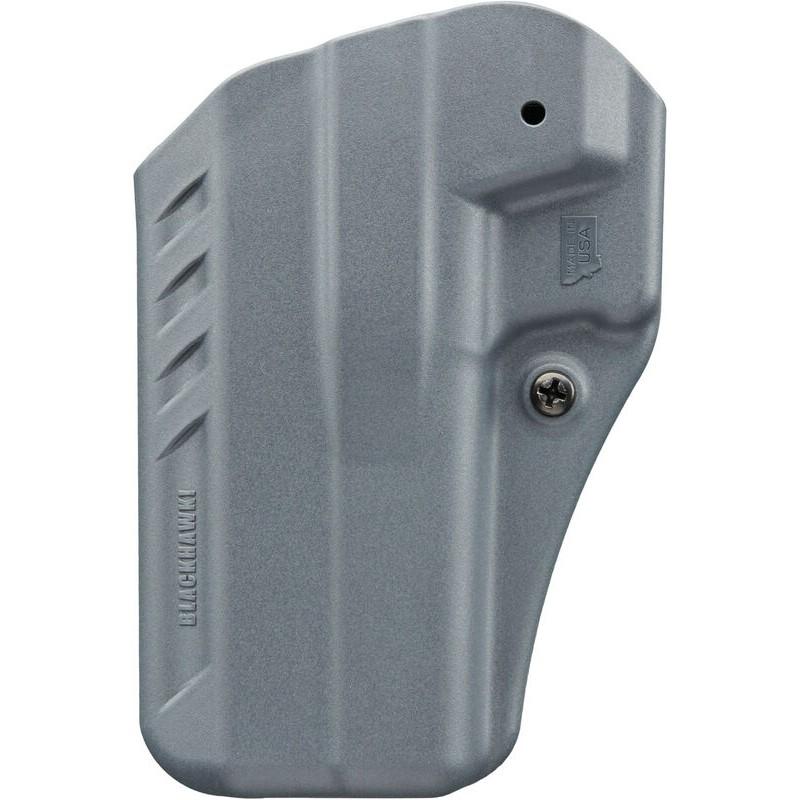
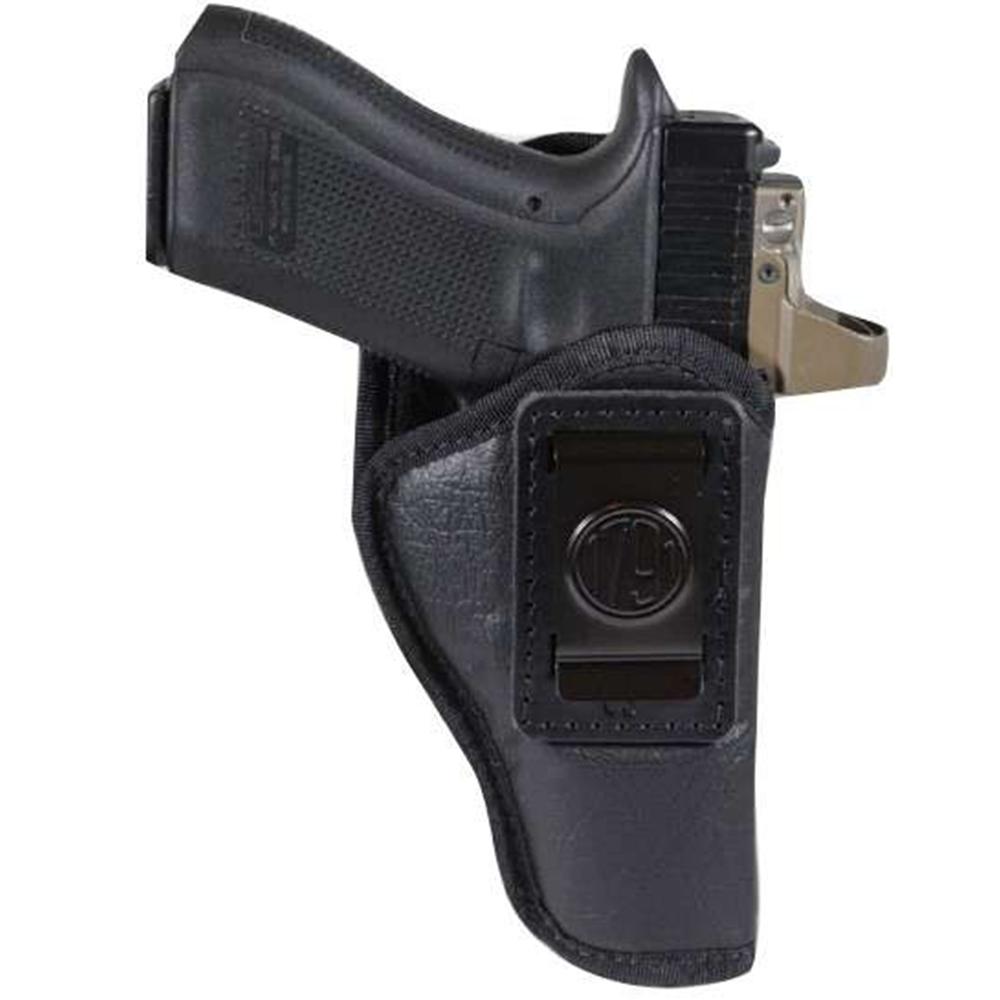
- Holster availability. A pistol with three holster options and no light-bearing models is a compromise you will feel in six months.
- Maintenance access. Check how easily the recoil assembly comes apart. Short recoil springs work harder and generally deserve replacement every 3,000 to 5,000 rounds.
- Corrosion resistance. Carry guns live against skin. Nitrided slides and stainless or coated internals hold up far better through humid summers than bare-finished parts.
- Training cost. If the pistol is uncomfortable past 150 rounds, you will train less with it. That is a performance spec, not a comfort preference.
Ownership, storage, and transport realities
Micro-compacts accumulate more carry hours than range hours, which changes the maintenance picture. Lint packs into the striker channel and around the extractor. Plan on a detail cleaning every 90 days for a daily carry gun even if round count is low, and wipe the slide rails with a light film of lubricant rather than a heavy coat that attracts debris. Rotate carry ammunition annually, since repeated chambering of the same cartridge can set back a bullet enough to raise pressure.
Storage and transport deserve the same attention. A locked container in a vehicle, a properly sized safe at home, and awareness of transport requirements when crossing state lines are baseline practices. Carry permit reciprocity and magazine capacity limits vary, and those limits often dictate whether you run a flush 10 round magazine or a higher-capacity extended option. Readers building a complete carry setup should also review our concealed carry readiness guide for belt, holster, and training progression recommendations, and browse available micro-compact 9mm pistols to compare what is actually in stock.
How to decide your next step
If you already shoot a VP9 or VP9SK and want the same trigger and control layout in a smaller package, the VP9CC is the logical addition to your safe. If you are starting fresh and concealment is the dominant priority, compare it side by side with the CC9 and other slim 9mm carry guns with a focus on grip length, magazine capacity, and optic mounting method rather than brand history. Handle both, dry fire both, and confirm holster support before committing. Then buy magazines, a quality belt, and ammunition for at least two live-fire sessions in the same order you buy the pistol.
FAQ
It suits shooters who value a refined striker-fired trigger and consistent control layout. New shooters should expect more felt recoil than a compact pistol, since micro-compact 9mm guns typically weigh in the low 20 ounce range unloaded.
The CC9 uses a 3.54 inch barrel and was designed from the start as a slim carry pistol. The VP9CC brings VP9 ergonomics and trigger behavior into a smaller package. Choose the CC9 for maximum concealment and the VP9CC for platform familiarity.
Choose defensive loads tested in 3 to 3.5 inch barrels. Both 124 grain and 147 grain loads work well, with 147 grain subsonic options generally running near 900 to 990 fps and producing a softer recoil impulse.
Optics-ready slim carry pistols generally use the Shield RMSc pattern footprint. Verify whether the slide is directly milled or uses an adapter plate, and confirm sight height for co-witness.
Detail clean a daily carry pistol about every 90 days regardless of round count, replace recoil springs every 3,000 to 5,000 rounds in short-barrel guns, and rotate carry ammunition annually.
Yes. Some jurisdictions cap magazine capacity, which often means carrying a flush-fit 10 round magazine instead of an extended option. Confirm local rules before buying spares.
Was this useful?