
Brief
Girsan Witness2311 XXX Series Packs 16+1 Into a 3.4-Inch 1911
Specs, tradeoffs, and carry selection criteria for the Witness2311 CMX XXX and SC9 XXX: 3.4-inch barrel, 16+1 in 9mm, 20 ounces, RMSc optic cut, $599 to $899.
Shop this at BLVista
The double-stack 1911 has spent the last several years growing in every direction except the one that matters most for daily carry. Wide grips, 5-inch slides, and 40-plus ounce loaded weights make sense on a competition belt and much less sense under a t-shirt in August. The Witness2311 XXX Series from EAA and Girsan attacks that problem from the grip module outward, and the resulting numbers are worth studying before you decide whether this platform belongs in your rotation.
The Core Numbers
Both XXX Series pistols share the same fundamentals:
- Cartridge: 9mm Luger
- Capacity: 16+1
- Barrel length: 3.4 inches
- Overall length: 7 inches
- Unloaded weight: 1.25 pounds, or 20 ounces
- Grip module: reduced footprint, described by the maker as roughly 25 percent smaller than prior Witness2311 grips
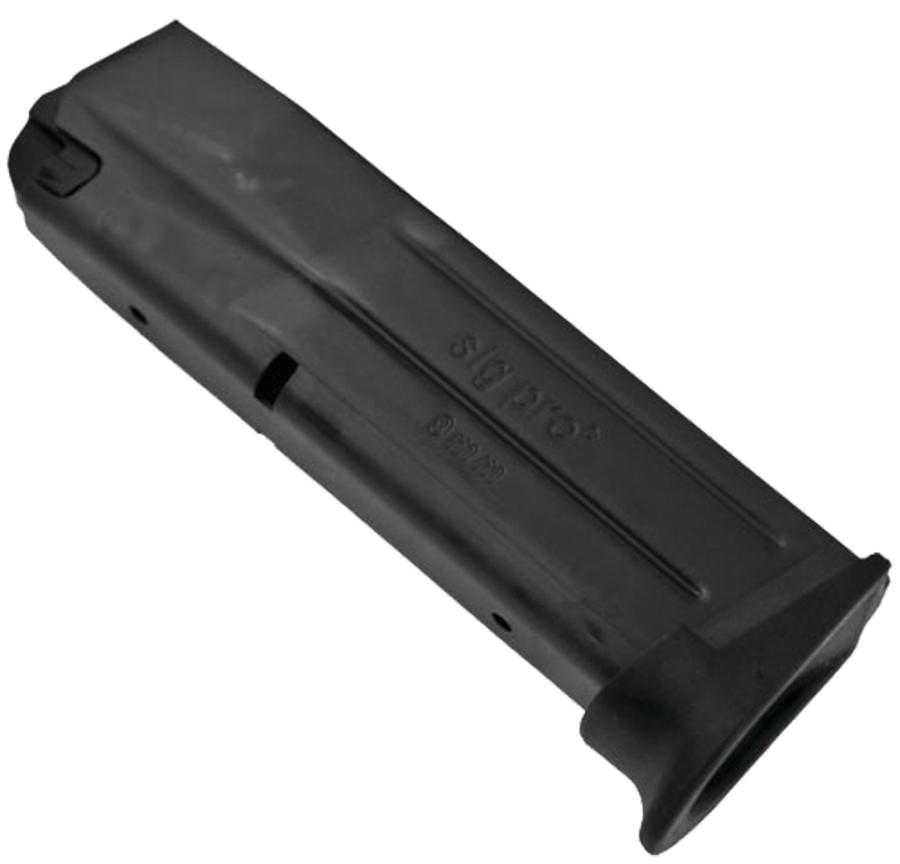
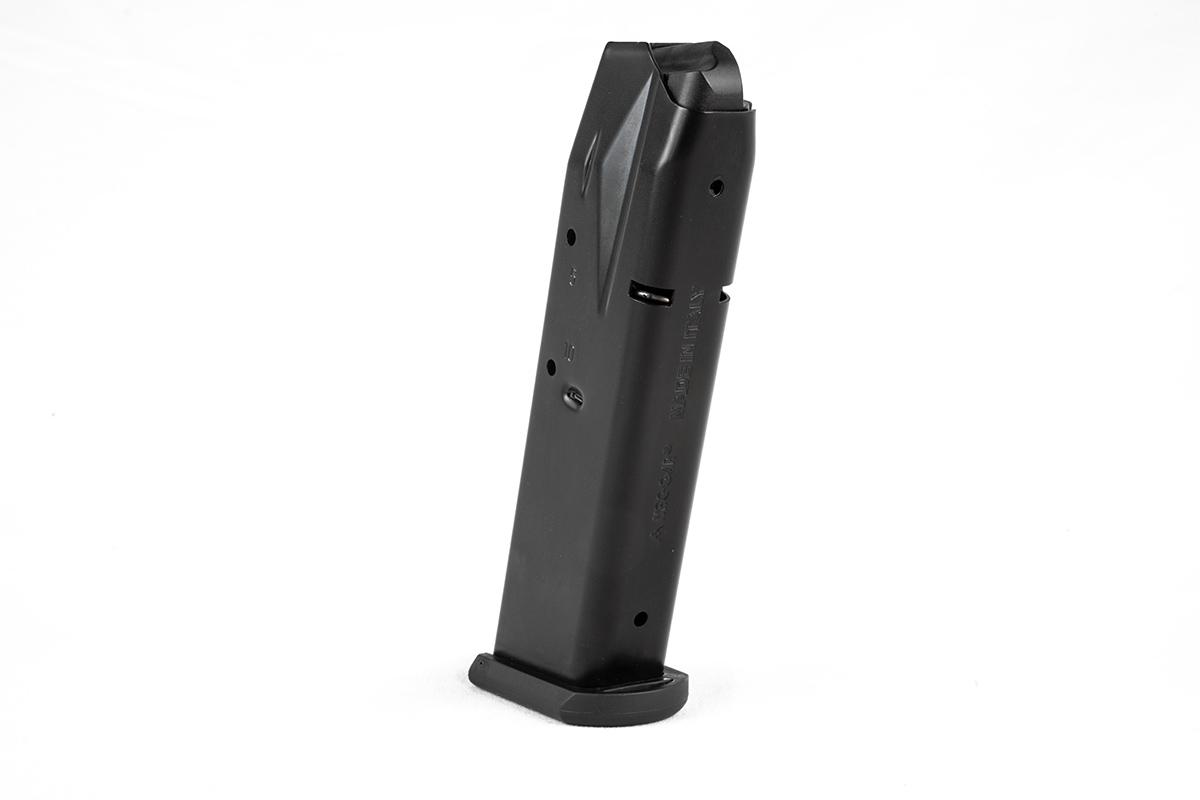
- Magazines: two ultra-slim Check-Mate 16-rounders included
- Frame accessory rail: Picatinny
Twenty ounces empty with 17 rounds on board is the headline. Load it with 124 grain defensive ammunition and you are adding roughly 7 ounces of cartridges, putting carry weight in the high 20-ounce range. That lands the XXX Series in the same weight class as many polymer-framed compacts while keeping the single-action trigger geometry and grip angle that 1911 shooters spend years building muscle memory around.
What a 3.4-Inch Barrel Actually Costs You
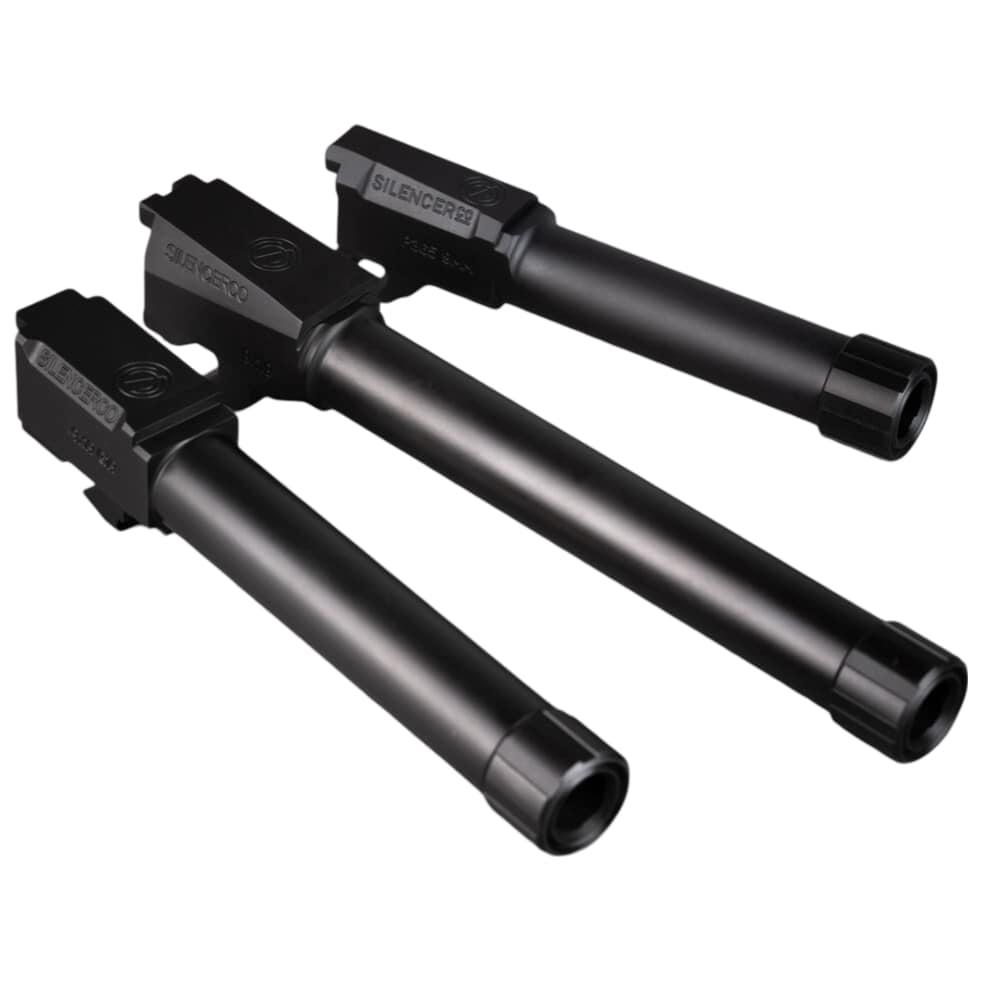
Short barrels trade velocity for concealment, and 9mm is the cartridge where that trade is most manageable. Expect a modest velocity loss compared to a 4.25-inch or 5-inch barrel, generally on the order of tens of feet per second rather than hundreds. The practical consequence is ammunition selection. Many 147 grain subsonic loads and older 115 grain designs were engineered around longer test barrels and may under-expand at reduced impact velocity. Modern 124 grain and 135 grain bonded or short-barrel-optimized hollow points are the safer bet.
The other short-barrel reality is recoil impulse. A 3.4-inch 1911 uses a shorter slide travel distance and a stiffer recoil spring rate to manage the same energy. That means slightly sharper recoil, faster slide velocity, and a shorter sight radius. Whatever you gain in concealability, you spend in split times and long-range precision. Plan to verify your own performance at 15 and 25 yards rather than assuming your 5-inch results carry over.
CMX XXX Versus SC9 XXX
The two models diverge on safety architecture, sighting system, and price, and that divergence should drive your choice more than the finish.
CMX XXX (SKU 395062, MSRP $899)
- Automatic firing pin block in place of a grip safety, which slims the backstrap profile
- Optics-ready slide cut for the RMSc footprint, drilled and tapped for direct mounting with no adapter plate
- Tuned trigger rated at 4.5 pounds maximum pull
- Front and rear slide serrations plus top and side lightening cuts
- Two-tone Tungsten and Black Cerakote
SC9 XXX (SKU 395064, MSRP $599)
- Traditional grip safety retained, paired with an ambidextrous thumb safety
- Low-profile 3-dot iron sights
- All-black Cerakote
- No optic cut
The $300 spread buys you the optic cut, the lighter tuned trigger, and the slide machining. If you already run a dot on your carry gun, the CMX is the only one of the two that gets you there without aftermarket slide work. If you shoot irons and want the safety redundancy of a grip safety, the SC9 is the better value and leaves budget for a quality holster, a light, and a case of practice ammunition.
On the safety question, there is no universally correct answer. A firing pin block removes a mechanical step that can be defeated by a compromised grip during an awkward-position draw or a fight to retention. A grip safety adds a deliberate consent step that some shooters strongly prefer for appendix carry. Decide based on how you train, not on which sounds more modern.
Optic and Accessory Compatibility
The RMSc footprint on the CMX XXX opens the door to a broad set of compact enclosed and open-emitter carry dots. Two-screw mounting with no plate is the durable configuration, since every added interface is another place for the mount to loosen under recoil. If you are still deciding on a dot, our carry red dot buyer’s guide walks through window size, reticle brightness, and mounting hardware. When you are ready to shop, start with RMSc footprint red dots that match the slide cut rather than something requiring an adapter.
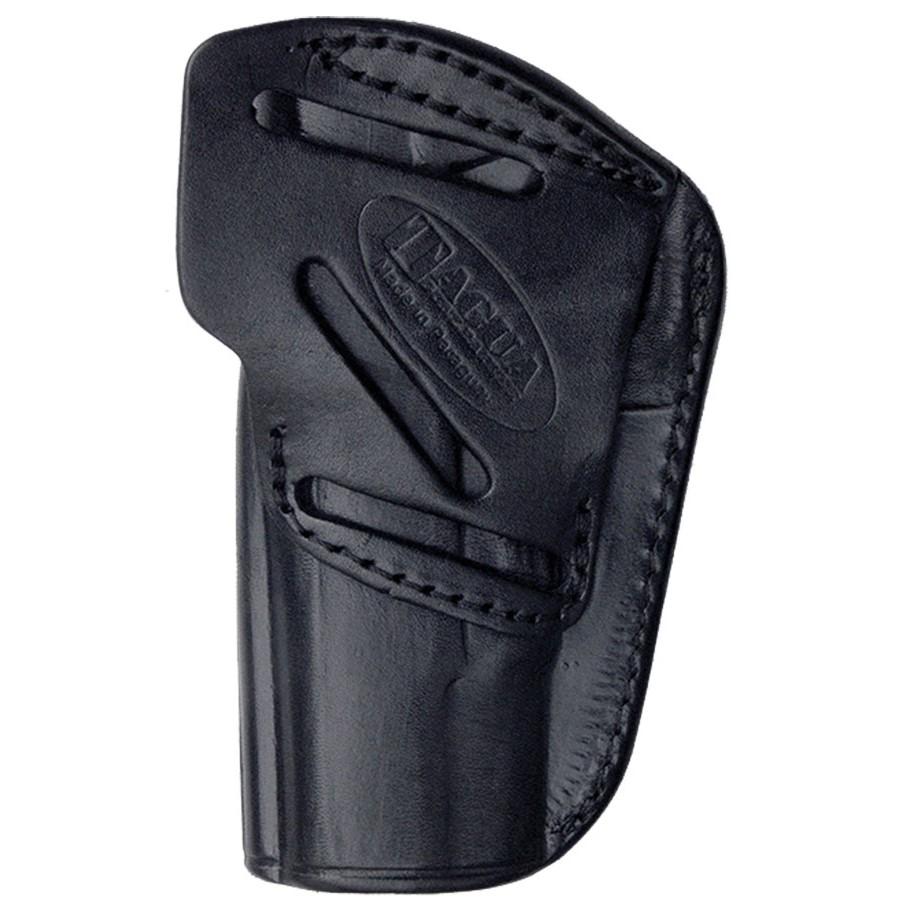
Both pistols carry a Picatinny section on the dust cover. On a 7-inch pistol, rail real estate is limited, so measure before you commit to a light. Compact weapon lights in the sub-2-inch body length range fit this class of frame; full-size lights will overhang the muzzle and complicate holster selection. Holster fitment is the more common headache with double-stack 1911s. The grip module width and low-profile magwell mean many generic 1911 holsters will not work. Confirm model-specific fitment before buying leather or kydex, and check our concealed carry readiness guide for a full belt, holster, and load-out checklist.
Ownership Lifecycle and Maintenance
Short-slide 1911 pattern pistols run on tighter timing margins than their 5-inch ancestors. Build a maintenance rhythm around that:
- Break-in: run at least 200 to 300 rounds of full-power practice ammunition before trusting the gun for carry, then confirm 100 rounds of your chosen defensive load without a single stoppage
- Recoil spring: many short-slide 1911 shooters replace springs on a fixed round-count schedule rather than waiting for symptoms, typically in the 3,000 to 5,000 round window
- Magazines: rotate carry magazines, mark them, and retire any that show feed lip spread or a weak spring. Slim double-stack magazines are the highest-value spare part to buy early, since aftermarket supply for newer platforms is thin at launch
- Finish care: Cerakote handles sweat and humidity well, but the exposed barrel hood, extractor, and internals still need oil. Wipe down after any humid carry day or wet-weather hunt
- Optic hardware: check mounting screw torque every few hundred rounds on a 3.4-inch slide, where slide velocity is high
Compliance and Transport Considerations
A 16-round magazine is a non-starter in several states, and 16+1 capacity is one of the first things to verify against your state and any state you plan to travel through. If your jurisdiction caps magazines at 10 or 15 rounds, confirm that compliant magazines exist for this specific platform before you buy, since a new grip module often means new magazine tooling. For transport, the 7-inch overall length fits nearly every small lockbox and vehicle console safe, which makes secure storage in a truck or at a trailhead straightforward.
How to Decide
Work through four questions in order. First, does 16+1 capacity comply where you live and travel? Second, do you carry a dot, and if so, is the RMSc cut on the CMX worth the $300 premium to you? Third, will your existing holster inventory accept a reduced double-stack 1911 grip, or are you buying new leather anyway? Fourth, can you commit to the break-in and round count needed to trust a new platform for daily carry? Answer those honestly and the choice between the $599 SC9 XXX and the $899 CMX XXX resolves itself. Wide retail availability of a CMX package with additional magazines is expected by October 2026, with pre-orders moving through distribution ahead of that. If you are cross-shopping carry pistols in this size class, browse the current selection at the BLVista store and match the gun to the holster and dot as a system rather than three separate purchases.
Frequently Asked Questions
What is the capacity of the Witness2311 XXX Series?
Both the CMX XXX and SC9 XXX are chambered in 9mm with 16+1 capacity, and each ships with two 16-round slim Check-Mate magazines.
How long is the barrel on the Witness2311 CMX XXX and SC9 XXX?
Both models use a 3.4-inch barrel with a 7-inch overall length and a 20-ounce unloaded weight, placing them squarely in the compact carry class.
Is the Witness2311 XXX Series optics-ready?
The CMX XXX slide is cut and drilled for the RMSc footprint for direct dot mounting with no adapter plate. The SC9 XXX is not optic-cut and ships with low-profile 3-dot irons.
What is the price difference between the CMX XXX and SC9 XXX?
MSRP is $899 for the CMX XXX (SKU 395062) and $599 for the SC9 XXX (SKU 395064). The premium covers the optic cut, the 4.5-pound maximum tuned trigger, slide serrations and lightening cuts, and the two-tone Cerakote finish.
Which safety setup is better for concealed carry?
The CMX XXX uses an automatic firing pin block for a slimmer backstrap, while the SC9 XXX keeps a traditional grip safety plus an ambidextrous thumb safety. Shooters with a firm high grip and appendix carry preference often favor the grip safety. Those who train awkward-position and retention draws frequently prefer removing the grip safety variable.
What ammunition works best from a 3.4-inch 9mm barrel?
Choose defensive loads engineered for short barrels, commonly 124 grain and 135 grain bonded hollow points. Verify function and point of impact with your carry load before relying on it.
Will standard 1911 holsters fit a double-stack Witness2311?
Usually not. Double-stack grip modules and the low-profile magwell change the frame dimensions enough that model-specific holster fitment should be confirmed before purchase.
Was this useful?