
Brief
HK VP9CC: What the Specs Actually Mean for Concealed Carry
Practical HK VP9CC concealed carry guide: real-world implications of optic mounting, paddle mag release, sights, magazines, holsters, reliability testing,...
Shop this at BLVista
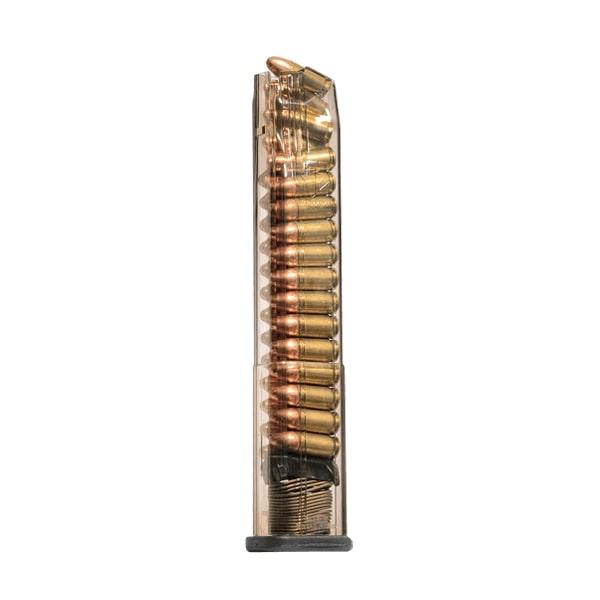 Elite Tactical Systems Carbon Smoke Series HK VP9 Handgun Magazine 9mm 30/rd Smoke
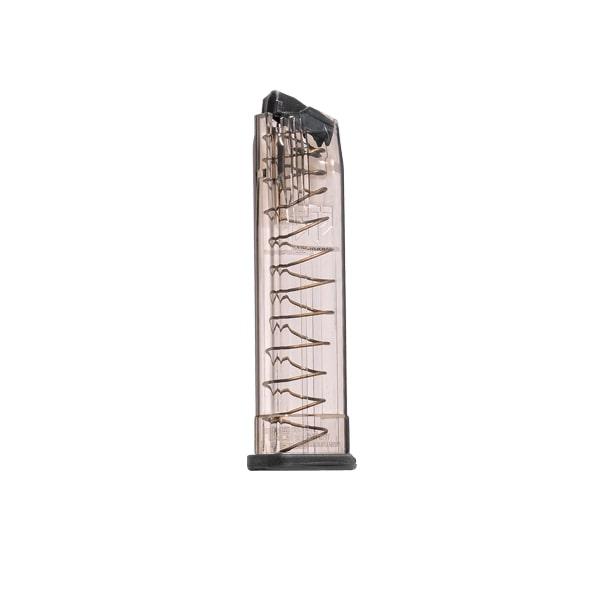 Elite Tactical Systems Carbon Smoke Series HK VP9 Handgun Magazine 9mm 21/rd Smoke
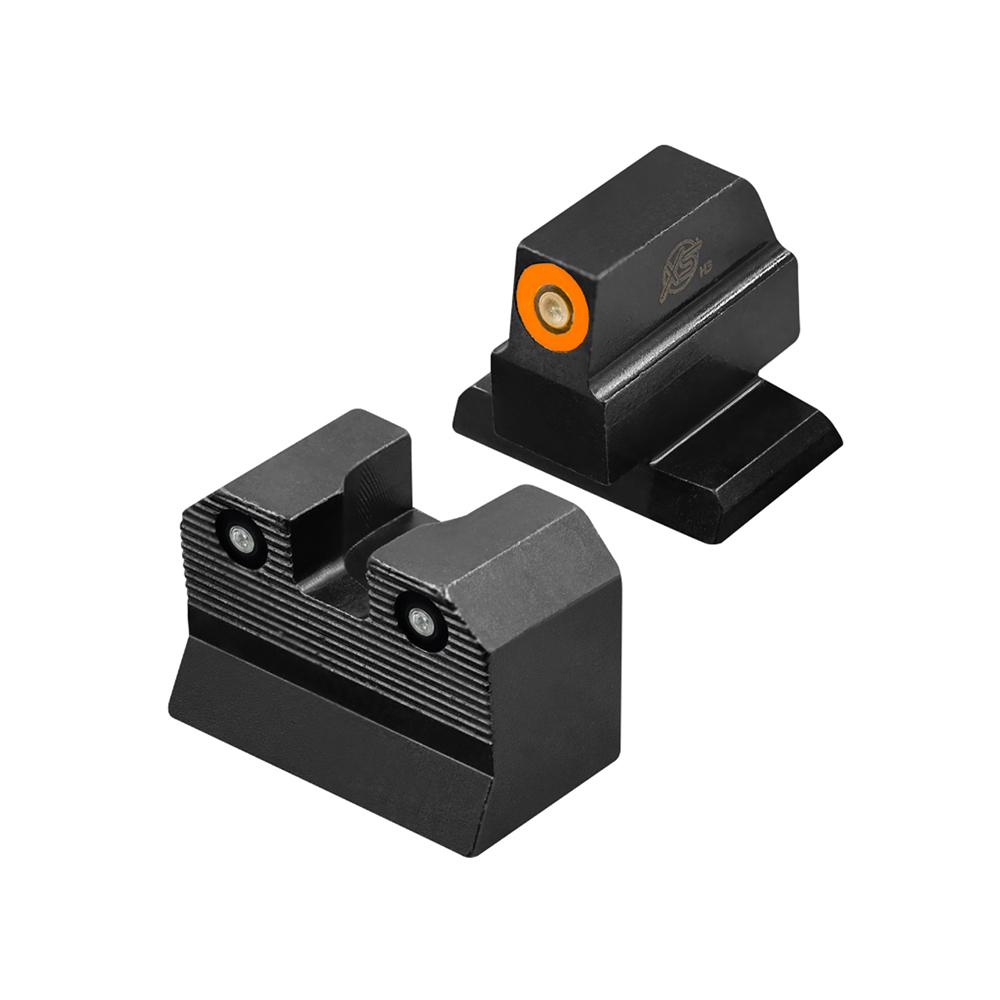 XS Sights R3D 2.0 Suppressor Height Night Sights for HK VP9 OR Orange
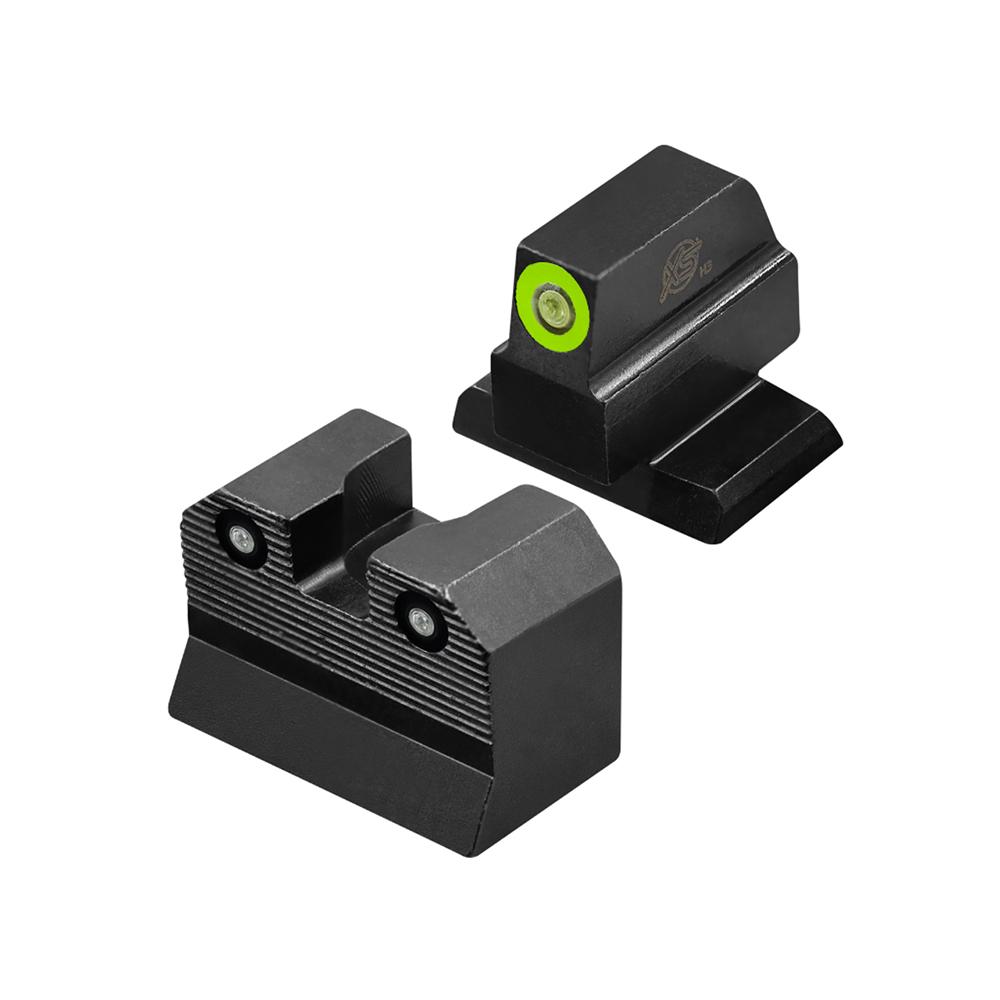 XS Sights R3D 2.0 Suppressor Height Night Sights for HK VP9 OR Green
HK tends to attract a certain kind of buyer: someone who values hard-use durability, clean engineering, and a pistol that feels purpose-built instead of trend-chasing. The VP9CC is HK’s move into the modern micro-compact carry space, with features aimed at shooters who actually train, run optics, and care about repeatable performance under concealment constraints.
It is easy to get stuck on brand reputation or spec sheets. For concealed carry, the better question is simple: does this design help you carry comfortably, draw efficiently, shoot accurately at realistic distances, and keep the pistol reliable across thousands of rounds and years of carry sweat, lint, and holster wear?
HK VP9CC specs at a glance
- Caliber: 9mm
- Action: Striker-fired, semi-automatic
- Capacity: 10+1 (flush), 12+1 (extended); some state-compliant versions ship with two 10-round magazines
- Barrel length: 3.13 inches
- Overall length: 6.02 inches
- Weight: 18 ounces
- Optic ready: Yes, with adapter plates
- Country of origin: Germany
- MSRP: $1,049; $1,399 with Vortex Defender-CCW Enclosed
Where the VP9CC stands in the real carry world
On paper, the VP9CC sits in the same practical envelope as many 9mm subcompacts: short barrel, light weight, double-stack-ish capacity in a compact footprint. In reality, concealed carry success is determined by details like optic height, the grip-to-mag geometry, sight visibility in poor light, and whether the manual of arms fits your training habits.
Optics: the “40% lower” mount claim and why it matters
HK’s optics setup uses adapter plates, but the slide is cut unusually deep. The idea is simple: lower optic height reduces the amount of dot hunting during the draw and makes it easier to maintain a consistent index from concealment. It also increases the chance you can run usable irons without going to tall suppressor-height sights.
For a concealed carry pistol, a lower mounted optic can reduce snag risk and makes a dot feel closer to traditional irons. That matters for shooters who split time between dot-equipped and iron-only pistols. It can also matter for long-term durability because an optic that sits lower typically presents less leverage under impact.
What to verify before buying:
- Plate availability: Confirm the exact footprint support and whether plates are included or purchased separately. Plate ecosystems can be a quiet hidden cost.
- Screw length and thread engagement: Plate systems live or die by correct hardware. Confirm torque specs, use the right thread locker, and re-check after the first few range sessions.
- Holster compatibility: A lower optic can still require an optic-cut holster, and enclosed emitters sometimes need more clearance. Validate the specific dot and holster combination.
XS sights and a tritium front: good baseline, still a choice
The VP9CC ships with XS sights and a tritium front. For concealed carry, that can be a practical default because the front sight remains visible in transitional light and in indoor environments. Tritium does not replace a weapon light or handheld light for target identification, and it does not fix poor visual processing under stress. It does give you a consistent reference when your dot is occluded by rain, lint, sweat film, or a dead battery.
Field reality: if you carry daily, your sights collect grime. Plan on occasional wipe-down and periodic inspection. Tritium dims over time, so treat it as a consumable over a decade-long ownership cycle.
Ambidextrous paddle magazine release: advantage or training tax
The VP9CC uses HK’s paddle-style magazine release at the trigger guard. Many experienced shooters love it because it is truly ambidextrous and it reduces accidental mag drops from body pressure or holster contact. Others dislike it because it differs from the common button release used on many striker-fired carry guns.
Neither reaction is wrong. The key is deciding whether you want a consistent manual of arms across your carry rotation. If your other pistols use a button release, the VP9CC may require dedicated repetition to keep reloads and malfunction clearances clean under time.
Quick decision check: If you already run HK paddles on duty or range pistols, the VP9CC aligns well. If your training time is limited and you carry multiple platforms, a standardized control scheme may matter more than marginal feature gains.
Backstrap inserts: comfort, control, and recoil management
HK includes six backstrap insert sizes. For concealed carry, fit affects two outcomes: how well you can manage recoil with a short grip, and how reliably you can press the trigger without disturbing the sights or dot.
Backstrap options matter even more on small pistols because small changes in grip circumference change finger placement and wrist angle. A better fit can reduce dot bounce, shorten your recovery time between shots, and keep your support-hand purchase consistent. It can also reduce hotspot formation during high-round-count practice.
How to set it up: Pick the smallest backstrap that still lets you get solid contact with the support hand and a straight rearward trigger press. Then shoot a controlled set of 10-yard groups and 7-yard bill-drill pace strings to confirm the dot tracks predictably.
“Grab handles” and serrations: carry guns need traction that survives sweat
The VP9CC slide features front and rear serrations plus rear “grab handle” style geometry. For a daily concealed carry pistol, traction is a reliability feature. Hands get wet, cold, or slick from sunscreen and bug spray. Slides get oily. You still need a repeatable press-check, chambering action, and malfunction clearance.
Texture that works at the range tends to work in the field. Texture that only works with dry hands fails when you are sweating through a summer cover garment.
Takedown design that forces a clear condition: safety benefit, workflow consideration
The VP9CC’s takedown system is designed so the slide cannot be removed without dropping the magazine and clearing the chamber first. That adds a layer of procedural safety for cleaning and maintenance, especially for owners who field strip frequently.
It is still not a substitute for discipline. A safe process remains the same: remove magazine, lock slide open, visually and physically inspect chamber and magwell, then proceed.
What you should think about that a spec sheet will not tell you
Reliability over time: carry lint, sweat, and lubrication choices
Subcompact 9mm pistols run higher slide speeds and shorter recoil systems than full-size pistols. That can reduce tolerance for weak ammo and poor lubrication. If you plan to carry the VP9CC, budget time for a real reliability validation cycle with your preferred defensive ammo.
Practical validation baseline:
- 200 to 300 rounds of training FMJ without cleaning to confirm basic function
- At least 50 rounds of your carry load, including rapid strings and reloads
- Verify function with your chosen magazines, including the extended 12-rounder
Magazine strategy: flush vs extended in real concealment
The 10-round flush magazine is likely the best option for deep concealment and comfort, especially for appendix carry where grip length prints. The 12-round extended magazine offers a fuller grip and often improves control during fast shooting. Many carriers use a flush mag in the gun and carry the extended mag as a reload, balancing concealment and shootability.
Compliance note: if you live in a magazine-restricted state, confirm the SKU that ships with compliant magazines and check local definitions of “capacity” and “permanently altered” magazines. Avoid assuming a retailer’s listing is accurate. Verify before you buy and before you travel.
Optic choice: enclosed emitter vs open emitter for a carry pistol
The factory bundle option includes an enclosed micro red dot. Enclosed emitters can be a strong choice for concealed carry because they are less sensitive to sweat, dust, and pocket lint blocking the emitter. They still require maintenance, especially lens cleaning and battery management.
Ownership checklist:
- Establish a battery replacement interval you can remember
- Confirm your optic’s brightness settings are usable in bright sun and in indoor low light
- Verify torque specs and witness mark screws so you can detect movement
Holsters, belts, and the “carry system” problem
A $1,000 carry pistol still fails if the carry system is weak. The VP9CC’s size and weight suggest it will carry well, but your belt, holster geometry, and chosen position matter more than ounces on a spec list.
Before committing, confirm availability of:
- Quality kydex holsters with secure retention and a full sweat guard
- Optic-ready and suppressor-sight compatible channels if needed
- Spare magazine carriers that fit both 10 and 12-round magazines
Who the HK VP9CC makes sense for
- Dot-focused concealed carriers who care about optic height, fast dot acquisition, and practical co-witness options.
- Shooters who value ambidextrous controls and prefer a paddle release for retention and consistency.
- Owners who keep pistols long-term and want a durable platform they will maintain, document, and train with.
Who should pause before buying
- Buyers with limited training time who already run a button-release platform and want one set of controls across every pistol.
- Budget-driven shoppers who would benefit more from a less expensive pistol plus professional training, magazines, and a proven holster setup.
- Anyone in restricted jurisdictions who has not confirmed magazine compliance and local carry rules for their specific configuration.
Practical pre-purchase checklist
- Handle it with the flush mag installed: confirm grip length, trigger reach, and your ability to get a consistent support-hand purchase.
- Dry practice the reload: test the paddle release with your normal grip and ensure you can drop mags cleanly under pressure.
- Confirm optic footprint support: decide which dot you will run before you buy and verify plate availability.
- Price the full carry setup: pistol, optic, plates, three to five magazines, holster, belt, and a case or lock box for safe storage and transport.
- Plan your validation round count: budget ammo and range time to confirm reliability with your carry load.
FAQ
The HK VP9CC fits modern concealed carry priorities with a compact 9mm format, optic-ready capability, and 10 and 12-round magazine options. It makes the most sense for shooters who will validate reliability with their carry ammo, secure a quality holster and belt, and commit to training with the paddle magazine release.
The VP9CC uses a 10-round flush magazine and a 12-round extended magazine. Some state-compliant packages ship with two 10-round magazines. Confirm the exact model configuration and local magazine capacity rules before purchase.
Yes. The VP9CC is optics ready and uses an adapter plate system. Buyers should verify supported footprints, plate availability, and correct mounting screws and torque specs to maintain durability under recoil and daily carry.
A lower mounted optic can speed up dot acquisition on the draw, reduce dot hunting, and improve practical co-witness options with standard-height sights. It also tends to reduce snag risk and leverage on the optic during impacts.
An enclosed emitter optic can be a practical choice for concealed carry because it is less affected by lint, sweat, rain, and debris. Owners still need a battery replacement schedule, periodic screw checks, and routine lens cleaning.
Prioritize a rigid holster that fully covers the trigger guard, provides consistent retention, supports your optic and sight setup, and works with a stiff belt. Confirm fit for your carry position and test safe re-holstering and concealment during movement.
A practical baseline is 200 to 300 rounds of FMJ to confirm general function plus at least 50 rounds of your chosen defensive ammo through the magazines you will carry. Include reloads and rapid strings, then address any stoppages before relying on it for everyday carry.
Was this useful?