
Brief
Strike Modular Chassis Bravo Turns the Ruger RXM Into a Braced Platform
A 6 ounce, 9.58 inch polymer chassis adds a 1913 rear interface to the 4 inch Ruger RXM. Specs, fitment, suppressor use, maintenance, and a buying checklist.
Shop this at BLVista
Chassis kits for striker fired pistols have been around long enough that the novelty is gone and the evaluation criteria are clear. The newest entry worth a look is a modular chassis built specifically for the Ruger RXM with a 4 inch barrel and the compact grip module. It is a rigid polymer shell that the pistol drops into, adding a MIL-STD-1913 rear interface, a reworked trigger guard geometry, and a forward accessory point.
The published dimensions are 9.58 inches long, 3.99 inches wide, and 1.44 inches tall, at 6 ounces. Pre-order pricing sits at $69.95. Those four numbers tell you most of what you need to know before you decide whether this belongs in your safe.
Why the RXM Is the Right Host
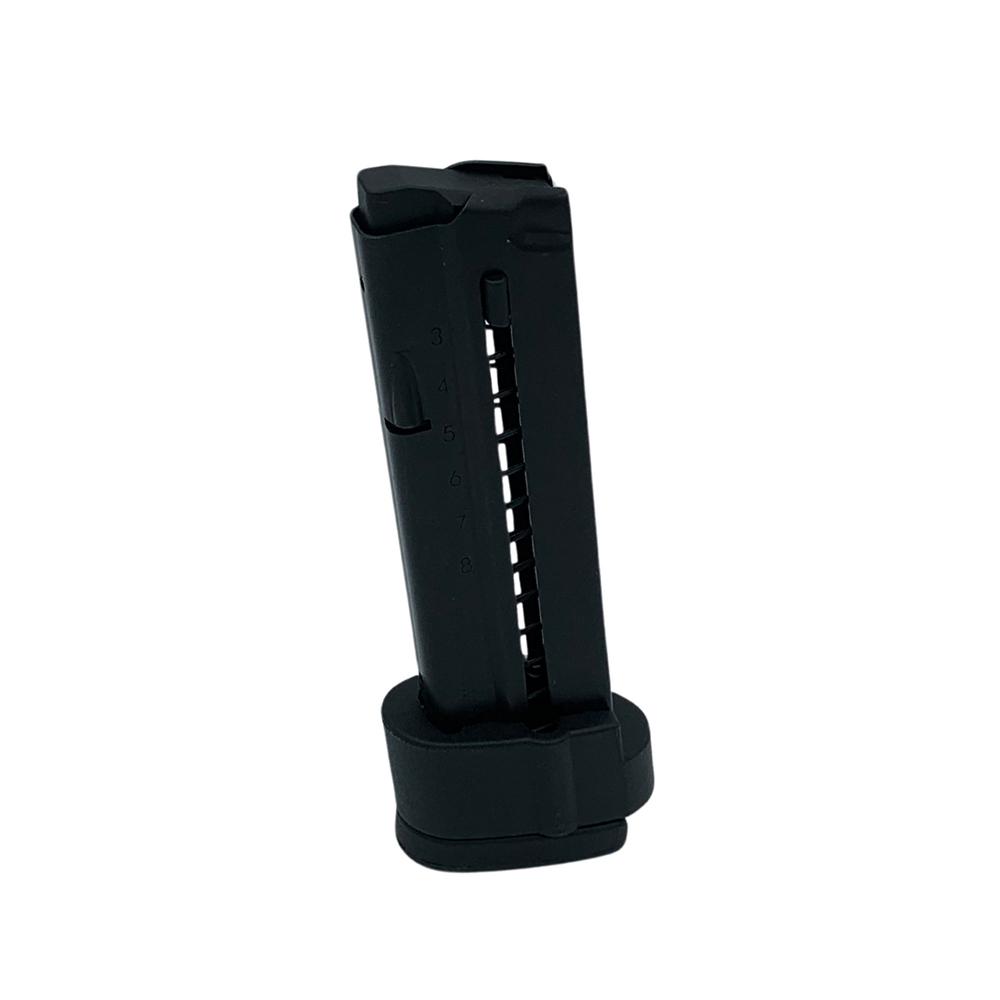
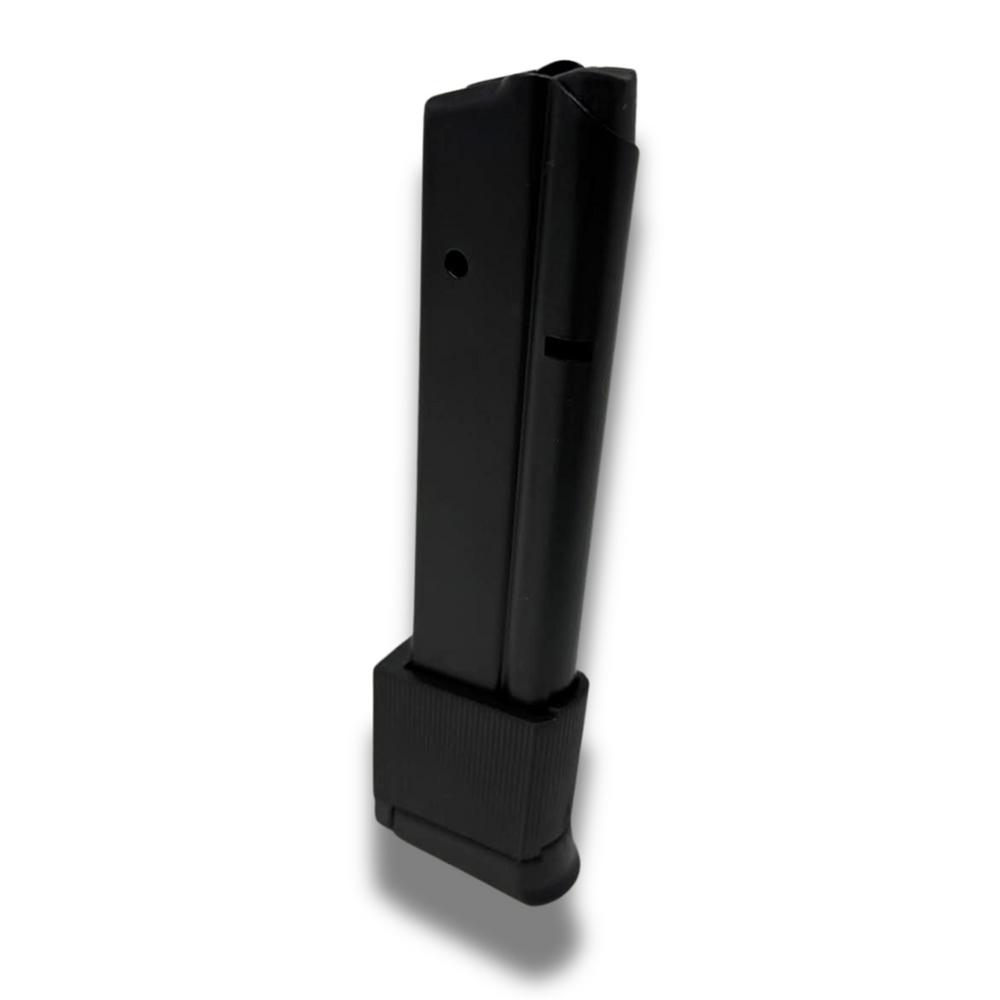
The RXM is a 9mm compact built around a serialized fire control insert that sits inside a replaceable grip module. Standard configuration is a 4.00 inch barrel, 15+1 capacity, and compatibility with the widely available Glock 19 pattern magazine. That last point matters more than it sounds. A chassis build only makes sense on a host with deep magazine, holster, sight, and barrel support behind it, and the RXM inherited an ecosystem that took two decades to mature.
It also means your spare parts pipeline stays open. Aftermarket 1/2×28 threaded barrels, suppressor height sights, extended base pads, and optic adapter plates for common footprints all exist for this frame family. A chassis that traps you on an orphan platform is a liability three years into ownership. This one does not.
What the 1913 Interface Actually Buys You
The rear interface is a standard Picatinny section, 0.206 inch slot width on 0.394 inch centers. Anything cut to that spec will index and lock. In practice, shooters use it for a pistol stabilizing brace, which changes the handling equation in three measurable ways.
- Third point of contact. A braced 9mm pistol shot at 25 yards typically tightens groups substantially over the same gun shot freehand, because you have removed one axis of wobble rather than improved the trigger.
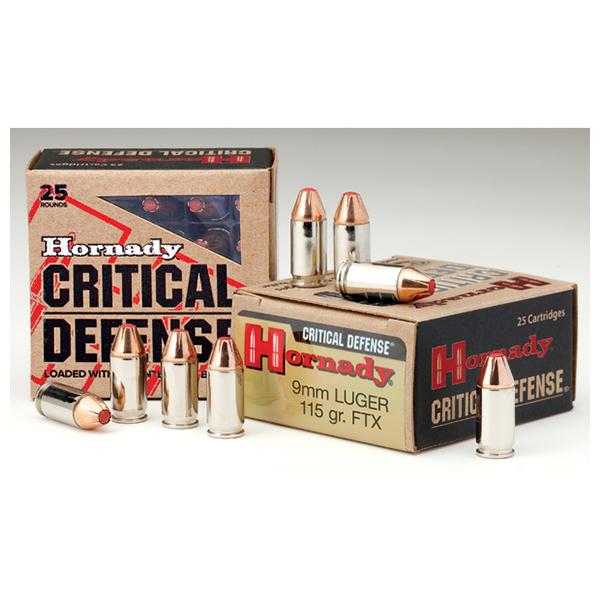
- Recoil management. With 115 grain 9mm running roughly 1,150 feet per second and 124 grain loads in the 1,100 fps range, felt recoil is modest to begin with. The benefit shows up in split times and sight return, not in raw comfort.
- Optic use. A stabilized rear contact point makes a pistol mounted red dot behave far more like a rifle optic. If you are shopping dots for a pistol that may end up in a chassis, our carry red dot buyer’s guide covers window size, footprint, and durability tradeoffs that carry directly into this application.
One compliance note and then I will move on: attaching a shoulder stock to a pistol is a different legal animal than attaching a brace, and the rules vary by state. Confirm the current federal standard and your state’s language before you assemble anything.
The Trigger Guard Undercut Is Not Cosmetic
The chassis uses a double undercut trigger guard, which lets the strong hand ride higher and moves the bore axis closer to the line of the forearm. On a compact 9mm this shows up as less muzzle rise per shot and a faster return to the dot. It is one of the few polymer molding details on a chassis that produces a difference you can time with a shot timer rather than feel and imagine.
Weight and Size in Field Terms
Six ounces is a real number but a small one. For reference, six ounces is roughly the weight of fourteen loaded 115 grain 9mm cartridges. Added to a compact polymer pistol, the assembly still lands well under most subgun and PCC weights, which is the whole point of this category.
The length figure is the one that changes your logistics. At 9.58 inches, the chassis is longer than the pistol’s own envelope, which means every holster you own for the RXM becomes irrelevant while the gun is in the chassis. Plan on a padded case, a range bag with a dedicated sleeve, or a truck gun setup. This is a transport decision, not a carry decision.
A Buying Checklist for Pistol Chassis Systems
- Fitment specificity. This chassis is cut for the 4 inch RXM with the compact grip module. Verify barrel length and grip module before ordering. Chassis systems have almost no tolerance for a different frame profile.
- Rigidity under load. A chassis that flexes between the rear interface and the frame lock-up will shift your zero when you push into the brace. Test it by loading the brace hard and confirming your dot holds.
- Reassembly time. If pulling the gun out for cleaning takes more than a minute, you will clean it less often. That is a maintenance reality, not a design flaw.
- Accessory path. The forward mounting point should accept a light or a hand stop. Decide before purchase which one you will run, since a weapon light on a stabilized 9mm is one of the strongest arguments for the whole configuration.
- Total cost. The chassis is $69.95. The brace, mounting hardware, light, and optic are separate. Budget the system, not the shell.
Where a Braced RXM Actually Earns Its Keep
Three honest use cases. First, structured training: a stabilized pistol lets a newer shooter build trigger discipline at 15 to 25 yards without fighting sight alignment. Second, a vehicle or shop gun where a case is available and concealment is not the mission. Third, suppressor host duty. Pair a 1/2×28 threaded barrel with a rated 9mm can and you have a quiet, stable, low recoil package. If you are working through host selection and mount compatibility, start with our suppressor buyer’s guide.
Where it does not earn its keep is daily concealed carry. Nothing about a 9.58 inch chassis supports that role, and pretending otherwise wastes money.
Long Term Ownership
Polymer chassis systems fail in predictable places: the frame lock-up wears, mounting screws back out under recoil, and the rear interface takes abuse from repeated brace installation. Check screw torque every few hundred rounds. Keep the interior of the chassis free of unburned powder and carbon, which accumulates faster than people expect around the trigger guard opening. Wipe the pistol down before reinstalling it, since trapped grit inside a chassis becomes a lapping compound.
Temperature matters too. Polymer stiffens in cold and softens in sustained heat. A chassis left on a dashboard through a July afternoon in the Southwest is being tested harder than it will ever be at the range. Store it indoors.
How to Decide
Buy the chassis if you already own a 4 inch RXM with the compact grip, you have a specific stabilized role in mind, and you are willing to fund the brace and light that make the configuration worthwhile. Skip it if the pistol is your carry gun and you have no second RXM. At $69.95 the entry cost is low enough that the real question is not the chassis price but whether you will build out the rest of the system and actually shoot it. Browse compatible pistol chassis and brace hardware or start from the full BLVista catalog when you are ready to spec the build.
FAQ
No. It is built for the RXM with the 4 inch barrel and the compact grip module. Confirm your barrel length and grip module part before ordering, since chassis systems are dimensionally unforgiving.
Six ounces, with overall chassis dimensions of 9.58 by 3.99 by 1.44 inches. That is roughly the weight of fourteen loaded 115 grain 9mm cartridges added to the gun.
No. The chassis footprint exceeds the pistol’s envelope, so plan on a padded case or range bag rather than a belt holster.
Attaching a shoulder stock and attaching a stabilizing brace are treated differently under federal law, and several states add their own restrictions. Verify the current federal standard and your state statute before assembling any braced configuration.
It works well. Swap to a 1/2×28 threaded barrel, add suppressor height sights or a red dot, and the stabilized platform makes a subsonic 9mm setup easy to shoot accurately at 25 to 50 yards.
The chassis is listed at $69.95. Budget separately for a brace, mounting hardware, a weapon light, and an optic, since the chassis alone does not change performance without them.
It improves practical accuracy by adding a third point of contact and a higher grip position. Mechanical accuracy of the barrel and ammunition does not change, so pair the build with quality ammunition and a properly zeroed optic.
Was this useful?