
Brief
Dense-City Carry Loadouts Built Around 10+1 Micro-Compacts
A spec-driven look at urban concealed carry: 3.1 in micro-compacts, 124 gr duty ammo, holster and belt standards, red dot footprints, and trauma gear.
Shop this at BLVista
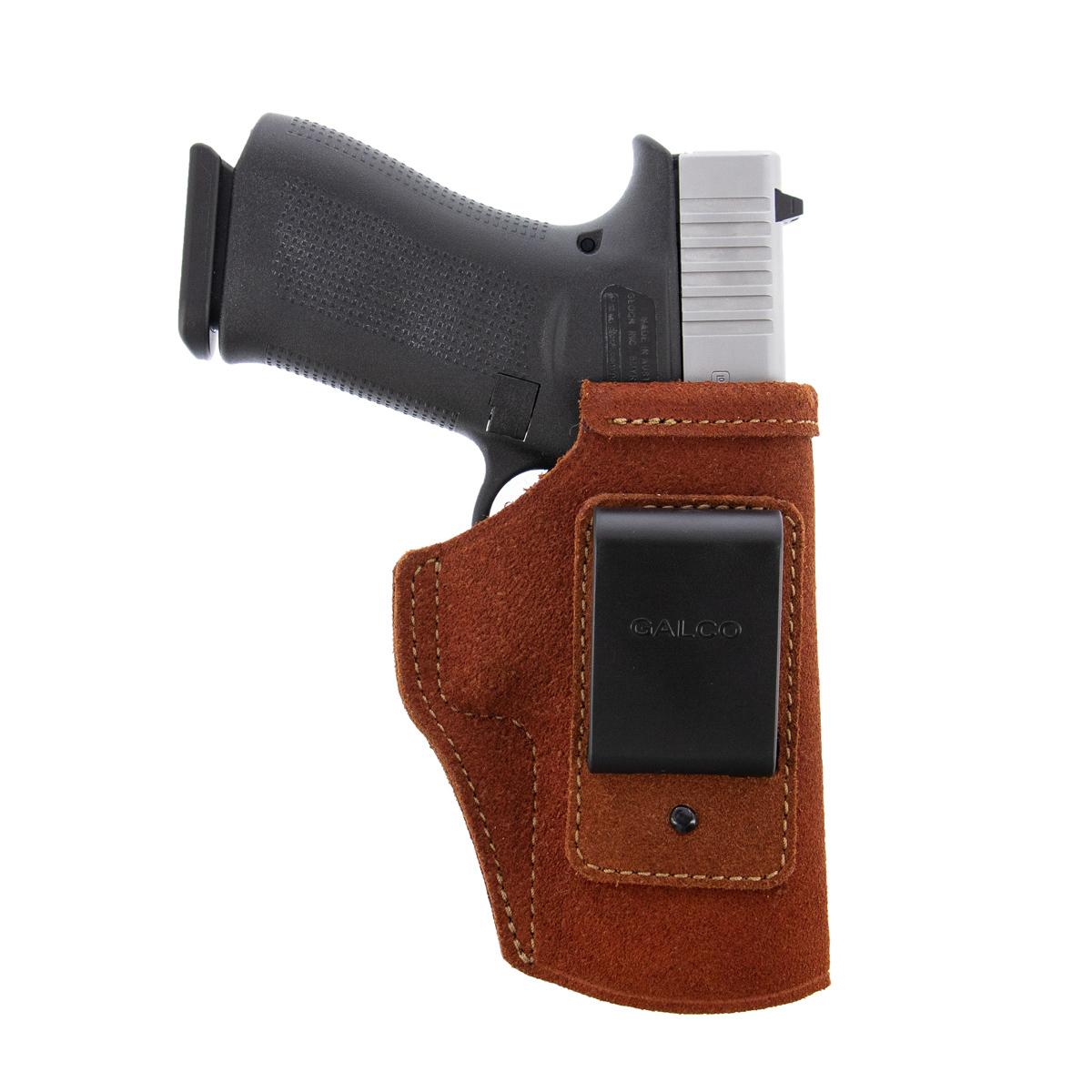
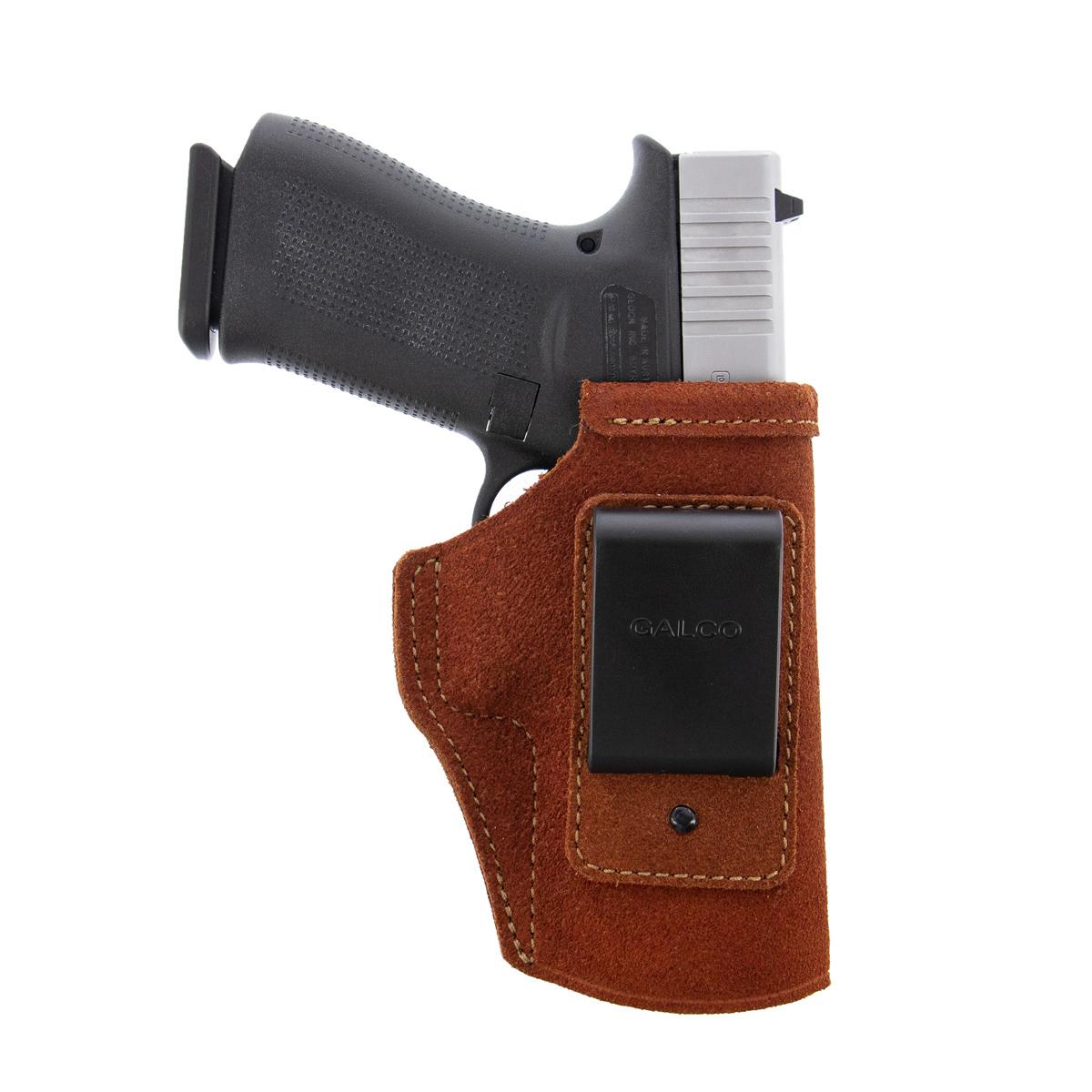
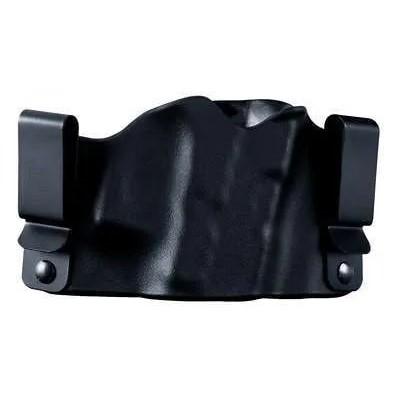
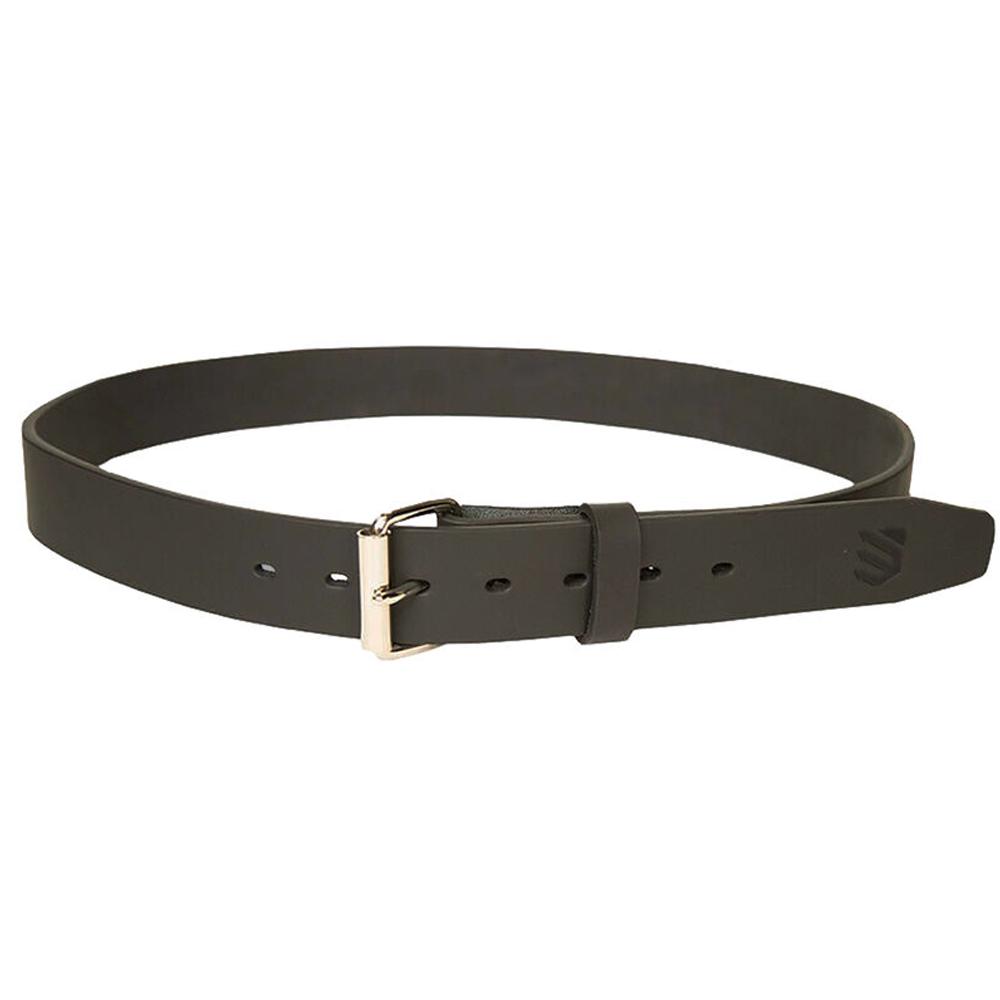
Crowded cities change the math on a carry setup. Distances shrink, backdrops are unforgiving, clothing is lighter in late summer, and you spend more time on foot, on transit, and in tight interior spaces than you do in open ground. A loadout that works well on a rural property is often the wrong answer downtown. What follows is a spec-driven way to think about the equipment, not the politics. Carry rules differ sharply between jurisdictions, so confirm local requirements before you build around any specific configuration.
Why the micro-compact class dominates urban carry
The dividing line in modern carry pistols is roughly 18 to 22 ounces unloaded with a barrel between 3.0 and 3.7 inches. That envelope carries all day under a t-shirt and still gives you a usable sight radius and a real grip. Compare four common reference points:
- SIG P365 – 9mm, 10+1, 3.1 in barrel, 5.8 in overall length, roughly 17.8 oz with an empty magazine, 1.0 in width at the slide.
- Glock 43X – 9mm, 10+1, 3.41 in barrel, 6.5 in overall, 5.04 in height, 18.7 oz unloaded, about 23 oz loaded.
- Springfield Hellcat – 9mm, 11+1 flush or 13+1 extended, 3.0 in barrel, 18.3 oz.
- SIG P365-XMACRO – 9mm, 17+1, 3.7 in barrel, roughly 21.5 oz, integrated compensator on some variants.
Set those against a Glock 19 Gen5 at 15+1, a 4.02 in barrel, 7.28 in overall length and 21.16 oz unloaded. The Glock 19 shoots better for most people and hides less well in a fitted shirt. The honest tradeoff is about four to six ounces and roughly an inch of grip length, and that inch is what prints against a car seat or a subway pole.
My selection rule is simple. Carry the largest pistol you will actually carry seven days a week in the clothes you actually wear. A 15-round pistol left in a safe scores zero. If you are still narrowing the field, our concealed carry readiness guide walks through the same tradeoffs with a fitting checklist.
Ammunition selection is where short barrels get punished
A 3.1 in barrel gives up meaningful velocity against a 4 in test barrel, often on the order of 60 to 120 fps depending on the load. That matters because modern bonded hollow points are engineered to expand within a velocity window. A 124 gr +P bonded load that runs near 1,200 fps from a 4 in barrel may drop into the mid 1,100s from a micro-compact, which is still inside spec for most premium designs. Bargain hollow points designed around full-size velocities are the ones that plug and behave like ball ammo.
The benchmark worth caring about is the FBI protocol window of 12 to 18 inches of penetration in 10 percent ordnance gelatin, including the heavy clothing test using four layers of denim. Loads to consider:
- 115 gr – flattest recoil impulse, most velocity loss sensitivity in short barrels.
- 124 gr and 124 gr +P – the most common duty compromise, good expansion and penetration balance from 3.1 to 4.0 in barrels.
- 147 gr subsonic – typically 950 to 1,000 fps, lower muzzle blast, better behavior if you ever run a suppressor host.
Whatever you choose, fire at least 100 rounds of your carry load through the exact pistol and magazines you carry, then rotate chambered rounds every few weeks to avoid bullet setback from repeated feeding.
Optics, sights, and low light
Urban engagements skew toward low light and cluttered backgrounds. A slide-mounted red dot on a micro-compact almost always means the Shield RMSc footprint, while larger pistols may use the Trijicon RMR or Aimpoint ACRO pattern. Dot size drives usability: a 3 MOA dot is precise at 25 yards, a 6 to 8 MOA dot is faster to find under stress and at arm’s length. Keep suppressor-height or at minimum co-witness irons as a backup, because an optic body is a mechanical part with finite life. Our carry red dot guide covers footprint compatibility and mounting torque values in detail.
Handheld lights matter more than weapon lights in public. A 500 to 1,000 lumen handheld with 8,000 to 20,000 candela lets you identify without pointing a muzzle at a person. Weapon lights in the 500 to 1,000 lumen range are useful primarily for home defense, where identification and target both sit at the end of the muzzle by design.
Holsters, belts, and the parts people underspend on
A holster is a mechanical retention device, not an accessory. Look for 0.080 in Kydex or thicker, a fully covered trigger guard, adjustable retention hardware, and 1.5 in belt loops or clips matched to your belt. A claw or wing that rotates the grip into your body is the single most effective anti-printing feature on appendix rigs. Pair it with a purpose-built gun belt in the 0.19 to 0.25 in thickness range. A soft dress belt lets a 23 oz loaded pistol sag and flag itself every time you sit.
Practical checks before you commit to a rig:
- Can you reholster one-handed, slowly, with the holster still on the belt?
- Does the muzzle end point at your femoral artery when seated? Adjust ride height and cant until it does not.
- Can you draw while seated in a vehicle with the belt buckled?
- Does the setup survive a full day of walking, stairs, and public transit without shifting?
Browse micro-compact 9mm holsters if you are replacing a rig that fails any of those tests.
Medical gear belongs in the same loadout
Gunshot wounds and vehicle trauma are the two urban emergencies most likely to reach you before an ambulance does. A CoTCCC-recognized windlass tourniquet with a 1.5 in wide strap, a compressed gauze roll, and a vented chest seal fit in a flat pouch or a jacket pocket. Practice one-handed application on your own limb. Training on this takes about an hour and pays out at a higher rate than the pistol ever will statistically. Stock options are available in our trauma kit and tourniquet selection.
Maintenance, storage, and transport across the ownership cycle
Carry guns collect lint, sweat salt, and body oil. Clean and re-lubricate every 300 to 500 rounds or every 30 days of carry, whichever comes first. Replace recoil springs on micro-compacts near 3,000 to 5,000 rounds, since short guide rod assemblies work harder per shot than full-size units. Rotate carry magazines out of the belt line every few months and inspect feed lips and follower travel. If your pistol is threaded, 9mm barrels are almost always 1/2×28, and a thread protector should stay installed whenever a can is off the gun.
For transport, a locked hard case with a cable lock and ammunition stored separately is the configuration that satisfies the widest range of jurisdictions. Keep the same discipline for vehicle storage, where a bolted or cabled console vault beats a glovebox by a wide margin.
What to fix first in your setup
Rank your gaps in this order: reliable pistol you shoot well, holster and belt that support daily wear, tested duty ammunition, a light, then an optic, then medical gear if it is not already there. Most people have a serviceable pistol and a mediocre holster. Fix the holster and the belt, put 200 rounds of live fire and 50 correct draws behind the change, and reassess. Start with a fitting checklist and a hardware audit rather than another pistol purchase, and browse the BLVista store when you know exactly which link in the chain is weakest.
FAQ
For most defensive encounters, yes. The tradeoff is reserve capacity, which is why many carriers add a 12 or 15 round spare magazine. A spare magazine also resolves the most common stoppage type.
It costs velocity, typically 60 to 120 fps versus a 4 inch barrel. Premium bonded 124 gr and 147 gr loads are designed for that window and still meet the 12 to 18 inch penetration standard in 10 percent ordnance gelatin.
Yes if you will train with it. Most micro-compacts use the Shield RMSc footprint. Choose a 3 MOA dot for precision or 6 to 8 MOA for speed, keep backup irons, and torque the optic to the manufacturer specification with thread locker.
Rotate the chambered round every few weeks to prevent bullet setback and replace the full carry load annually. Shoot the retired rounds for practice to confirm function.
The belt, followed by medical gear. A rigid gun belt in the 0.19 to 0.25 inch thickness range stabilizes the holster, and a CoTCCC-recognized tourniquet addresses the injury most likely to occur nearby.
Was this useful?