
Brief
Savage Axis Rifles Now Ship With Threaded Barrels
Every Savage Axis barrel is now threaded. Here is what that means for suppressor fitment, thread pitch, zero shift, cartridge choice, and long term ownership.
Shop this at BLVista
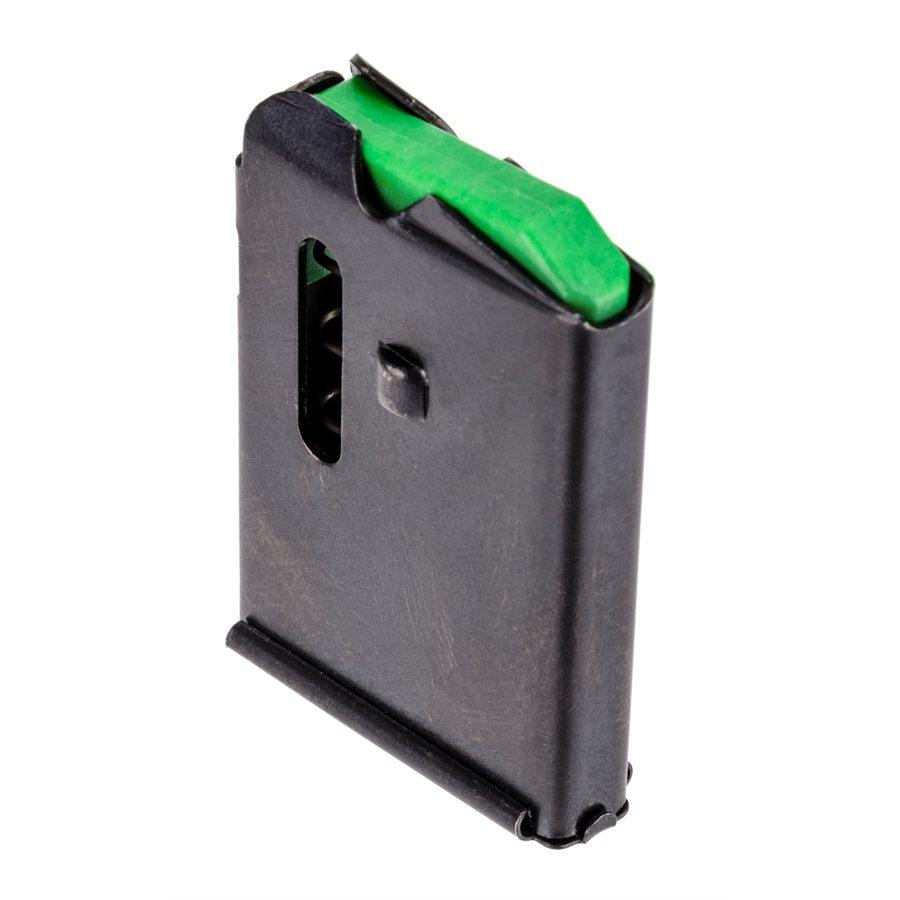
Savage moved the entire Axis family to threaded muzzles across AXIS 2, AXIS 2 PRO, AXIS 2 XP, and AXIS XP. On paper it is a small manufacturing change. In practice it removes the single most common aftermarket expense on a budget bolt gun and shifts the whole line into suppressor-ready territory without raising the entry price into custom rifle range.
For a rifle family that built its reputation on delivering usable field accuracy at the low end of the price ladder, that matters more than a new stock color. Threading a factory barrel after purchase typically costs a gunsmith fee plus shipping and two to eight weeks of turnaround, and it usually voids nothing but your patience. Getting it from the factory, cut concentric to the bore on the same machine that finished the crown, is the better outcome.
What the threads actually get you
Muzzle threads are an interface, not a feature. What you bolt to them determines the benefit.
- Suppressor. The main reason most buyers want threads. A modern centerfire rifle can drops report meaningfully, typically in the range of 25 to 35 decibels depending on can design, cartridge, and barrel length. That takes a .308 Winchester from painful to tolerable and makes coaching a new shooter possible without shouting through muffs.
- Muzzle brake. Cuts felt recoil substantially on 300 Win Mag and 6.5 PRC class cartridges. The tradeoff is blast redirected sideways, which makes you unpopular on a covered firing line and harder on a spotter.
- Linear compensator. Pushes blast forward. Useful for short-barreled hunting rifles where you want the noise away from your ears without the side concussion of a brake.
- Thread protector. Do not lose it. Exposed threads pick up dings from truck racks, tree stands, and rock ledges, and a damaged first thread will cost you a suppressor mount that no longer indexes square.
Thread pitch and fitment
Savage centerfire barrels in standard chamberings are commonly cut 5/8×24, while .223-class bores generally use 1/2×28. Verify the pitch listed for your specific chambering before ordering a mount, because ordering a brake in the wrong pitch is the most common first mistake on a threaded rifle. Two other measurements matter and rarely appear in marketing copy:
- Shoulder squareness. The suppressor or brake seats against a shoulder. If it is not perpendicular to the bore, the device cants and you get accuracy loss or, on a suppressor, a baffle strike.
- Thread length and barrel step diameter. Some suppressor mounts need a specific amount of thread engagement and a clearance diameter behind the shoulder. Measure with calipers before you commit to a mount system.
Before firing a suppressor on any new host, run an alignment rod through the can and down the bore. It takes 30 seconds and it is the cheapest insurance available against a several hundred dollar repair.
Where the Axis sits in the lineup
- AXIS XP. The value entry. Comes as a package with a mounted, bore-sighted scope. Best fit for a first deer rifle or a truck gun you are not precious about.
- AXIS 2. Adds the improved stock geometry and user-adjustable length of pull through recoil pad spacers secured by two screws. Youth shooters, heavy-clothing seasons, and shared family rifles all benefit.
- AXIS 2 XP. Same rifle with a factory-mounted optic, usually in the 3-9×40 class. A bore-sighted package still needs a real zero confirmation at 100 yards.
- AXIS 2 PRO. Cerakote finish and spiral fluting. The finish is the practical upgrade for wet-country hunting; the fluting is mostly cosmetic weight and stiffness trimming.
Barrels across the line typically run 20 to 22 inches depending on chambering, with magnum-length options longer. Detachable box magazines hold 4 rounds in standard calibers. Loaded weight with an optic, sling, and suppressor lands most builds in the 8.5 to 10 pound range, which is worth planning around if you hunt on foot.
The suppressed rifle math nobody explains at the counter
Hanging 14 to 22 ounces off the muzzle changes the rifle. Expect these effects:
- Point of impact shift. Adding or removing a suppressor commonly moves zero by a fraction of an MOA up to a couple of MOA. Confirm zero suppressed and hunt suppressed, or confirm unsuppressed and hunt that way. Do not mix.
- Balance moves forward. Offhand shots get steadier, standing carry gets more tiring, and a rear bag becomes more useful on the bench.
- Velocity. A suppressor usually adds a small amount of velocity, not a meaningful ballistic change. A shorter barrel to offset the added length costs roughly 20 to 30 fps per inch on most standard centerfire cartridges. A 6.5 Creedmoor pushing a 143 grain bullet or a .308 with a 168 grain match load will both show that trend.
- Heat and mirage. Suppressors trap heat. On a prairie dog or coyote day with sustained fire, mirage off the can will distort your sight picture. A mirage band or a cover solves it.
Note that suppressor purchase involves a federal transfer process, so plan your timeline accordingly. Our suppressor buyer’s guide walks through mount systems, caliber ratings, and materials so you match the can to the host rather than the other way around.
Cartridge selection for a threaded Axis
The Axis family has covered a broad chambering list over the years, including .223 Rem, .243 Win, 6.5 Creedmoor, .270 Win, 7mm-08, .308 Win, .30-06, .300 Win Mag, .350 Legend, and .400 Legend. A short framework for picking:
- Match the animal and the distance. .243 and 6.5 Creedmoor for deer and antelope at range. .308 and .30-06 for elk-capable versatility. .350 or .400 Legend for straight-wall jurisdictions and thick-cover whitetail inside 200 yards.
- Check ammo availability locally. A cartridge you cannot buy in your county in November is a bad choice regardless of ballistics.
- Confirm suppressor caliber rating. A 6.5mm-bore can will not pass a .308 bullet. Buying a .30 caliber can gives you the broadest host compatibility at a small penalty in sound reduction on smaller bores.
- Consider barrel life and recoil budget. A shooter who flinches will not benefit from magnum velocity.
Maintenance and long term ownership
Threads need care. Carbon builds up on exposed threads and between the device and shoulder, and on a direct-thread suppressor that carbon can weld the can to the barrel if you leave it mounted through several hundred rounds. Remove the suppressor at the end of each range session while the barrel is still warm, wipe the threads, and apply a high-temperature anti-seize. Check muzzle device torque before each hunt. Timed brakes need a crush washer or shim stack set correctly, and a brake that loosens will absolutely walk your group.
For storage and transport, a longer suppressed rifle may no longer fit a 46 inch case. Measure the assembled length before you buy a case, and remember that stock spacers change overall length too. If you fly or travel across state lines, a lockable hard case sized correctly is worth more than a soft case that technically closes.
Optics and the rest of the build
A rifle that now hosts a suppressor deserves an optic that survives the extra weight and handling. Look for a 30mm or 34mm tube, capped or locking turrets for hunting use, and mounting screws torqued to 15 to 18 inch pounds on rings with a witness mark. Our rifle field optics guide covers reticle choices and turret systems for hunting versus range work, and you can browse current inventory of threaded barrel bolt action rifles and 5/8×24 muzzle devices to complete the build.
How to decide before you buy
Run this checklist. If you plan to shoot suppressed within the next two years, buy the threaded rifle now and let the can catch up. If you shoot a hard-recoiling chambering from a bench, budget for a brake and hearing protection rated for it. If the rifle will be shared across body sizes, the AXIS 2 length of pull adjustment is the model feature that will actually get used. If you hunt wet country or salt air, the Cerakote finish on the PRO earns its price over ten seasons. Pick the chambering your local shelves stock, verify the thread pitch on the spec sheet, and confirm suppressor caliber rating before anything ships.
FAQ
Standard centerfire chamberings are commonly 5/8x24 and .223-class bores are generally 1/2x28. Confirm the pitch listed for your exact chambering before ordering a suppressor mount or muzzle brake, since mismatched pitch is the most frequent ordering error.
Yes, unless you use a clamp-on or over-barrel system, which is uncommon on bolt-action hunting rifles. A factory threaded muzzle cut concentric to the bore is the most reliable interface and removes gunsmith threading costs and turnaround time.
Usually yes, by a fraction of an MOA up to a couple of MOA depending on mount and barrel harmonics. Zero in the configuration you intend to hunt or compete in and reconfirm at 100 yards after any mount change.
The AXIS XP or AXIS 2 XP package arrives with an optic mounted and bore-sighted, making it the lowest-friction entry. Choose the AXIS 2 if multiple shooters of different sizes share the rifle, since the recoil pad spacer system adjusts length of pull with two screws.
Standard chamberings use a 4-round detachable box magazine. Capacity varies by cartridge, so verify for magnum and straight-wall options and buy a spare magazine before season.
Threads cut concentric to the bore with a square shoulder do not degrade accuracy. Accuracy problems come from off-axis threading, a canted device, or a brake loosening under recoil. Check torque before every hunt and verify suppressor alignment with a rod on any new host.
Was this useful?