
Brief
Springfield Saint Victor PDW (9mm): What Matters Before You Buy a Compact PCC for Home, Truck, or Pack
Practical evaluation of the Springfield Saint Victor PDW 9mm: blowback performance, Colt-pattern mags, brace setup, suppressor considerations, and home...
Shop this at BLVista
Compact pistol-caliber carbines and PDWs exist for a simple reason: sometimes a full-size AR-15 feels like more gun than the environment allows, and a handgun feels like less capability than you want. A 9mm PDW splits that difference with better stability, higher capacity, and easier accessory mounting, while keeping overall length short for storage and transport.
The Springfield Armory Saint Victor PDW is Springfield’s latest take on that idea. On paper it looks like a familiar AR-style package scaled down around 9mm, built for quick access in the home and for practical carry in a vehicle or pack. The details matter, though, because the PDW category comes with tradeoffs in recoil behavior, magazine ecosystem, suppressor tuning, and legal configuration. Here is what to pay attention to before you spend money.
Springfield Saint Victor PDW: core specs
- Caliber: 9mm
- Action: Semi-automatic, blowback
- Capacity: 32+1
- Barrel: 5.5 inches
- Overall length: 18.5 to 23.25 inches (brace dependent)
- Weight: 5.9 lb
- Receivers: Forged 7075-T6 aluminum, hardcoat anodized
- Brace: SB Tactical HBPDW (3-position)
- Magazine pattern: Colt-pattern stick magazines
- MSRP: $1,399
Why blowback matters in a short 9mm PDW
The Saint Victor PDW uses a straight blowback system. Blowback is common in 9mm AR-style guns because it is mechanically simple and tends to run with a wide range of ammo. It also pushes design work into the moving mass and spring rates. In practice, that shows up in two places: recoil impulse and parts stress.
Recoil feel: Blowback recoil can feel sharper than many delayed-blowback designs, especially in short, light guns. With a 5.5-inch barrel and compact brace, you can expect the gun to be fast and controllable compared to a handgun, but still more abrupt than a soft-shooting 16-inch PCC with more weight out front.
Wear and tuning: Blowback guns rely on bolt mass and buffer weight to keep the action closed long enough. If you plan to run a suppressor, hotter +P loads, or high round counts in training, pay attention to ejection pattern, bolt speed, and whether the gun feels like it is “slamming” at the end of travel. Many shooters end up experimenting with buffer weights or springs on blowback 9mm platforms to dial in reliability and reduce perceived harshness.
Decision point: If you want the softest impulse and the cleanest suppressed shooting experience, a delayed system often wins. If you want a simpler system with broad ammo tolerance and fewer moving parts to troubleshoot, blowback stays compelling.
Receiver material and fit: why 7075-T6 and tight lockup matter
Springfield uses forged 7075-T6 aluminum receivers with hardcoat anodizing. That matters for long-term durability, especially if this gun lives in a truck, a safe near a dehumidifier, or a training rotation that sees frequent handling and sling pressure. Forged 7075-T6 generally resists battering and thread wear better than many lower-grade alloys.
The Saint Victor line also uses an upper-to-lower fit system intended to reduce play. A tight lockup does not make a 9mm PDW more accurate by itself, but it can reduce rattle, keep controls feeling consistent, and help optics and lasers hold alignment under hard use. For a compact defensive gun that will likely wear a red dot and a white light, consistency in handling matters as much as bench accuracy.
Magazine choice: Colt-pattern pros, cons, and what to check
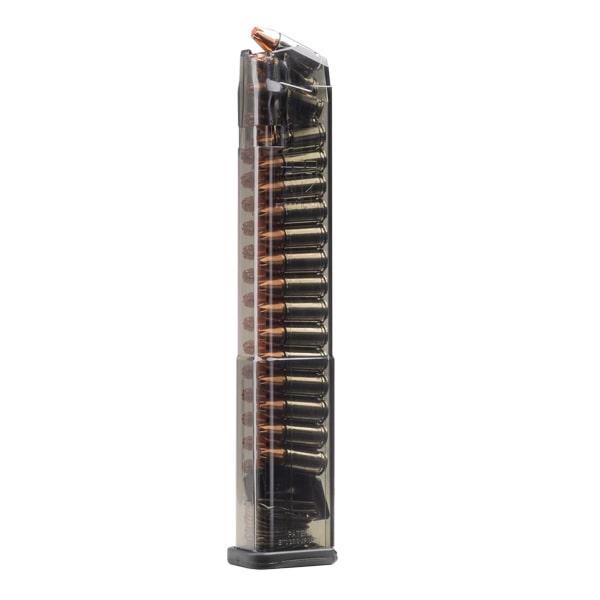
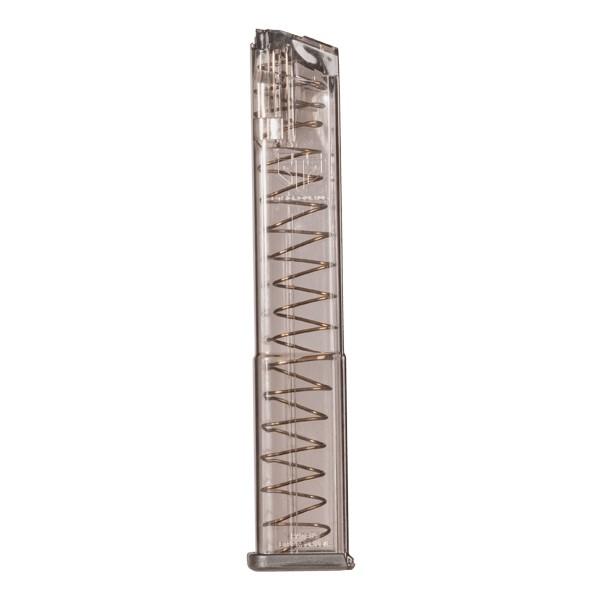
This PDW feeds from Colt-pattern 9mm magazines in a 32-round format. Colt-pattern mags have been around for decades and can be very dependable when you stick to proven manufacturers. They also come with a few practical considerations buyers should think through before committing.
- Availability and cost: Colt-pattern magazines are common, but not as universally stocked as Glock-pattern mags. If your pistol ecosystem is Glock-based, this is a separate magazine supply chain to maintain.
- Compatibility: Colt-pattern mags vary more across brands than many buyers expect. If the gun ships with one mag, budget for several more from a known-good maker and test them hard.
- Carry and storage: Stick mags are long. They carry well in subgun-style pouches and some rifle mag pouches, but they can print and poke in compact bags. For a backpack gun role, confirm your bag’s internal height and pouch layout.
Buyer checklist: Before you buy a case of magazines, confirm last-round bolt hold open behavior (if applicable), drop-free performance when loaded, and reliable feeding with your chosen defensive hollow point.
Controls and furniture: what helps in real handling
Springfield includes several features that matter more in training than on a spec sheet:
- 45-degree ambidextrous safety: Short-throw safeties can speed up first-shot readiness, especially if you train from low ready or staged storage. Confirm your grip and thumb placement keeps the safety from being bumped during recoil.
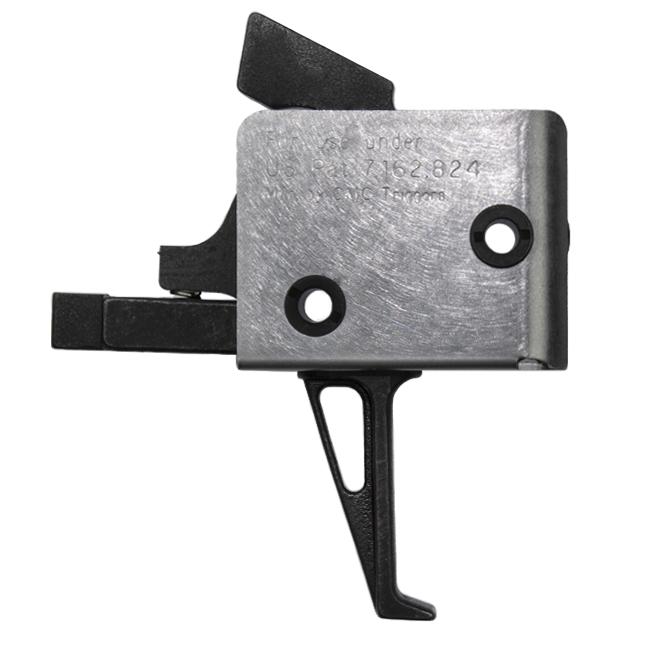
- Flat-faced trigger: Flat triggers can support consistent finger placement, particularly with gloved hands. The real test is whether the trigger breaks clean and resets positively under rapid strings.
- B5-style grip and M-LOK handguard: The grip angle and texture affect control when hands are sweaty, cold, or gloved. M-LOK gives you durable mounting for a light and sling without relying on adhesive or improvised solutions.
The brace and overall length: storage realism and compliance mindset
The SB Tactical HBPDW brace keeps the gun compact and gives multiple length settings. For practical ownership, the bigger topic is how you store and stage a short 9mm defensive firearm while staying compliant with the rules that apply to your location and configuration.
Storage realism: An 18.5 to 23.25-inch package can fit in many vehicle lockboxes, under-bed quick-access safes, and discreet packs that would not accommodate a 16-inch carbine. Measure your intended storage space, including diagonal clearance and the added length of a mounted light or suppressor.
Compliance mindset: PDW-style guns sit in a category where laws and regulations can vary by state and locality, and definitions can change. Before purchase, confirm how your jurisdiction treats pistol configurations, braces, loaded vehicle carry, and transport across state lines. If you travel for hunting, matches, or training, build a written transport plan that includes locked storage, ammunition separation where required, and documentation for NFA items if you run a suppressor.
Threaded barrel and blast diverter: why muzzle setup matters indoors
The threaded barrel ships with a blast diverter. On a short 9mm barrel, muzzle blast is real, especially indoors or under a covered range. A diverter can push concussion forward and make practice more tolerable. It also adds length and can change how the gun fits in a case.
If your plan includes a compact 9mm suppressor, a short barrel is an advantage in overall length, but you still need to think about:
- Mount compatibility: Confirm thread pitch and whether you will use direct thread or a QD system. Use a quality alignment rod if you change mounts or suppressors.
- Blowback and gas: Suppressed blowback 9mm guns often run dirtier, with more blowback to the shooter. Eye protection becomes a constant, and cleaning intervals get shorter.
- Subsonic vs defensive loads: Many defensive 9mm loads are supersonic, even from short barrels. If your priority is hearing risk reduction and controllability, you may practice with subsonic ammo and still keep a vetted defensive load staged.
Where a 9mm PDW fits: home defense, vehicle, and training
Home defense: A compact 9mm PDW can be easier to manage than a rifle in tight spaces while giving better stability than a pistol. You still need a light, a reliable optic, and a staged plan for identification and safe backstops. Choose a defensive load that functions reliably and understand penetration risks in typical building materials.
Truck gun or backpack gun: The practical challenge is securing the firearm against theft and environmental exposure. Heat cycles, dust, humidity, and vibration are real. If it lives in a vehicle, prioritize a lockbox, rust prevention, and periodic function checks. Avoid leaving loaded magazines loose in a bag where lint and debris can work into feed lips and followers.
Training value: A 9mm PDW supports high-volume practice at lower cost and recoil than rifle calibers, while still teaching sight tracking, reloads, sling management, and movement. Many shooters find a 9mm platform encourages more reps and better performance under time, which matters more than a spec list.
Setup framework: build it like a working defensive tool
If you want this platform to deliver real performance, build it around a simple framework:
- Reliability first: Pick two or three magazine brands, then standardize on the one that runs. Validate with at least 200 to 300 rounds of mixed ball plus your chosen hollow point.
- Identification: Add a dependable weapon light with a mounting solution that will not loosen. Confirm you can activate it from your normal grip.
- Targeting: A rugged micro red dot with a proven mount beats tall, fragile setups. Zero at a realistic distance for a 9mm PDW, then confirm holds at 5, 10, and 25 yards.
- Carry and retention: Add a sling that matches how you will store and deploy the gun. Two-point slings tend to work well for compact guns that may be staged in a safe.
- Maintenance plan: Blowback 9mm guns run dirty. Keep spare extractor parts if you shoot a lot, clean the chamber and feed ramp regularly, and monitor the buffer system for unusual wear.
Ammunition selection: function testing beats theory
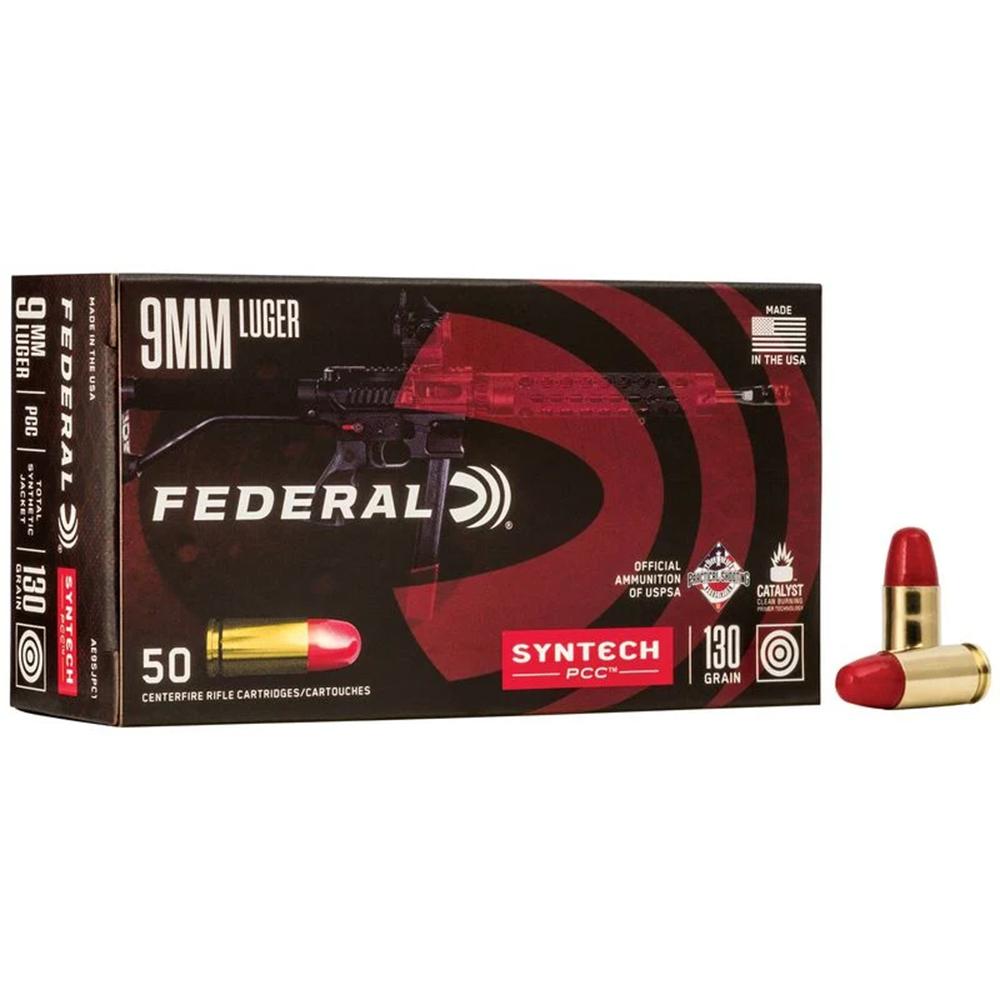
Many buyers choose premium defensive 9mm loads such as bonded hollow points for reliable expansion through intermediate barriers. The larger issue is feeding and cycling in your specific gun. Short barrels and blowback timing can change how a load behaves compared to a service pistol.
Pick a defensive load, then run a structured test:
- At least 50 rounds of your defensive load through each magazine you plan to stage
- Fast strings to confirm the gun does not outrun the magazine spring
- One-handed light activation drills to confirm controls stay consistent
Price reality: what you are buying at $1,399 MSRP
At this price point, buyers should expect solid receiver quality, a good brace system, reliable feeding with quality magazines, and consistent function across common ammo types. Budget for an optic, a light, extra magazines, and a case or lockbox. Those supporting items often determine whether the gun actually performs as a defensive tool.
FAQ
Yes, if it is set up and validated like a defensive tool: proven magazines, a weapon light for identification, a durable red dot, and a defensive 9mm load that feeds 100% in your specific PDW.
Blowback uses bolt mass and spring tension to control timing and often feels sharper and runs dirtier when suppressed. Delayed blowback uses a mechanical delay that often feels softer and can run cleaner suppressed, but tends to be more complex.
They can be very reliable with quality manufacturers, but compatibility varies. Buy several, standardize on one proven brand, and function test each magazine with ball ammo and your defensive hollow point.
A rugged micro red dot on a proven mount plus a dependable M-LOK weapon light. Confirm light activation from your normal grip and verify zero and holds at 5, 10, and 25 yards.
It can reduce velocity compared to longer barrels, which can affect hollow point expansion. Choose a defensive load known to perform across barrel lengths and confirm function and point of impact in your specific gun.
It can be, especially with a compact 9mm suppressor, but blowback systems often increase blowback and fouling. Plan for shorter cleaning intervals and be ready to tune buffer weight or springing if needed.
Regular cleaning of the chamber, feed ramp, and bolt face, inspection of the buffer system for unusual wear, and scheduled replacement of wear parts if you shoot high round counts. Use quality lubrication appropriate for heat and dust.
State and local rules vary for pistol configurations, braces, vehicle carry, and transport across state lines. Confirm your jurisdiction’s requirements, store the firearm in a secure lockbox to reduce theft risk, and follow transport laws when traveling.
Was this useful?