
Brief
Springfield Prodigy 3.5 Carry Pistol Review
Springfield Prodigy 3.5 review covering 9mm capacity, 18-round Mec-Gar magazines, recoil, optics, holsters, carry use, and ownership tradeoffs.
Shop this at BLVista
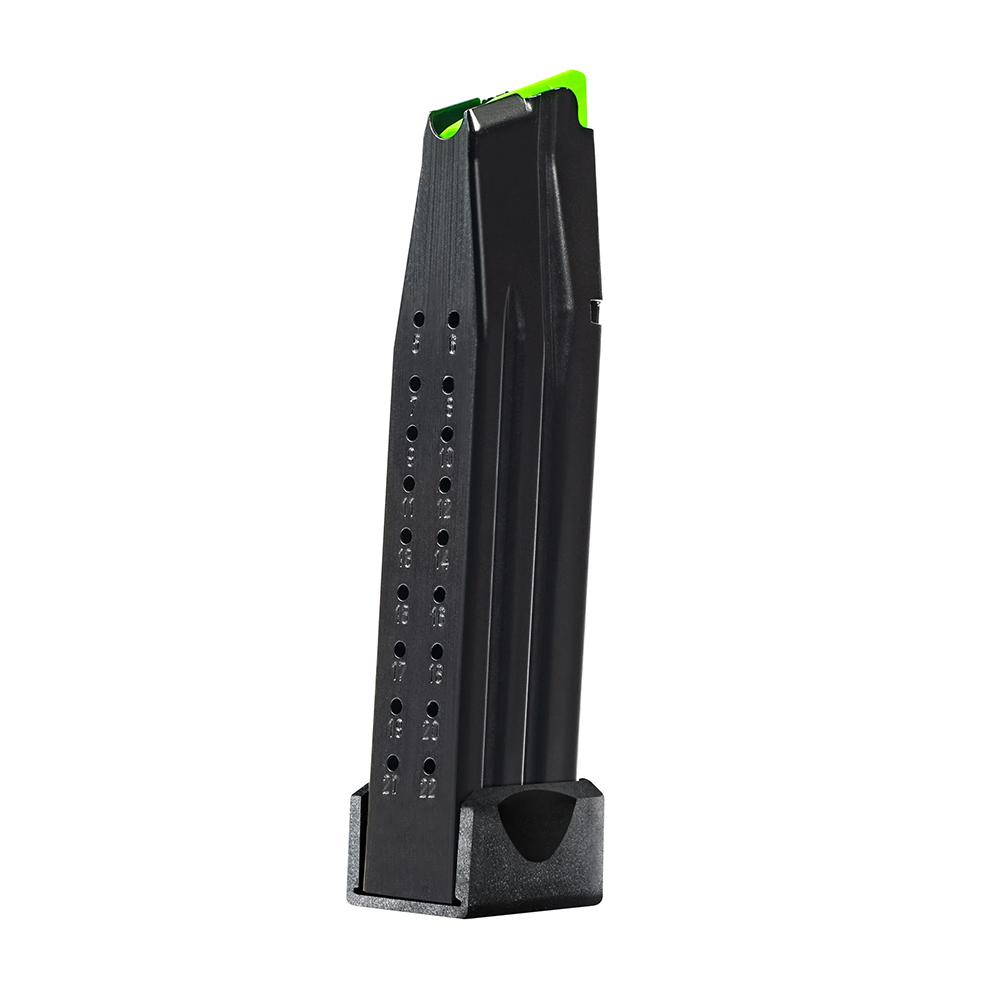
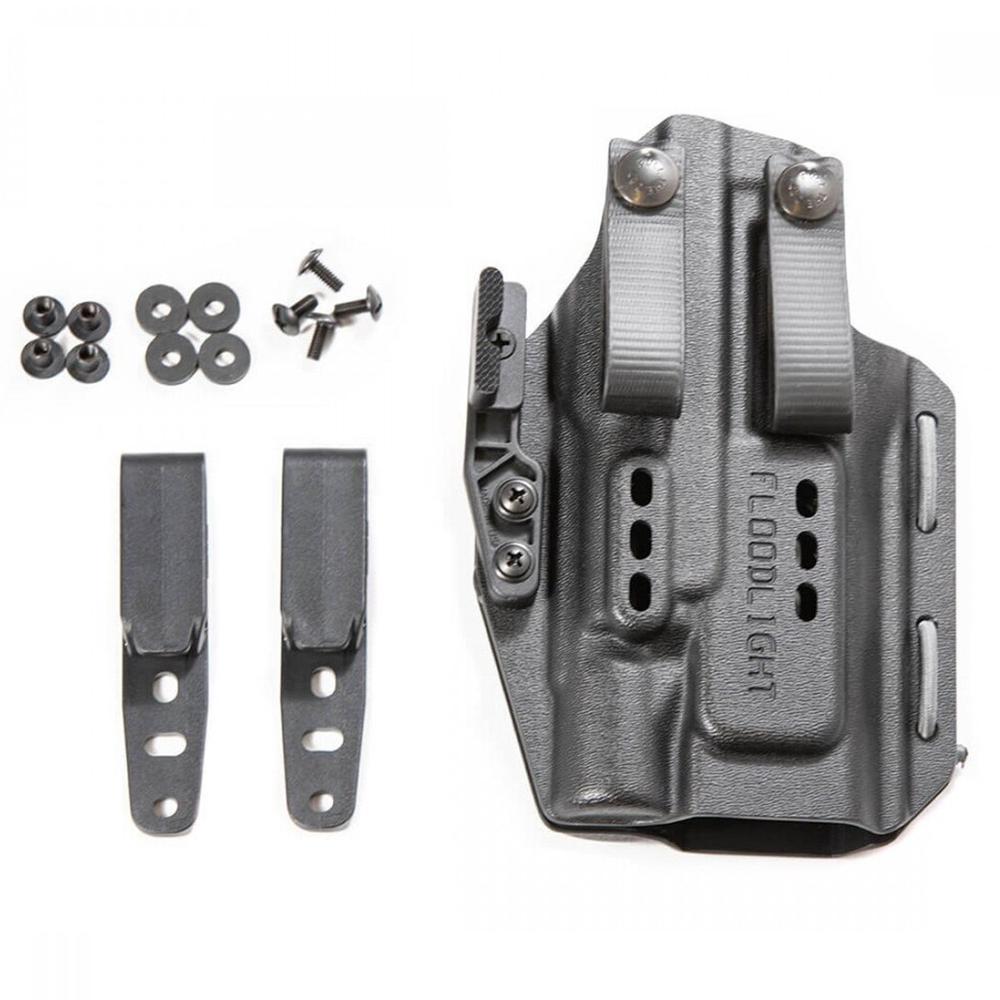
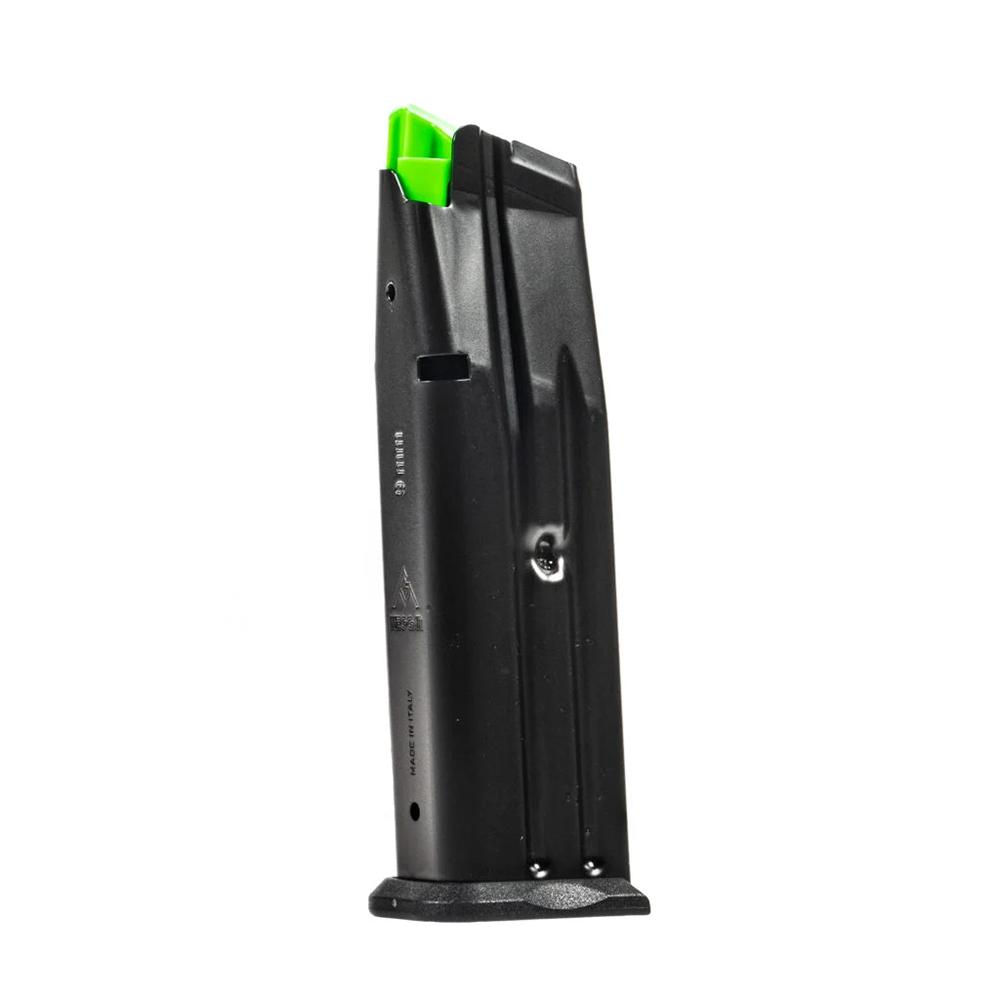
The Springfield Armory Prodigy 3.5-inch 9mm fills a specific lane in the double-stack 1911 market. It uses a short 3.5-inch barrel and compact slide on a full-size Prodigy grip frame, giving the shooter a carry-length top end with an 18-round magazine. With a round chambered, the pistol offers 18+1 capacity in 9mm while keeping the familiar controls, trigger geometry, and optic-ready slide system used across the Prodigy family.
That layout matters because carry pistols are always a compromise between shootability, concealment, weight, capacity, and maintenance burden. A short slide helps reduce muzzle length inside the waistband, especially when seated in a vehicle or bending at the waist. A full-size grip gives the firing hand more surface area, supports faster reloads, and allows use of higher-capacity magazines. The tradeoff is grip concealment. The slide is usually the easy part to hide. The butt of the pistol is what prints through a shirt.
For buyers comparing the Prodigy 3.5 to longer double-stack 1911 pistols, the main question is simple: do you want the handling and capacity of a full-size gun with a shorter carry profile, or do you need the softer recoil and longer sight radius of a 4.25-inch or 5-inch model? The answer depends on how the pistol will be carried and how often it will be trained with under realistic conditions.
What the 3.5-inch format changes
The Prodigy 3.5 is still a 9mm 1911 DS style pistol, meaning it brings a single-action trigger, frame-mounted ambidextrous thumb safety, double-stack magazine system, and grip angle that many 1911 shooters already understand. The shorter 3.5-inch barrel and slide change the timing and feel of the gun. With less slide mass and less barrel length than a 5-inch pistol, the recoil impulse feels quicker. The muzzle returns fast, but the impulse has more snap than a heavier long-slide gun.
That is physics, not a flaw. A shorter slide has less reciprocating mass. A lighter front end also carries differently. The gun feels less nose-heavy during appendix carry and less likely to press into the thigh when seated. For daily carry, that may matter more than a slightly softer shooting impulse on a square range.
Short barrels also affect ammunition choice. Standard 9mm defensive loads are commonly offered in 115-grain, 124-grain, and 147-grain weights. A 3.5-inch barrel may produce lower velocity than a 4.25-inch or 5-inch barrel with the same cartridge, depending on the load. Buyers choosing a defensive round should test their selected ammunition for reliability and point of impact in this specific pistol rather than assuming performance based on a longer test barrel. For practice, common 115-grain full metal jacket ammunition is affordable and available, while 124-grain loads often feel closer to many duty and carry loads.
Capacity and magazine choice
The move to 18-round Mec-Gar magazines is one of the more important details on this pistol. Magazines are the weak link in many 1911 DS ownership experiences, especially when shooters start mixing baseplates, springs, followers, and aftermarket extensions. A reliable 18-round magazine gives the Prodigy 3.5 real carry capacity without relying on an extended tube.
For a carry gun, two magazines in the box should be treated as a starting point. A serious user should own enough magazines to separate carry, training, and testing use. A simple system works well:
- 2 magazines reserved for daily carry after reliability testing
- 3 to 6 magazines for range work, classes, and reload drills
- 1 clearly marked magazine for malfunction practice or high-wear training
Mark each magazine with a number. If the pistol has a feed issue, lockback problem, or nose-diving round, the number tells you whether the issue follows the magazine or the pistol. This matters more with double-stack 1911 pattern pistols than with many striker-fired guns because magazine geometry, feed lip condition, and spring tension play a major role in long-term reliability.
Carry comfort and concealment
The Prodigy 3.5 should be viewed as a high-capacity carry pistol for shooters willing to dress around the grip. The 3.5-inch slide helps comfort. The full-size grip helps control. The grip is also the part that demands a correct holster, belt, and cover garment.
Appendix carry users should look for a holster designed specifically for the Prodigy 3.5 or confirmed to fit its slide length, dust cover, controls, and optic configuration. Retention must engage correctly with the actual pistol, not merely a similar 1911 DS profile. A rigid carry belt matters because a heavier double-stack pistol shifts and prints when supported by a soft belt. For inside-the-waistband carry, a claw or wing can help rotate the grip inward. A wedge can reduce muzzle pressure and help angle the grip into the torso.
If you are building a carry setup around this pistol, compare holsters, magazines, and support gear through Springfield Prodigy holster options and verify fitment before relying on the setup. For broader carry readiness planning, BLVista also maintains a concealed carry readiness guide that covers the gear and habits around the pistol itself.
Iron sights and optic readiness
The Prodigy 3.5 uses an Agency Arms optic mounting system, which gives the owner flexibility across common pistol red dot footprints when the correct plate is used. That matters because optic cuts are a long-term compatibility issue. A pistol may last decades, while optic preferences can change every few years. A plate-based system allows the shooter to move between enclosed emitters, open emitters, larger windows, or smaller carry dots without replacing the slide.
Iron sights still matter. A 3.5-inch sight radius gives less alignment forgiveness than a 5-inch pistol, yet it remains fully capable inside normal defensive distances. The source pistol demonstrated A-zone hits at 35 yards with irons, which is a useful benchmark. That distance is beyond the range where many owners verify carry guns. It shows that the short slide does not prevent meaningful accuracy when the shooter does the work.
A buyer choosing between irons and a red dot should answer three questions:
- Can you present the pistol consistently enough to find the dot under time pressure?
- Will the optic survive sweat, lint, impact, and daily carry?
- Can you maintain the mounting screws, battery schedule, and lens cleanliness?
If the answer is yes, a red dot can help at 15 to 35 yards and on partial targets. If the answer is uncertain, spend time on dry practice and live fire before making the dot your only aiming plan. For dot selection, footprint compatibility, window size, battery access, and carry durability are covered in the BLVista carry red dots guide.
Range testing that actually tells you something
A 2011-style carry gun should earn trust through structured use. A clean, lubricated pistol running 50 rounds on a calm range day tells you very little. A better validation plan uses mixed loads, multiple magazines, and realistic cadence.
For the Prodigy 3.5, a reasonable evaluation should include:
- 100 rounds of 115-grain full metal jacket for basic function
- 100 rounds of 124-grain full metal jacket or similar training ammunition
- 50 rounds of the exact defensive hollow point you plan to carry
- At least 5 emergency reload drills using every carry magazine
- Slow-fire confirmation at 15, 25, and 35 yards
- Draws from the actual concealment holster, where lawful and range-permitted
This kind of test gives you useful information. You learn whether the gun locks back with each magazine, whether the defensive load feeds cleanly from slide lock, whether the sights match your chosen ammunition, and whether the safety manipulation holds up under speed.
The single-action trigger is one reason shooters like 1911 DS pistols. It also demands discipline. A carry pistol with a short, clean trigger and frame safety requires consistent holstering habits. Keep the thumb safety engaged until the pistol is on target, keep the trigger finger indexed during movement and reloads, and use a holster that fully covers the trigger guard.
Maintenance and ownership lifecycle
The Prodigy 3.5 is more maintenance-sensitive than a basic striker-fired service pistol. That does not make it fragile. It means the owner should treat lubrication, magazines, and springs as part of the system. Short-slide pistols cycle faster, and 1911 DS guns generally prefer to run properly lubricated on the rails, barrel hood, locking surfaces, and disconnector track.
After the first several range sessions, inspect the pistol for patterns. Look at extractor tension indicators such as erratic ejection, check optic screws for movement after live fire, monitor magazine feed lips for damage, and keep lint out of the grip safety, thumb safety, and optic window. If the gun is carried daily, sweat exposure and body lint matter as much as round count. A weekly wipe-down and a periodic function check are cheap insurance.
Storage and transport deserve the same attention. Store the pistol in a secure container that prevents unauthorized access. Transport it according to your state and local rules, especially when crossing state lines. If you carry with 18+1 capacity, confirm that your jurisdiction allows that magazine capacity before leaving home. Legal context around magazine restrictions changes by location, so compliance is part of responsible ownership.
Who should consider the Prodigy 3.5
This pistol makes the most sense for shooters who already appreciate 1911 controls and want 9mm capacity in a carry-capable package. It also fits the buyer who wants one pistol for concealed carry, range work, and defensive training rather than a tiny gun that becomes unpleasant after 100 rounds.
It is less ideal for someone who wants the lightest possible carry pistol or the simplest maintenance routine. A slim single-stack or micro-compact will carry with less weight and bulk. A full-size 5-inch double-stack 1911 will usually shoot flatter. The Prodigy 3.5 sits between those extremes with 18-round magazines, a 3.5-inch barrel, optic readiness, and a control layout built for shooters who train.
If you are comparing this pistol against other 9mm carry guns, start with the full system rather than the gun alone. Price the holster, spare magazines, optic plate, red dot if desired, belt, defensive ammunition, and a realistic first 500 rounds of training ammunition. A carry pistol is only as useful as the setup around it. BLVista shoppers can begin with 2011 9mm pistol options and compare the supporting gear before committing.
Decide if the 3.5-inch Prodigy fits your carry system
The Springfield Prodigy 3.5 is best understood as a compact-slide, full-grip 9mm for shooters who want 18+1 capacity and 1911 DS handling in a pistol that can still be carried with the right holster and belt. Its strengths are capacity, shootability, optic flexibility, and familiar Prodigy controls. Its tradeoffs are grip concealment, sharper recoil compared with longer models, and the need for disciplined maintenance.
For the right owner, those tradeoffs are manageable. Confirm local magazine rules, test your carry load, number your magazines, choose a holster that fits the exact pistol, and train with the safety until it becomes automatic. That process reduces purchase risk and gives you a clearer answer than any spec sheet alone.
FAQ
Yes, the Springfield Prodigy 3.5 can work well for concealed carry if you can manage the full-size grip. The 3.5-inch barrel and shorter slide improve comfort, while the 18-round magazine gives strong 9mm capacity. The holster, belt, and cover garment determine how well it hides.
The Prodigy 3.5 uses 18-round Mec-Gar magazines. With a round chambered, that gives the pistol an 18+1 capacity in 9mm, subject to local magazine restrictions.
No, the pistol can be run with iron sights, and a 35-yard A-zone standard is realistic for a trained shooter. A red dot can help with precision, speed at distance, and target focus, but it adds mounting, battery, and maintenance responsibilities.
Test common 115-grain and 124-grain training loads, then run the exact defensive load you plan to carry. Many buyers also test 147-grain 9mm to compare recoil feel and point of impact. Reliability in your pistol matters more than advertised velocity from another barrel length.
Two magazines are enough to start, but a serious carry and training setup should include at least 5 magazines. Keep 2 tested magazines for carry and use the others for range work, reload drills, and classes.
Was this useful?