
Brief
PCC Competition for Beginners: Choosing a 9mm Carbine, Optic, and Match Gear That Actually Works
Learn how to pick a match-legal 9mm PCC, Glock-mag setup, and reliable optic. Practical gear, recoil system tradeoffs, and maintenance for competition.
Shop this at BLVista
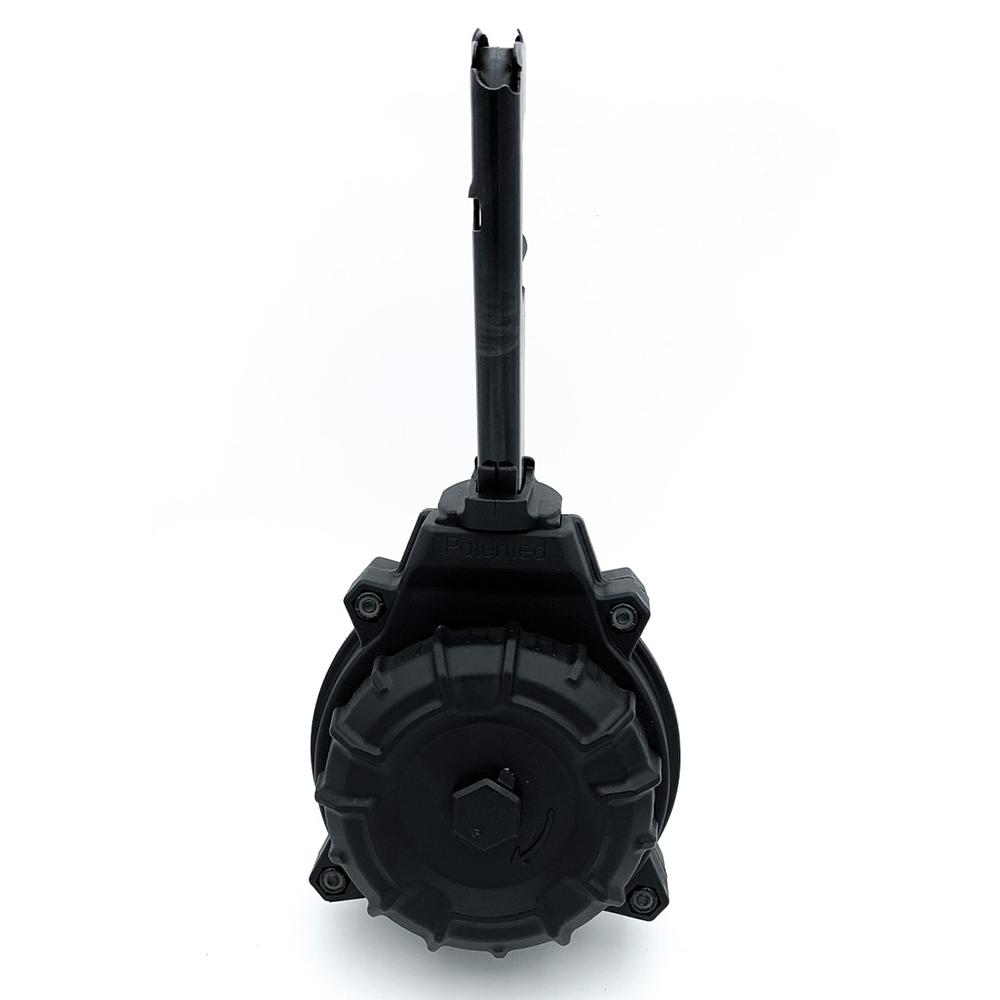
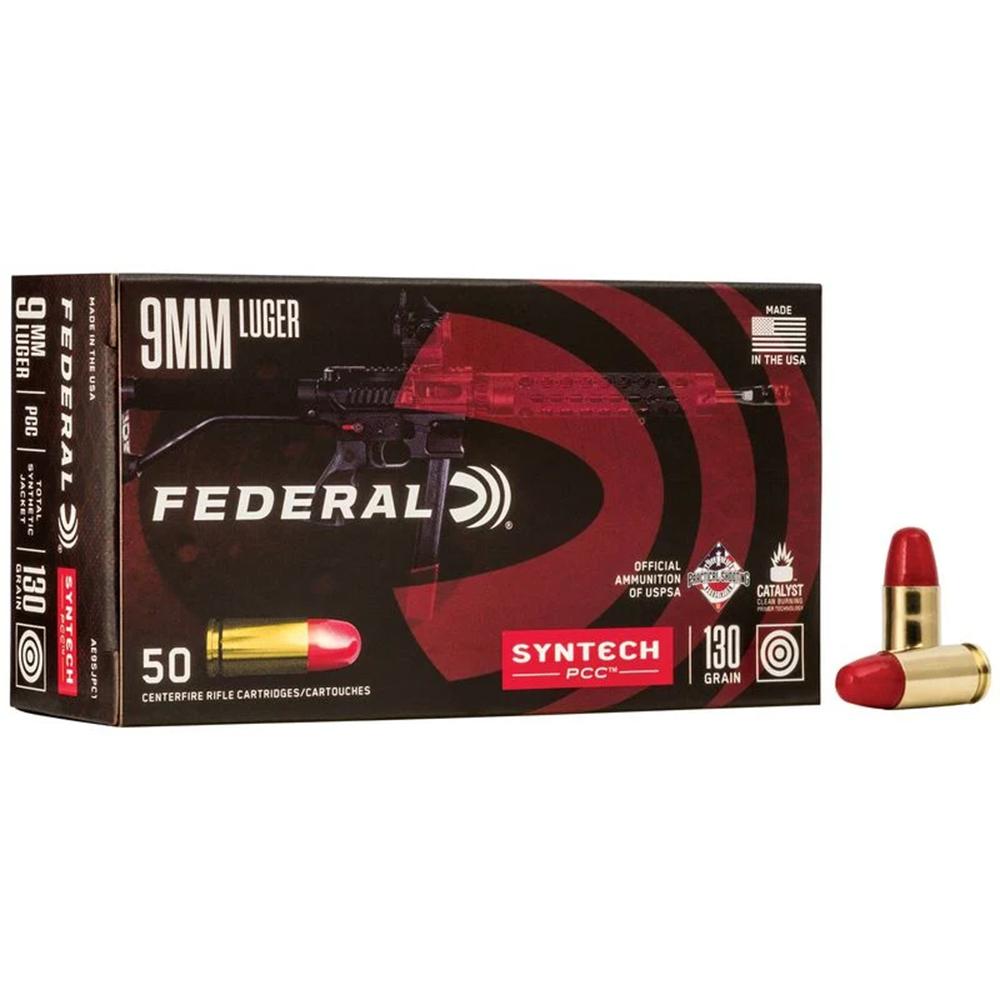
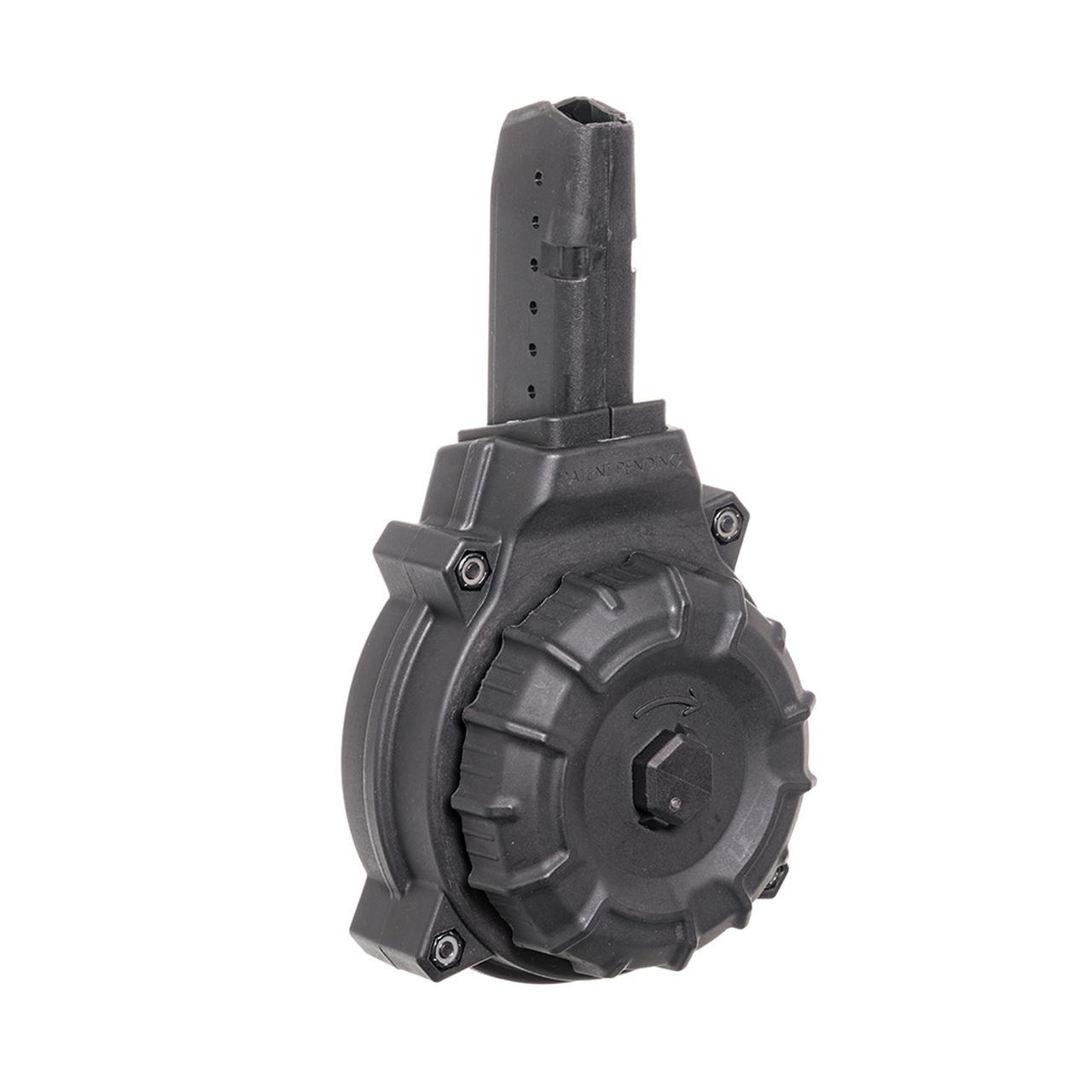
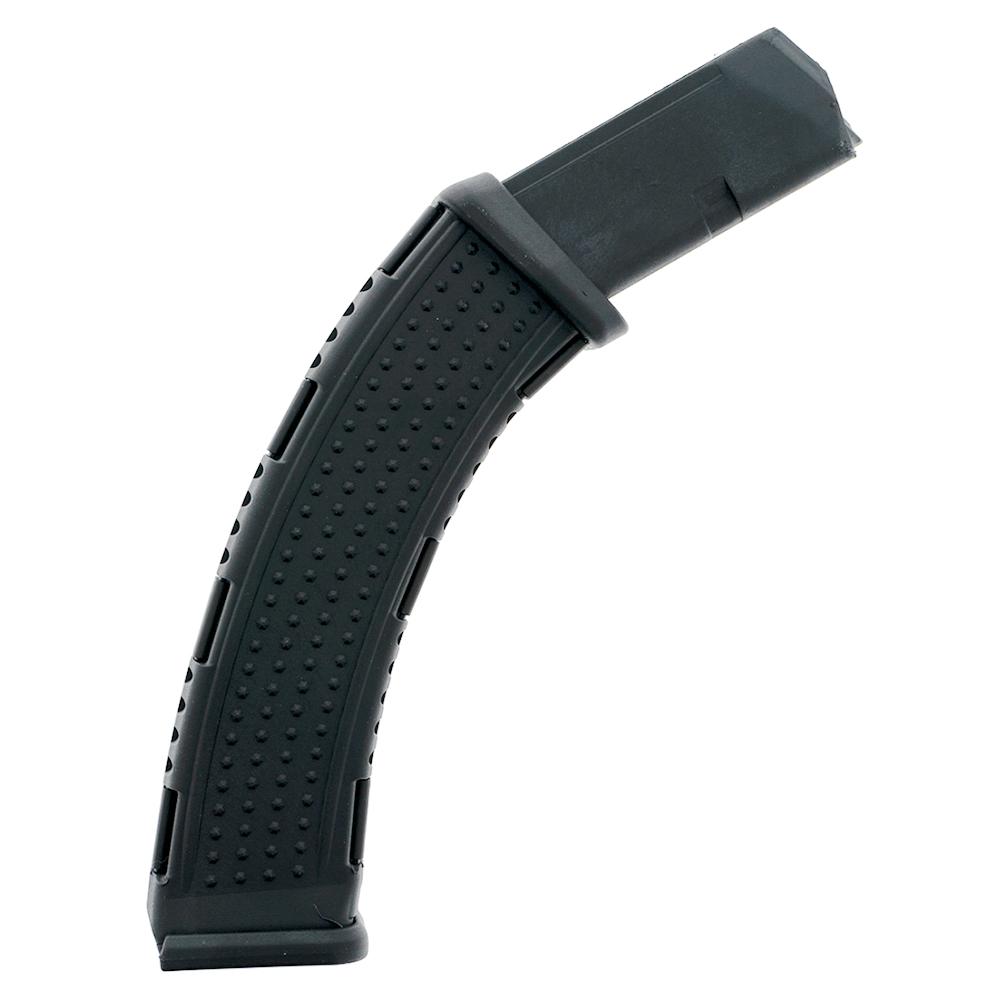
Pistol caliber carbine (PCC) competition sits in a sweet spot for a lot of shooters. It is fast like pistol matches, easier to shoot well than a handgun, and cheaper to feed than a 5.56 rifle. If you already own a 9mm handgun, you may also be able to share ammo and magazines, which keeps your practice budget predictable.
This guide focuses on what matters for real match performance and long term ownership: compliance, reliability, recoil behavior, magazine ecosystem, optics choices, and the gear decisions that reduce frustration on match day.
Why PCC competition clicks for new and experienced shooters
Hits come easier, and that changes the learning curve
A stocked carbine gives you more contact points, more stability, and a clearer sight picture under speed. That typically means faster progress on fundamentals like transitions, calling shots, and learning stage plans. PCC also rewards efficient gun handling, which carries over to other disciplines.
Matches are common because logistics are simple
Clubs can run PCC alongside pistol divisions on many bays with similar target arrays. Steel matches, action steel, and USPSA style stages often accommodate PCC without requiring special infrastructure, so opportunities to shoot are usually easier to find.
Training volume stays realistic
9mm remains one of the easiest cartridges to source in volume. For most shooters, the ability to practice more often matters more than chasing marginal equipment advantages. PCC competition is an area where ammo cost and round count drive participation over time.
Compliance and match rules: start here
Most PCC divisions are built around carbines, not braced pistols. Many clubs and sanctioning bodies restrict braced pistols even when they are legal to own. Plan for a 16-inch rifle configuration or a registered short barreled rifle where lawful and appropriate.
Before you buy, confirm:
- Your local club and match rules for PCC barrel length and stock configuration
- State and local transport and storage requirements
- Magazine capacity rules at your matches, including any state limits
Build your setup so it is both match compliant and legally boring. That reduces risk and keeps your attention on shooting.
Choosing caliber: why 9mm dominates
Many PCC divisions allow 9mm, .40 S&W, .45 ACP, 10mm, and a few others. In practice, 9mm wins for most competitors because it checks the boxes that matter:
- Cost and availability for practice and match weekends
- Lower recoil impulse for faster sight recovery
- Higher magazine capacity with common magazine bodies
- Broadest compatibility across guns, mags, and aftermarket support
Unless you have a specific reason to run a larger caliber, 9mm keeps the ownership lifecycle simpler and the training cadence higher.
Magazine platform: pick the ecosystem, then the gun
PCC reliability and match flow often come down to magazines. A good gun with problem magazines still costs you stages. For that reason, many shooters gravitate to Glock pattern magazines because the ecosystem is deep and parts are everywhere.
Why Glock pattern magazines keep showing up
- Availability: OEM and quality aftermarket options are easy to find
- Capacity options: common 17, 21, 24, 33-round formats, plus extensions
- Cost control: you can buy several and test them without taking a loan
- Support: basepads, springs, followers, and pouches are widely compatible
Reliability tips for PCC magazines
- Mark every magazine and track malfunctions by magazine number
- Replace springs on a schedule if you run extended capacity or shoot high volume
- Keep magazines clean and dry inside, especially after dusty outdoor matches
- Confirm feed reliability with your match ammo, not just a single box on the range
Action type matters: blowback vs delayed systems
PCCs often look similar from the outside, especially AR-pattern guns, but internal operating systems change recoil feel, dot movement, and maintenance needs.
Straight blowback (direct blowback)
Straight blowback PCCs keep costs down through mechanical simplicity. They tend to run with a heavier bolt and buffer to manage opening forces. That weight can add reliability, but it can also produce a sharper recoil impulse and more dot movement than many shooters expect from 9mm.
What to watch for: bolt and buffer weight tuning, extractor health, and consistent ejection. A poorly tuned blowback can feel abrupt and can be harder on parts over high round counts.
Radial-delayed blowback
Delayed systems reduce how abruptly the action opens. In practical terms, many shooters experience a softer, flatter recoil cycle. That helps with quick doubles, plate racks, and keeping the dot centered during transitions.
What to watch for: parts compatibility and keeping the system within spec. When delayed guns run right, they are easy to shoot fast. Treat them like match equipment and stay on top of wear items.
Roller-delayed blowback
Roller-delayed systems can feel exceptionally flat when executed well, especially with a tuned muzzle device. They often cost more because the design and manufacturing tolerances are demanding. If you are chasing performance at the top end, recoil behavior becomes a real advantage in stage times and hit quality.
Three PCC choices that cover most buyer needs
AR-pattern PCCs dominate competition for a reason: familiar controls, easy accessory mounting, and a huge support network for triggers, grips, safeties, charging handles, and stocks.
Budget: Aero Precision EPC-9 (build-oriented)
The EPC-9 is a common entry point because it lets you assemble a competition-leaning gun without paying for features you will replace anyway. The key advantage for match use is the last round bolt hold open design, which helps with admin handling and training habits.
Who it fits: shooters who want to build, tune buffer weight, and select their own barrel, trigger, and handguard.
Ownership reality: straight blowback recoil can be snappy unless you tune the system. Plan to test buffer weights and confirm reliability with your exact magazines and ammo.
Mid-tier: CMMG Resolute MkGs (radial-delayed)
The Resolute MkGs is a practical step up because the delayed system typically feels flatter and easier to run fast. For a shooter who wants to buy a ready-to-compete rifle, it covers the basics well and still accepts common Glock pattern magazines.
Who it fits: shooters who value recoil behavior and want less time spent tuning a blowback setup.
Ownership reality: treat it like a match gun. Keep spares for small wear items, and set up sling attachment points that match how you transport and stage the rifle.
High-end: JP Enterprises JP-5 (roller-delayed)
JP competition guns are built around speed and consistency, and the JP-5 is priced accordingly. Where it earns its reputation is in how little the dot moves during rapid strings and how predictable the gun feels from target to target.
Who it fits: serious competitors who already train consistently and want equipment that stays out of the way.
Ownership reality: you still need match-proof magazines and a durable optic. Expensive guns do not fix poor ammo choice or bad maintenance.
Optics for PCC: speed first, durability always
Most PCC competitors run a non-magnified optic. The targets are commonly inside 5 to 25 yards, and the time savings over irons is real. Pick an optic that stays on, holds zero, and offers a forgiving sight picture.
Budget red dot: SIG Sauer ROMEO5 Gen II
A dependable budget dot with motion activation makes sense for a gun that may sit between matches. For new shooters building skills, a consistent 2 MOA dot and a solid mount solve more problems than fancy features.
General-purpose match optic: Holosun 510C
A larger window helps on hard transitions and unusual shooting positions. The multi-reticle option can also be useful in practical shooting, especially a circle-dot for fast centering on USPSA-style scoring zones and steel plates.
Astigmatism option: Swampfox Blade 1x prism
If projected dots smear for your eyes, a prism with an etched reticle can be easier to use at speed. The tradeoff is a tighter eyebox and more sensitivity to head position. For barricades and awkward leans, that matters.
Mount height and mechanical offset: the PCC reality check
At close distances, height over bore becomes a real factor. Confirm your offset holds at 5, 10, 15, and 25 yards and do it with your match zero. A simple practice drill is five controlled hits at each distance on a small paster or 2-inch circle while aiming center. Record the hold you need and tape it inside your range notebook.
Two optics on one PCC: when it makes sense
Some advanced shooters run a second offset dot for extreme leans or shooting from constrained boxes where a normal cheek weld is impossible. This is a performance choice, not a redundancy plan.
Decision rule: add an offset dot only after you have shot enough matches to identify specific stage problems it solves. Until then, put the money into ammo and training.
Accessories: what helps, what distracts
Muzzle brakes and compensators
On a PCC, a good muzzle device can reduce muzzle rise and keep the dot flatter during splits. It also adds length and blast. If you practice on indoor ranges, consider noise and concussion.
Selection checklist:
- Thread pitch compatibility and proper timing or shimming
- Build quality that tolerates high round counts and cleaning
- Match legality for your division and local range rules
Lasers
Visible lasers show up in niche stage plans such as hip-level starts, but they add complexity and failure points. For most shooters, a stable ready position and a practiced presentation solve the same problem with less equipment.
Magazine extensions
Extensions can reduce reloads and simplify stage planning. They also increase the chance that a magazine becomes the weak link through spring issues or inconsistent seating. If you run extensions, treat them like consumables and test them hard.
Practical approach: keep a few match-proven high-capacity magazines for stages that reward it, and keep standard capacity magazines for training and troubleshooting.
What to bring to your first PCC match
- Reliable PCC with confirmed zero and a match-legal configuration
- At least 4 magazines, more if your stages are high round count
- 1x optic with fresh battery or verified runtime
- Magazine pouches that retain securely while running
- Range bag essentials: lube, basic tools, a small parts kit, eye and ear pro
- Ammo tested for function in your gun and magazines
Maintenance and durability for high round count PCCs
PCC competition burns rounds quickly, and blowback systems vent more fouling into the action. Keep maintenance simple and consistent.
- Clean the chamber and feed ramp to prevent intermittent feeding issues
- Inspect extractor and ejector as round counts climb
- Monitor buffer and spring wear, especially on straight blowback builds
- Confirm optic mount torque and periodically check zero
- Keep magazines maintained since they drive most reliability problems
A simple buyer framework for choosing your first PCC
- Match compliance first: configure as a rifle or lawful SBR, then confirm club rules.
- Ecosystem second: pick the magazine platform you can support with spares and pouches.
- Recoil behavior third: decide whether you want to tune blowback or pay for a delayed system.
- Optic next: prioritize durability, battery management, and window size over features.
- Spend remaining budget on ammo: stage skill and gun handling improve fastest with reps.
FAQ
For most shooters, 9mm is the best choice for PCC competition because it is widely available, affordable for high round counts, and offers low recoil with high magazine capacity. It also has the broadest selection of PCC rifles, magazines, and aftermarket support.
Many clubs and organizations restrict braced pistols in PCC divisions. Plan on using a 16-inch rifle or a legally registered SBR where permitted. Always verify the specific match rules and local compliance requirements before you show up.
Straight blowback PCCs cost less and are mechanically simple, but they often feel sharper in recoil and may benefit from buffer and bolt tuning. Delayed systems like radial-delayed or roller-delayed tend to shoot flatter and keep the red dot steadier at speed, which can matter in USPSA, Steel Challenge, and action steel.
Glock pattern magazines are popular because they are easy to source, generally reliable, available in many capacities, and supported by a large aftermarket for extensions, springs, and basepads. That ecosystem reduces downtime and makes it easier to keep match-ready spares.
A durable 1x red dot with a forgiving window is the most common choice because it supports fast target transitions at close distances. If you have astigmatism that makes red dots bloom, a 1x prism optic with an etched reticle can provide a clearer aiming point with different tradeoffs in eyebox and eye relief.
Bring at least four reliable magazines for your first match. High round count stages, strict start positions, or magazine capacity limits can increase what you need. Mark each magazine and remove any that cause malfunctions to reduce match-day failures.
A compensator or brake can help keep the gun flatter during rapid strings, especially on straight blowback PCCs. It also increases blast and noise. For new shooters, prioritize a reliable gun, dependable magazines, and a solid optic before adding muzzle devices.
Focus on chamber and feed ramp cleanliness, extractor and ejector inspection, buffer and spring condition, and magazine maintenance. Confirm optic mount torque and verify zero periodically. Reliability work that prevents stoppages will improve match performance more than most accessory upgrades.
Was this useful?