
Brief
Canik Void Suppressors: What the Line Offers and How to Choose the Right Can
Practical guide to the Canik Void suppressor line: specs, HUB mounting, barrel limits, gas and sound tradeoffs, durability, maintenance, and choosing the...
Shop this at BLVista
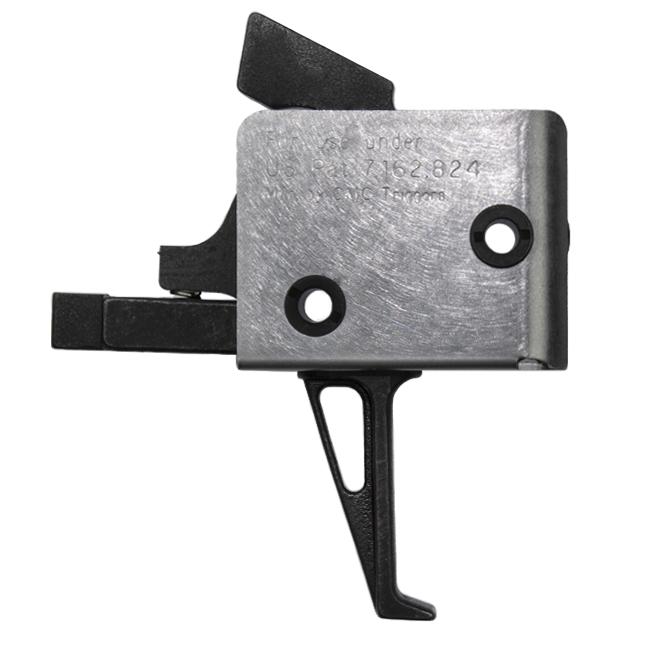 CMC Triggers AR-15/10 PCC Single Stage Trigger 9mm Luger 3.5lb Pull Flat Black
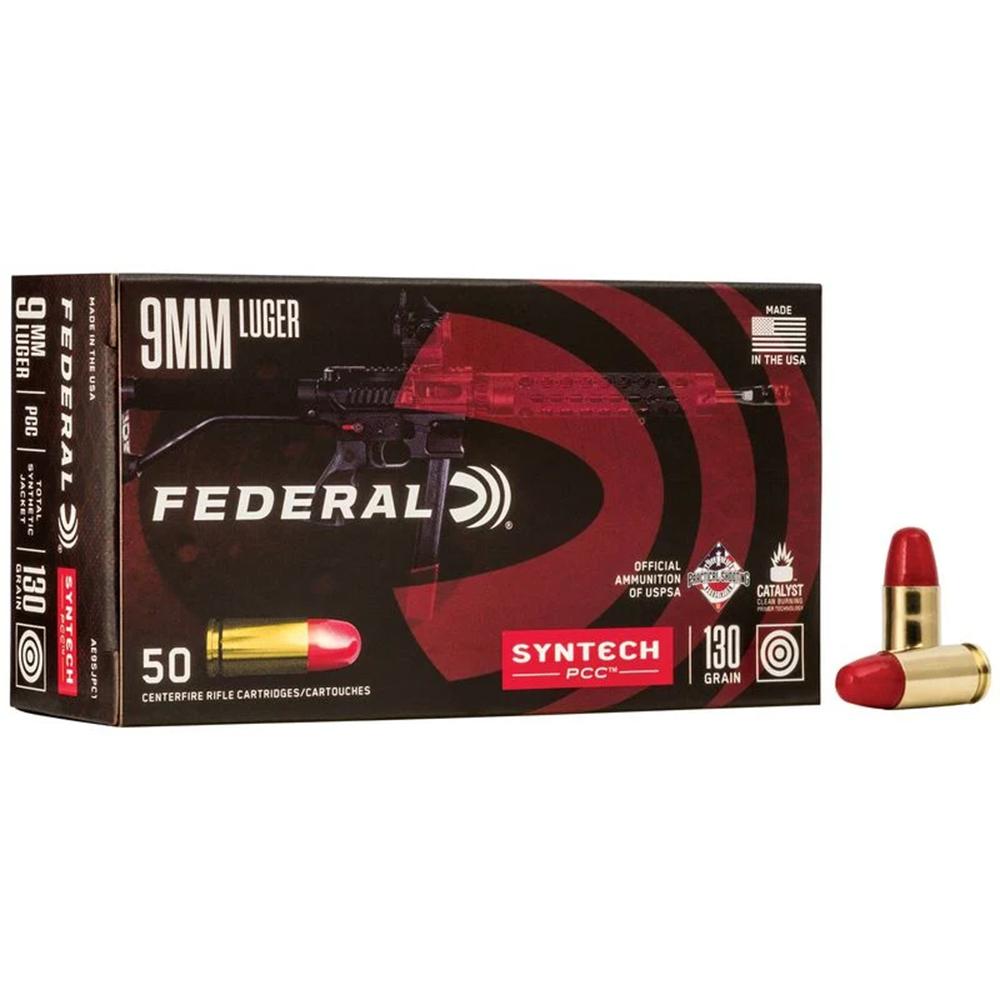 Federal Syntech PCC Ammunition 9mm Luger 130 gr TSJ 1140 fps 50/ct
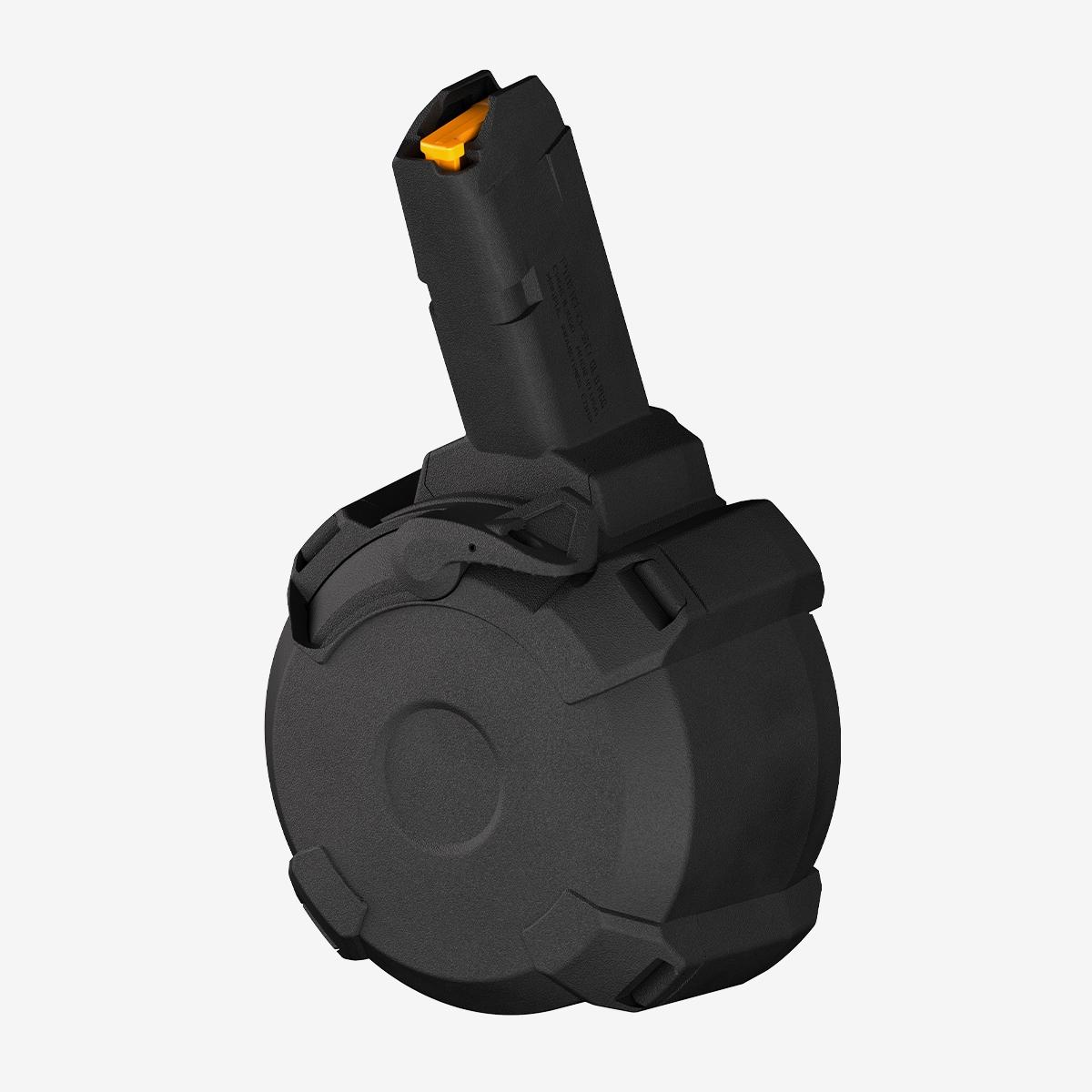 Magpul Accessories Glock Platform PCC Rifle/Carbine Magazine 9mm Luger 50/rd
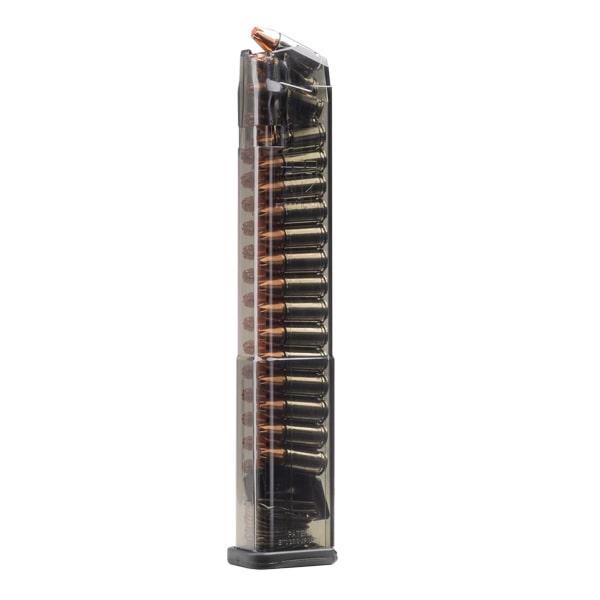 Elite Tactical Systems Carbon Smoke Handgun Magazine for Glock 17 9mm Luger 32/rd
Start here
Suppressor Buying Guide
Read the guideUse this as the parent page for suppressor buyers who need one durable answer instead of chasing isolated product takes and regulatory headlines.
Use the evergreen guide first, then come back to this article for the narrower case or product angle.
Suppressor demand keeps climbing for one simple reason: more shooters can finally justify the time and paperwork when the market offers better availability, clearer options, and broader compatibility. Canik’s entry, the Void suppressor line, follows that trend with a straightforward lineup built for common real-world use: 9mm pistols and PCCs, plus 5.56 and .30-caliber rifles.
Canik is not building these in isolation. The Void line is built for Canik by Otter Creek Labs, and the product decisions make more sense when you view them through the lens of long-term ownership: mounting standards, service life under heat, cleaning expectations, and how much gas you are willing to manage on an AR-pattern rifle.
What’s in the Canik Void lineup
The line breaks into one pistol/PCC model and three rifle models:
- Void-9: 9mm suppressor for pistols and PCCs; also rated for certain .300 BLK use within limits.
- Void-556: full-size 5.56 can for 5.56 NATO, 6mm ARC, and similar cartridges with barrel length limits.
- Void-556K: shorter 5.56 model focused on reduced length and weight.
- Void-762: .30-caliber rifle can supporting a broad spread from .300 BLK through .308 Win and up to .300 Win Mag within specified barrel lengths.
All four are HUB-compatible, a key detail for buyers who plan to run one suppressor across multiple hosts. HUB (commonly 1.375×24) gives you access to a large ecosystem of mounts and adapters, and it reduces the risk of getting locked into proprietary hardware when your rifle lineup changes over time.
Void-9: 3D-printed titanium with pistol and PCC intent
The Canik Void-9 is the outlier in construction. It is 3D-printed titanium with a black Cerakote finish. On paper that matters for three practical reasons:
- Weight management on pistols: suppressor weight affects cycling and reliability, especially on compact guns. Titanium helps keep the front end from feeling like a boat anchor during long training sessions.
- Corrosion resistance: titanium generally tolerates moisture well, which matters for sweaty concealment carry in a bag, humid range environments, and rainy outdoor use.
- Heat behavior and firing pace: titanium suppressors can heat quickly. If your use is high-volume PCC drills, pay attention to how fast you shoot, how you manage cool-down, and what your storage routine looks like afterward.
Void-9 key specs (as published)
- Caliber: 9mm
- Material: titanium
- Construction: additive manufacturing (3D printing)
- Mount: HUB, 1/2×28
- Size: 6 in long, 1.625 in diameter
- Weight: 12 oz
- Origin: USA
- MSRP: $849.99
Use cases that fit the Void-9
- Pistol training: if you want a suppressor for structured range work, the deciding factor is usually reliability. Plan for a quality piston and spring assembly, correct thread pitch for your barrel, and an ammo plan that keeps recoil impulse consistent.
- PCC shooting: for 9mm carbines, direct-thread simplicity often wins. The practical risk is loosening during long strings. Use proper torque, check periodically, and keep threads clean and lightly lubricated.
- Limited .300 BLK crossover: ratings matter. If you want a dedicated .300 BLK can, a .30-caliber rifle suppressor remains the safer long-term choice. If you want occasional subsonic .300 BLK use within the stated limits, treat that as a specialty role and follow the barrel and firing schedule constraints.
Interchangeable front caps: what it means in real use
Removable or interchangeable caps are mainly about tuning. Some setups prioritize lower backpressure and reduced gas to the shooter. Others prioritize maximum sound reduction. In the field, the right answer depends on your host:
- Handguns: prioritize reliability and consistency. A setup that increases fouling can drive malfunctions faster on pistols.
- PCCs: you can often chase sound performance more aggressively because the platform has more mass and usually better cycling margins.
Void-556 and Void-556K: 5.56 suppressors with barrel limits
The Void-556 and Void-556K target 5.56 NATO, 6mm ARC, and similar cartridges, with a stated guidance to keep barrel length at 10.5 inches or longer. Barrel limits are not trivia. Short barrels increase pressure and heat at the suppressor, which can accelerate wear and push a can outside its intended duty cycle.
Choosing between the full-size and K model comes down to how you actually use the rifle.
- Void-556 (full-size): better choice for shooters who want the most sound reduction possible from this family and do not mind a bit more length and weight.
- Void-556K (compact): better for tight handling in vehicles, around barricades, in classes where you are moving between positions, and for anyone running a rifle that already feels long with a light and an optic.
Canik lists the full-size at 6.1 inches and 15 ounces, and the K at 5.1 inches and 12 ounces. The practical difference is not just sound. Shorter suppressors often feel more balanced on SBRs and 14.5-inch rifles, which can reduce fatigue and improve control over a long day.
Void-762: one suppressor across multiple .30-caliber rifles
The Void-762 is positioned as the broadest utility option. It matches the full-size 5.56 can in listed size and weight and supports a range that includes:
- .300 BLK with a 9-inch barrel
- 7.62×39 with a 10.5-inch barrel
- .308 Win with a 16-inch barrel
- .300 Win Mag with a 20-inch barrel
This is the suppressor type many buyers end up with first because it reduces purchase risk. A .30-cal can often covers multiple rifles while you learn what you actually value: sound at the ear, flash reduction, recoil impulse, gas management, and mounting convenience.
Materials and construction: titanium vs welded stainless baffles
The rifle models use welded stainless steel baffle stacks. Stainless baffles are a common choice for durability under high heat and hard use. That matters for:
- High round count training: longer strings, faster pace, and repeated heating and cooling cycles.
- Shorter barrels within limits: higher pressure at the muzzle stresses suppressor internals.
- Long-term maintenance: stainless generally tolerates aggressive cleaning methods better than many lightweight materials, depending on the specific cleaning approach.
For buyers, the takeaway is simple. If you plan to live on a suppressor in classes, the rifle cans built around welded stainless baffles often hold up well to the abuse pattern that comes with carbine training.
Flow-through vs traditional sound performance: choosing end cap setups
The rifle suppressors include removable end caps intended to let you choose between flow-through gas behavior and optimal sound suppression. In practical terms, that is a choice between:
- Less gas to the face: especially relevant on DI AR-15s, indoor ranges, and high-volume days where blowback becomes a safety and comfort issue.
- More suppression potential: attractive for hunting, rural shooting, and anyone prioritizing hearing risk reduction for the shooter and the people around them.
A useful mental checklist for AR owners:
- How much do you shoot indoors? Indoor ranges amplify concussion. Favor gas control to keep sessions tolerable.
- Do you run suppressed most of the time? If yes, plan for tuning with buffer weight, spring choice, and possibly an adjustable gas block or BRT-style gas solution, depending on the rifle.
- Do you hunt with this rifle? Prioritize flash control and sound reduction, and verify point of impact shift with your chosen ammo.
Mounting and compatibility: HUB is the real story
HUB compatibility drives long-term flexibility. It lets you:
- Standardize mounts across rifles so you can move the can between hosts without re-zero drama.
- Adopt common muzzle devices that are easy to replace if one gets damaged.
- Keep the suppressor relevant when you change rifles, switch from direct-thread to QD, or build a new upper.
The line also includes threaded adapters for direct-thread use. Direct-thread is still the simplest option for many hunters and backcountry shooters because it reduces moving parts. The tradeoff is the need for periodic checks during use and careful thread protection in transport.
Ownership lifecycle: cleaning, storage, and keeping suppressor use compliant
Suppressors are durable tools, but they reward disciplined handling. A few practices reduce long-term headaches:
- Heat and storage: let the suppressor cool before putting it in a case. Trapping heat and moisture accelerates corrosion on mounts and threads, even when the can itself is corrosion resistant.
- Thread care: keep threads clean and lightly lubricated with a product suited for high heat. Avoid over-application that can migrate into the bore.
- Mount inspection: check for carbon locking, worn taper surfaces, and loose fasteners on muzzle devices. Most baffle strikes trace back to mounting issues, alignment problems, or user error during installation.
- Ammunition planning: if sound reduction is your goal, confirm which loads stay subsonic in your barrel length. Many “subsonic” labels are barrel-length dependent.
- Transport and documentation: store your suppressor securely and keep your registration documentation accessible according to your risk tolerance and local norms. Know your state rules and travel considerations, especially when crossing state lines for hunts or training.
Price positioning and how to decide
Listed MSRP is $849.99 for the Void-9 and $649.99 for the Void-556, Void-556K, and Void-762. Rather than fixating on MSRP, evaluate total cost of ownership:
- Mounting system cost: QD mounts and muzzle devices add up quickly if you want multiple hosts ready to go.
- Tuning parts: AR tuning can include buffers, springs, adjustable gas, charging handles designed for gas mitigation, and spare gas rings.
- Host readiness: pistols usually need a threaded barrel and the correct booster hardware, and reliability testing costs time and ammo.
Which Canik Void suppressor makes the most sense?
- Choose the Void-9 if your priority is a 9mm pistol and PCC suppressor with a lighter titanium build and HUB flexibility.
- Choose the Void-556 if you want a dedicated 5.56 suppressor and prioritize sound performance over compact handling.
- Choose the Void-556K if you shoot 5.56 and care most about maneuverability, training movement, and a shorter overall package.
- Choose the Void-762 if you want one suppressor to cover multiple rifle calibers, especially if .300 BLK, 7.62×39, or .308 are part of your lineup.
Related reading
For the broader picture, start with Suppressor Buying Guide.
- Suppressor Buying Guide – Use this as the parent page for suppressor buyers who need one durable answer instead of chasing isolated product takes and regulatory headlines.
- Ambient-Intake Suppressors: Cooler Cans, Clearer Glass, Better Real-World Pace
- Do You Still Need Hearing Protection with a Suppressor? Practical Guidelines for Real Range and Field Use
- Suppressors After the $0 Tax Stamp: What Buyers Should Expect in 2026
Shop related gear
- Suppressors & Accessories – Browse mounts, muzzle devices, adapters, and other can-support gear.
- Ear Muffs – Keep hearing protection in the plan, especially for indoor lanes and higher-pressure setups.
- Barrels – Match thread pattern, barrel length, and host use before you commit to a suppressor setup.
- Tetra Gun Suppressor Cleaner Bath – A straightforward option for cleaning intervals when your setup runs dirty.
FAQ
Yes. The Void-9 and the rifle models (Void-556, Void-556K, Void-762) are HUB-compatible, supporting a wide range of common mounts and adapters for cross-platform use.
The Void-9 is a 3D-printed titanium suppressor with a black Cerakote finish. Titanium helps keep weight manageable for pistol and PCC use while offering good corrosion resistance.
It is rated for subsonic .300 BLK with any barrel length and for supersonic .300 BLK with a 9-inch barrel on semi-automatic platforms, per published guidance. For frequent .300 BLK use, a .30-cal rifle suppressor is the more conservative option.
Published guidance is 10.5-inch barrels or longer for 5.56 NATO, 6mm ARC, and similar cartridges. Short barrels increase pressure and heat at the suppressor, affecting service life.
The Void-556 is full-size (about 6.1 inches, 15 ounces) and generally favors more suppression. The Void-556K is shorter and lighter (about 5.1 inches, 12 ounces) and favors handling and reduced length.
The Void-762 is the best fit for multi-rifle use because it supports .300 BLK, 7.62x39, and .308 Win within specified barrel lengths and uses HUB mounting for broad compatibility.
Yes. End caps can shift the balance between reduced blowback gas and maximum sound suppression. AR-15 owners who shoot indoors or high round counts often prioritize gas control, while hunting setups often prioritize suppression and flash control.
Verify thread pitch, torque the mount correctly, ensure the muzzle device is installed square, confirm bore alignment when using adapters, and re-check tightness during shooting, especially with direct-thread.
Published MSRP is $849.99 for the Void-9 and $649.99 for the Void-556, Void-556K, and Void-762. Budget for mounts, muzzle devices, and any rifle tuning parts needed for reliable suppressed use.
Was this useful?