
Brief
Benelli M2-G1 Gas Shotgun First Look
Buyer-focused analysis of the Benelli M2-G1 12 gauge, including RPO gas operation, 18.5 inch barrel, 7+1 capacity, optics, chokes, and ownership factors.
Shop this at BLVista
 Tristar TT-15 Sporting 12 Gauge O/U Shotgun 2.75" Chamber 30" VR Barrel Silver/ Blued w/Walnut Stock
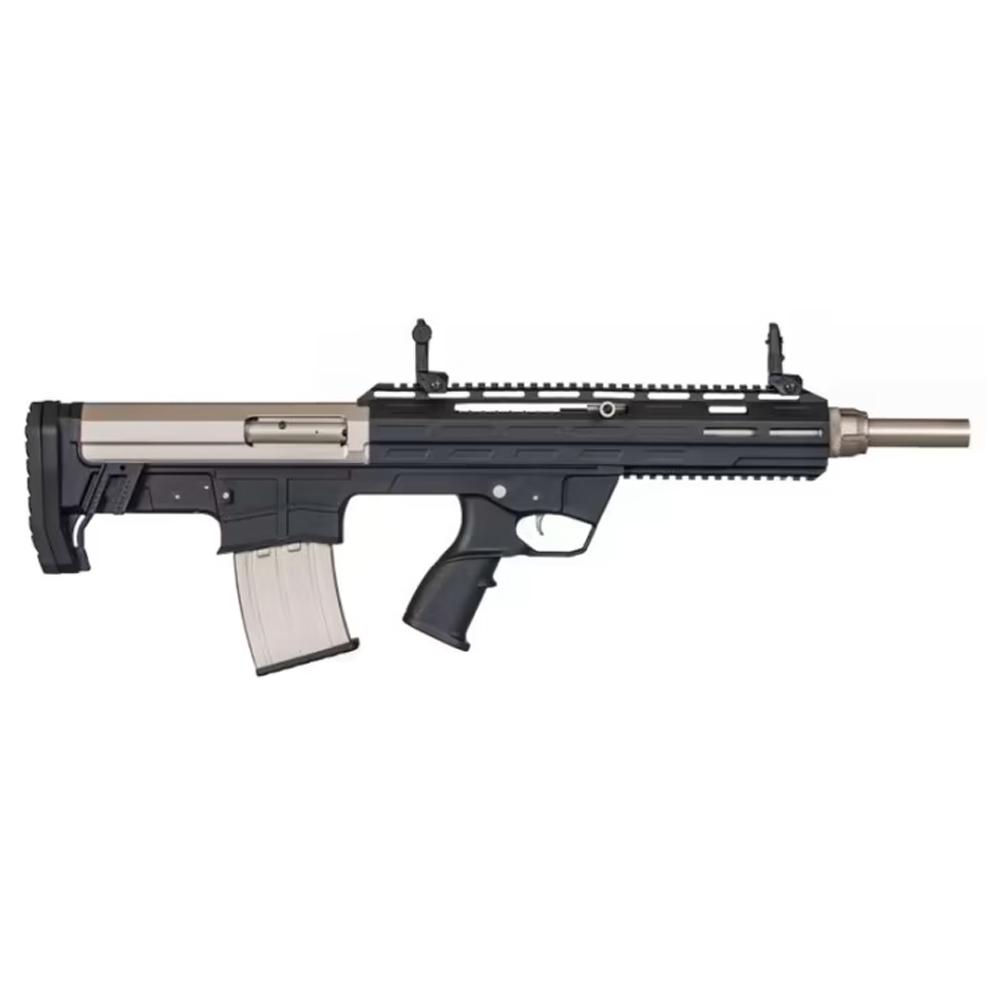 SDS Imports Tokarev TBP-12 Semi-Auto 12 Gauge BullPup Style Magazine Fed Shotgun- Trident Finish
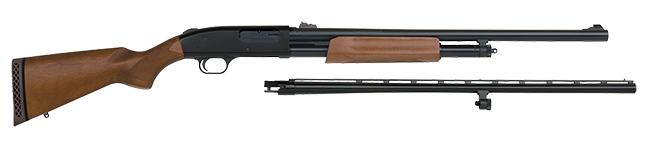 12 GAUGE WOOD 28 AND 24 BARREL
 Remington 870 12 Gauge Less Lethal Orange OverMolded Shotgun Stock-12" LOP
The Benelli M2-G1 is a major update to one of the most respected semi-auto shotgun lines on the market. The headline change is the new rear piston operated gas system, a departure from the inertia-driven layout many shooters associate with the M2 family. For buyers comparing defensive shotguns, range guns, duty-style setups, and hard-use outdoor tools, that change matters more than the product name.
The M2-G1 launches with an MSRP of $1,950 and four configurations. Common features across the line include a 12 gauge chamber rated for shells up to 3 inches, an 18.5 inch barrel, 7+1 capacity, ghost ring sights, a Picatinny optics rail, enlarged controls, an enlarged and beveled loading port, an M-LOK compatible handguard, Mobile-Benelli choke compatibility, and a parkerized bolt. Stock options include a 5-position pistol grip configuration and a traditional stock version. Color and furniture options include synthetic, FDE, and multi-cam style variants.
That package places the M2-G1 in the premium defensive shotgun category from day one. A buyer at this price level should look past brand reputation and ask a harder question: does the design reduce failure points, simplify setup, and support the way the shotgun will actually be used over 5 to 10 years?
BLVista readers comparing modern 12 gauge platforms can start with Benelli M2-G1 shotgun availability and related tactical shotgun options while weighing fit, maintenance, and compliance needs.
Why the Rear Piston Gas System Matters
The M2-G1 uses a rear-mounted dual piston gas system. In plain terms, gas pressure from the fired shell drives the action through pistons positioned toward the rear of the operating system. That makes the gun closer in concept to Benelli’s combat-oriented gas shotguns than the classic inertia M2 design.
A gas-operated 12 gauge can offer several advantages in real use. It can soften felt recoil compared with many inertia systems, especially with heavier defensive loads. It can also be more forgiving when the shooter uses lighter target shells during training. That matters because most owners practice with inexpensive 2 3/4 inch birdshot, then keep buckshot or slugs for defensive, duty, or property protection roles.
A common 12 gauge 2 3/4 inch target load uses 1 1/8 ounces of shot at about 1,145 to 1,200 feet per second, depending on the shell. Defensive 00 buckshot loads often use 8 or 9 pellets, with advertised velocities commonly around 1,145 to 1,325 feet per second. A 1 ounce rifled slug weighs 437.5 grains and is often listed in the 1,200 to 1,600 feet per second range. A shotgun that cycles across that spread has real value, because the owner can train often without being locked into one expensive load type.
The tradeoff is maintenance. Gas guns need attention in areas where carbon, wad residue, and unburned powder collect. A rear piston system may keep some operating mass and fouling distribution different from forward gas systems, but buyers should still expect routine cleaning after high-volume range use. A home-defense shotgun that sits staged for months should be inspected, wiped down, and function checked on a schedule. Reliability comes from design, ammunition selection, lubrication, and owner discipline working together.
18.5 Inch Barrel and 7+1 Capacity
The 18.5 inch barrel puts the M2-G1 in the defensive and general-purpose tactical shotgun class. It remains compact enough for movement through doorways, vehicles, blinds, and tight storage areas while preserving enough sight radius and handling stability for slug work at reasonable distances. The legal minimum barrel length for most non-NFA shotguns is 18 inches under federal law, so the 18.5 inch length provides a small margin above that threshold. Buyers still need to check state and local rules before purchase, transport, or modification.
The 7+1 capacity gives the gun eight rounds onboard when loaded with seven shells in the magazine tube and one in the chamber. Capacity may vary with shell length and crimp style. Many 2 3/4 inch shells fit as expected, while some longer 3 inch loads can reduce effective tube capacity. Anyone planning to use this shotgun for home defense, predator control, or training classes should verify capacity with the exact ammunition they intend to use.
An 18.5 inch 12 gauge with 7+1 capacity is also heavier at the muzzle than a short sporting gun. That can help control recoil and keep the gun moving smoothly between targets. It also changes balance. Smaller shooters, new shotgun owners, and anyone planning long training days should test the stock configuration and support-hand placement before committing to accessories that add more forward weight.
Controls, Loading Port, and M-LOK Handguard
The enlarged bolt handle and bolt release are meaningful upgrades, especially on a defensive shotgun. Under stress, small controls become harder to index. Gloves make that worse. Wet hands, cold weather, and low light add another layer. Larger controls reduce fumbling during unloads, chamber checks, malfunction clearance, and administrative handling at the range.
The enlarged and beveled loading port also deserves attention. Shotguns are ammunition management tools. A 7+1 gun still runs dry quickly during drills. A cleaner loading port can help with strong-hand and support-hand loading methods, including port loads and topping off the magazine tube. The benefit grows during training classes where students may load dozens or hundreds of shells in a day.
The M-LOK handguard adds useful mounting flexibility, but restraint matters. The first accessory most defensive shotgun owners should consider is a white light. The second may be a sling. Extra shell carriers, hand stops, and rails add bulk quickly. A shotgun that starts fast and points naturally can become slow when loaded with unnecessary equipment. If an accessory does not help identify a target, retain the gun, carry the gun, or keep it fed, question its place on the build.
Optics Rail and Ghost Ring Sights
Every M2-G1 includes ghost ring iron sights and a Picatinny optics rail. Ghost rings are durable, easy to understand, and well suited to slug use. They give the shooter a defined rear aperture and front sight reference, which can produce more precise hits than a simple bead when shooting slugs or buckshot at distance.
The Picatinny rail opens the door for red dots. A rugged enclosed or open-emitter shotgun optic can make a defensive shotgun easier to use under awkward positions and variable lighting. A red dot also helps shooters pattern buckshot because the aiming reference is consistent across sessions.
Mount height matters. A tall optic can force a poor cheek weld, especially on a traditional stock. The 5-position stock may offer a better fit for armor, heavy clothing, or multiple users, but the shooter should confirm eye alignment with the chosen sighting system. BLVista shoppers can compare shotgun red dot options and should prioritize durability, battery access, brightness range, and mounting height over cosmetic match.
Chokes, Loads, and Pattern Testing
The M2-G1 uses Mobile-Benelli choke tubes. Choke compatibility gives the owner more control over pattern behavior, which matters with buckshot and hunting loads. Cylinder and improved cylinder chokes are common starting points for buckshot and rifled slugs, but every barrel and load combination deserves testing on paper.
Pattern testing should be part of ownership, not an afterthought. A simple method is to shoot the chosen defensive buckshot at 5, 10, 15, and 25 yards. Mark the spread, point of impact, and any flyers. Many 12 gauge buckshot loads stay tight at room distances, then open quickly past 15 to 25 yards. Slugs should be checked separately, with groups fired from a stable position. Some guns print slugs several inches away from the point of aim depending on load and sight setting.
For hunting or field use, choke selection also affects pellet density and ethical range. A waterfowl, turkey, or predator load should be matched to the choke, target, and local regulations. Steel shot, tungsten-based loads, buckshot, and slugs all place different demands on choke selection and barrel wear considerations.
Right-Hand Only Layout and Fit
The M2-G1 is listed as right-hand only. That detail matters for left-handed shooters. A left-handed user can run a right-hand shotgun well with training, but ejection pattern, safety access, loading technique, and emergency manipulation all need to be evaluated honestly. A premium shotgun should fit the shooter’s body and workflow, not just the budget.
The 5-position stock offers adjustment for length of pull, which helps across different clothing layers and body types. Heavy winter clothing, body armor, and a short-statured shooter all benefit from stock adjustment. The traditional stock version may point more naturally for hunters and shooters who prefer a classic shotgun mount. The pistol grip version may offer more control during administrative handling, one-handed retention, and use around cover.
Ownership Checklist Before Buying
- Use case: Home defense, training, range use, property protection, hunting, or a mix of roles.
- Ammunition plan: Confirm cycling with light 2 3/4 inch target loads, chosen 00 buckshot, and any 1 ounce slug load you plan to store.
- Pattern data: Test at 5, 10, 15, and 25 yards with the exact choke and shell combination.
- Optic height: Verify cheek weld with the Picatinny-mounted red dot before relying on it.
- Accessory weight: Add a light and sling first. Add shell carriers only if the balance remains manageable.
- Maintenance: Clean the gas system, chamber, magazine tube area, and bolt assembly after high-volume use.
- Storage: Use a secure safe, lockable cabinet, or quick-access storage method that matches household safety needs.
- Compliance: Confirm state and local rules on semi-auto shotgun features, magazine capacity, transport, and hunting use.
Who Should Consider the M2-G1
The M2-G1 makes the most sense for buyers who want a premium 12 gauge semi-auto that arrives with the major defensive features already installed. The 18.5 inch barrel, 7+1 tube, enlarged controls, M-LOK handguard, ghost ring sights, Picatinny rail, and adjustable stock option reduce the need for immediate aftermarket work.
It may be more shotgun than a casual owner needs. A buyer who shoots once a year and keeps a shotgun mostly as a closet gun may get better value from a simpler pump or less expensive semi-auto. A shooter who trains regularly, patterns ammunition, maintains equipment, and wants a gas-operated Benelli with modern controls will see the point of the $1,950 MSRP more clearly.
The rear piston operating system is the feature to watch over time. Early performance impressions are encouraging, but long-term confidence in a working shotgun comes from shell count, dirty-gun testing, mixed ammunition, cold weather, heat, rain, and repeated maintenance cycles. Buyers should treat this as a serious new entry with strong specifications, then let documented round counts and owner experience confirm its place over time.
What to Confirm Before You Buy
Before committing to the M2-G1, confirm the exact configuration, unloaded weight, stock type, finish, and any state-specific capacity or feature restrictions that apply where you live. Published weight can vary by model and furniture, so verify the exact listing for the version you plan to buy. If the gun will serve a defensive role, budget for ammunition testing, a quality light, a sling, secure storage, and regular range time. BLVista helps buyers reduce risk by comparing compatible firearms, optics, storage, and support gear in one place through the BLVista shop.
FAQ
The Benelli M2-G1 is a 12 gauge semi-auto shotgun with a rear piston operated gas system, 18.5 inch barrel, 7+1 capacity, ghost ring sights, Picatinny optics rail, M-LOK handguard, enlarged controls, and chambering for shells up to 3 inches.
The M2-G1 has strong home defense specifications, including an 18.5 inch barrel, 7+1 capacity, enlarged controls, optics support, and room for a weapon light on the M-LOK handguard. Buyers should still pattern their chosen buckshot, confirm reliable cycling, and use secure storage.
Test the shotgun with the exact loads you plan to use. A smart range session includes 2 3/4 inch target loads around 1 1/8 ounces, defensive 00 buckshot, and 1 ounce rifled slugs if slugs are part of your plan. Confirm function, recoil control, point of impact, and pattern size.
Yes. The M2-G1 includes a Picatinny rail for optics mounting. Choose a durable shotgun-rated red dot and verify that the mount height allows a consistent cheek weld with your stock configuration.
7+1 means seven shells in the magazine tube and one shell in the chamber. Actual fit can vary with shell length and crimp style, especially when comparing 2 3/4 inch and 3 inch 12 gauge loads.
Clean the gas system, bolt assembly, chamber, bore, and magazine tube area after heavy range sessions. Use appropriate lubrication, inspect choke tubes, check optic and accessory screws, and function check the shotgun before returning it to defensive storage.
Was this useful?