
Brief
What a 13.7 Inch 5.56 Carbine Actually Buys You
Barrel length, twist rate, gas system, two-stage triggers, 1-6x LPVOs and flow-through suppressors. How to spec a 13.7 inch 5.56 carbine with confidence.
Shop this at BLVista
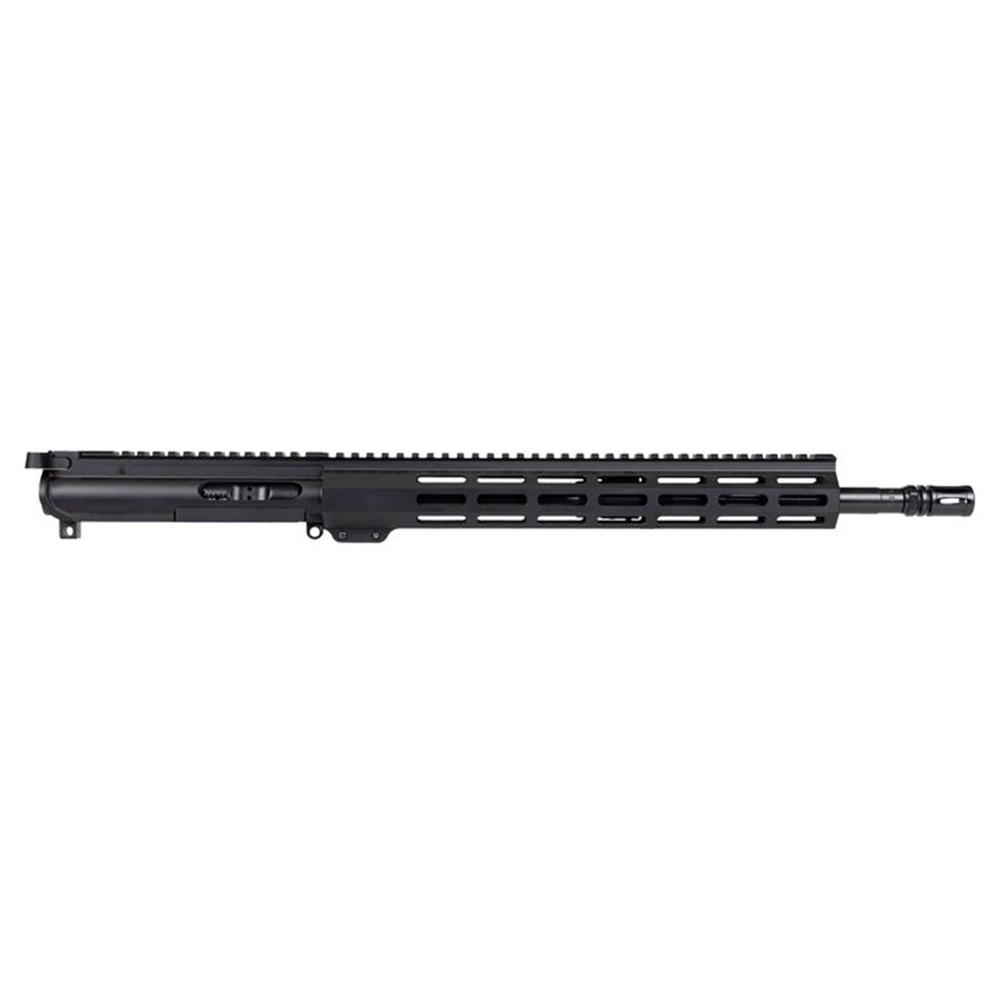

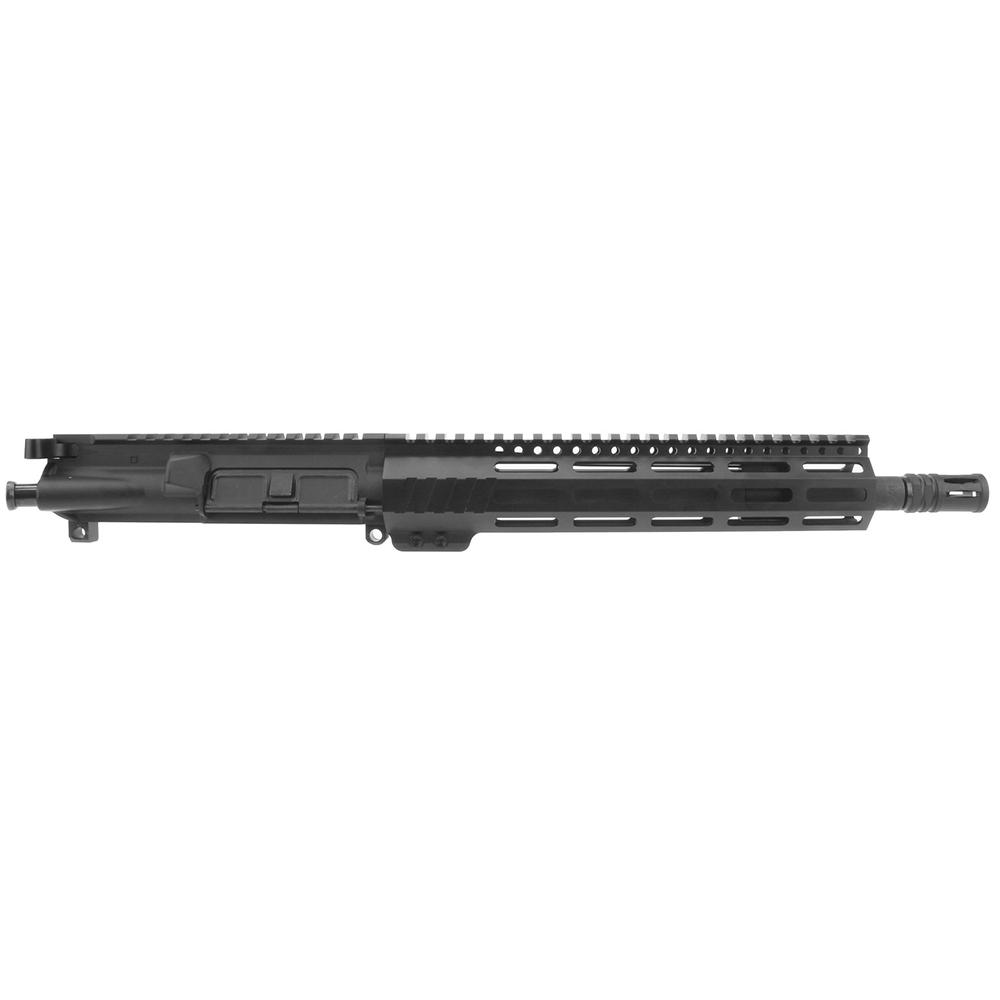
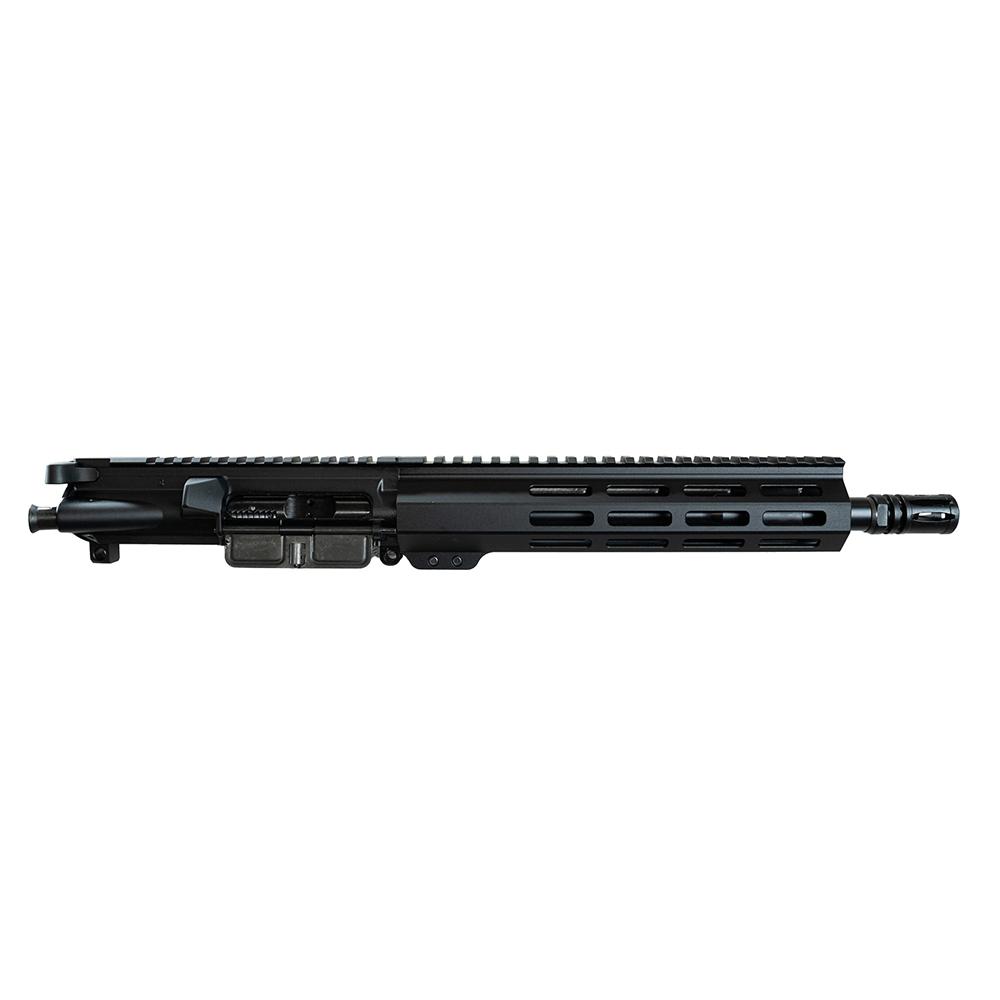
A new military carbine built on a 13.7 inch barrel, a two-stage trigger, a monolithic upper, ambidextrous controls and a 1-6x low power variable optic recently made the rounds in defense circles. The interesting part is not the rifle itself. It is the reasoning behind the configuration, because that same reasoning applies directly to what civilian shooters, hunters and home defenders should be buying in 2026.
The argument goes like this. When 5.56x45mm NATO struggles against hard armor, the answer is not always a bigger cartridge. It can be a rifle that makes an average shooter hit a smaller area under fatigue. That reframing is worth your attention, because the same money spent on trigger quality, glass and muzzle device selection almost always outperforms a caliber change for the way most people actually shoot.
Why 13.7 inches keeps showing up
Barrel length is the first real decision in an AR-pattern build. Each inch you remove below 20 inches costs roughly 25 to 40 feet per second of muzzle velocity with typical 5.56 loads, depending on powder burn rate and load. A 13.7 inch barrel gives up measurable velocity against a 16 inch, but buys shorter overall length, faster transitions inside structures and a handier package in a truck or a blind.
- 10.3 to 11.5 inches: shortest handling, largest muzzle blast, notable velocity loss, fragmentation range of 55 grain M193 class ammunition falls off hard.
- 13.7 inches: the current sweet spot. Pin and weld a 2.3 inch or longer muzzle device and the barrel measures 16 inches or more, which keeps a standard rifle out of short barrel rifle territory without a tax stamp. Federal minimums are 16 inches of barrel and 26 inches overall length for a rifle.
- 16 inches: the default. No permanent attachment required, easiest to swap muzzle devices and suppressors, slightly more velocity.
- 18 to 20 inches: best velocity and terminal performance at distance, worst handling in confined space, best for open-country hunting.
Gas system length matters as much as barrel length. A carbine-length system on a 13.7 inch barrel runs hot and violent. A mid-length system on the same barrel lowers port pressure, slows unlock timing and reduces wear on the bolt and extractor. If you plan to shoot suppressed, mid-length gas plus an adjustable block is the pairing that keeps the rifle from beating itself up.
Barrel construction is a durability spec, not a marketing line
Cold hammer forged and chrome lined is the standard for a reason. Hammer forging work-hardens the bore and produces consistent dimensions across production runs. Chrome lining adds corrosion resistance and extends throat life under sustained fire, at a small cost in mechanical accuracy compared to a match stainless barrel. For a duty or defensive carbine that may see 5,000 or more rounds and wet weather, chrome lining is the correct tradeoff. For a precision varmint rig, it is not.
Twist rate decides your ammunition menu. A 1:7 twist stabilizes 62 grain M855, 69 grain and 77 grain open tip match projectiles. A 1:9 twist handles 55 to 69 grain reliably and gets inconsistent with 77 grain at distance. If you intend to run heavy match loads for practical accuracy work, buy 1:7 and stop thinking about it.
Trigger, optic, muzzle device: the three upgrades that move hit rates
A two-stage trigger with a defined wall and a break in the 4 to 5 pound range gives a shooter something to index against when heart rate is up. That predictability is what produces repeatable hits on small exposed targets, which is exactly the problem military programs are trying to solve. On a hunting rifle or a home defense carbine, the same benefit shows up as fewer pulled shots under pressure.
A 1-6x LPVO covers the realistic 5.56 envelope. At 1x it works like a red dot for inside 25 yards. At 6x it lets you identify and hold on a torso-sized target past 400 yards. Expect a 30mm tube LPVO with a mount to add roughly 20 to 26 ounces to the rifle, versus 4 to 6 ounces for a compact red dot. Mount height of 1.93 inches has largely replaced 1.54 inches for LPVOs because it improves head position with plates and helmets, and it is more comfortable prone with a low stock. If you want the comparison laid out in detail, our rifle field optics buyer’s guide walks through magnification ranges, reticle types and mount heights, and you can browse current 1-6x LPVO options to compare weights and eye box specs directly.
Flow-through muzzle devices and suppressors are the third piece. A conventional baffle stack on a 5.56 carbine typically drops muzzle sound from around 165 dB to the 135 dB range, a reduction near 30 dB, but raises back pressure, gas to the face and bolt velocity. Flow-through designs trade some of that sound reduction for dramatically lower back pressure, which keeps cyclic rate closer to unsuppressed and reduces fouling. That is why a military program testing beyond 10,000 rounds on one platform gravitates toward the flow-through approach. Standard 5.56 thread pitch is 1/2×28, and 5/8×24 for .30 caliber, so confirm the pitch before ordering anything. Our suppressor buyer’s guide covers mounting systems, back pressure and the $200 transfer stamp timeline.
A five-point checklist before you spend
- Define the use case first. Bedside gun, truck gun, hog rifle and match rifle have different correct answers for barrel length and optic.
- Match gas length to barrel and suppressor plans. Mid-length gas on 13.7 to 16 inch barrels, adjustable block if suppressed.
- Verify thread pitch and muzzle device compatibility before buying a can or a brake.
- Budget the trigger and glass as part of the rifle cost, not as later add-ons. A $600 optic on a $900 rifle outshoots a $1,600 rifle with $150 glass.
- Confirm your configuration complies where you live. Barrel length, overall length, magazine capacity and feature restrictions vary by state, and pin-and-weld measurements should be documented.
Ownership, maintenance and storage
A chrome lined, hammer forged barrel will outlast most owners at typical recreational round counts. The wear parts are the ones to watch. Replace the extractor spring and insert every 5,000 to 10,000 rounds, inspect gas rings and the bolt cam pin at the same interval, and keep a spare bolt on hand if the rifle has a defensive role. Suppressed shooting accelerates carbon buildup on the bolt tail and inside the carrier, so clean more often if you run a can.
For storage, a dehumidified safe and a light film of oil on the bolt and barrel exterior handles most climates. For transport, a hard case with a lockable latch is the safest default across state lines, and keeping the rifle unloaded with the magazine separate simplifies most interstate travel questions. Zero verification after any significant transport or optic removal is not optional if the rifle has a serious job.
Decide your barrel length before anything else
Everything downstream, from gas system to muzzle device to whether you need a stamp, follows from that single number. Pick the length that fits how you actually use the rifle, then spend the remaining budget on the trigger and the optic. Those two components produce more measurable improvement in hit rate than any other change you can make to a 5.56 carbine.
FAQ
Yes, if a muzzle device long enough to bring the total to 16 inches or more is permanently attached by pinning and welding or high temperature silver solder, and the rifle measures at least 26 inches overall. Without permanent attachment it is a short barrel rifle and requires registration.
Roughly 25 to 40 feet per second per inch with common 5.56 loads. The practical effect appears at the far end of terminal performance rather than inside 200 yards.
A red dot wins on weight, battery life and speed inside 100 yards. A 1-6x LPVO wins on target identification and precision past 200 yards at the cost of roughly a pound with the mount. Many shooters run an LPVO with an offset red dot.
1:7 offers the widest ammunition compatibility, including 69 and 77 grain match projectiles. 1:8 is a solid all-around choice. Avoid 1:9 if heavy bullets are part of your plan.
For high round counts and semi-auto use, yes. You trade a few decibels of reduction for lower back pressure, cooler operation and less fouling. For occasional hunting where maximum quiet matters, a sealed baffle design still leads on sound.
Muzzle thread pitch, handguard attachment standard, optic footprint and mount height, and gas system length. Those four determine whether parts fit the first time.
Was this useful?