
Brief
L85A2 Bullpup Lessons for Rifle Buyers
The L85A2 shows how barrel length, gas system design, magazine reliability, optics mounting, and maintenance affect real rifle performance.
Shop this at BLVista
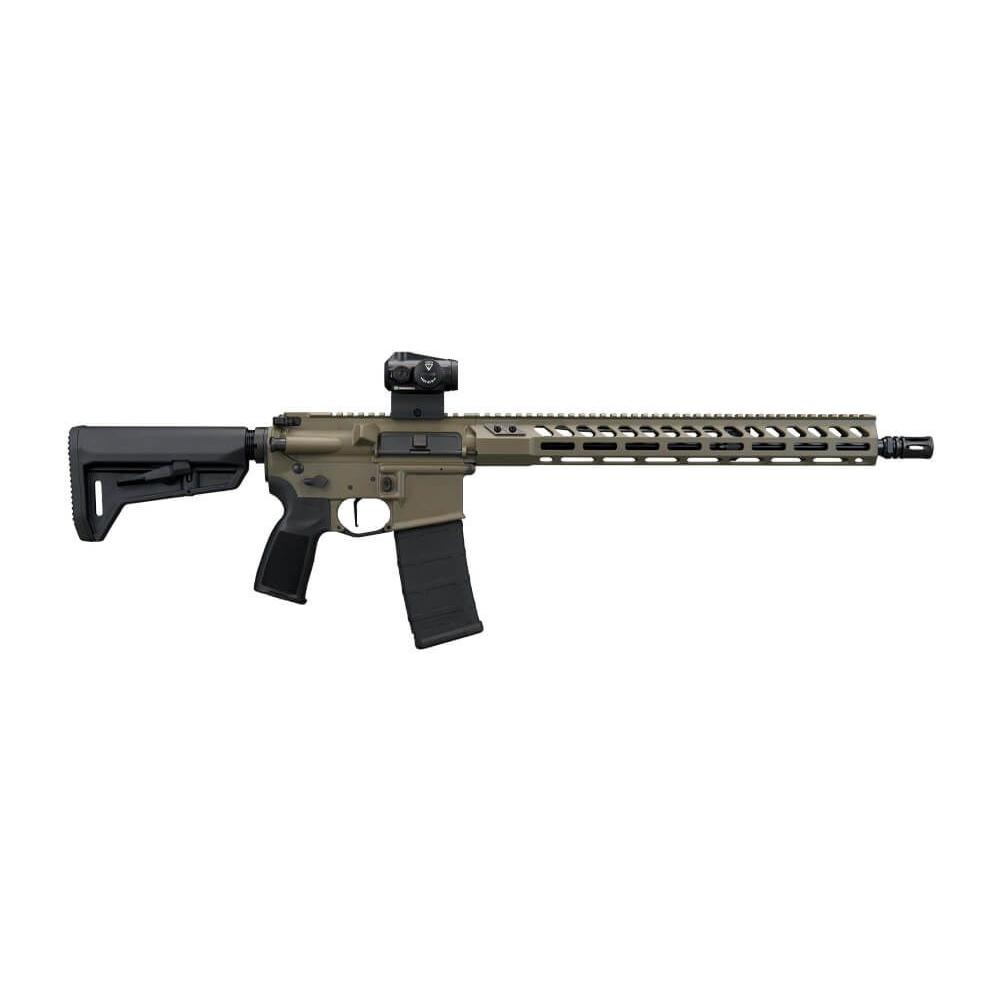 Sig Sauer M400 Forge Moos Green Rifle 5.56 NATO 30rd Magazine 16" Barrel ROMEO-MSR GEN II Adjustable Stock M-LOK Handguard
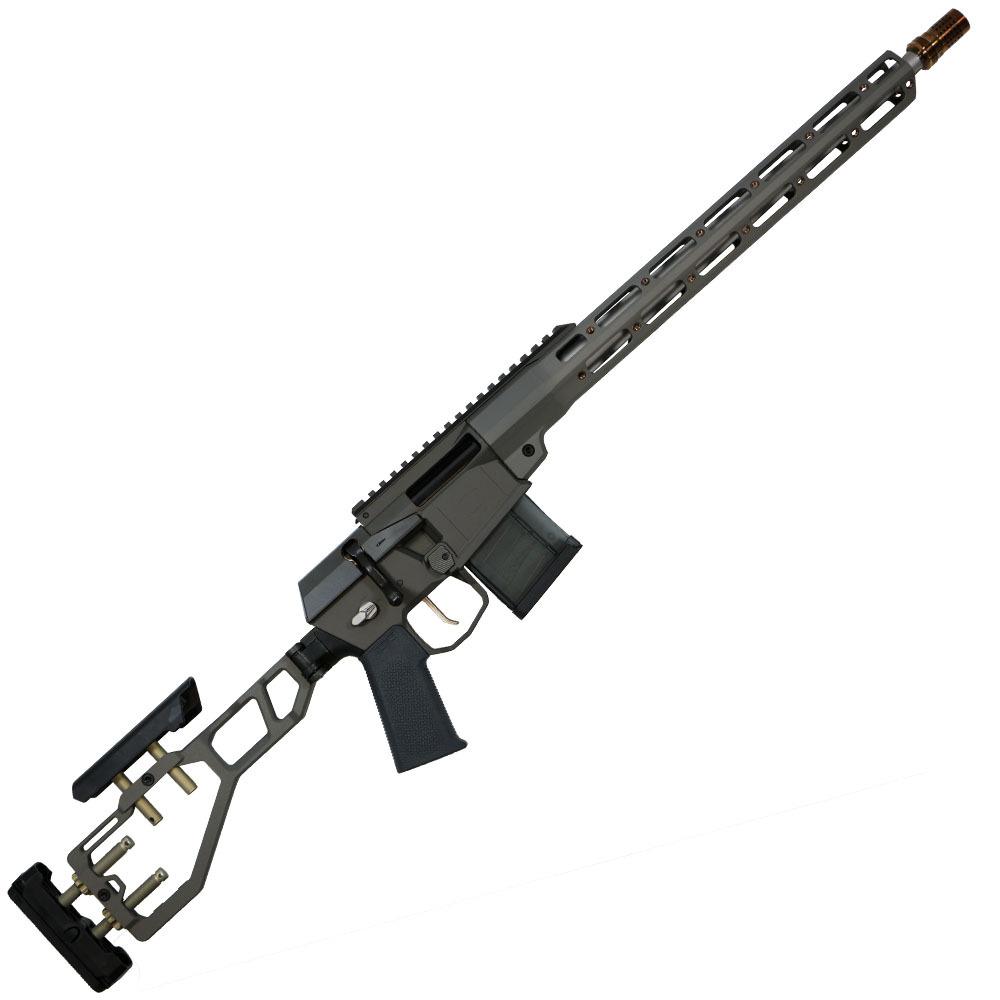 Q Mini Fix Rifle 5.56 NATO 10rd Magazine 16" Barrel Grey
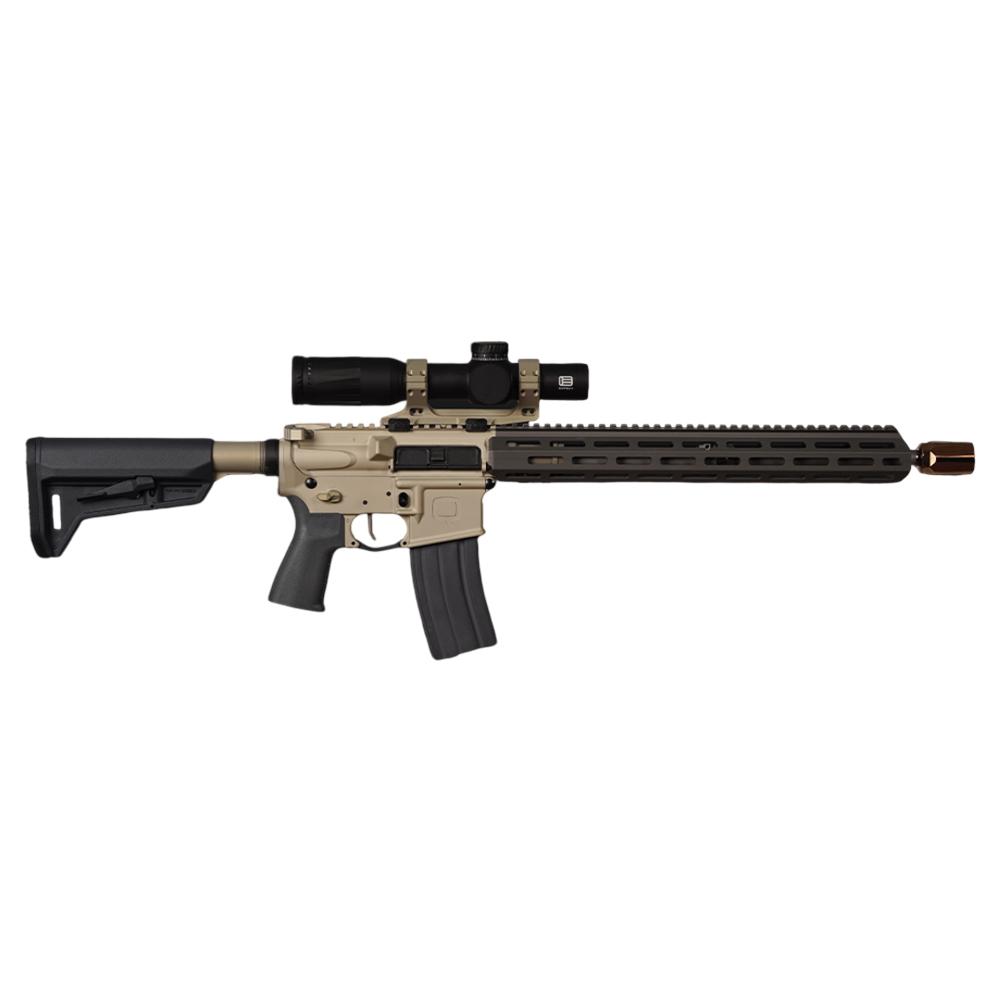 Q Sugar Weasel Rifle 5.56 NATO 10rd Magazine 16" 1/2x28 Threaded Barrel Black CA - OPTIC NOT INCLUDED
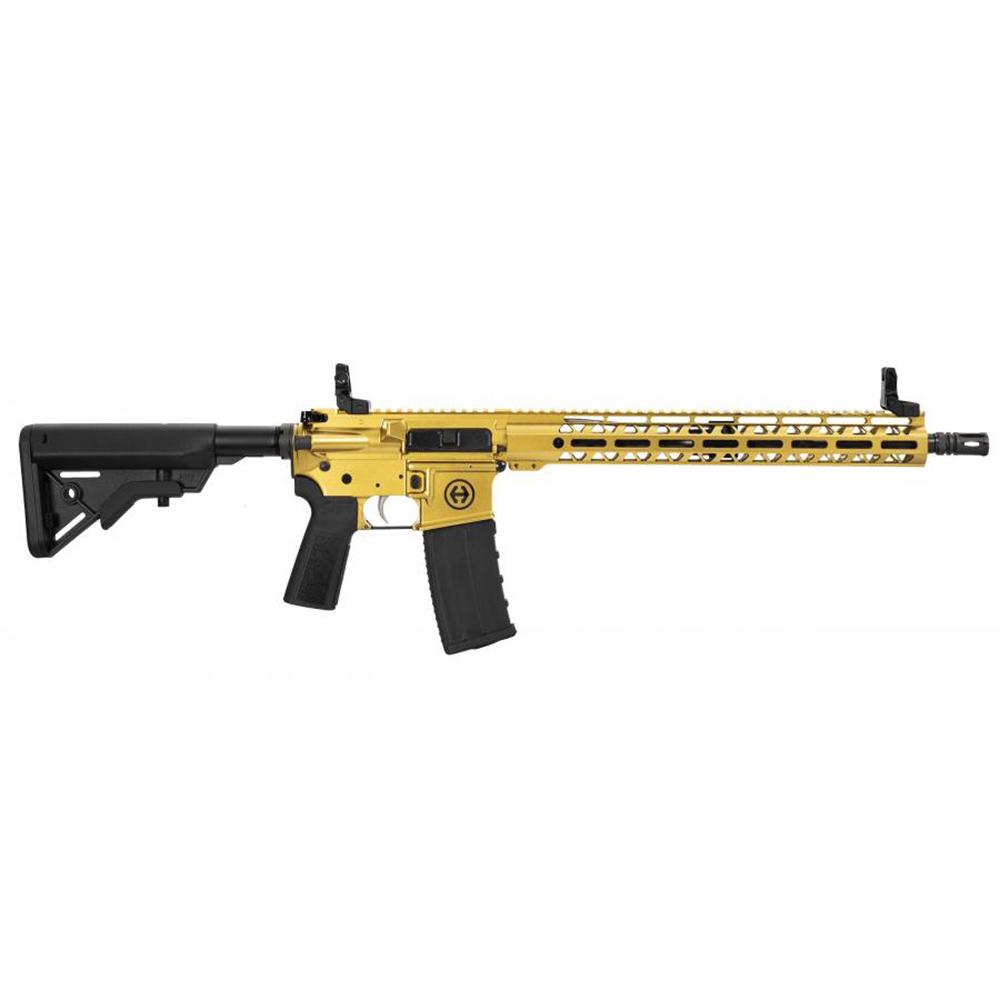 Hi-Point HP-15 Rifle 5.56 NATO 30rd Magazine 16" 1/2x28 Threaded Barrel Gold
The British L85 family is more than a historical curiosity. It is a useful case study for anyone comparing modern rifles, bullpup carbines, 5.56 NATO platforms, or clone firearms built around military patterns. The rifle combined a compact overall length with a full-length barrel, then spent decades proving that a good layout cannot overcome weak execution.
The core appeal is easy to understand. The L85 uses a bullpup layout, placing the action and magazine behind the trigger. That gives the rifle a 518 mm barrel, about 20.4 inches, while keeping overall length near 785 mm, about 30.9 inches. A conventional rifle with a similar barrel length is usually longer. For vehicle work, tight terrain, urban movement, or storage in confined spaces, that compact package has real value.
The rifle also used the standard 5.56x45mm NATO cartridge after earlier development around the British 4.85x49mm round ended with NATO standardization. With a 30-round detachable magazine and 62-grain SS109 style 5.56 NATO ammunition, commonly published military reference figures list muzzle velocity around 940 m/s, or roughly 3,084 fps, from the long barrel. That barrel length helps preserve velocity compared with shorter 10.3 inch, 11.5 inch, or 14.5 inch carbines. Higher velocity can improve fragmentation threshold, external ballistics, and terminal performance inside realistic service distances.
For BLVista readers, the real value is the decision framework. The L85 shows that a rifle should be evaluated as a complete system: barrel, gas system, magazines, optic mount, maintenance layout, parts quality, and user error controls. A rifle can have the right caliber and barrel length while still creating problems during hard use.
Why the L85 layout made sense on paper
The L85 was developed to replace the 7.62x51mm L1A1 Self-Loading Rifle. Moving from a 7.62 NATO battle rifle to a 5.56 NATO bullpup reduced cartridge weight, increased controllability, and allowed soldiers to carry more ammunition. A 30-round 5.56 magazine gives a different handling profile than a 20-round 7.62 magazine, especially during positional shooting and sustained movement.
The bullpup format also kept the rifle short without cutting barrel length. That matters because barrel length affects velocity. In 5.56 NATO, velocity loss becomes more meaningful as barrels get shorter. A 20.4 inch barrel can keep standard ball ammunition closer to its intended performance envelope, while many civilian carbines trade velocity for handling.
That tradeoff still applies to buyers today. If you are looking at bullpup rifles, compare them against conventional AR-pattern rifles by asking four questions:
- Do you need compact overall length more than a familiar manual of arms?
- Can you accept a rear-weighted balance point?
- Does the trigger feel support the type of shooting you do?
- Can you service the gas system, bolt, and magazine interface without special frustration?
A bullpup can be useful for a truck gun, ranch rifle, confined-property defense rifle, or range gun where compact storage matters. It also creates compromises. Magazine changes happen behind the firing hand. Chamber checks feel different. Left-side manipulation can be less natural depending on ejection design. Suppressor use may place more gas and heat close to the shooter.
The L85A1 problem was system reliability
The original L85A1 entered service in 1985. Its reputation suffered because reliability problems appeared across several parts of the system. Reports over time focused on extraction, magazines, component durability, firing parts, and behavior in harsh environmental conditions. The central lesson is simple: rifles fail through stacked weaknesses.
A marginal magazine becomes a larger problem when feed geometry is sensitive. A rough chamber or weak extractor becomes more visible when sand, fouling, and heat enter the system. A gas system that tolerates little assembly error becomes a field liability when users are tired, cold, or working under low light. A rifle intended for military use must survive cleaning mistakes, mud, dust, repeated disassembly, and high round counts.
Civilian buyers can apply the same logic at a smaller scale. A rifle used for range training, hunting, or home defense may never see a desert deployment, yet it still sees rain, dust, trunk heat, cold mornings, cheap ammunition, and hurried cleaning. Reliability should be judged after realistic use. A 100-round indoor range session tells you less than multiple sessions with different magazines, different ammunition, and some deliberate field maintenance.
The gas system detail every owner should notice
One of the most useful L85 lessons involves the gas cylinder and piston arrangement. Certain L85 configurations allow parts to be installed in the wrong orientation. When a gas cylinder goes in backward and the rifle is cycled, the parts can bind hard enough to require replacement of both the gas cylinder and piston.
This is a design problem with direct relevance to current buyers. Good field-service design prevents predictable mistakes. Parts should have clear geometry, obvious orientation, and assembly paths that resist incorrect installation. A knurled surface, diameter change, or witness mark helps, but physical error-proofing matters more than visual hints.
Use this checklist when evaluating any piston rifle, adjustable-gas rifle, or military-pattern clone:
- Can the gas plug, piston, or regulator be installed backward?
- Are the parts marked clearly enough to read after carbon buildup?
- Does the manual show orientation with photos or only diagrams?
- Can the part be cleaned without damaging small springs, detents, or sealing surfaces?
- Are replacement pistons, springs, and plugs available through normal parts channels?
For long-term ownership, this matters as much as accuracy. A rifle that shoots 2 MOA with common 55-grain or 62-grain 5.56 loads can serve many real-world roles. A rifle that becomes disabled because one maintenance part fits backward creates a different level of risk.
The A2 overhaul shows what good engineering can fix
The L85A2 program, completed through a major late 1990s and early 2000s rebuild effort, changed many of the right parts: bolt components, extractor geometry, firing parts, gas system elements, barrel-related parts, magazines, and springs. The result was a much more credible service rifle.
That history matters because buyers often underestimate manufacturing quality. Two rifles can share the same cartridge, the same magazine type, and the same general operating system while performing very differently. Heat treatment, spring rate, extractor tension, feed ramp geometry, chamber finish, and tolerance stacking all affect reliability.
When comparing a military clone or imported pattern rifle against a mature AR-15, look beyond appearance. Ask whether the parts supply exists five years from now. Ask whether the bolt, extractor, firing pin, gas parts, and magazines are proprietary. Ask whether the optic mounting surface uses modern Picatinny or a model-specific solution. A rifle that depends on rare parts can become expensive to keep running even if the purchase price looks reasonable.
If your intended use is training-heavy, plan around wear parts from the start. Springs, magazines, firing pins, extractors, and gas rings or piston components should be treated as ownership items, not emergency surprises. For 5.56 rifles, quality magazines are cheap insurance, and BLVista shoppers can compare 5.56 magazines before diagnosing a feeding issue as a rifle failure.
Optics mounting is a durability issue
The L85 family also highlights optic mounting. Earlier configurations used dedicated mounting arrangements, while later updates moved toward more modern accessory support. The L85A3 modernization, introduced from 2018 onward, focused heavily on updated furniture and improved mounting for lights, lasers, and optics.
Optic mounting should never be treated as an accessory afterthought. A rifle with a 20.4 inch barrel and good mechanical accuracy loses much of its value if the sighting system shifts under recoil, impact, or transport. A 4x combat optic such as the SUSAT made sense in its era, but current buyers often choose low-power variable optics, prisms, or red dots with magnifiers.
Before buying, check three mounting details:
- Rail standard: true Picatinny mounting gives broader optic compatibility than proprietary rails.
- Return to zero: removable top covers and receiver-mounted rails must stay stable after cleaning.
- Accessory space: lights, aiming devices, slings, and backup sights need real estate that does not interfere with support-hand placement.
For hunting, field training, and general-purpose rifles, optic durability should match the rifle. A budget optic with weak turrets can waste the accuracy of a good barrel. A heavy optic can make a rear-heavy bullpup feel even denser. Readers comparing scopes, prisms, and red dots can use BLVista’s rifle field optics guide to narrow the decision before buying glass.
L85A3 and the limits of modernization
The L85A3 extended the life of the platform, but it did not erase every limitation created by the original architecture. By early 2025, reported holdings included more than 125,000 L85A2 rifles and more than 40,000 L85A3 rifles, while about 1,620 newer L403A1 rifles had been delivered to specialized units. The projected out-of-service date for the L85A3 has been stated as 2030.
Those figures make the L85 story useful for civilian buyers. A platform can be improved for decades and still carry legacy constraints. Modern rails, better parts, and improved manufacturing help. They do not change basic ergonomics, balance, parts commonality, or the maintenance habits required by the design.
For a buyer choosing between a bullpup and an AR-pattern rifle, the question is fit for use. An AR-15 offers broad parts support, many barrel lengths, widespread magazine compatibility, and deep armorer knowledge. A bullpup offers compact length with a longer barrel, distinct handling, and a smaller aftermarket. Neither choice should be made by appearance alone.
Storage, transport, and compliance for military-pattern rifles
Military-pattern rifles attract attention because they look different, use recognizable service cartridges, and often include features regulated differently by state or local law. Before buying any semi-automatic 5.56 rifle, confirm magazine limits, feature restrictions, transport rules, and storage requirements where you live and travel.
From an ownership standpoint, compact rifles store easily, but bullpups deserve careful transport planning. The chamber sits closer to the shooter’s face and body than on a conventional rifle, so chamber flags, clear-case discipline, and safe muzzle direction remain important during range handling. For storage, use a case that protects optics and does not press on the charging handle, selector, or magazine release. Keep piston parts lightly protected against corrosion, and inspect carbon-heavy areas after wet range days.
A responsible ownership plan includes ammunition selection as well. Standard 55-grain .223 Remington training loads may function differently than 62-grain 5.56 NATO pressure ammunition. If a rifle is marked for 5.56 NATO, confirm whether the chamber, gas system, and manual support the loads you plan to use. For defensive or field use, test the exact magazine and ammunition combination before trusting it.
Decide what your rifle must survive
The L85 proves that compact length and full barrel performance are valuable, but they do not stand alone. A serious rifle must tolerate dirt, heat, tired users, imperfect cleaning, optic impacts, magazine variation, and years of parts replacement. That standard applies to a historical service rifle, a modern bullpup, a hunting carbine, or a 5.56 range rifle.
Before you buy, build a simple scorecard. List barrel length, overall length, unloaded weight, magazine type, optic mounting standard, parts availability, maintenance complexity, and legal fit. Then compare the rifle against your real use: range training, property defense, hunting, vehicle transport, or collecting. BLVista’s 2A friendly shop is built around helping buyers reduce uncertainty and choose gear that holds up beyond the first range trip.
FAQ
Yes, the L85 is a useful example because it shows both the advantage and the risk of the bullpup layout. It kept a 518 mm, 20.4 inch barrel in an overall length around 785 mm, or 30.9 inches. That is the main bullpup advantage. Its early reliability and maintenance issues also show why buyers should evaluate gas system design, parts quality, magazines, and optic mounting before choosing a bullpup rifle.
The adopted L85 service rifle uses 5.56x45mm NATO. Earlier development involved a British 4.85x49mm cartridge, but NATO standardization pushed the final rifle into 5.56 NATO. Standard 30-round magazines and 62-grain NATO ball ammunition are central to how the rifle was intended to perform.
Barrel length affects velocity, trajectory, and terminal performance. The L85’s 20.4 inch barrel helps 5.56 NATO ammunition reach higher velocity than many shorter carbines. Common reference data lists about 940 m/s, roughly 3,084 fps, with standard NATO ball from the long barrel. Shorter barrels handle well, but they give up speed.
Buyers should check whether the piston, gas plug, and regulator can be installed incorrectly, how easily carbon can be cleaned, and whether replacement parts are available. The L85 gas cylinder issue shows why mistake-resistant design matters. A rifle used for training or field work should be easy to inspect, assemble, and maintain under less than ideal conditions.
Some bullpup rifles are more complex to service because their action is behind the trigger and many parts are proprietary. AR-15 rifles usually have broader parts support, more armorer knowledge, and easier sourcing of bolts, springs, magazines, and small parts. A bullpup can still be a smart choice when compact length matters, but buyers should confirm the maintenance process before purchase.
Was this useful?