
Brief
Fall Hunting Ammunition Checklist for 2026 Seasons
How to choose waterfowl, upland, rifle, slug, and handgun hunting ammunition by gauge, cartridge, bullet weight, velocity, fit, storage, and compliance.
Shop this at BLVista
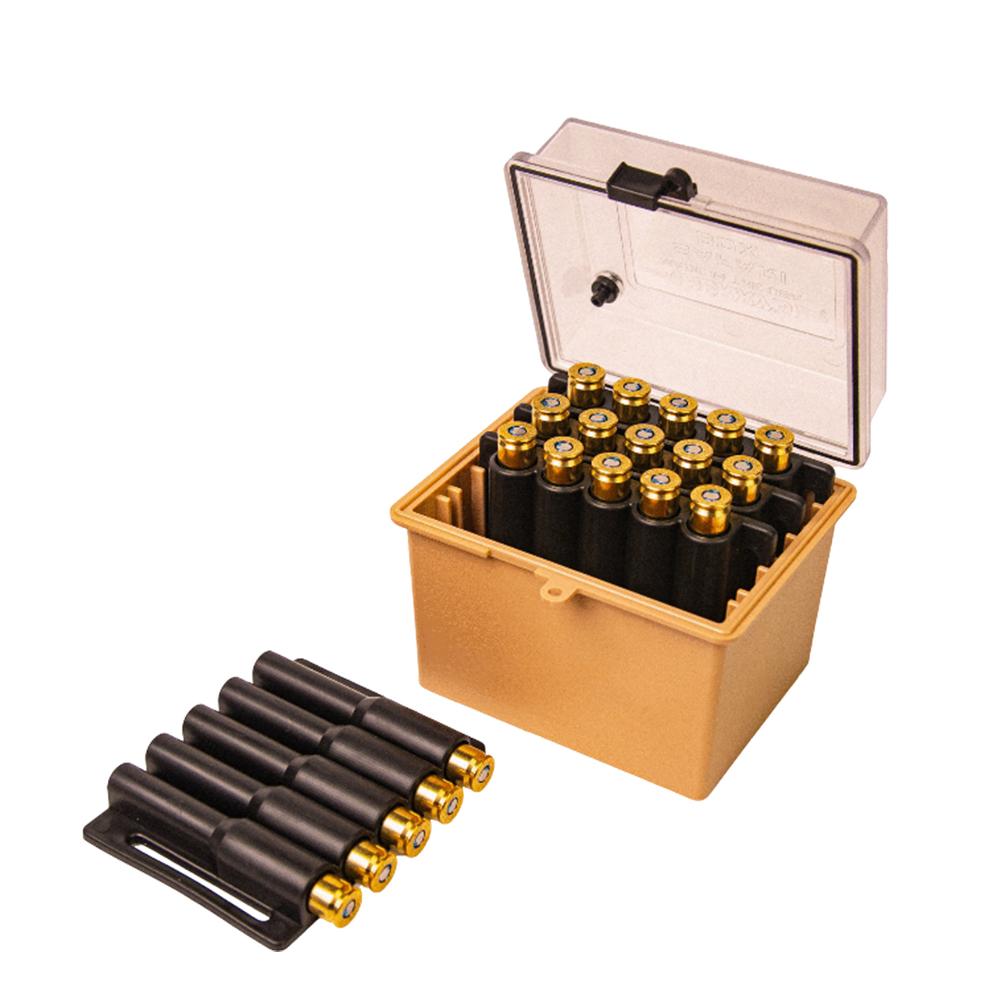
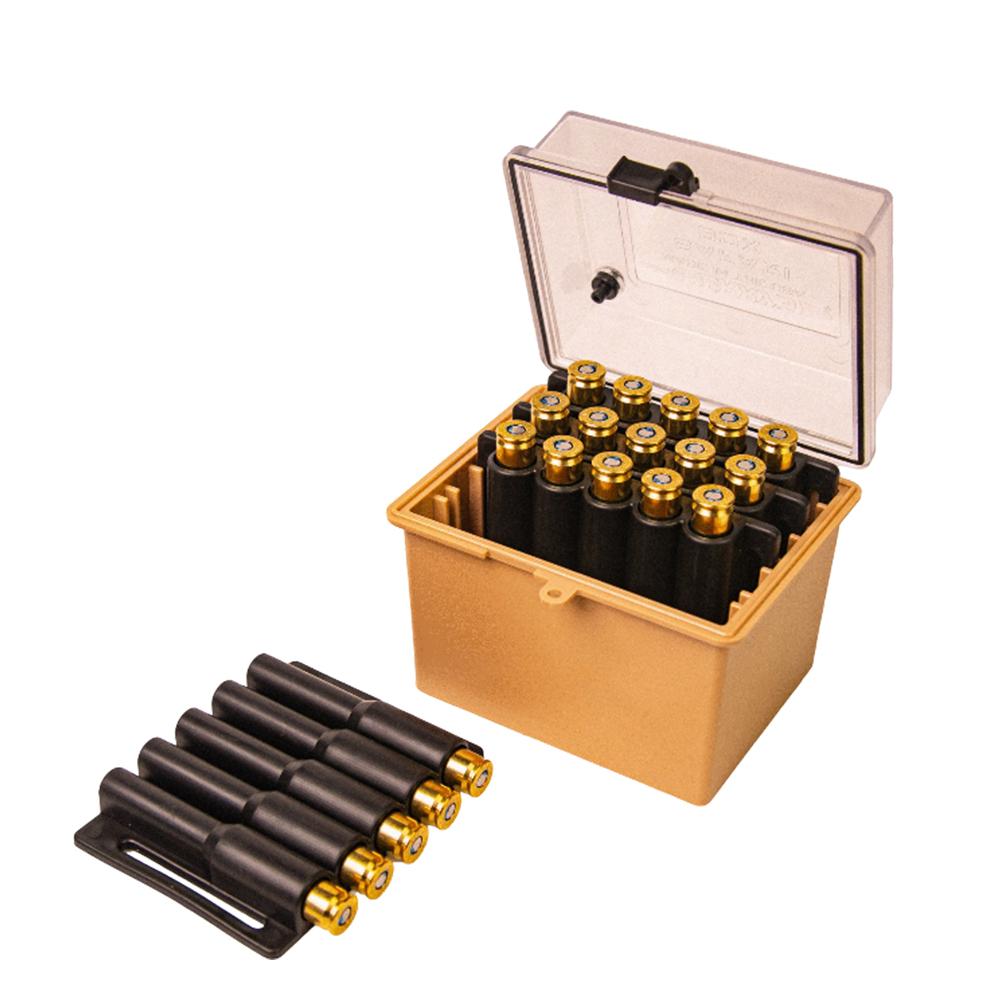
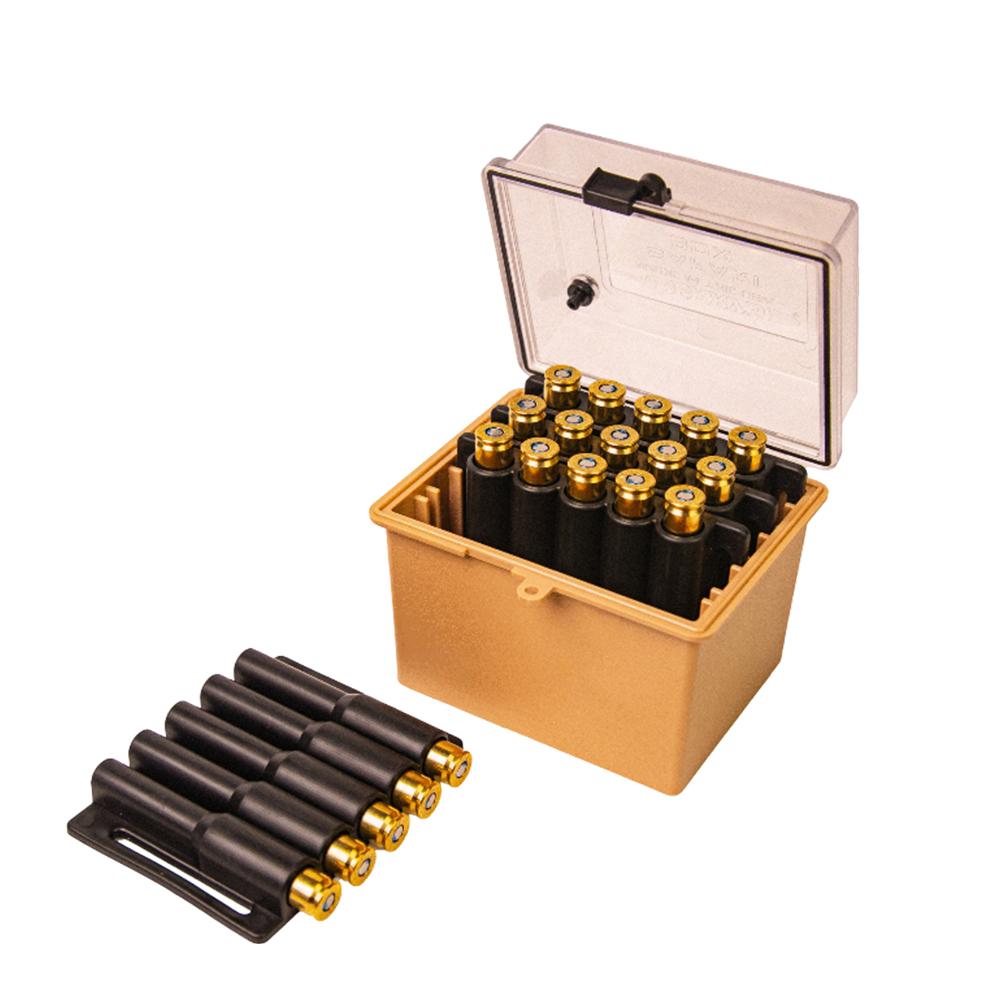
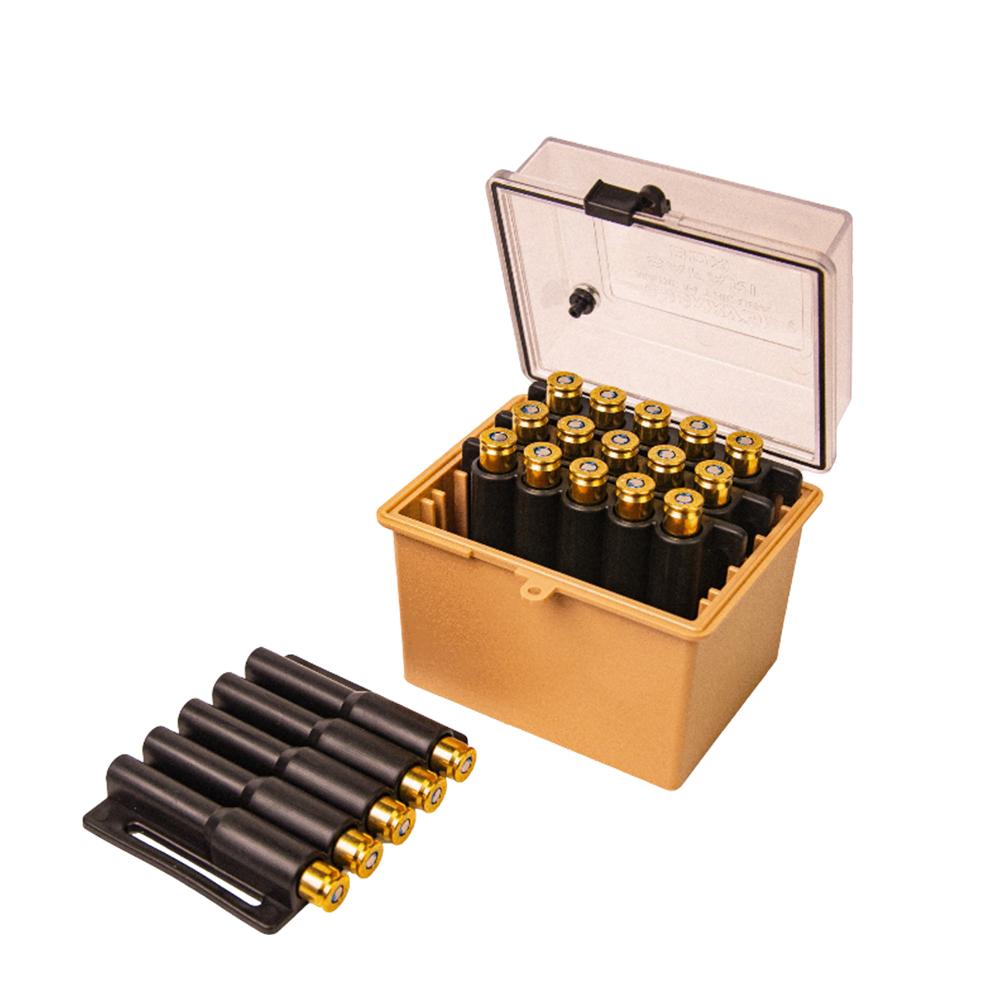
Fall ammunition buying gets serious well before opening morning. Waterfowl loads, big game rifle cartridges, shotgun slugs, upland shells, and handgun hunting ammunition all serve different jobs, even when the box art looks similar. For 2026 fall seasons, the useful question is simple: what load gives your firearm repeatable performance under field conditions, and what evidence do you have before you carry it into the blind, stand, or backcountry?
Ammunition selection should start with the hunt, then move to the firearm, then to proof on paper. A duck load that patterns well through a 28 inch barrel with a modified choke may perform differently in a shorter 24 inch gun. A 150 grain .308 Winchester soft point that shoots 1.25 inch groups at 100 yards may outclass a more expensive bonded load that prints 3 inches from the same rifle. The label matters less than verified fit, accuracy, reliability, and terminal performance for the animal and distance involved.
BLVista helps buyers compare hunting ammunition, field accessories, and 2A friendly gear with a focus on reducing purchase risk. The checklist below keeps the decision centered on real use rather than seasonal noise.
Start With the Game and the Rules for the Area
Waterfowl ammunition is its own category because federal migratory bird rules require non-toxic shot. In practice, that usually means steel, bismuth, tungsten matrix, or another approved non-toxic material. Steel has a density of about 7.8 g/cc, compared with lead at about 11.3 g/cc. That density gap explains why steel shot often needs larger pellet sizes and higher velocity to carry energy at distance.
For ducks, common 12 gauge choices include 3 inch shells with #2, #3, or #4 steel. For geese, many hunters move to BB, BBB, or T steel. A typical 12 gauge steel waterfowl load may carry 1 1/8 ounces or 1 1/4 ounces of shot at listed velocities around 1,450 to 1,550 fps, depending on the shell. Those figures are box-level specifications, so confirm the exact payload and velocity before buying.
Upland hunting follows a different logic. Where lead is lawful, a 20 gauge 2 3/4 inch shell with 7/8 ounce or 1 ounce of #6, #7.5, or #8 shot is common for quail, dove, and grouse. Pheasant hunters often step into 12 gauge 2 3/4 inch or 3 inch loads with heavier payloads and larger shot such as #4, #5, or #6. Areas that mandate non-toxic shot change that decision immediately.
Match Shotshells to Gauge, Chamber, and Choke
The shell length printed on the box must match the chamber marking on the shotgun barrel. A shotgun marked for 2 3/4 inch shells should use 2 3/4 inch ammunition only. A shotgun marked 3 inch can use 2 3/4 inch and 3 inch shells. A 3 1/2 inch chamber adds the larger magnum option, although recoil and follow-up speed become real tradeoffs.
Choke compatibility matters with steel. Older fixed full chokes and some thin-wall tubes can create pressure and pattern issues with large steel shot. Use choke tubes marked for steel when shooting steel waterfowl loads. Pattern testing should happen at 30 yards and 40 yards on a 30 inch circle. Look for even pellet distribution, enough density in the center, and no large holes where a crossing bird could pass through the pattern.
A simple shotshell test plan works well:
- Buy 2 boxes of any candidate load before committing to a case quantity.
- Pattern each load through the actual hunting choke at 30 and 40 yards.
- Fire at least 3 pattern sheets per load to avoid judging one lucky target.
- Check cycling with the same gun, magazine spring, and weather conditions you expect to use.
- Record shell length, shot size, payload weight, listed velocity, choke, and distance.
If you are building a waterfowl kit, start with waterfowl ammo that matches your gauge, chamber length, bird size, and local non-toxic shot requirements.
Big Game Rifle Ammunition Needs More Than Caliber Matching
Centerfire rifle ammunition selection starts with cartridge compatibility, then bullet weight and construction. Common deer and elk cartridges cover a broad spread. .243 Winchester deer loads often use 95 to 100 grain bullets. 6.5 Creedmoor commonly runs 120 to 143 grain hunting bullets. .270 Winchester frequently appears in 130 to 150 grain loads. .308 Winchester and .30-06 Springfield often use 150, 165, 168, 175, or 180 grain bullets, with .30-06 also appearing in heavier hunting weights. 7mm Remington Magnum commonly uses 150 to 175 grain bullets, while .300 Winchester Magnum is often paired with 180 to 200 grain bullets for larger game.
Bullet construction drives terminal behavior. Cup and core soft points are proven for deer-sized animals at moderate impact speeds. Bonded bullets help retain weight when the shot angle is steep or the animal is heavy. Monolithic copper bullets retain weight well and usually require lighter-for-caliber choices because copper is less dense than lead and creates a longer projectile at the same weight. Polymer tips can improve ballistic coefficient and expansion initiation, although the specific bullet design matters more than the tip alone.
Rifle hunters should verify three things before season:
- Group size from a cold barrel at 100 yards, using the hunting rest or pack position you can repeat.
- Point of impact after cleaning and after the first fouling shot.
- Drop confirmation at the longest ethical field distance you plan to shoot.
A hunting rifle with a 20 inch barrel may produce less velocity than the same cartridge tested from a 24 inch pressure barrel. That difference can change drop and expansion distance. If the box lists velocity from a test barrel length that differs from your rifle, confirm actual performance with a chronograph when possible. Pair ammunition testing with a dependable optic setup by reviewing BLVista’s rifle field optics guide.
Shotgun Slugs Require Barrel Type Discipline
Slug ammunition is a strong choice in states or zones that restrict centerfire rifle use for deer. The barrel type should control the purchase. Rifled slugs, often called Foster-style slugs, are generally intended for smoothbore barrels. Sabot slugs are intended for rifled shotgun barrels. A 12 gauge bore is nominally .729 inch, and a 1 ounce slug weighs 437.5 grains. That is a large projectile, and recoil can be substantial in lightweight guns.
Zero distance matters. Many slug hunters confirm at 50 yards and 100 yards because trajectory and group size vary sharply by gun and load. A rifled barrel with a scope or red dot may group sabot slugs far better than a bead-sighted smoothbore. The reverse pairing usually wastes money and range time. Before buying volume, test 2 or 3 slug types and choose the one that prints predictable groups from a cold barrel.
For slug season prep, compare shotgun slug loads by gauge, barrel type, projectile style, recoil level, and sighting system.
Handgun Hunting Loads Need Penetration and Control
Handgun hunting ammunition asks more from the shooter. Short barrels reduce velocity, sight radius is shorter, and field positions are less forgiving. Common handgun hunting cartridges include .357 Magnum, .44 Magnum, 10mm Auto, and larger revolver rounds where legal. Barrel length matters. A 4 inch revolver, 6 inch revolver, and 5 inch semi-auto can deliver different velocity and recoil behavior with the same load family.
Hard cast bullets are often chosen for deep penetration on tough animals. Jacketed hollow points can work well when they are designed for the impact velocity and game size. Expanding bullets that perform correctly in defensive gel testing may fail to meet the penetration expectations of hunting. Feed reliability also matters in semi-automatic pistols. A 10mm Auto hunting load must cycle from every magazine you plan to carry, including the first round from a full magazine and the final round under spring pressure.
Use a Purchase Plan That Covers Zeroing, Hunting, and Reserve
Ammunition availability changes as seasons approach. A 2 box rifle purchase usually gives 40 rounds when boxes contain 20 cartridges each. That can disappear quickly: 5 rounds for baseline zero, 10 rounds for group testing, 5 rounds for positional confirmation, and 5 rounds for final cold-bore checks leaves only 15 rounds for the season and reserve. For shotgun shells, 2 boxes usually means 50 rounds when each box holds 25 shells. Waterfowl hunters can burn through that in a few hunts, especially when pattern testing is included.
Lot numbers deserve attention. If a rifle prints well with one lot, keep that lot for the season. Mixing lots can shift point of impact. Store ammunition in factory boxes so cartridge, bullet weight, lot number, and velocity information remain available. Keep it dry, avoid long-term heat exposure in vehicles, and use a sealed ammo can with a desiccant pack for home storage. During transport, keep ammunition secured and separated according to your state and local requirements.
Decide With a Field Checklist Before You Buy in Bulk
Before you commit to a full season supply, answer these questions in order:
- Is the cartridge, gauge, chamber length, and pressure level correct for the firearm?
- Is the projectile legal for the hunting area, including non-toxic shot rules where they apply?
- Does the bullet or shot size match the animal, distance, and shot angle?
- Has the load been tested in the actual firearm from field positions?
- Do you have enough rounds for zeroing, practice, hunting, and reserve?
- Can you store the remaining ammunition by lot number in a dry, temperature-stable location?
The right fall hunting ammunition is the load that your firearm shoots predictably, your body can manage under recoil, and your local rules allow. Price and availability matter, although they should come after fit, reliability, accuracy, terminal performance, and safety.
FAQ
For rifle season, 2 boxes usually means 40 rounds. That may cover zero confirmation, a short range session, and a modest reserve. Hunters who changed optics, mounts, barrels, or ammunition should buy more for group testing and point-of-impact confirmation.
A common starting point is a 3 inch 12 gauge steel load with #2, #3, or #4 shot and a listed velocity around 1,450 to 1,550 fps. Pattern it at 30 and 40 yards through a steel-rated choke before hunting.
Use choke tubes marked for steel when shooting steel shot. Older fixed full chokes and some tubes may be unsuitable for large steel pellets, so check the shotgun and choke markings first.
Bonded bullets help retain weight through bone, heavy muscle, and angled shots. Standard cup and core bullets can work well for broadside deer at moderate distances when they shoot accurately in the rifle.
Use rifled slugs in smoothbore shotguns and sabot slugs in rifled shotgun barrels. Confirm zero and group size at 50 and 100 yards because slug performance varies widely by gun and load.
Was this useful?