
Brief
DPMS Oracle AR-15 Review: What You Get, What to Inspect, and How to Set It Up for Real Use
Detailed DPMS Oracle AR-15 review with inspection checklist, range reliability notes, ammo weight considerations, and smart trigger and red dot upgrade...
Shop this at BLVista

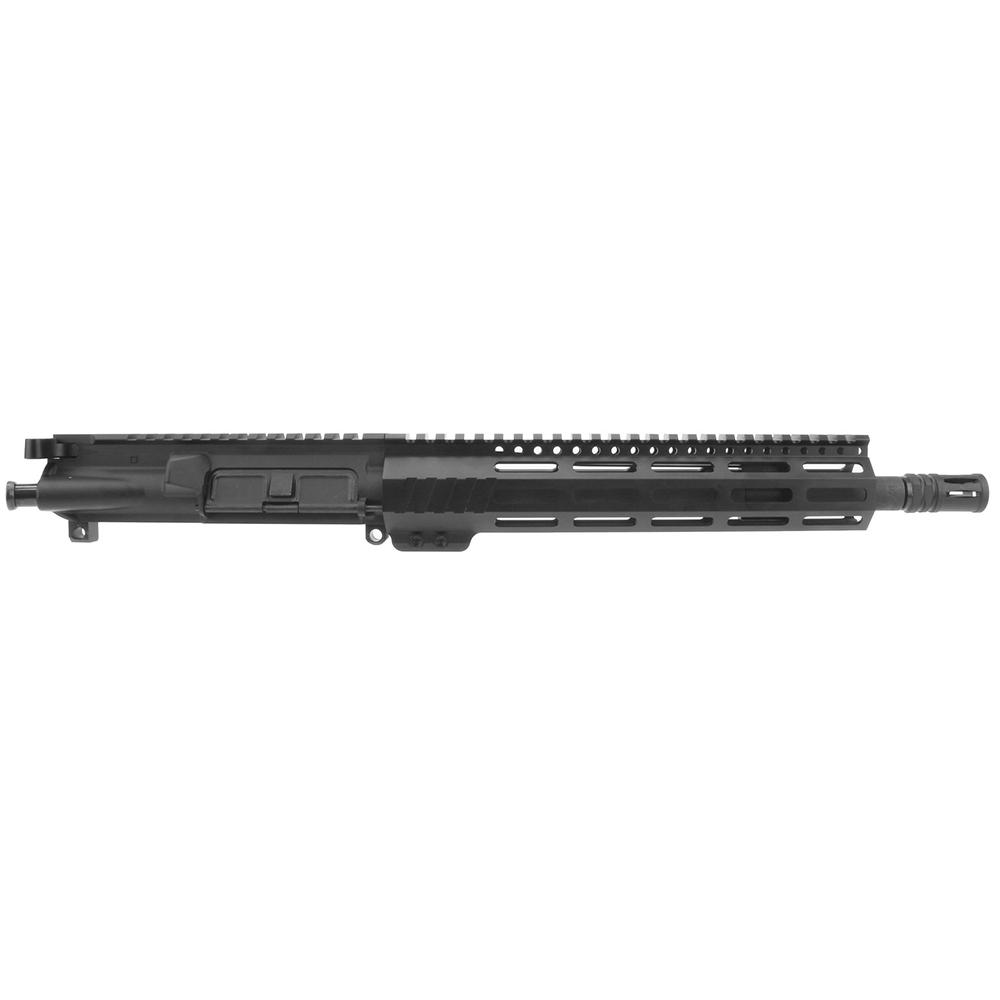
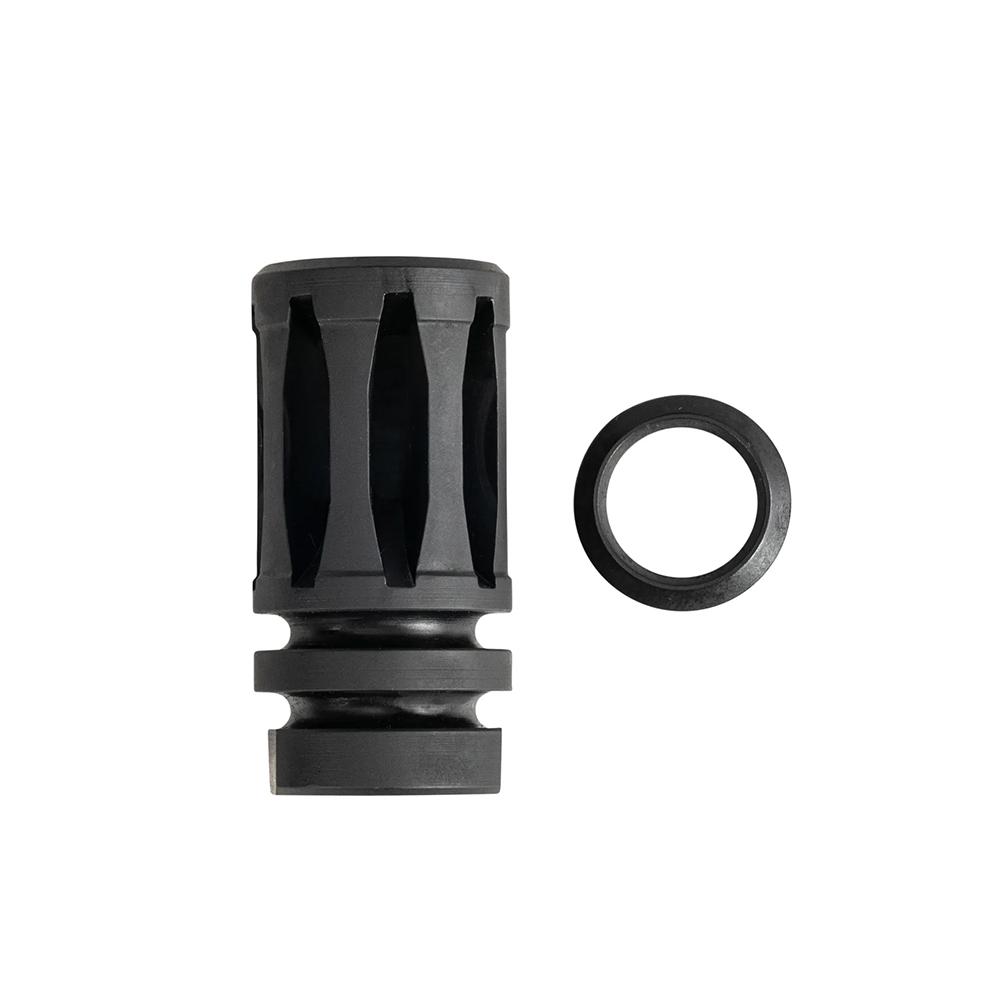
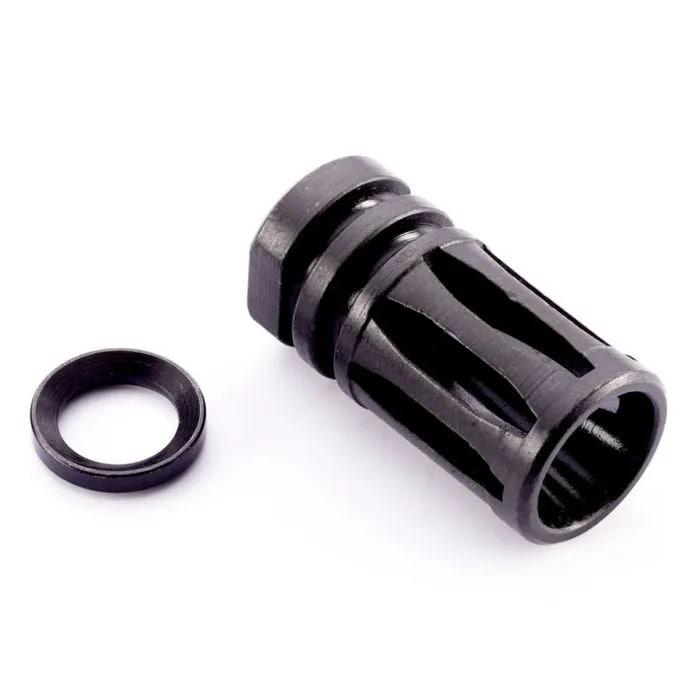
DPMS Under PSA: What That Means for Buyers
DPMS spent decades as a familiar name on gun shop racks. After brand changes and the usual internet noise about quality control, the DPMS name now sits under Palmetto State Armory. For the buyer, that matters less as a corporate story and more as a practical question: does an entry-level DPMS AR-15 show the basic assembly standards that keep an AR reliable over time?
The DPMS Oracle occupies the same lane as other budget-friendly 5.56 NATO carbines: a general-purpose AR-15 built for range time, training, and home defense, with enough baseline correctness to serve as a starting point. The value proposition only holds if the rifle is put together right and stays consistent after a few hundred rounds, heat cycles, and cleaning intervals.
The DPMS Oracle Configuration: Simple on Purpose
The reviewed rifle is the classic entry-level pattern: 16-inch carbine, standard handguard, adjustable stock, and basic iron sights. At roughly 7.5 pounds, it sits in the middle of the pack for a non-free-float, non-lightweight build.
Simple furniture is not a drawback when the goal is reliability and familiarity. Standard parts are easy to replace, easy to source, and easy to keep running. For a first AR-15 or a utility rifle that will ride in a truck, get dragged through a training class, or sit staged for home defense, the baseline matters more than accessories.
Workroom Inspection: The Checks That Matter on an Economy AR-15
Before the first range trip, treat any budget AR-15 like a final-assembly project. You are not looking for perfection. You are looking for the common failure points that show up after heat and recoil.
1) Bolt carrier key staking
This is the fastest credibility check on a low-cost AR. A properly staked gas key helps prevent the screws from backing out. Loose carrier keys cause gas leaks, short-stroking, and inconsistent cycling. On this DPMS, the staking was correctly executed.
2) Gas system and extractor basics
Confirm the gas block is aligned and secure, and inspect the extractor and spring setup. You want positive extraction with a clean, consistent ejection pattern once you start shooting. If you plan to run steel case or suppressed later, extractor health becomes even more important.
3) Castle nut staking and receiver extension
Many entry rifles ship with a castle nut that is tight but not staked. For a defensive rifle or a class rifle, staking is cheap insurance. Check that the receiver extension is properly timed and the stock locks up without excessive play.
4) Feed ramps, chamber, and magazines
Use known-good magazines to eliminate variables. PMAGs are a solid baseline. If the rifle chokes, you want to know whether the issue is the gun or the mag. Also verify the chamber is clean and lightly lubricated for the first session.
Initial Range Use: Reliability First, Accuracy Second
Initial testing with 55-grain FMJ at close distance is a sensible approach. It confirms function, verifies irons and basic zero, and gives you early data on ejection and cycling without burning premium match ammunition. In this case, the carbine ran 100 rounds without a malfunction and printed tight groups at 25 yards, then made consistent hits at 50 yards on informal targets.
For most owners, that first session answers the most important questions: does the rifle feed, fire, extract, and lock back with common ammo and standard magazines? This DPMS did.
Trigger and Optic Upgrades: When They Make Sense
The AR-15 is modular, which invites upgrades. The mistake is upgrading before establishing a baseline. Once the rifle proves reliable, upgrades should match a defined use case: defensive carbine, training gun, varmint rig, or a general-purpose rifle.
Drop-in trigger considerations (Timney-style)
An improved trigger can tighten groups and increase speed on controlled pairs, especially during training where you are working cadence and transitions. The reviewed rifle used a Timney RED AR trigger, bringing the pull to about 3.5 pounds with a consistent break and reset.
What to watch: Any lighter trigger changes the safety margin for some users under stress. If this is a home defense rifle, validate your trigger choice with dry practice, safe manipulation, and live fire from awkward positions. Also confirm reliable primer ignition with the ammunition you keep on hand.
Red dot considerations (Riton-style)
A budget red dot under $200 can be a practical choice for a 0 to 200 yard carbine if it holds zero, has usable brightness settings, and survives normal handling. The key is to mount it correctly and verify repeatability after removal, transport, and temperature swings.
Mounting checklist: torque to spec, use threadlocker if recommended by the mount manufacturer, confirm proper rail slot engagement, and witness mark screws so you can spot movement during cleaning and training.
Ammunition Behavior: What the Load Selection Tells You
Running a spread of bullet weights is more than a curiosity exercise. It is a way to learn how your specific barrel, gas system, and optic setup behave across realistic use cases: practice ammo, varmint loads, defensive loads, and match ammunition.
36-grain varmint loads
Very light bullets can expose marginal gas tuning, especially in carbines. If the rifle cycles a fast, lightweight varmint load reliably, that suggests decent system balance with that particular ammunition. For field use, also consider terminal performance and wind drift. Light bullets get pushed around quickly past 150 yards.
52-grain match loads
In many rifles, 52-grain match ammunition is a practical accuracy benchmark. With a red dot and a benchrest at 50 and 100 yards, you are measuring the combined system: barrel, trigger, shooter stability, and the dot’s aiming precision. Groups in the 2 to 3 inch range at 100 yards with a dot are a reasonable outcome for this setup.
50-grain Barnes TSX and other bonded or solid copper loads
Monolithic bullets can be an excellent choice when you need penetration and weight retention, including defensive use and some hunting situations where legal. They can also be sensitive to velocity thresholds for expansion. Verify expected performance from your barrel length, and confirm your local hunting regulations for .223/5.56 on deer-sized game.
60-grain JSP and midweight defensive loads
Midweight soft points remain a practical option for defensive use because they can offer reliable feeding and predictable terminal behavior compared to very light varmint bullets. Whatever you choose, function test enough rounds to trust the magazines, the feed geometry, and your zero.
69-grain and 77-grain OTM
Heavier match bullets often show their strengths with better glass and, in many cases, longer barrels. Still, they can shoot well from a 16-inch carbine and often maintain better performance at distance and in wind than lighter FMJ. Confirm stability and accuracy in your barrel, then confirm point of impact differences versus your practice ammunition.
Reliability Over 300+ Rounds: What It Suggests and What It Does Not
Running 320 rounds without a malfunction is a meaningful early indicator. It suggests the rifle’s basics are correct: gas key integrity, extractor function, magazine compatibility, and general assembly quality. It does not replace longer-term validation.
Practical validation plan:
- Run at least 500 to 1,000 rounds over several sessions with normal cleaning intervals.
- Include rapid strings to heat soak the rifle and expose marginal gas or carrier key issues.
- Confirm lock-back on empty with your primary magazines.
- Test your chosen defensive load for reliability and point of impact.
Real-World Use Cases: Where This Rifle Fits
Range and training
The Oracle pattern is well-suited for carbine fundamentals, drills, and classes. Keep it lubricated, bring spare magazines, and monitor fasteners and optic mounts. If you start attending classes regularly, consider a sling, a quality weapon light, and a durable optic mount as higher priorities than cosmetic upgrades.
Home defense
A reliable AR-15 with a red dot can be a strong home defense tool when paired with a light, safe storage, and a plan. Confirm zero at practical distances, confirm your ammunition choice, and train your manipulations. If you add a lighter trigger, validate it under stress with strict safety habits.
Varmint and predator work
With the right load, a 16-inch 5.56 carbine can be effective on varmints and predators. For field precision, a magnified optic and a free-float handguard can help, but they are not mandatory if your shots are inside realistic distances and you understand your holds.
Deer-sized game
Some states allow .223/5.56 for deer with restrictions; others do not. When legal, shot placement and bullet selection are non-negotiable. Use an appropriate hunting bullet, confirm expansion at your expected impact velocity, and keep distances conservative. A practical mental rule is to stay inside the range where you can guarantee a vital-zone hit from field positions, not from a bench.
Ownership Lifecycle: Maintenance, Parts, and Compatibility
Entry-level AR-15s win when they are maintained like working tools.
- Lubrication: run the bolt carrier group wet enough to stay consistent during longer sessions, especially in dry or dusty conditions.
- Spare parts: keep a spare bolt or at least extractor springs, gas rings, and firing pin retaining pins. These are cheap and keep downtime low.
- Magazine standardization: stick with proven mags and label them. Most “rifle problems” in the field trace back to magazines.
- Storage and transport: protect the rifle from long-term moisture exposure. Use a case that does not trap humidity for long storage, and check screws and mounts after travel.
Bottom Line
The DPMS Oracle, as configured and tested here, behaves like a competent entry-level AR-15. The early indicators that experienced buyers care about, including proper carrier key staking and consistent function across multiple ammunition types, are in place. With a sensible trigger and optic setup, it becomes a practical training and defensive carbine so long as the owner verifies reliability, confirms zero, and maintains it like a working gun.
FAQ
Yes, if you inspect it before the first range session and validate reliability with your magazines and ammunition. Look for proper bolt carrier key staking, check the castle nut, and run several hundred rounds before trusting it for defensive use.
Check bolt carrier key staking, gas block security, extractor condition, castle nut staking, basic feed ramp and chamber cleanliness, and confirm your optic mount or iron sights are tight. Use known-good magazines to reduce variables.
Plan for 500 to 1,000 rounds across multiple sessions. Include some rapid strings to heat the rifle, confirm lock-back on empty with your primary magazines, and function test your chosen defensive load.
It can be, if you prioritize safe handling and verify reliable primer ignition. A lighter, cleaner trigger can improve accuracy and speed, but it requires disciplined trigger management and validation with the ammunition you keep for defense.
A 50-yard zero is a common choice for general-purpose use because it keeps holds simple from close range out to around 200 yards. Confirm your actual impacts at 10, 25, 50, and 100 yards since height-over-bore and ammunition affect point of impact.
It depends on your state’s hunting regulations. When legal, use a purpose-built hunting bullet such as a bonded soft point or a quality copper bullet, verify expected expansion from a 16-inch barrel, and keep shots within distances where you can guarantee vital-zone hits from field positions.
Keep extra extractor springs and inserts, gas rings, a firing pin retaining pin, a spare firing pin, and ideally a complete spare bolt. Standardizing on proven magazines and labeling them also prevents most range and training headaches.
Was this useful?