
Brief
Best Concealed Carry Revolvers: Real-World Tradeoffs, Carry Setups, and Top Picks
Compare top concealed carry revolvers with real-world carry tradeoffs: weight, caliber, sights, durability, holsters, reloads, and long-term reliability.
Shop this at BLVista
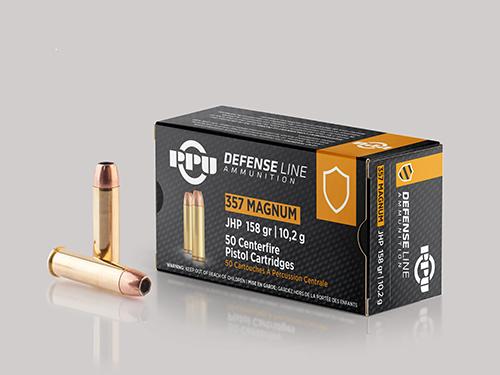
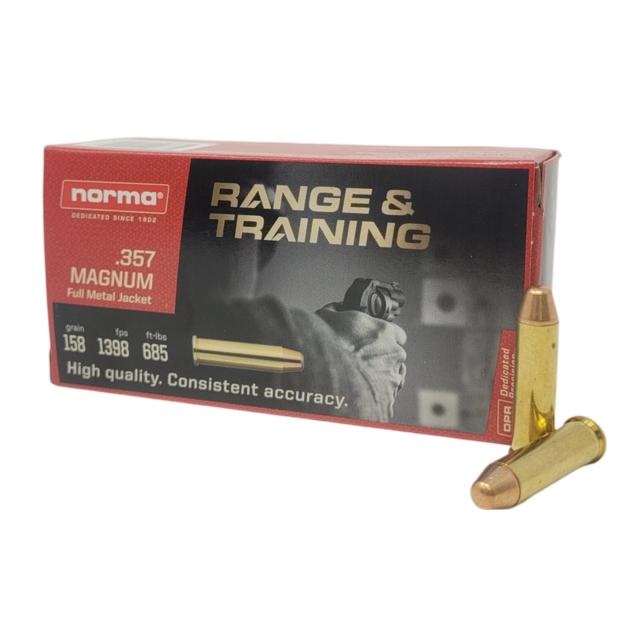
Revolvers still solve a few concealed carry problems better than most semi-autos. They tolerate lint and neglect, they handle contact-distance shots without going out of battery, and they give you a simple manual of arms under stress. They also demand honesty about capacity, reload speed, and recoil from short barrels.
This guide is built for buyers who want a carry revolver that will live in a holster, see real range time, and keep working through years of sweat, dust, and daily knocks. The models below earned their place because they balance reliability, concealment, durability, and practical shootability.
How to Choose a Concealed Carry Revolver (A Buyer Checklist)
Before comparing brands, lock in the constraints that matter in the real world.
1) Carry method drives everything
- Pocket carry: demands a snag-free profile, a true pocket holster, and realistic expectations about grip size and speed.
- IWB/AIWB: can support heavier steel revolvers if you use a purpose-built holster and a stiff belt. Cylinder width matters more than barrel length for comfort.
- OWB under a cover garment: opens the door to 3-inch guns that shoot better and flash less, especially in .357 Magnum.
2) Barrel length is a performance lever
In short revolvers, a small change in barrel length can meaningfully change recoil impulse, sight radius, and muzzle flash. Two-inch guns carry easily, but 3-inch guns often shoot easier, track better in recoil, and deliver more consistent terminal performance with defensive loads.
3) Weight and frame material decide how often you actually practice
Ultra-light revolvers carry well and punish your hands during practice. Steel frames carry heavier and typically allow more productive training with full-power defensive ammo. If you will shoot 200 to 500 rounds per year, steel becomes easier to live with.
4) Sights and trigger matter more than most spec sheets admit
Small revolvers often ship with minimal sights. A bright front sight and a usable rear notch reduce miss risk at realistic defensive distances. A consistent double-action trigger you can stage and manage is the difference between fast hits and rushed misses.
5) Reload plan: speed strips vs speedloaders
- Speed strips: flatter for concealment, slower to load, easier to carry.
- Speedloaders: faster, bulkier, sensitive to grip shape and chamfering around charge holes.
Build your setup around the reload you will actually carry, then confirm your grip and holster do not block it.
6) Caliber choice: pick what you can control from your gun
- .38 Special +P: the practical baseline for most J-frame size guns.
- .357 Magnum: offers flexibility, but full-power loads in short barrels increase blast and slow follow-up shots. Many owners settle on .38 +P for carry even with a .357 chamber.
- .32 H&R Magnum and .327 Federal: can offer more capacity and manageable recoil, with the tradeoff of ammunition availability and load selection depending on location.
- 9mm revolvers: simplify ammo commonality but add moon clip logistics and maintenance considerations.
How We Evaluate Carry Revolvers (What to Verify Before You Trust One)
Revolvers fail differently than semi-autos. The right evaluation is about confirming timing, lockup consistency, extraction reliability, and ignition with your carry ammo.
- Reliability with defensive loads: confirm reliable primer ignition and full extraction after firing, especially with fouling buildup.
- Practical accuracy: shoot freehand at 7 yards, then confirm you can keep controlled hits farther out. Your sight system and trigger control show up here.
- Concealment in daily clothing: the cylinder prints more than the barrel. Test sitting, driving, bending, and moving with your holster setup.
- Control access: practice cylinder release operation, ejection technique, and reloads with your chosen loader type.
- Durability indicators: evaluate finish wear points, crane and yoke fit, and whether screws back out under firing.
Best Concealed Carry Revolvers (Top Picks)
Smith & Wesson Ultimate Carry J-Frame (432UC, 632UC, 442UC, 642UC)
Who it fits: the buyer who wants a truly carry-focused J-frame with modern sights and carry-friendly details.
The Ultimate Carry line takes the long-running J-frame footprint and fixes common pain points. A real front sight system and an adjustable rear increase practical hit speed in typical defensive lighting. Features like chamfered charge holes support speedloader use, and the grip profile helps you get higher on the gun without turning it into a printing problem.
Why it matters in the field: J-frames often get carried more than they get practiced with. Better sights and a more workable grip encourage productive range time, which lowers the risk of a “carried a lot, shot a little” setup.
Caliber note: the 6-shot .32 H&R option is a serious consideration for shooters who want an extra round and controllable recoil. The .38 Special +P versions keep ammunition selection simple.
Ownership checks: confirm your chosen grips clear your speedloader brand, and confirm your sights are regulated with your carry load at realistic distances.
Ruger LCR
Who it fits: the buyer who prioritizes lightweight carry and a smooth double-action pull across multiple caliber options.
The LCR’s appeal is straightforward: it carries light and its trigger system helps shooters run a small revolver well. Ruger’s caliber spread lets you pick your recoil and ammo strategy, from .38 Special +P to .327 Federal to 9mm. The grip peg system makes it easy to tune concealment versus control without committing to a permanent grip choice.
Why it matters in the real world: light guns are easy to carry and harder to shoot fast. A predictable trigger and the ability to fit the grip to your hand makes the LCR easier to keep on target during rapid, close-range drills.
Compatibility note: 9mm versions add moon clips. Plan how you will store, carry, and maintain them, and verify your chosen defensive load extracts cleanly.
Colt King Cobra Carry DAO (2-inch)
Who it fits: the shooter who wants a 6-shot .357 Magnum revolver with a carry-oriented, snag-resistant profile and a refined trigger.
The King Cobra Carry DAO brings a solid stainless build and a smooth double-action pull in a package that still makes sense for concealment with the right holster. Six rounds in a .357-sized carry revolver is a meaningful step up for many users, especially those who prefer a cylinder over a magazine.
Real use tradeoff: size and weight increase comfort in recoil and reduce shootability penalties of magnum chambering, but the gun demands a more serious belt and holster. This is rarely a pocket gun for most people.
Load planning: many owners will carry .38 Special +P for controllability and practice with a mix of .38 and .357. Confirm point of impact for both if you intend to switch.
Ruger SP101 (2.25-inch or 3-inch)
Who it fits: the buyer who wants a compact revolver that tolerates hard use, heavy training, and rough environments.
The SP101 has a reputation for taking abuse. Stainless construction, robust lockup, and a design that favors longevity make it a good pick for people who actually shoot their carry revolver regularly. If you live in humid climates, sweat through gear, or spend time outdoors where dirt and grit happen, the SP101’s durability profile matters.
Why it matters over years: a carry revolver becomes an ownership lifecycle tool. Springs, screws, and small parts still need attention. A platform that stays tight and maintains timing through thousands of rounds lowers long-term maintenance risk.
Tradeoff: it carries heavier than most guns of similar capacity. If your daily comfort threshold is low, you may end up leaving it at home. Be honest about your carry habits.
Smith & Wesson 686 Plus (3-inch)
Who it fits: the shooter who will carry OWB or IWB with a strong belt and wants capacity, sight quality, and shootability in a defensive revolver.
A 7-shot cylinder changes the conversation for people who prefer revolvers but worry about capacity. The 3-inch configuration tends to balance well, offers a useful sight radius, and can be easier to shoot accurately at speed than smaller frames. It also supports a wider range of ammunition choices while remaining controllable.
Carry reality: this is a commitment. Weight and size demand a real holster and belt, and cover garments that match the gun. For many owners, the payoff is higher confidence during training and better performance on the timer.
Outdoor crossover: for hikers and property owners who want a dual-role revolver that can serve as a carry gun and a field sidearm, an L-frame .357 with adjustable sights has practical upside.
Kimber K6s (2-inch or 3-inch)
Who it fits: the buyer who wants a slim 6-shot revolver for concealment, with a strong focus on fit, trigger quality, and usable sights.
The K6s earns attention because it packs six rounds into a relatively slim profile, which helps concealment where cylinder width is the limiting factor. Sight options and trigger feel tend to support real shooting, not just carry. In day-to-day use, details like cylinder release ergonomics and sight readability show up during reload drills and low-light practice.
Selection note: model variations matter. Decide whether you want DAO simplicity or DA/SA capability, then choose barrel length based on your carry method. If you plan to shoot full-power .357, budget for practice time and consider how recoil affects your split times and grip endurance.
Maintenance and Long-Term Ownership (Keep a Carry Revolver Working)
- Lint and grit: pocket and ankle carry require routine wipe-downs. Pay attention to the ejector star and cylinder window.
- Ejector rod and screws: periodically check for loosening according to the manufacturer’s guidance.
- Extractor function: practice firm, vertical ejection. Weak ejection habits cause most “revolver reload” problems under stress.
- Carry ammo rotation: sweat and pocket humidity can affect cartridges. Rotate defensive ammo periodically and inspect for corrosion.
- Function checks: verify lockup, timing consistency, and that the cylinder opens and closes smoothly. If something changes, stop and get it inspected by a qualified armorer or gunsmith.
Practical Recommendation Framework
If you want a fast way to narrow choices, use this approach:
- Decide carry location: pocket, IWB/AIWB, or OWB.
- Choose your recoil budget: light gun with .38 +P, or heavier gun that you will actually practice with in volume.
- Prioritize sights: if you cannot see them quickly, you will not shoot them well under stress.
- Pick a reload system: speed strip or speedloader, then test it with your grips.
- Buy for your lifestyle: sweat, dirt, rain, and daily knocks favor stainless and proven designs.
Final Thoughts
A concealed carry revolver is a legitimate defensive tool when you choose one that matches how you actually dress, carry, and train. The best pick is the one you will keep on you consistently, shoot often enough to stay honest, and maintain so it stays reliable. For most people, that means choosing controllability and sight quality over chasing the lightest possible weight.
FAQ
The best concealed carry revolver is one you can carry daily and shoot well in double action. Common top choices include the Smith & Wesson Ultimate Carry J-Frame and the Ruger LCR because they balance concealability, reliability, and practical shootability.
.357 Magnum can be effective, but recoil, blast, and flash from short barrels often reduce speed and accuracy for many shooters. Many carriers choose .38 Special +P in .357 revolvers to improve control and follow-up shots while keeping caliber flexibility.
A 2-inch revolver favors deep concealment and pocket carry. A 3-inch revolver typically improves sight radius, recoil management, and defensive ammo performance consistency. For IWB or OWB carry, a 3-inch model is often easier to shoot well.
Reliability depends on a proven design, proper maintenance, and testing with your carry ammo. Durable options like the Ruger SP101 and established platforms like Smith & Wesson J-Frames have strong track records, but any revolver should be verified for consistent ignition and extraction.
Shoot enough to confirm ignition, extraction, and accuracy with both practice and defensive loads. A practical baseline is several hundred rounds total, including some of your carry ammo, plus reload drills with your real holster and loader setup.
Revolvers offer simple operation, strong reliability characteristics, and contact-distance capability. Semi-autos usually provide higher capacity and faster reloads. Revolver carriers should prioritize double-action trigger practice and a realistic reload plan.
Use a holster built for your specific revolver and carry position. Pocket carry requires a pocket holster that covers the trigger guard and stays in the pocket during the draw. IWB and OWB benefit from rigid construction, secure retention, and a belt that supports the revolver’s weight.
Was this useful?