
Brief
Hawkins Precision TM Scope Mount Practical Review
Practical review of the Hawkins Precision TM scope mount with fit, accessory mounting, height choices, torque, durability, and precision rifle use cases.
Shop this at BLVista
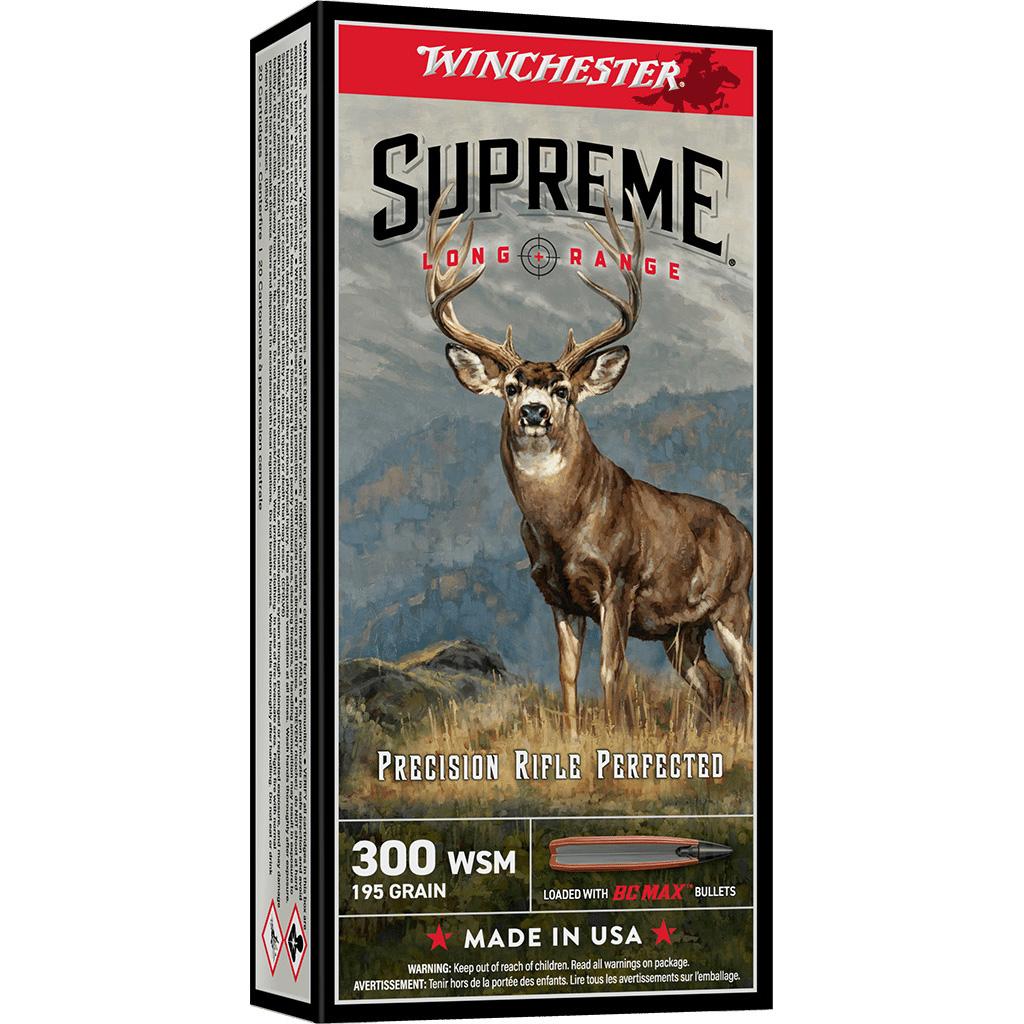 Winchester Supreme Long Range Rifle Ammunition .300 WSM 195gr PT 2900 fps 20/ct
 Sierra MatchKing Long Range Specialty Bullets .30 cal .308" 210 gr HPBT MATCH 500/ct
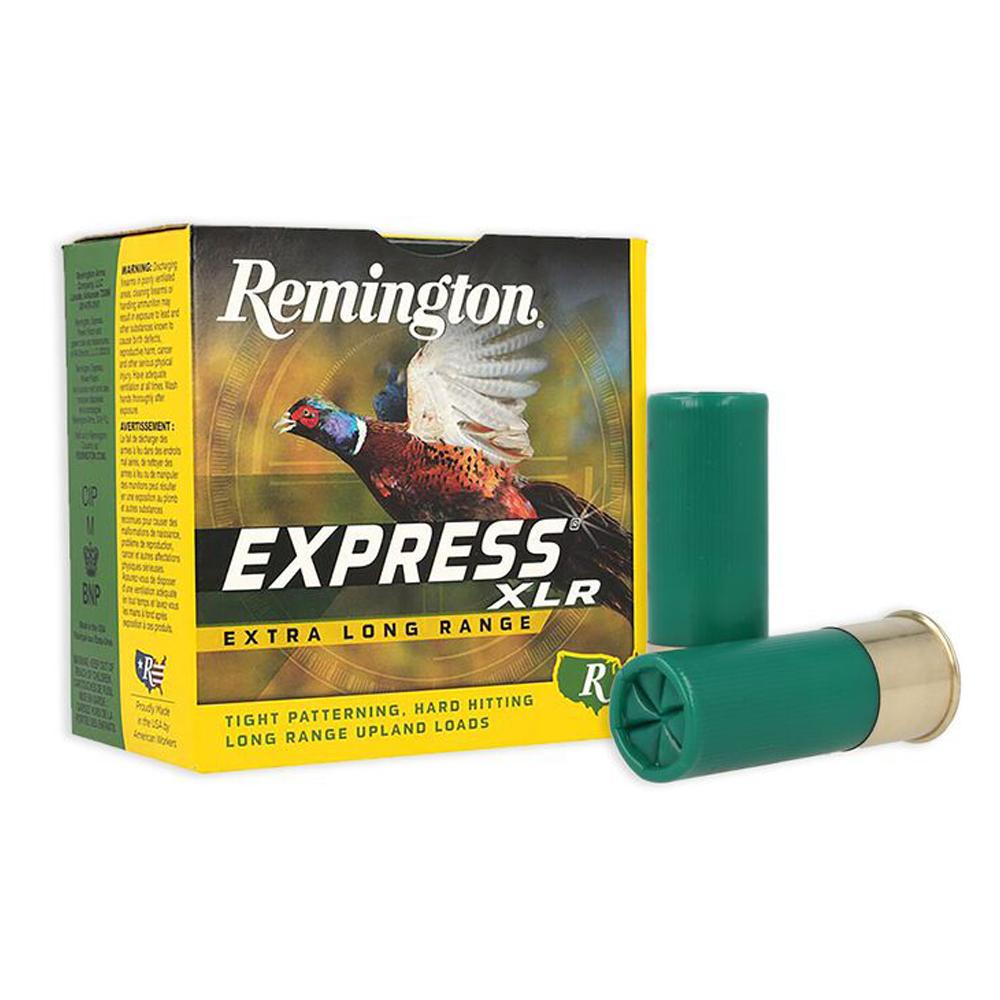 Remington Express Extra Long Range Loads 12 ga 2-3/4 in 1-1/8 oz #7.5 1450 fps 25/ct
 Winchester Supreme Long Range Rifle Ammunition .300 Win Mag 195gr PT 2900 fps 20/ct
Hawkins Precision TM Scope Mount Practical Review
The Hawkins Precision TM scope mount is built for shooters who treat the optic mount as part of the rifle system, rather than a simple clamp that holds glass in place. That matters on a precision rifle. Once a rifle carries a large objective scope, electronic level, timer, laser rangefinder, night vision bridge, or thermal clip-on, the mount becomes a structural and organizational component. It has to hold zero, manage accessory weight, preserve optical alignment, and stay out of the shooter’s way in real field positions.
The TM is a one-piece cantilever mount with modular accessory support. Its purpose is clear: give precision rifle shooters a rigid base for modern optic setups without forcing improvised add-ons onto limited rail space. For BLVista readers comparing precision scope mount options, the useful question is simple. Does this design solve real problems you have, or does it add capability you will never use?
Why the Shorter Footprint Matters
Many one-piece cantilever mounts consume a long stretch of Picatinny rail. That works on full-length top rails, AR-style receivers, and chassis systems with plenty of space. It becomes harder on split rail actions, short actions with minimal receiver rail, or custom Remage-style builds where scope placement, eye relief, and action geometry all compete for room.
The TM uses a shorter base footprint than many traditional cantilever mounts. In practical terms, that gives the shooter more placement flexibility. If you are setting eye relief behind a long ocular housing or trying to keep the objective bell clear of a heavy barrel contour, extra rail position options matter. A mount that forces the scope too far forward or too far back creates problems that show up during prone work, positional stages, and long hunting sits where head position fatigue becomes obvious.
This is also relevant for shooters who move optics between rifles. A mount that fits more receiver layouts reduces the chance that a high-value optic setup becomes locked to one rifle. That does not mean you should treat any precision optic as casually swappable. It means the mount gives you more room to set up the rifle correctly before final torque, leveling, and zero confirmation.
Accessory Mounting Without the Usual Patchwork
The main design point is the modular accessory system. The TM includes two short Picatinny rail sections and a longer 4.6-inch Picatinny extension commonly called a diving board. Those parts allow the shooter to mount electronic levels, shot timers, or a weapon-mounted laser rangefinder in a controlled location above or near the optic.
That has real value for competition and field shooting. A laser rangefinder mounted to a rifle introduces leverage, vibration, and handling concerns. A small rail section attached as an afterthought may hold light accessories well, while a larger rangefinding unit benefits from a dedicated support surface. A purpose-sized forward rail can also help maintain a cleaner sight picture through the scope and reduce the chance that mounted electronics interfere with bolt manipulation, barricade contact, or pack carry.
For a hunting rifle, the calculation changes. Added rails and electronics increase weight and snag points. If your rifle spends most of its time in a scabbard, truck case, or backpack during steep country hunts, a lower profile conventional mount may fit your use better. If your rifle is a match gun, predator rifle, or dual-use precision setup where fast ranging and position management matter, the modular layout becomes more appealing.
Integrated Bubble Level and Shooter Position
The TM places a bubble level in the top cap area, with an offset anti-cant layout that can be configured for left-handed use. Cant control matters most when distance increases and wind calls already demand attention. A small amount of rifle tilt can move point of impact enough to matter on small targets, especially with high magnification optics, tall scope height, and long-range ballistic corrections.
An integrated level can reduce clutter compared with a separate ring-mounted level. It also keeps the reference close to the optic, which is where many shooters naturally check alignment before breaking a shot. The best level is the one you can see without changing your cheek weld or lifting your head. During prone, rooftop, tank trap, or tripod shooting, breaking position to check a level wastes time and can disturb natural point of aim.
Buyers should still evaluate visibility before committing. Some shooters prefer a fold-out level. Others like electronic systems. The TM’s integrated design makes sense for a clean rifle, but eye dominance, scope height, cheekpiece setup, and shooting style determine whether the level lands in the right spot for you.
Cable Management Is More Than Appearance
Electronic levels, timers, and rangefinding accessories can bring cables with them. Loose cable routing becomes a functional issue when shooting from barricades, moving through brush, or packing a rifle into a case. A cable that loops near the bolt handle, turrets, magnification ring, or support hand area will eventually snag, wear, or distract the shooter.
The TM includes cable routing through the base area. That helps keep the top of the rifle organized and reduces clutter in the shooter’s visual plane. For range use, clean cable management improves consistency. For hunting or field use, it reduces exposure to abrasion, weather, and impact. Any wired accessory on a rifle should be treated like a potential failure point. Route it short, protect it from sharp edges, and inspect it during cleaning.
Ring Diameter, Height, and Optic Compatibility
The TM is offered for 34mm, 35mm, and 36mm scope tubes. Those sizes target modern precision optics rather than lighter 1-inch or 30mm hunting scopes. Before buying, confirm your scope tube diameter from the optic manufacturer, since ring size is a hard compatibility requirement.
Height matters just as much. The 1.27-inch height is suited to many precision bolt rifle setups, including large 56mm objective optics when receiver height, barrel contour, and rail design cooperate. The 1.54-inch height is better aligned with AR-style forends and rifles using night vision or thermal clip-on devices. Higher mounts can improve inline compatibility with front-mounted devices, but they also affect cheek weld. A raised cheekpiece or adjustable stock becomes important if you want repeatable head position.
The TM is a 0 MOA mount. That means it does not add built-in elevation cant. For many cartridges and modern scopes with ample internal elevation, 0 MOA is workable. For extreme long-range shooting, a 20 MOA base or canted rail may still be preferred. Buyers should look at the whole system: rifle base, optic adjustment range, intended distance, and ammunition ballistics. Scope mount cant should solve a ballistic requirement, not act as a default choice.
Torque, Installation, and Long-Term Reliability
Precision mounts live or fail by installation quality. Use a calibrated inch-pound torque wrench, degrease screws where appropriate, follow the current manufacturer instructions, and confirm whether threadlocker is recommended. Ring cap screws often sit in the 20 to 25 inch-pound range depending on the optic and mount design. Base cross-bolt values can be higher, but the exact specification should come from the current product instructions. If you ever see a scope mount torque value listed in foot-pounds, verify it before applying force. Most optic hardware is specified in inch-pounds, and confusing the two can damage the mount, rail, optic, or receiver.
During installation, set eye relief at the highest magnification you expect to use from real shooting positions. Level the rifle, level the optic, tighten screws in a balanced pattern, and verify that the reticle remains aligned after final torque. After the first range session, inspect witness marks and confirm fastener tension if the manufacturer allows rechecking. A paint pen witness mark on cross bolts and ring screws gives a quick visual reference before a match or hunt.
Finish, Weather, and Ownership Lifecycle
The black anodized corrosion-resistant finish suits hard outdoor use. Anodizing helps protect aluminum from surface wear and oxidation, though sharp impacts, grit, and steel tools can still mark the finish. Precision rifle gear often sees dust, rain, sweat, cold, and case abrasion. Keep the mount clean, avoid aggressive solvents near electronic accessories, and inspect rail interfaces for debris before remounting.
Storage and transport matter. A rifle with a scope, diving board, and mounted electronics may require a taller or deeper case. Before adding accessories, confirm that your case foam, safe layout, vehicle storage, and airline or match transport setup still protect the optic system without constant pressure on the accessory rails. A rifle that no longer fits its case invites damage during the most common part of ownership: movement between home, range, field, and storage.
Legal and Compliance Considerations
The mount itself is a firearm accessory, but attached devices may trigger specific rules depending on where and how you use them. Night vision, thermal optics, electronic rangefinding, and illuminated devices can be regulated differently for hunting by state, species, season, and public land rules. Always check current game regulations before using thermal or night vision equipment in the field. For travel, know the laws that apply to your firearm, optic, and mounted accessories across every jurisdiction on your route.
Who Should Consider the TM Mount
The TM makes the most sense for precision rifle shooters who plan to run accessories on or near the optic. That includes match shooters using electronic levels, long-range hunters integrating rangefinding equipment, and rifle owners building a night-capable or thermal-capable setup. It also fits shooters who value a one-piece mount with a shorter footprint for split rail and compact receiver layouts.
A simpler mount may be the better buy for a lightweight mountain rifle, a general deer rifle, or any setup where minimal weight and low bulk matter more than modular accessory support. The practical decision framework is straightforward: confirm tube diameter, choose height based on stock and clip-on needs, decide whether 0 MOA fits your distance plan, evaluate accessory load, then confirm case and storage compatibility. If all five points line up, the TM has a strong use case.
FAQ
Yes, the TM is built around precision rifle use with a rigid one-piece cantilever design, anti-cant level support, and accessory mounting options for equipment often used in long-range shooting. It is best suited to rifles that benefit from electronic levels, rangefinders, or clip-on night vision and thermal devices.
The TM is offered in 34mm, 35mm, and 36mm versions. Buyers should verify their optic tube diameter before ordering, since scope rings must match the tube exactly to protect the optic and maintain reliable clamping pressure.
Choose 1.27 inches for many bolt-action precision rifle setups where cheek weld and objective clearance are the main concerns. Choose 1.54 inches when using AR-style forends or when you need better alignment with thermal or night vision clip-on devices. Stock fit and cheek height should drive the final choice.
A 0 MOA mount can work well when the scope has enough internal elevation for the intended distance. Shooters planning extreme long-range use should calculate elevation needs with their cartridge, optic adjustment range, and rifle base before choosing between 0 MOA and a canted setup.
A modular mount can keep accessories positioned closer to the optic system with better organization and less improvised hardware. For precision rifle owners using laser rangefinders, electronic levels, or timers, a purpose-built mounting layout can reduce clutter, cable exposure, and compatibility problems.
BLVista helps shooters compare firearm accessories by real use case, compatibility, durability, safety, and long-term ownership needs. That reduces purchase risk and helps buyers choose 2A friendly tools that fit their rifle, optic, storage setup, and field conditions.
Was this useful?