
Brief
Empty Chamber Carry and the Gear That Decides It
Empty chamber carry changes capacity, draw speed, holster needs, and training demands. Learn how to evaluate pistols, holsters, and carry readiness.
Shop this at BLVista
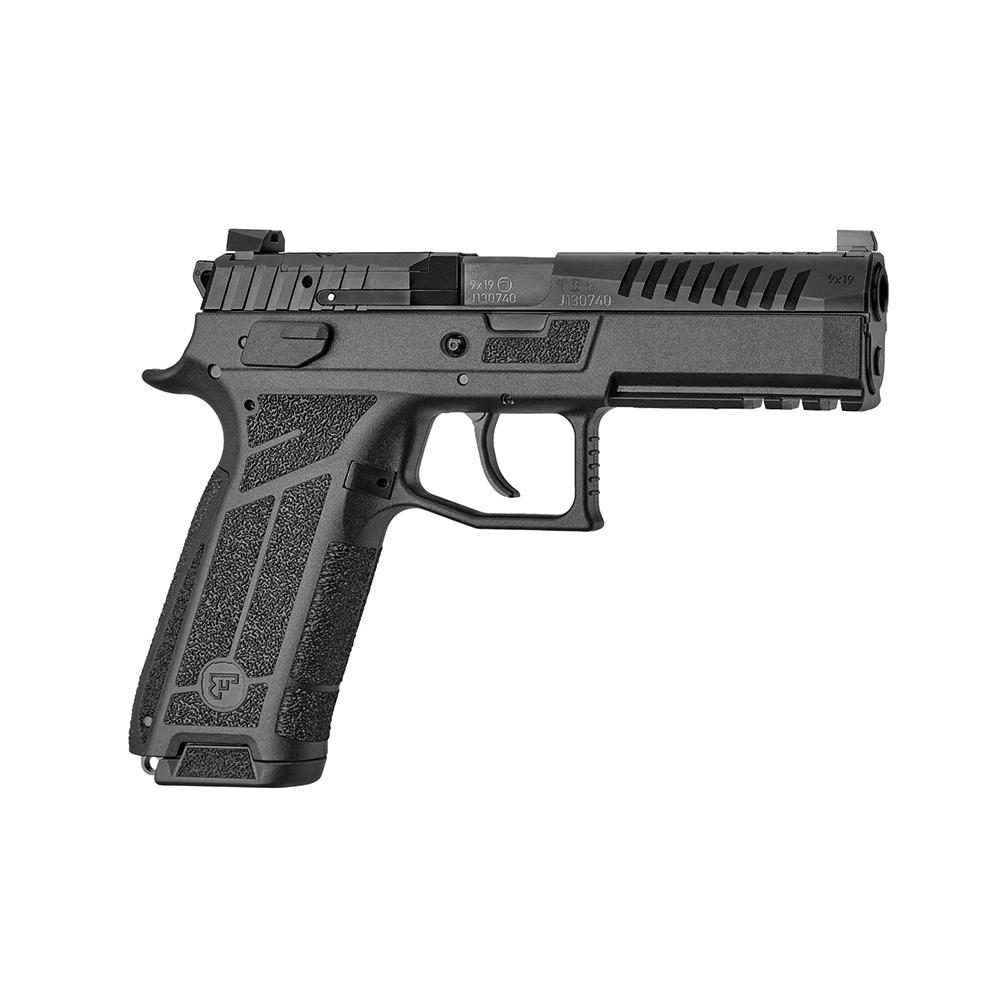
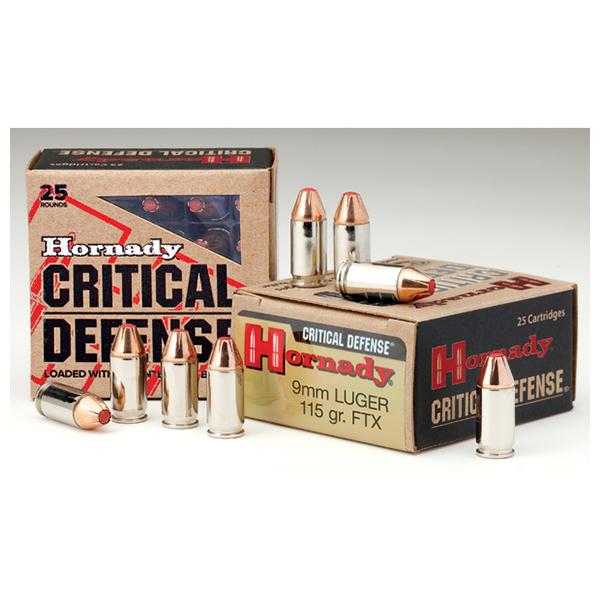
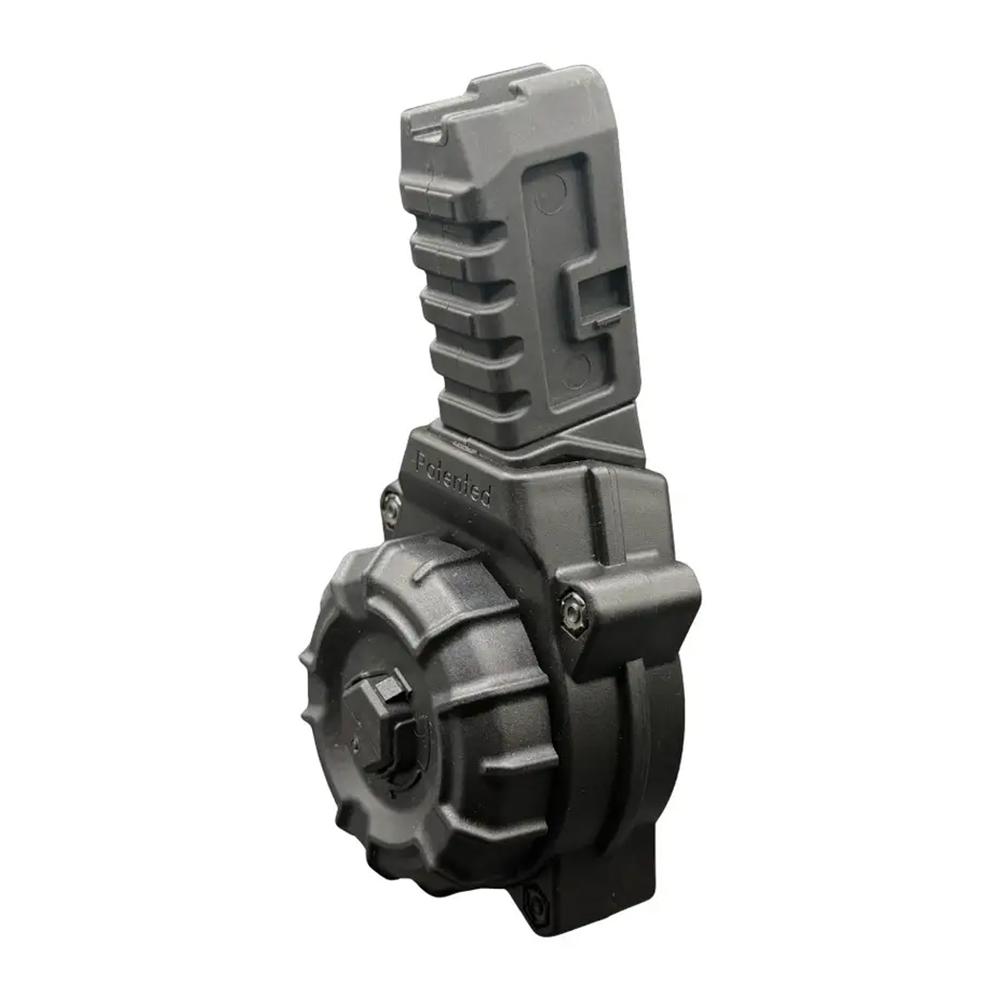
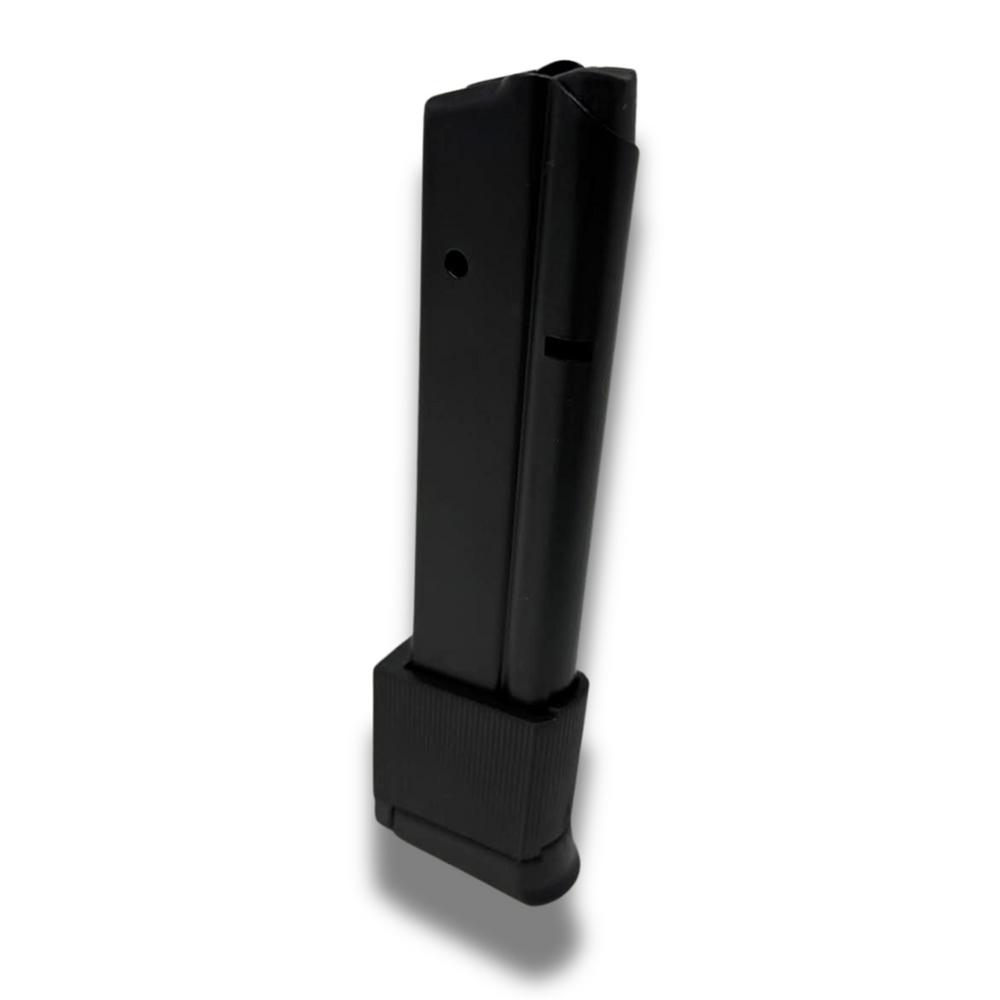
Empty chamber carry means the pistol has a loaded magazine inserted while the chamber remains empty. On a Glock 19 Gen5, that changes the gun from 15+1 rounds of 9mm Luger to 15 rounds. On a Glock 43X, it changes the gun from 10+1 to 10. On a Beretta M9, the common military reference point, it changes a 15+1 setup to 15. That single round matters less than the extra action required before the gun can fire, which is why this carry method deserves a gear and training discussion rather than a comment section argument.
The old logic behind empty chamber carry came from mixed equipment, variable holsters, and uneven training. Some older pistols lacked modern drop safety systems. Some holsters covered the trigger poorly. Some issued sidearms had manual safeties in different locations. A chamber-empty condition gave large organizations one simple administrative rule across different handguns. That context still has value, especially for people using inherited pistols, worn leather holsters, or unfamiliar controls.
For the modern concealed carrier, the decision should start with the equipment in your hand. A current production striker-fired 9mm, a rigid holster that fully covers the trigger guard, and regular practice create a very different risk profile than a surplus pistol carried loose in a coat pocket. Empty chamber carry can reduce one category of risk while increasing others, especially under time pressure, in close quarters, or when one hand is occupied.
Start With the Pistol You Actually Carry
The first question is whether the handgun is suitable for daily carry in its current condition. A compact 9mm such as the Glock 19 Gen5 has a 4.02 inch barrel, a 15 round standard magazine, and an unloaded weight around 23.6 ounces. A slimline Glock 43X has a 3.41 inch barrel, a 10 round magazine, and an unloaded weight around 18.7 ounces. A Beretta M9 has a 4.9 inch barrel, a 15 round magazine, and an unloaded weight around 33 ounces. These figures affect carry comfort, draw stroke, slide manipulation, and how much leverage you have when charging the gun.
Shorter slides can be harder to rack under stress because there is less surface area to grab. Stiff recoil springs on small pistols can make the problem worse for shooters with limited hand strength. A full-size pistol usually gives more purchase, but it also demands more cover garment clearance and more holster stability. A metal-framed service pistol may be easier to manipulate, while its weight can expose weak belt and holster choices over a long day.
Defensive ammunition also matters. Common 9mm Luger defensive loads use 115 grain, 124 grain, or 147 grain bullets. Many standard-pressure 124 grain loads are published near the 1,100 to 1,200 fps range from service-length barrels, while shorter 3 to 3.5 inch barrels often give less velocity. The carry method does not change terminal performance once the gun fires, but it does affect whether the first shot is available when the pistol clears the holster.
If you are comparing carry pistols, start with options that match your hand size, recoil tolerance, and maintenance discipline. BLVista shoppers can compare common concealed carry pistols by size, cartridge, capacity, and intended carry role.
The Holster Is the Main Safety Device
A chambered handgun carried in a poor holster is a bad system. An empty chamber carried in a poor holster is still a bad system. The holster must protect the trigger, retain the gun during normal movement, keep a consistent draw angle, and allow safe reholstering. Rigid Kydex, quality injection-molded designs, and well-built hybrid holsters usually do this better than soft nylon sleeves or collapsed leather.
Look for these holster traits before blaming the chamber condition:
- Full trigger guard coverage with no exposed access from the side
- Positive retention that holds the pistol during bending, running, and vehicle entry
- A mouth that stays open during reholstering
- Correct fit for the exact pistol, light, optic, and suppressor-height sight setup
- Belt attachment sized for your belt width, commonly 1.5 inches or 1.75 inches
- No drawstring, jacket toggle, shirt hem, or loose material near the trigger path
Weapon-mounted lights add another fit issue. A pistol with a compact light often requires a wider holster channel around the trigger guard area. That makes holster quality more important, since some light-bearing designs leave more room near the trigger than a non-light-bearing holster. Optics also change the draw. A carry red dot adds height and can affect cover garment clearance. If you are building an optic-equipped carry gun, BLVista’s carry red dot guide can help you evaluate footprints, window size, durability, and concealment tradeoffs.
What Empty Chamber Carry Costs You
Empty chamber carry adds a task between the draw and the first shot. That task requires space, grip strength, slide access, and timing. On a square range, the motion can look clean. Inside a vehicle, with a child in one arm, while moving backward, or while protecting your head with your support hand, the same motion becomes harder.
Capacity also changes in a measurable way. A 10+1 pistol carried chamber-empty gives you 10 rounds instead of 11. A 15+1 pistol gives you 15 instead of 16. A 17+1 duty-size pistol gives you 17 instead of 18. The lost round matters, but the larger issue is readiness. Your first round is stored in the magazine, so the gun depends on a clean slide cycle before it is live.
There is also a malfunction risk introduced by the loading motion itself. A partial rack, a slipping hand, a garment caught near the ejection port, or a magazine that was not fully seated can create a failure before the gun fires. Modern defensive pistols are reliable when maintained, but reliability assumes the shooter loads and runs the gun correctly. Stress makes simple actions less certain.
When Empty Chamber Carry May Be a Transitional Choice
Some carriers use an empty chamber because they do not trust their current setup. That concern deserves attention. The fix may be a better holster, a newer drop-safe pistol, more dry practice, or a carry position that gives better control. Empty chamber carry can be a temporary bridge while a shooter solves those problems. It should not become a substitute for building a safer system.
Use a simple checklist:
- Is the pistol a modern, serviceable design from a reputable maker?
- Has it fired at least a few boxes of your chosen defensive load without stoppages?
- Does the holster fully cover the trigger guard?
- Can you draw without sweeping your support hand or body?
- Can you reholster slowly while seeing and clearing the holster mouth?
- Do you understand your state and local carry rules for transport, storage, and restricted locations?
Range verification should include your carry magazine, your actual holster, and your chosen ammunition. A common practice structure is 50 to 100 rounds of training ammunition to confirm handling, followed by a smaller number of defensive rounds to confirm function and point of impact. Defensive ammunition costs more than ball ammunition, but testing a carry load is part of ownership.
For belts, holsters, magazine carriers, and safe training accessories, BLVista’s concealed carry holster selection is a logical place to compare fit-driven gear.
Training Differences for Chambered and Empty Chamber Carry
Training with an empty chamber requires a different draw process. The shooter must access the gun, establish a firing grip, clear the cover garment, draw, orient the muzzle safely, run the slide, and then build the final sight picture. That process should be practiced with an unloaded pistol, verified empty magazines, and dummy rounds before live fire.
One-handed operation is the hard part. A defensive encounter may involve a support hand occupied with a flashlight, a phone, a door, a child, an injured limb, or a physical barrier. If your method requires two hands to make the pistol functional, your plan depends on having both hands available. That is a serious tradeoff.
Chambered carry shifts the training emphasis toward safe holstering, trigger discipline, and garment control. Empty chamber carry shifts the emphasis toward slide manipulation under pressure. Both require discipline. Neither method excuses poor muzzle awareness or casual handling.
Dry practice should be short and controlled. Ten careful repetitions with full attention beat 100 rushed repetitions that build unsafe habits. Use a separate room, remove live ammunition from the area, and verify the gun, magazine, and chamber before starting. For a broader readiness framework, BLVista’s concealed carry readiness guide covers gear, mindset, training, and everyday carry checks.
Maintenance and Ownership Checks
Carry guns live in lint, sweat, dust, and temperature swings. A pistol carried daily needs more inspection than a range-only handgun. Check the chamber area, extractor, magazine feed lips, optic screws if equipped, and holster hardware. Sweat can attack steel sights, screws, and magazines. Dust and clothing fibers collect around striker channels and trigger mechanisms.
Magazines are wear items. Number your carry magazines with a paint pen and rotate them through range sessions. Replace damaged baseplates, weak springs, and cracked followers. If a magazine creates repeated stoppages, remove it from carry use. A reliable pistol with a bad magazine is an unreliable carry system.
Storage and transport also affect the chamber decision. A handgun moving between a quick-access safe, a vehicle lockbox, a range bag, and a holster creates administrative handling moments. Many negligent discharges happen during loading, unloading, or reholstering rather than during actual carry. Fewer unnecessary handling cycles generally reduce risk. Your setup should support consistent, deliberate handling that matches the law where you live and travel.
Decide Based on the Whole Carry System
Empty chamber carry is a system choice, not a personality test. It trades immediate readiness for an added layer of perceived mechanical safety. For a modern, drop-safe pistol in a secure holster, most trained carriers will get better performance from chambered carry. For a shooter using questionable equipment or working through confidence issues, empty chamber carry may be a temporary step while upgrading the pistol, holster, and training routine.
The decision should come from evidence. Time your draw safely in training. Test your holster. Confirm your ammunition. Inspect your magazines. Understand your local compliance obligations. Choose the method that gives you the safest and most reliable complete system, then train with that system until the process is consistent.
FAQ
Empty chamber carry can reduce the chance of a discharge from an unintentional trigger press while the pistol is in a poor holster or being handled carelessly. It also delays the first usable shot and requires a clean slide cycle. A modern drop-safe handgun, rigid holster, and safe handling habits usually address the main risks without giving up immediate readiness.
Yes. A 15+1 pistol becomes 15 rounds. A 10+1 pistol becomes 10 rounds. The bigger issue is that the pistol must be charged before it can fire, which adds a required task during a high-pressure event.
Choose a holster molded for the exact pistol and accessory setup. It should fully cover the trigger guard, hold the pistol securely, keep its shape when empty, and attach firmly to a real gun belt. For concealed carry, many shooters use rigid inside-the-waistband or appendix holsters with 1.5 inch belt clips or loops.
Yes, but use strict safety controls. Remove all live ammunition from the room, verify the pistol and magazines are empty, and consider using dummy rounds. Practice slowly before adding speed. If the method requires racking the slide, include realistic garment clearance and safe muzzle direction in every repetition.
A new gun owner should first build a safe carry system. That means a reliable pistol, quality holster, secure storage, legal awareness, and supervised training. Empty chamber carry may feel more comfortable at first, but the long-term goal should be confidence based on safe equipment and repeatable skill.
BLVista focuses on fit, reliability, compatibility, and real use cases. That helps buyers compare concealed carry pistols, holsters, belts, lights, optics, and training gear without sorting through vague claims or mismatched accessories.
Was this useful?