
Brief
Why J-Frame Weapon Lights Rarely Earn Their Carry Space
Clamp-on lights for J-frame revolvers add bulk, break holster fit, and give weak output. Compare handheld lights, laser grips, and railed pistols with real...
Shop this at BLVista
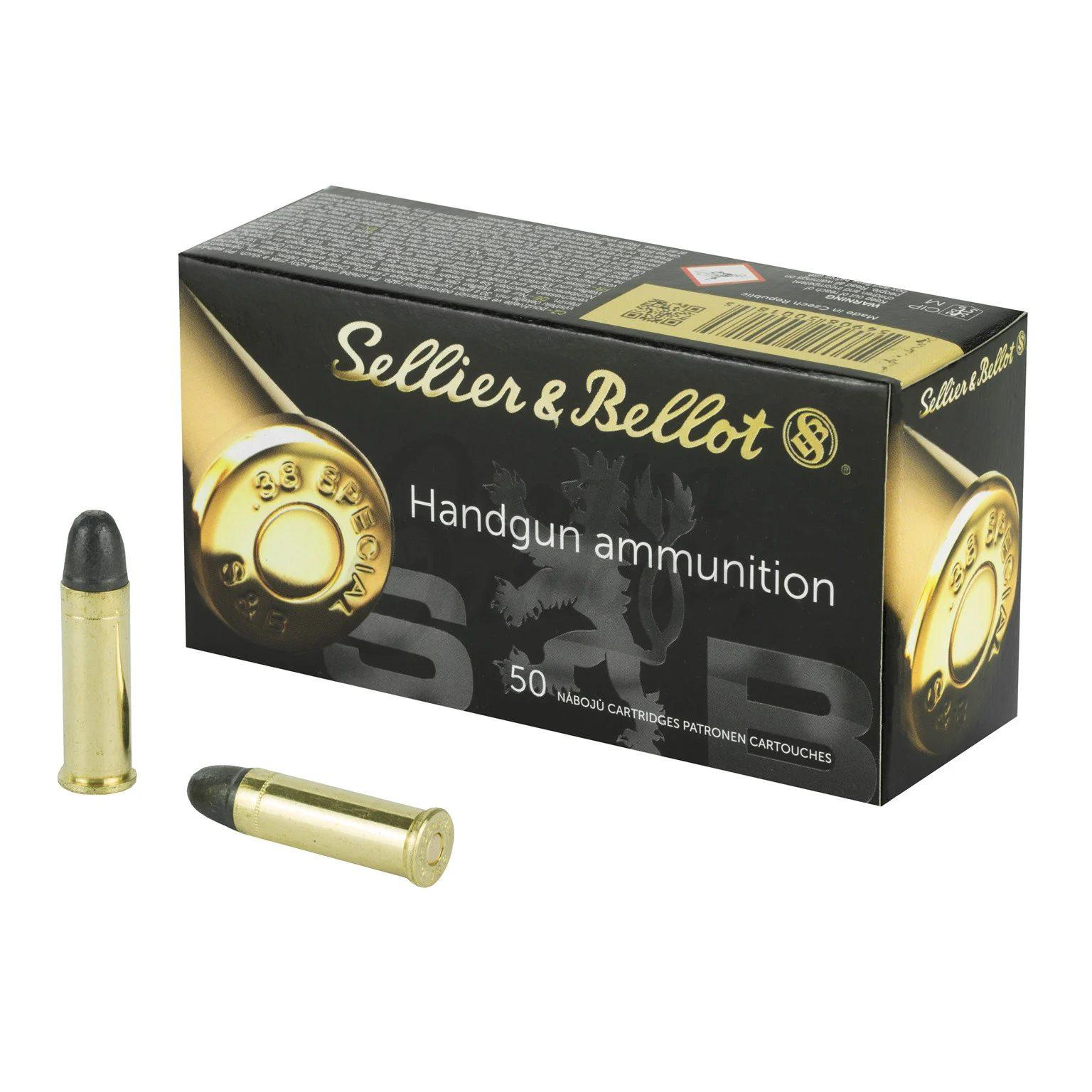
The snub-nose revolver survives in the concealed carry world for one reason: it disappears. A Smith & Wesson 642 Airweight runs a 1.875 inch barrel, 6.3 inches overall, and about 14.4 ounces unloaded with an aluminum alloy frame and stainless cylinder. A Ruger LCR in .38 Special +P sits near 13.5 ounces with a 1.87 inch barrel. Five rounds, no slide, no rail, no magazine. That package is what makes pocket carry and deep concealment work.
Every attempt to bolt a weapon light onto that platform runs into the same wall. J-frames and their competitors have no accessory rail, so any light has to clamp to the barrel shroud, sandwich into the grip, or wrap the frame. Each of those approaches adds width exactly where the gun needs to stay thin, and width is what defeats a pocket holster.
What a clamp-on light actually costs you
Think of it as a three-part bill.
- Holster compatibility. The J-frame holster market is built around bare guns. Pocket rigs, ankle rigs, and minimalist IWB shells are molded to a 1.875 inch barrel and a 1.3 inch cylinder. Add a body under the barrel and almost none of them close. You are then shopping a custom holster market that barely exists for revolvers.
- Carry position. A 14 ounce gun that clears a front pocket is a different tool than a 17 ounce gun that prints through it. Once pocket carry is off the table, the light has quietly changed your entire carry method.
- Light quality. Compact clamp-on emitters running small primary cells produce output in the low double digits of lumens with minimal candela. Candela drives reach, not lumens. Beam distance in meters is roughly twice the square root of candela, so a 5,000 candela beam reaches about 141 meters while a 500 candela beam reaches about 45 meters. A weak, wide beam washes out in a lit hallway and gives you nothing useful across a parking lot.
A defensive light has two jobs: positive identification of a threat before the trigger moves, and orientation in a dark space. Marginal output does neither reliably. If a light cannot let you confirm hands and identity at 10 to 15 yards, it is decoration.
The three lighting paths for a snub revolver
1. Handheld light, carried separately
This is the default answer for good reason. A modern EDC handheld in the 500 to 1,000 lumen range with 5,000 to 20,000 candela, roughly 4 to 5 inches long and 3 to 5 ounces, outperforms anything you can clamp to a J-frame by an order of magnitude. It also searches independently of the muzzle, which matters when you are clearing a house with family inside. The tradeoff is training. Harries, FBI, and neck-index techniques all need repetition, and a double action revolver with a 10 to 12 pound trigger pull is demanding to run one-handed under stress. Budget live fire and dry practice accordingly. Our concealed carry readiness guide walks through building that skill set.
2. Laser grips
Grip-integrated lasers have been the practical J-frame aiming aid for over two decades. They replace the stocks rather than add a clamp, so width grows modestly and many pocket holsters still fit. A red diode near 633 nanometers is the common configuration, with green options offering better daylight visibility at higher current draw. What a laser does not do is identify a target. It solves aiming in low light, not seeing in low light. Pairing laser grips with a handheld is a more coherent system than a weak gun-mounted LED on its own.
3. Change the gun
If you truly want a mounted light, buy a platform designed for one. A compact striker-fired pistol with a 1913 or proprietary rail accepts a sub-compact weapon light and doubles your capacity over five rounds. The J-frame earns its place through size and simplicity. When you start adding hardware to fix its limitations, you are usually better served by a different tool. Browse current options in our weapon light selection before committing to a mounting solution.
Ammunition still outranks accessories
Terminal performance from a 1.875 inch barrel is the harder problem. Standard 158 grain lead semi-wadcutter hollow points in +P leave a 2 inch tube around 850 to 900 fps, well below the 1,000 fps many hollow points need to open reliably. Short-barrel specific loads in the 135 grain +P class are engineered to expand at roughly 860 fps from snub barrels, which is why they dominate serious J-frame carry. Recoil in a 13 to 14 ounce alloy frame with +P is genuinely sharp, and it also stresses accessories. Any clamped electronic device on a lightweight revolver takes repeated impulse loading that loosens fasteners and shortens service life. Check torque on anything you mount, every range session.
A five-point check before you mount anything
- Does my current holster still work? If not, does a replacement exist from a maker I trust?
- Can I still carry in my primary position, or does this force a change?
- What is the candela figure, not just lumens? Will it identify a person at 15 yards?
- Does it survive +P recoil over several hundred rounds without shifting?
- Could a handheld light plus practice solve this better for less money and less bulk?
If three or more answers argue against the accessory, skip it. The revolver is doing its job by staying small.
What to do next
Decide first whether the snub is your deep-concealment gun or your primary carry gun. If it is deep concealment, keep it bare, add a quality handheld light, and spend the accessory budget on short-barrel defensive ammunition and range time. If it is your primary, consider whether a railed compact pistol serves you better. Either way, start with the carry system rather than the gadget, and shop verified gear that matches the way you actually carry.
FAQ
Only through clamp-on or grip-integrated designs, since J-frames have no accessory rail. These add width under the barrel, eliminate compatibility with nearly all pocket and IWB holsters molded for a bare 1.875 inch barrel gun, and typically produce far less output than a dedicated handheld light.
Look at candela as well as lumens. A general working target is 500 lumens or more with at least 5,000 candela, which yields roughly 141 meters of beam reach, enough to positively identify hands and intent at typical defensive distances.
They serve different functions. Laser grips solve aiming in low light and preserve most holster compatibility because they replace the stocks instead of adding a clamp. They do not illuminate or identify a target, so pair them with a handheld light.
Short barrel specific defensive loads, commonly 135 grain +P designs engineered to expand near 860 fps, outperform standard hollow points that need 1,000 fps or more to open. Traditional 158 grain lead semi-wadcutter hollow point +P remains a proven alternative.
Lightweight alloy frames generate sharp recoil impulse that loosens clamps and fasteners over time. Verify torque after every range session and confirm beam alignment has not shifted before carrying again.
Almost certainly not. Pocket, ankle, and minimalist IWB holsters for J-frames are molded to bare gun dimensions. Confirm a compatible holster exists before buying any mounting accessory.
Was this useful?