
Brief
Six Full-Size 9mm Pistols Measured Against Real Use
Compare full-size 9mm pistols from 24 to 46 ounces. Barrel length, capacity, optic footprints, comp tradeoffs, thread pitch, and maintenance intervals...
Shop this at BLVista
Micro-compacts get the attention, but full-size 9mm development has not slowed down. Compensated slides, 20-plus round magazines, and factory optic cuts are now normal at price points that used to buy a plain duty gun. The problem for buyers is that the spec sheets look similar until you shoot them. A 46-ounce steel-framed competition pistol and a 25-ounce polymer duty pistol both say 9mm, 4.7-inch barrel, optics ready. They do not behave the same way at 25 yards, on a timer, or after 8,000 rounds.
Below is how I sort full-size 9mm pistols by intended job, with the figures that actually drive the decision.
Weight Is the First Real Decision
Full-size 9mm pistols currently span roughly 24 to 47 ounces unloaded. That range is wide enough to change everything downstream.
- 24 to 30 oz (polymer duty and value comp guns): Walther PDP full size at 24.4 to 29.6 oz depending on 4-inch, 4.5-inch, or 5-inch slide. Canik TTI Combat at 29.5 oz with a 4.74-inch barrel. Carryable with a rigid belt, easy to run all day in a class, but slightly more muzzle rise per shot.
- 33 oz (aluminum-framed 2011): Staccato P, 4.4-inch barrel, 17+1 flush or 20+1 extended. This is the sweet spot for anyone who wants match-grade behavior in a gun that can still live in a holster on a duty belt.
- 42 to 47 oz (steel-framed and compensated): Sig P226 XFive Legion at 42.4 oz with 20+1, CZ Shadow 2 OR at 46.5 oz with 19+1 and a 4.7-inch barrel, Sig P211-GTO at 45.9 oz with 21 and 23-round magazines. These are range and competition pistols. The mass is the recoil solution.
A useful mental test: if you will carry the pistol concealed more than four hours a day, everything above about 34 oz loaded becomes a discipline problem rather than a gear problem. Loaded weight matters more than the catalog number. Nineteen rounds of 124-grain 9mm plus a magazine adds close to 8 to 9 ounces to a steel-frame gun.
Barrel Length, Velocity, and What You Gain
Full-size 9mm barrels in this class run 4.0 to 5.0 inches. Going from a 4-inch to a 5-inch barrel typically buys somewhere in the range of 40 to 80 fps with common 124-grain loads, which is real but rarely decisive for defensive terminal performance. What the longer slide actually buys is sight radius with irons and a slower, more controllable slide cycle. A 4.7-inch Shadow 2 tracks flatter than a 4-inch polymer gun of the same design largely because of dwell time and mass, not velocity.
If suppressor use is on your roadmap, check thread pitch before you buy. Domestic 9mm threaded barrels are almost always 1/2×28, while many European-made pistols ship M13.5×1 LH, which forces either an adapter or a replacement barrel. That single detail decides whether your existing can mounts on day one. Our suppressor buyer’s guide covers host thread standards, booster requirements, and why a 9mm pistol can needs a Nielsen device to cycle reliably.
Compensators Are Not Free Performance
Three of the pistols worth discussing ship compensated from the factory: the P211-GTO with its printed multi-port comp on a bull barrel, the P226 XFive Legion with an integrated slide comp, and the Canik TTI Combat with a barrel-mounted comp. A well-matched comp on a 9mm generally cuts felt muzzle rise on the order of 15 to 30 percent. That is enough to shave meaningful time off a Bill Drill, and enough that a shooter with limited wrist strength can hold the dot through recoil.
The tradeoffs are concrete:
- Comps prefer higher pressure. Light 115-grain target loads at around 1,150 fps often gas a comp less effectively than 124-grain or 147-grain loads tuned for it. Expect to test at least three loads.
- Carbon accumulates in the ports. Plan a comp scrub every 500 to 800 rounds if you want consistent behavior.
- Holster fit narrows immediately. A compensated slide or barrel extension will not drop into a standard full-size holster.
- Muzzle blast and side flash increase, which matters for low-light training and for indoor home defense use.
For a dedicated match gun, the comp is worth it. For a home defense pistol living in a quick-access safe, I would rather have a clean muzzle and a proven light.
Optics, Footprints, and Plates
Optics-ready is a claim, not a standard. Confirm which footprint the slide cuts to and whether the plate is included. Some guns direct-mount a DeltaPoint Pro pattern optic, others require a plate for RMR or ACRO patterns. A few require you to remove the rear sight to install the optic, which means budgeting for a suppressor-height or plate-mounted backup rear. Screw torque matters more than most buyers think: 12 to 15 inch-pounds with a thread locker is typical, and a red dot that walks under recoil on a 46-ounce gun almost always traces back to dry, over-torqued or under-torqued screws.
If you are outfitting a full-size gun for matches or general range work, the range and match loadout guide walks through dot window size, MOA selection, and magazine count planning. Shooters building a duty or defensive setup should read the carry red dot guide for enclosed emitter versus open emitter tradeoffs in weather and lint exposure.
Magazines Decide Long-Term Ownership
This is the quiet spec that separates a pistol you enjoy for a decade from one you sell. Magazine availability, price, and tolerance to abuse determine your real cost of ownership. The P211-GTO running standard P320 magazines is a genuine advantage over 2011-pattern magazines, which are more sensitive to feed lip geometry and follower fit. A gun with 21 and 23-round factory magazines and broad aftermarket support lets you build a six-magazine match kit without a hunt.
Budget realistically: a competent full-size setup means five to seven magazines, and steel base pads add 1 to 2 ounces each. Track your magazines with numbers and retire the one that causes the malfunction rather than blaming the pistol.
Durability and the Maintenance Calendar
Full-size 9mm pistols are the most durable handguns in the category, but wear points differ by design.
- Recoil springs: Replace at 5,000 rounds on polymer striker guns and per manufacturer interval on hammer-fired steel frames. Competition-weight springs need more frequent attention.
- Trigger return springs and slide stops: Known service items on high round count CZ-pattern guns. Keep spares.
- Extractors and firing pin channels: Inspect at 5,000 round intervals. A dirty firing pin channel is a light-strike cause that gets blamed on ammo.
- Finishes: DLC and nitride coatings hold up well to sweat and holster wear. If your pistol lives in a truck or a duck blind, wipe it down and re-oil after exposure. Salt and humidity attack the barrel hood and the underside of the slide first.
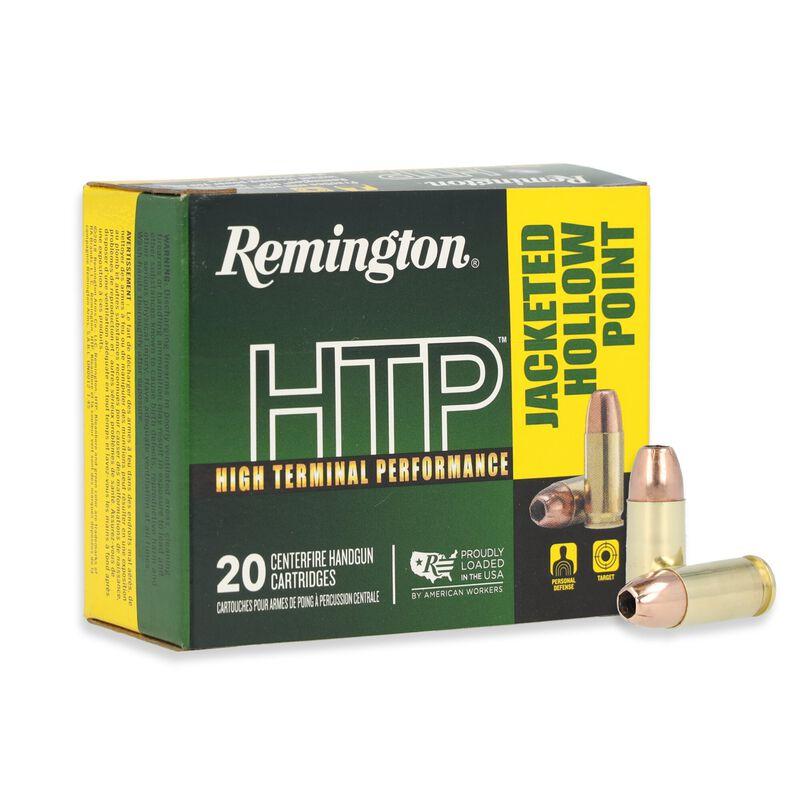
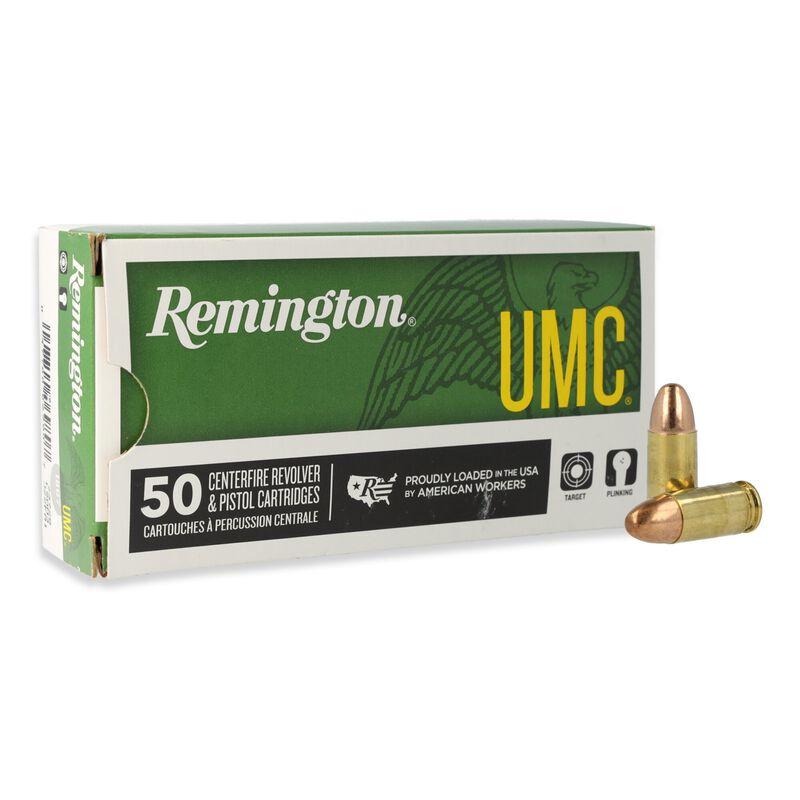
A 500-round evaluation window with a mix of practice FMJ and full-power defensive hollow points is the minimum before trusting a pistol for anything serious. Track malfunctions by type, not just count. Two failures to feed with one magazine is a magazine problem. Two failures to extract across three magazines is a gun problem.
Storage, Transport, and Compliance
Full-size pistols with 20-round magazines run into state magazine limits, and the gun that is legal at your home range may not be legal at a match two states over. Verify magazine capacity rules and transport requirements before you travel with a match kit. Locked hard case, unloaded, ammunition separated is the safe default for interstate travel. Readers in restricted states should review the New York firearm law overview or the Virginia firearm law overview before ordering magazines.
How to Choose Without Buyer’s Remorse
Run this checklist in order:
- Job: Match, duty, home defense, or general range. Pick one primary role.
- Weight ceiling: Decide whether you will ever carry it. That single answer eliminates half the market.
- Grip fit: Trigger reach and the ability to reach the magazine release without breaking grip beats every printed spec.
- Optic path: Confirm footprint, plate cost, and backup sight solution before purchase.
- Magazine and holster ecosystem: Verify both exist at reasonable prices for your chosen configuration.
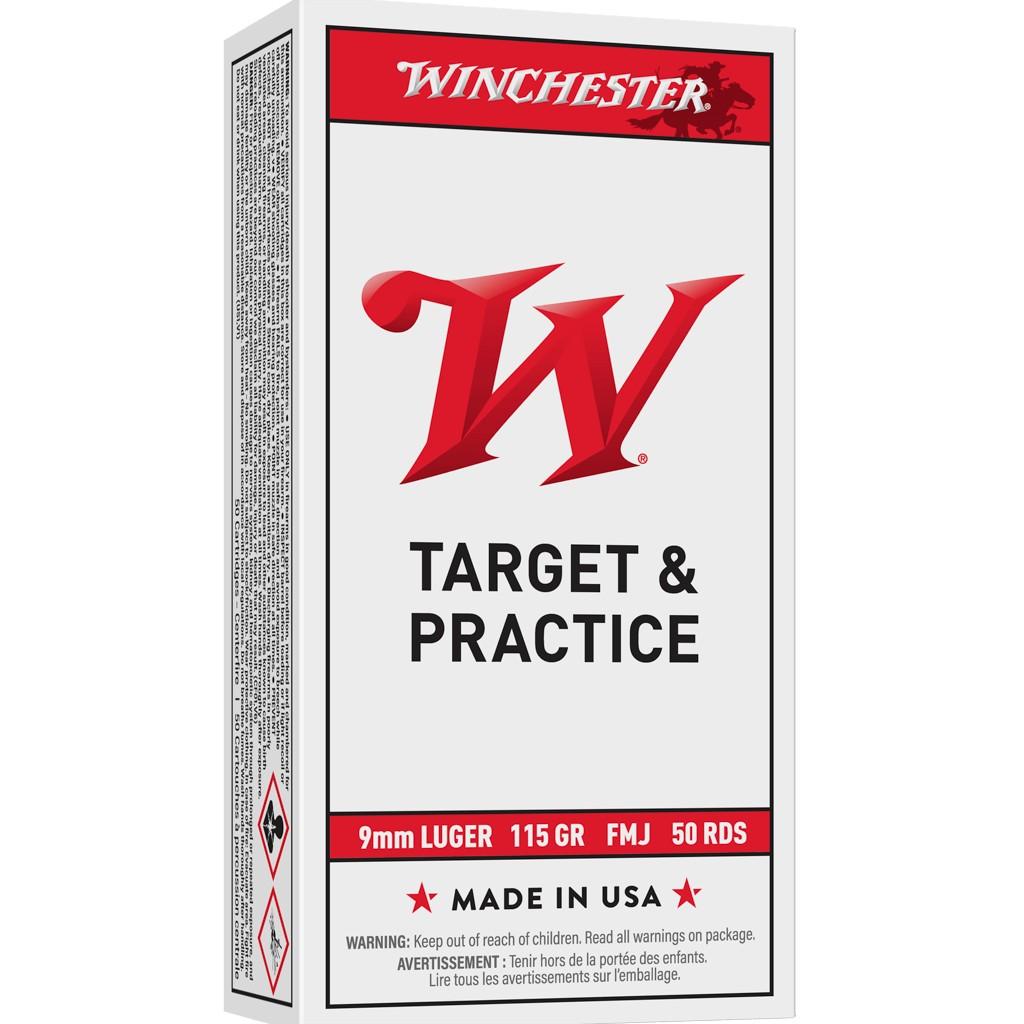
- Ammo tolerance: Test 115, 124, and 147-grain loads across 300 rounds before committing to a carry or match load.
If you want one gun that covers duty and range work at the lowest cost, a 4.5-inch polymer full size around 25 to 30 oz is the honest answer. If your priority is match performance and you will accept a 46-ounce holster load, steel and compensation earn their weight. If you want duty reliability with match-grade feel, the 33-ounce 2011 class is the compromise that actually works.
What to Do Next
Decide the single role first, then set your weight ceiling, then shop. Handle the finalists with the magazines and holster you intend to use, and commit to a 500-round shakedown before you retire your current pistol. When you are ready to build the support side, browse full-size 9mm pistol accessories or start at the BLVista shop for holsters, magazines, and optics that match the configuration you chose.
FAQ
Yes, with the right belt and holster. A 25 to 30 ounce polymer full size with a 4.5 inch barrel conceals well under an untucked shirt with a quality AIWB holster and a 1.5 inch rigid belt. A 46 ounce steel-framed pistol requires a proper gun belt and usually outerwear.
Moving from a 4 inch to a 5 inch barrel typically gains roughly 40 to 80 fps with 124 grain loads, which rarely changes terminal results. The practical benefits are a longer iron sight radius and a slightly slower, flatter recoil cycle.
A well-designed 9mm compensator generally reduces felt muzzle rise about 15 to 30 percent depending on port design and ammunition. Higher pressure 124 and 147 grain loads usually work a comp better than light 115 grain target ammo.
Usually no. Match guns often run lighter recoil springs and very light triggers tuned for speed, which reduces margin for reliability and handling under stress. For home defense, choose a factory-weight trigger, a proven weapon light, and defensive ammunition verified over at least 200 rounds.
Most US-made threaded 9mm barrels use 1/2x28. Many European pistols use M13.5x1 LH and require an adapter or replacement barrel. Confirm the pitch on the manufacturer's published specification page before buying a suppressor or mount.
Two is the minimum for range use, and five to seven is realistic for competition since stage resets and reload drills consume magazines quickly. Number your magazines so you can retire the specific one causing malfunctions.
Clean and lubricate after each range session, inspect the extractor and firing pin channel every 5,000 rounds, and replace the recoil spring at the manufacturer interval or around 5,000 rounds on polymer striker-fired guns. Compensated pistols benefit from a port scrub every 500 to 800 rounds.
Was this useful?