
Brief
Sig Sauer P211 GTO Review: A High-Mileage 2011-Style 9mm That Runs on P320 Magazines
Detailed Sig P211 GTO review with real-world accuracy, 2,000-round reliability, recoil spring tuning, optic footprint fit, durability notes, and buyer...
Shop this at BLVista
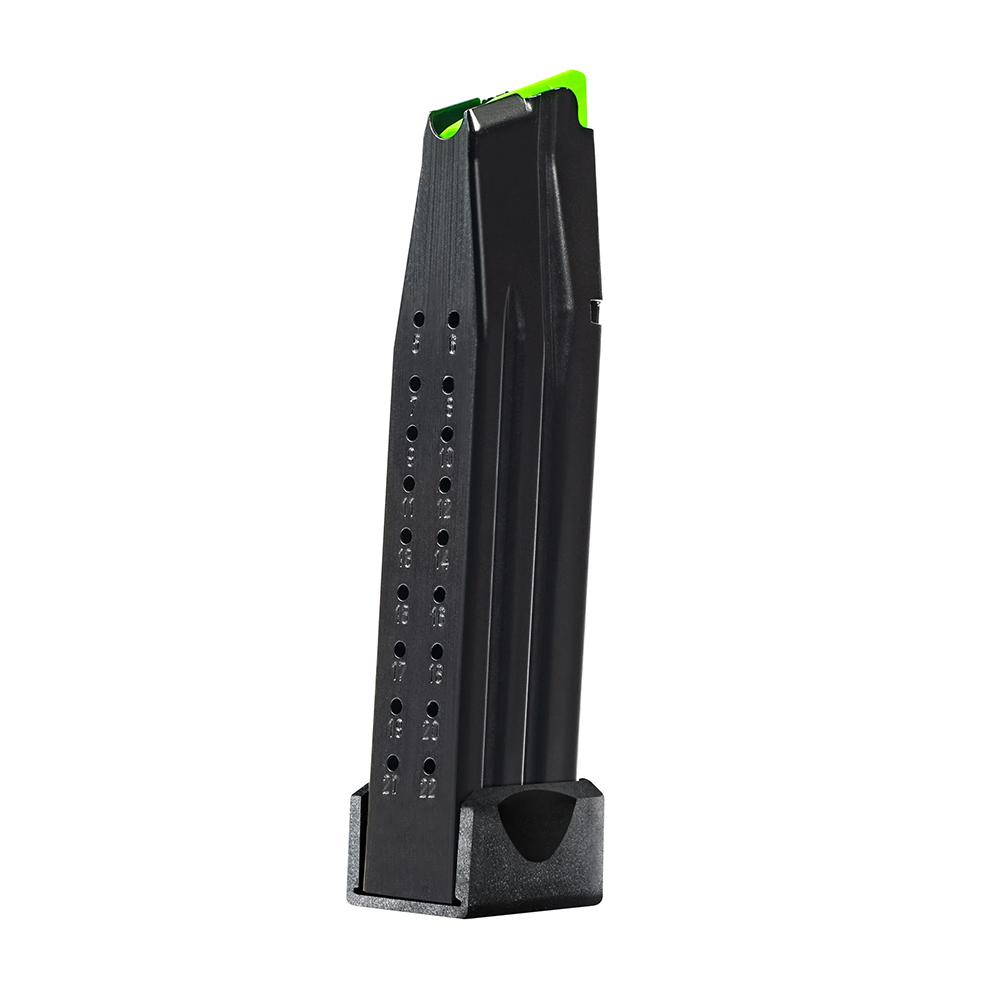
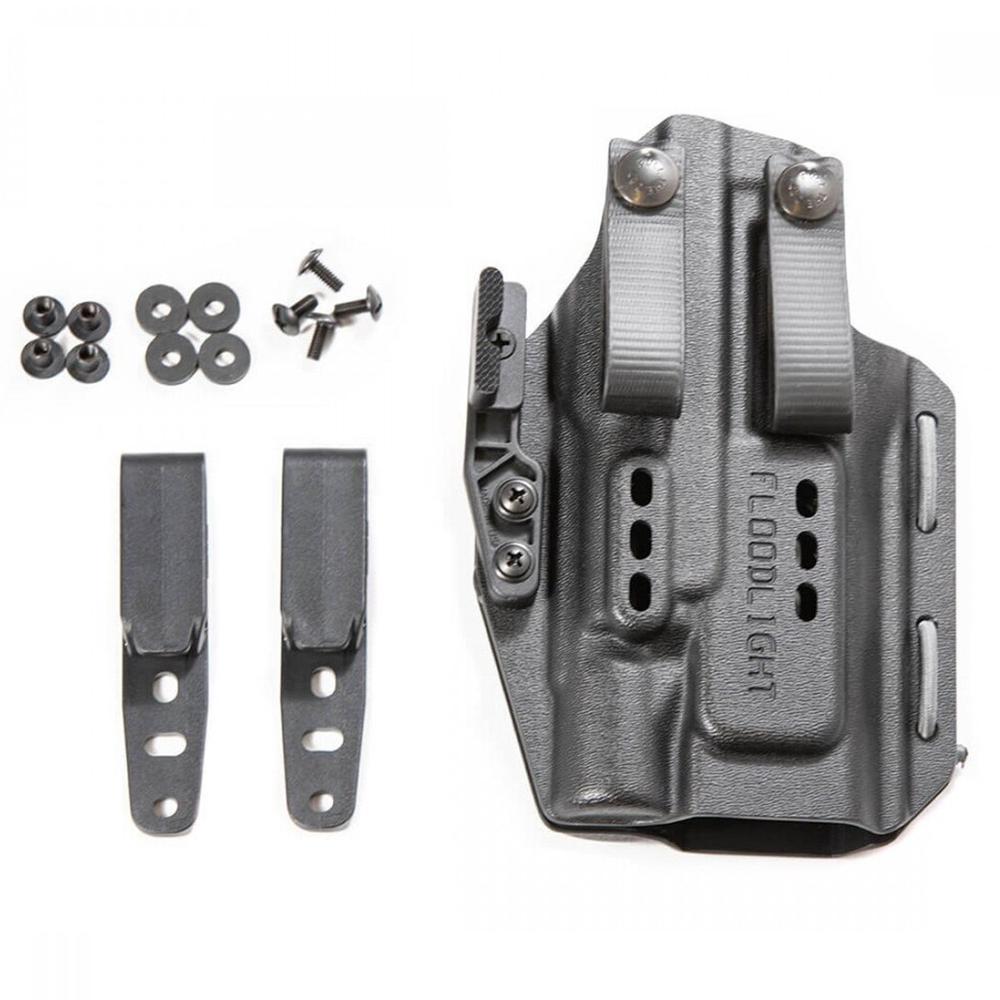
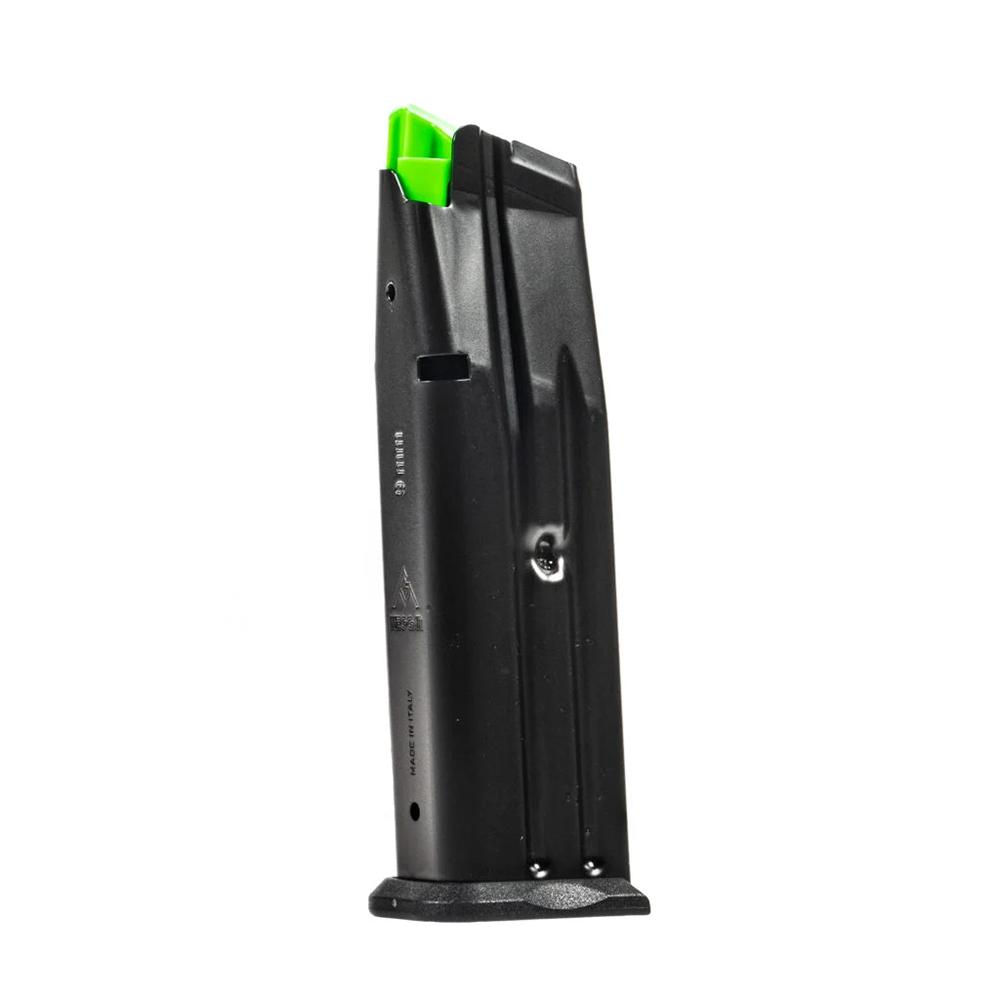
Double stack 1911-pattern pistols keep multiplying for one reason: they let shooters run a fast, flat shooting single-action trigger with competition-level capacity. The problem is that many of them live in a price bracket where you start asking hard questions about parts life, magazine cost, and whether you are paying for performance or branding.
The Sig Sauer P211 GTO enters that space with two ideas that matter in real ownership. First, it uses common P320 pattern magazines, which changes the long-term cost and availability equation. Second, it brings a compensated, steel-framed 9mm built to be shot a lot, not admired in a safe. After a 2,000-round evaluation mindset, the P211 GTO looks like a serious option for shooters who want premium-tier 2011-style performance without stepping into full custom money.
Sig Sauer P211 GTO: specs that matter in the real world
- Caliber: 9mm
- Action: Single action only with a firing pin safety (Series 80 style)
- Capacity: 21 or 23 rounds (P320-compatible steel magazines included)
- Barrel length: 4.4 inches
- Weight: about 46 ounces
- Key features: MACH3D compensator, steel frame with alloy grip module, ambidextrous safety and slide stop, optic-ready slide using SIG-LOC Pro footprint
On paper, the weight stands out. In the field, that weight is part of the design, not a drawback. A near 3-pound pistol with a comp is built to manage recoil impulse and return the dot quickly. That matters for USPSA-style shooting, structured training days, and high round-count range sessions. It also tells you what the P211 GTO is not optimized for: everyday concealed carry. You can transport it and run it hard, but it is a purpose-built shooter first.
Why P320 magazine compatibility changes the ownership math
Magazine ecosystem is one of the hidden costs of any 2011-style platform. Proprietary magazines can be expensive, inconsistent across brands, and harder to source when demand spikes. The P211 GTO’s ability to run P320 pattern magazines gives you a practical advantage in three areas:
- Availability: P320 magazines are widely stocked and common in the 2A market.
- Cost control: Building a training loadout with 6 to 10 magazines costs less than many proprietary 2011 setups.
- Logistics: If you already run a P320, you can consolidate spares and simplify your range kit.
For a competition or training pistol, magazines are consumables. Feed lips wear, springs take a set, base pads get smashed. Choosing a platform with an easy magazine supply reduces downtime and reduces the chance you end up babying gear because replacements are painful to buy.
Accuracy: what the platform is capable of and why
Well-built 2011-style pistols tend to shoot better than most people can hold. The P211 GTO follows that pattern. In practical terms, it supports tight groups at typical defensive and training distances and continues to deliver at 25 yards and beyond. That level of precision is not only a benchrest flex. It matters when you are shooting partials, reduced targets, or working accountability drills where misses cost time and money.
Three design elements help explain the accuracy results shooters see with guns like this:
- Single-action trigger geometry: Consistent press and short reset reduce shooter-induced movement.
- Mass and balance: A heavier gun moves less during the press and during recoil, which keeps sights stable.
- Slide-to-frame fit and lockup consistency: Repeatability is what produces predictable point of impact, especially as the gun heats up.
If you plan to use the P211 GTO for matches, confirm your chosen load at 15, 25, and 50 yards and record your holds. A gun that prints tight groups still needs you to know where it hits with your optic height and your ammunition. That is the difference between owning accuracy and using it.
Reliability at 2,000 rounds: what to look for beyond “it ran”
Any modern pistol should run, but serious shooters care about what it runs and under what maintenance cadence. A 2,000-round span without stoppages across mixed range ammo and quality defensive loads is a strong indicator that the feed geometry, extractor tension, and spring rates are sorted.
Two recoil springs are included, an 8-pound and a 10-pound. That matters because compensated pistols often live or die by spring tuning. The lighter spring generally gives a softer feel and faster return with lighter loads. The heavier spring tends to add margin with hotter ammunition and can reduce frame battering over time.
A practical framework for choosing between the two:
- If you shoot mostly 115-grain range ammo: Start with the 8-pound spring and confirm lockback, ejection pattern, and dot tracking.
- If you shoot mixed loads including defensive +P or heavier bullets: Test the 10-pound spring and watch for consistent feeding and stable return to zero.
- If you shoot suppressed or add a heavy light: Re-test both options because added mass and gas dynamics can shift timing.
Cleaning frequency is personal, but for a high-mileage 9mm like this, reliability ownership looks like: keep it lubricated, track round count, and replace wear parts on a schedule rather than waiting for symptoms. For many shooters, a recoil spring interval in the 3,000 to 5,000 range is a reasonable starting point, adjusted based on ejection behavior and your ammo.
Recoil control and speed: why the compensator and weight work together
The P211 GTO’s recoil behavior comes from stacking advantages. The steel frame gives inertia. The spring tuning controls slide velocity. The compensator redirects gas to reduce muzzle rise. Together, that produces a flatter return that helps during drills where you are trying to maintain sight integrity at speed.
If you care about practical performance, evaluate it with repeatable drills and honest scoring. A simple range checklist:
- Bill Drill at 7 yards: Track total time, A-zone hits, and dot movement after shot two. That shows whether the gun settles into rhythm.
- 10-10-10 drill: Ten rounds, ten yards, ten seconds. This exposes whether a fast pistol also supports control.
- 25-yard slow fire: Five to ten rounds, deliberate cadence. This checks mechanical accuracy and your trigger management.
A compensated pistol still needs the right load. If you want the comp to work efficiently, try ammunition with enough gas volume to keep it active. Many 115-grain practice loads work fine, but you will often see the best comp behavior with slightly warmer 124-grain loads. Confirm reliability and point of impact before buying cases.
Ergonomics and controls: comfort is a performance feature
Grip shape and texture matter more on a fast pistol than on a casual range gun. Hot spots lead to grip shifts, and grip shifts lead to misses. The P211 GTO uses a 3-piece 2011-style layout with an alloy grip module and G10 panels, combined with checkering that is aggressive enough for control without feeling like a cheese grater during long sessions.
Key control points for shooters who train hard:
- Ambidextrous safety: A crisp, repeatable detent helps build consistent presentation and manipulation under time.
- Slide stop and takedown procedure: Ambi controls can complicate field stripping. Plan on using the provided tool and learn the process before your first class day.
- Magwell geometry: A large opening helps reloads under stress. It also changes how some base pads seat, so verify all magazines lock in reliably.
Safety and compliance: Series 80 style firing pin block and why it matters
The P211 GTO uses a firing pin safety mechanism, which supports drop safety expectations common in modern duty-style pistols. For many buyers, that matters for storage and transport practices, especially if the gun gets moved between range, training, and home storage.
From a practical perspective, the question is whether the firing pin block harms the trigger. On this platform, the trigger can still be light and clean, with a short, tactile reset. That is important because a “safe” trigger that feels compromised leads some owners to chase aftermarket parts immediately. With a gun built for reliability and round count, fewer changes usually means fewer self-induced problems.
Always confirm safe function after any modification. If you change ignition parts or adjust sear geometry, you are responsible for drop safety and for proper engagement surfaces. For many shooters, leaving a well-executed factory trigger alone is the most reliable choice.
Optics mounting: SIG-LOC Pro footprint, real compatibility, and screw fit
Most buyers will run a red dot, and the P211 GTO is built with that expectation. The SIG-LOC Pro setup supports direct mounting for several common footprints, including DPP pattern optics and RMR pattern optics, with recoil lug support.
Two real-world considerations matter more than the marketing list of supported optics:
- Screw length and engagement: Some optic screws ship long to accommodate plates. A direct-mount slide often requires shorter screws. If screws bottom out, they can prevent proper clamp load or interfere with internal parts.
- Gap management: If your optic footprint leaves side gaps, a filler plate can reduce debris intrusion and provide a cleaner fit. It also helps with consistent torque retention for some setups.
For hard-use ownership, torque to spec, use the correct thread locker for optic screws, and paint-mark your screws so you can visually confirm movement during training days. Re-check after the first 200 to 300 rounds, then at regular intervals.
Durability and long-term parts: the recoil spring plug issue
The most notable durability question on the P211 GTO is the recoil spring plug material. A plastic plug can survive casual use, but high-mileage compensated pistols cycle aggressively and live hot. Small parts take repeated impacts and heat cycles, and polymer components in high-stress areas warrant scrutiny.
For buyers who plan to put real round counts through the gun, it is smart to:
- Inspect the plug during cleaning for deformation, cracking, or unusual wear.
- Keep a spare on hand if you shoot matches or travel to classes.
- Consider a quality metal replacement from a reputable manufacturer if you want to reduce long-term risk.
That is the broader lesson with premium pistols. The gun can be excellent and still contain one or two parts chosen for manufacturing reasons. Identifying those parts early is how you keep a competition-grade pistol reliable over years.
Who the Sig P211 GTO is for
The P211 GTO fits shooters who value speed and consistency and who actually plan to train. It makes the most sense for:
- USPSA and action pistol competitors: Fast return, large capacity, and a dot-friendly slide make it a legitimate match gun.
- High round-count range shooters: The soft recoil and ergonomics support long sessions without beating up hands.
- P320 owners who want a premium single-action platform: Shared magazine logistics simplify your gear plan.
It is less ideal for buyers who want one pistol to cover concealed carry, backcountry carry, and competition. The size and weight push it into a dedicated role. That is fine if you choose it intentionally.
Accessories that make sense on a hard-use P211 GTO
Choose accessories that support reliability, training value, and long-term compatibility.
- Red dot optic: A large window helps with speed on draws and transitions. Prioritize proven durability, battery access, and direct mount fit.
- Weapon light: A duty-grade light adds utility and adds forward weight, which can further stabilize recoil. Confirm holster compatibility before you commit to a light model.
- Hearing protection: Compensators increase perceived blast. Use quality ear pro and consider doubling up with plugs plus muffs during indoor range use.
Buyer checklist: how to evaluate the P211 GTO against other 2011-style pistols
- Magazine plan: Price out 8 magazines, base pads, and springs. Availability matters more than you think.
- Optic fit: Confirm footprint, screw length, and whether you need a filler plate.
- Spring tuning: Choose your primary ammo and validate function with both included recoil springs.
- Parts lifecycle: Identify high-wear parts and source spares before match season.
- Holster support: If you run a light, verify holster models exist for your exact configuration.
- Intended role: Decide if this is a match gun, training pistol, or range gun. Configure it around that decision.
Final take
The Sig Sauer P211 GTO checks the boxes that matter to shooters who measure performance in rounds and timer data. It delivers reliable function across common ammunition types, supports serious accuracy, and uses a magazine ecosystem that is easier to live with than most 2011-style platforms. The compensator and weight combination favors fast, flat shooting, and the firing pin safety design supports modern drop safety expectations without turning the trigger into a chore.
If you want a competition-ready, optic-equipped, high-capacity 9mm built for heavy use, the P211 GTO belongs on the shortlist. Go in with a plan for spring selection, optic mounting hardware, and a parts inspection routine, and it can be a long-term workhorse.
FAQ
Yes. The P211 GTO is designed around P320-compatible magazines, including the 21- and 23-round steel magazines that ship with the pistol. That helps with cost, availability, and building a training loadout.
The P211 GTO uses a firing pin safety mechanism similar to a Series 80 design, which supports drop safety expectations common in modern duty and carry pistols. Always verify safe function after any trigger work or internal modifications.
With proper lubrication and correct spring setup, the P211 GTO has shown strong reliability across common 115- and 124-grain range FMJ and quality defensive hollow points. Confirm function with your specific load before match use or defensive storage.
Use the 8-pound spring for lighter target loads if the gun cycles consistently and locks back reliably. Use the 10-pound spring if you shoot hotter loads, run heavier bullets, or want more margin in slide timing. Validate with at least a few hundred rounds of your primary ammo.
The slide uses the SIG-LOC Pro footprint, which supports direct mounting for SIG-LOC Pro optics and common patterns like DeltaPoint Pro and RMR using the appropriate hardware. Confirm screw length and torque specs to prevent loosening or internal interference.
For most people, it is better suited to competition, training, and range use. The near 46-ounce weight, large grip, and compensator setup make it harder to conceal and carry comfortably for long periods compared to compact or duty-size pistols.
Plan on recoil springs, magazine springs, and small parts that take impact or heat cycles. Inspect the recoil spring plug regularly and consider a metal replacement if you shoot high volume. Keeping spare optic screws and a proven thread locker also reduces downtime.
A duty-grade light adds forward weight and can help stabilize recoil, but it can also change cycling dynamics on some pistols. After adding a light, re-test your ammo and your chosen recoil spring, and confirm holster compatibility for your exact configuration.
Was this useful?