
Brief
Firearm Setup After Years Away
How to rebuild a safe firearm setup with current handgun, rifle, shotgun, storage, optics, light, ammunition, and training considerations.
Shop this at BLVista
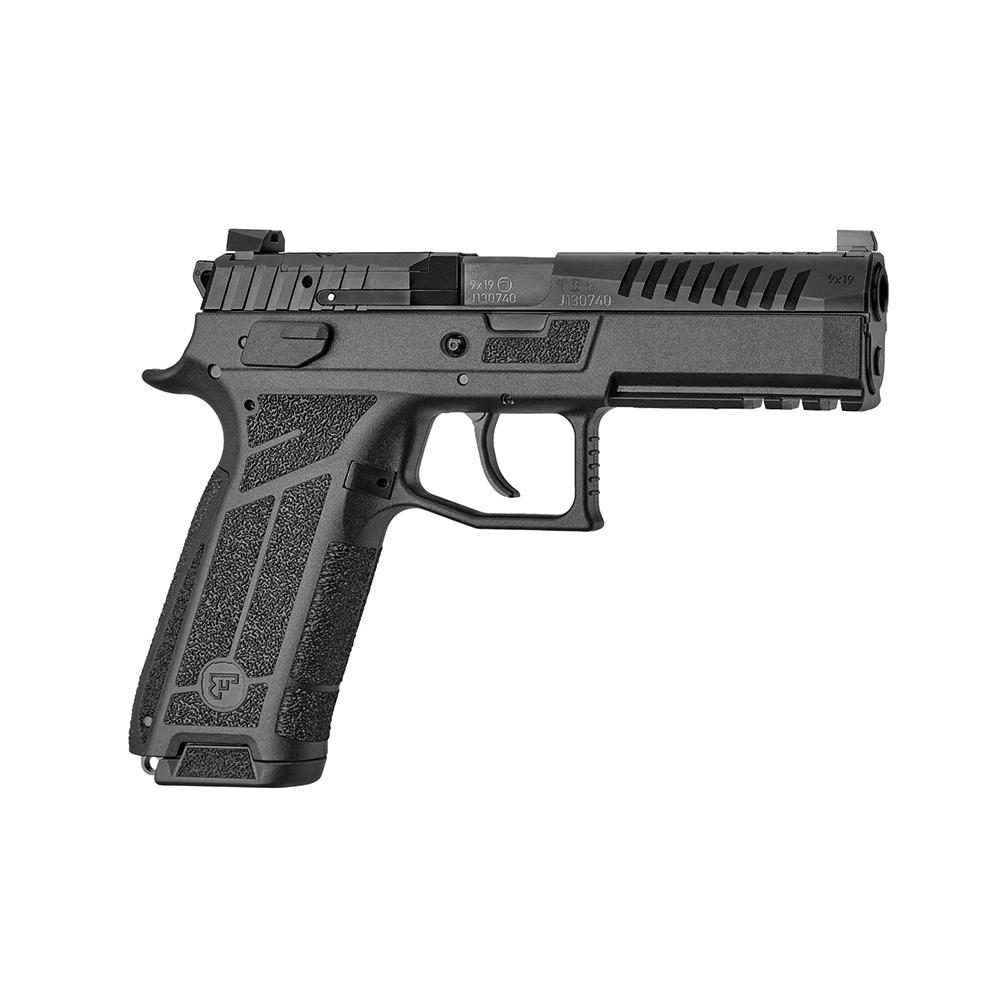
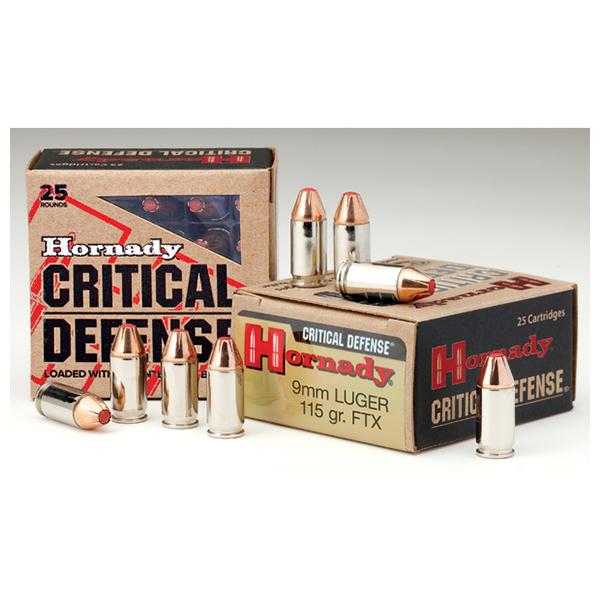
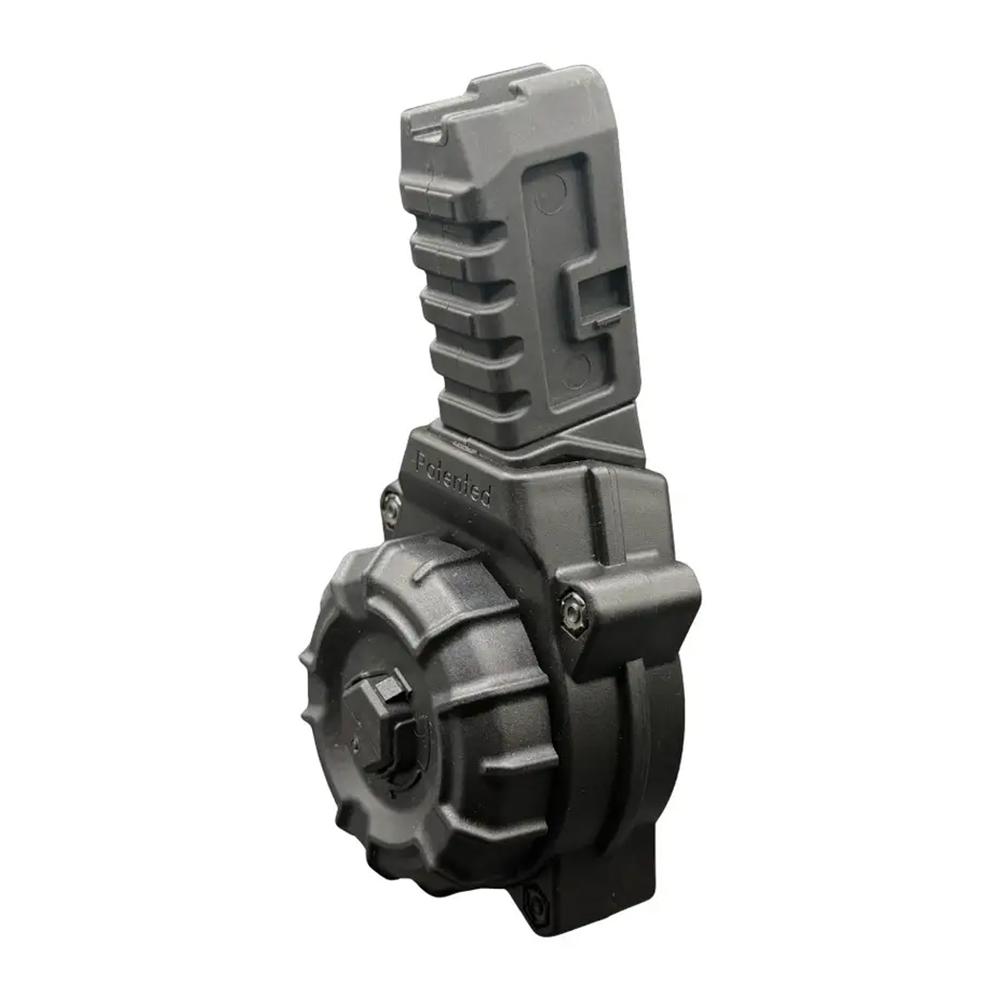
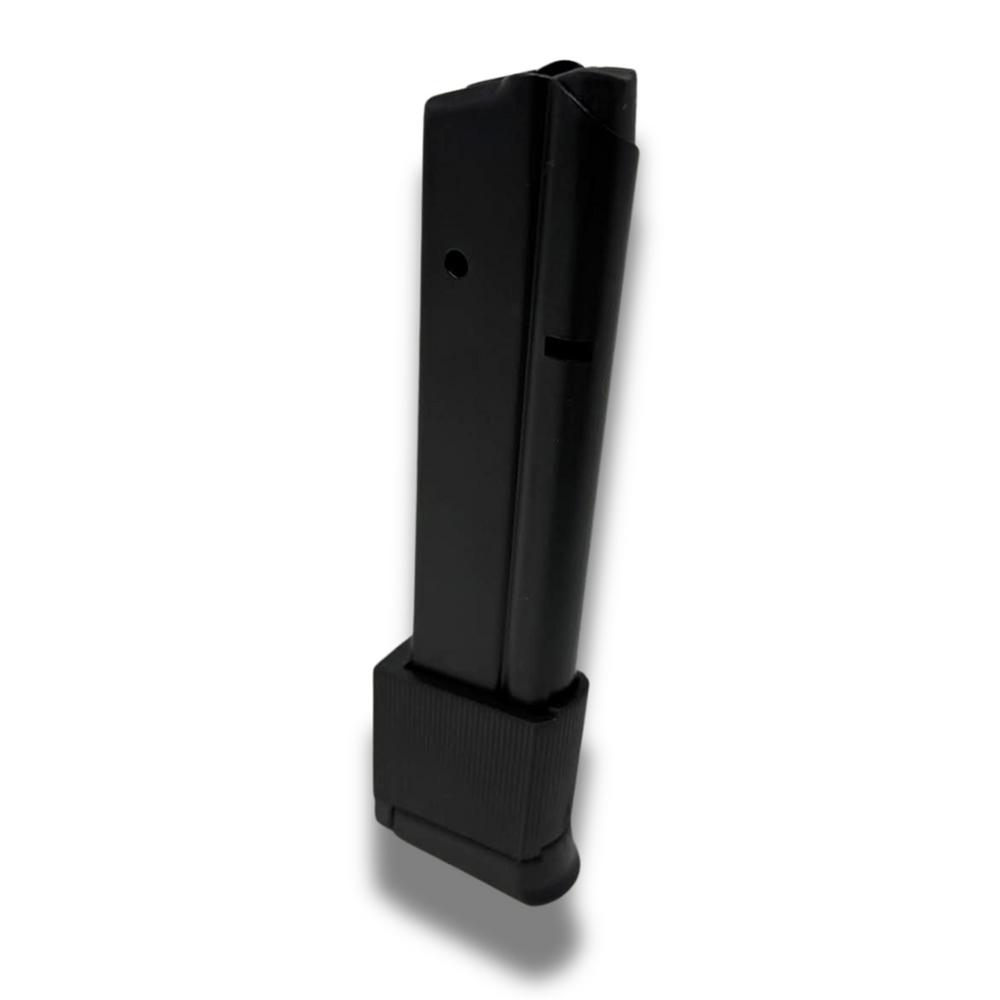
Some buyers return to lawful firearm ownership after years away, and the smartest starting point is a clean equipment plan built around safety, reliability, and current training standards.
A long gap matters because the market has changed. Compact pistols now carry more rounds than many older full size guns. Red dot optics have moved from competition lanes into daily carry and duty use. Weapon lights are smaller and tougher. Ammunition selection has improved, especially in 9mm Luger, .223 Remington, 5.56 NATO, and 12 gauge defensive loads. Storage expectations have also changed as more owners use quick access lockboxes, cable locks, vehicle safes, and dedicated range bags to keep gear controlled during daily life.
This guide is for the buyer who wants to rebuild with discipline. The goal is a system you can safely store, transport, maintain, and train with over years of ownership.
Start With The Use Case Before Choosing The Gun
A firearm purchase should begin with the job. The correct choice for concealed carry, home defense, hunting, and range training can overlap, but the details matter.
- Concealed carry: A modern compact or micro compact 9mm pistol with a barrel around 3.1 to 4 inches and magazines commonly holding 10 to 15 rounds gives many shooters a strong balance of size, recoil control, and capacity.
- Home defense: A full size 9mm pistol with a 4.5 to 5 inch barrel, a 12 gauge pump gun with an 18.5 or 20 inch barrel, or a 16 inch 5.56 carbine can all work when paired with responsible storage and regular training.
- Hunting and field use: Cartridge, optic, sling, weather resistance, and ammunition availability matter more than trend. A rifle that holds zero after rain, cold, recoil, and transport is worth more than a spec sheet full of extras.
- Range rebuilding: A reliable .22 LR pistol or rifle can cut ammunition cost and help rebuild grip, trigger control, sight tracking, and safe manipulation without high recoil or heavy blast.
If you are choosing your first carry setup after a long break, review BLVista’s concealed carry readiness guide before buying holsters, belts, lights, and magazines. The gun is only one piece of the system.
Handgun Specs That Matter In Real Use
For most returning handgun owners, 9mm Luger is the logical center point. Common defensive bullet weights are 115 grain, 124 grain, and 147 grain. The 115 grain load is common for training. The 124 grain load is widely used in defensive hollow point ammunition. The 147 grain load often has a softer recoil impulse in some pistols and is common in suppressor friendly subsonic ammunition.
Smaller guns carry easier and shoot harder. A pistol with a short grip may conceal well under light clothing, but that shorter grip gives the support hand less purchase. A longer slide with a 4 inch barrel usually tracks flatter than a 3 inch pocket gun. Sight radius matters less with a red dot, but weight and grip size still affect recoil control.
Use this handgun checklist:
- Caliber: 9mm for broad ammunition availability, .380 ACP for deep concealment, .38 Special for revolver users who accept lower capacity.
- Capacity: 6 to 8 rounds for many slim single stack pistols, 10 to 15 rounds for many micro compacts, and 15 to 17 rounds for many compact and full size double stack pistols.
- Barrel length: Around 3 inches for maximum carry comfort, around 4 inches for stronger control and velocity, around 5 inches for range or duty style use.
- Optic cut: Confirm the footprint before buying a dot. Common patterns include RMSc or Shield size on slim carry pistols and RMR size on many compact and full size slides.
- Light rail: A standard accessory rail gives more weapon light choices than a proprietary rail.
- Magazine cost: Training value depends on spare magazines. A serious pistol setup should include at least 3 magazines, with more for classes or high round count practice.
For red dot equipped carry pistols, compare footprints, battery access, window size, and backup iron sight compatibility before buying. BLVista’s carry red dots guide can help narrow the decision.
Long Guns For Defense, Field Use, And Training
A 16 inch AR pattern carbine in 5.56 NATO or .223 Remington remains one of the easiest long guns to configure, maintain, and train with. Common bullet weights include 55 grain range loads, 62 grain general purpose loads, and 77 grain match or defensive loads. A 1:7 twist barrel generally handles heavier bullets well, while 1:8 twist is a flexible middle ground. A 1:9 twist barrel often favors lighter common loads.
Thread pitch matters if you plan to use muzzle devices or a suppressor. Many 5.56 rifles use 1/2×28 muzzle threads. Many .30 caliber rifles use 5/8×24. Thread pitch, barrel shoulder quality, and bore alignment all matter when attaching muzzle devices. Guessing here can damage equipment.
A 12 gauge shotgun has a different profile. An 18.5 inch defensive barrel keeps overall length manageable. A 20 inch barrel often allows extended magazine tubes. Capacity commonly ranges from 4+1 to 7+1 with 2.75 inch shells depending on the model and magazine tube length. Buckshot loads vary, but 00 buck often uses 8 or 9 pellets. Pattern your chosen load at 5, 10, 15, and 25 yards because shotgun spread is ammunition and barrel specific.
If your plan includes a rifle for range, property, or hunting use, optic selection deserves the same care as the firearm. A simple red dot is fast inside 100 yards. A low power variable optic in the 1-6x or 1-8x range gives more identification and aiming precision at distance. For hunting rifles, weight, eye relief, ring height, and zero retention matter more than extra features. See BLVista’s rifle field optics guide when comparing glass for outdoor use.
Storage And Transport Are Part Of The System
Safe ownership requires controlled access. A quick access handgun lockbox can make sense for home defense when children, guests, or roommates are present. A full size safe or security cabinet works better for multiple long guns, optics, ammunition, and documents. Steel thickness, lock type, anchoring options, internal humidity control, and layout all matter during years of use.
For transport, use a dedicated range bag with separate compartments for ammunition, magazines, eye protection, ear protection, tools, and paperwork. Keep loaded carry magazines separate from bulk practice ammunition so you do not mix 115 grain FMJ range loads with 124 grain or 147 grain defensive hollow points. A simple paint marker or label on magazine baseplates can prevent confusion during training.
Moisture control matters for hunters and outdoor shooters. After a wet range day or a cold morning in the field, wipe down exterior metal, remove visible moisture from screws and rails, and let soft cases dry fully before storing firearms inside them. Foam lined cases trap moisture. They are useful for transport and poor choices for long term storage.
BLVista shoppers can compare handgun safe options and weapon lights as part of a complete ownership setup rather than as last minute add ons.
Training Loadout For The First 90 Days
A returning owner should budget for ammunition and range time before extra accessories. A simple 90 day plan works better than buying parts without confirming performance.
- First range session: Fire 100 to 150 rounds of ball ammunition to verify reliability, grip fit, sight regulation, and magazine function. For a 9mm pistol, 115 grain FMJ is common and affordable for this step.
- Second range session: Add 50 rounds of your chosen defensive load. Track failures by magazine number, ammunition type, and round count.
- Dry practice: Use 10 to 15 minutes per session to practice safe presentation, sight confirmation, trigger press, reloads, and malfunction setup with no live ammunition in the room.
- Monthly inspection: Check optic screws, light screws, magazine feed lips, baseplates, holster hardware, sling mounts, and battery condition.
- Skill confirmation: Shoot at 3, 5, 7, 10, and 15 yards with a handgun. For a rifle, confirm zero at the distance that matches your optic and ammunition plan, often 50 yards for a general purpose carbine.
Many compact 9mm pistols need recoil spring replacement after several thousand rounds, though the correct interval depends on the manufacturer. Magazines are wear items. Springs weaken, feed lips spread, and baseplates crack after drops on concrete. If a malfunction follows one magazine, mark it and test it again. If it repeats, remove that magazine from defensive use.
Maintenance And Ownership Lifecycle
Long term reliability comes from routine, not luck. Keep a log with firearm model, serial number, optic model, battery type, zero distance, ammunition used, round count, malfunctions, cleaning dates, and parts changes. A notebook or secure digital file works.
Inspect carry ammunition every month. Chambering the same round repeatedly can cause bullet setback in some cartridges, especially semi automatic pistol rounds. Compare overall length against fresh rounds from the same box. If one round looks shorter, pull it from carry rotation and use it only if safe according to the ammunition maker’s guidance.
Batteries deserve a schedule. Many red dots and lights can run for long periods, but defensive gear should not depend on memory. Pick two dates per year and replace batteries in carry optics, weapon lights, handheld lights, electronic hearing protection, and safe keypads. Confirm zero after optic battery changes if the design requires removing the optic from the slide.
For outdoor use, match finish and materials to the environment. Stainless steel, nitrided steel, hard anodized aluminum, polymer frames, and coated fasteners all help resist corrosion, but none remove the need for cleaning after sweat, rain, snow, dust, or salt air. A hunting rifle carried in a wet sling against soaked clothing needs attention before it goes back into the safe.
FAQ
Start with the role. For carry, a reliable 9mm pistol with a 3.1 to 4 inch barrel and 10 to 15 round magazines is a common choice. For home defense, consider a full size 9mm pistol, a 16 inch 5.56 carbine, or an 18.5 inch 12 gauge shotgun based on training, storage, and recoil tolerance.
Yes. 9mm Luger remains one of the strongest choices for defensive pistols because ammunition is widely available, recoil is manageable, and common defensive loads include 115 grain, 124 grain, and 147 grain options. Reliability in your specific firearm matters more than bullet weight alone.
For a defensive handgun, start with at least 3 magazines. One can stay loaded for carry or home defense, one can support reload practice, and one can serve as a control magazine during malfunction tracking. Range classes often run smoother with 5 or more magazines.
A weapon light can help identify a threat in low light, but it requires training and safe muzzle discipline. Many owners should also keep a handheld light. Compare output, switch placement, battery type, holster compatibility, and mounting strength before choosing a light.
A red dot can improve target focus and precision, especially at 10 to 25 yards, but it adds battery management, mounting screws, lens cleaning, and training requirements. Confirm your pistol's optic footprint before buying.
A solid range bag should include eye protection, ear protection, spare magazines, the correct ammunition, a small tool kit, lubricant, a cleaning cloth, chamber flag, targets, tape, marker, trauma kit, and any required documentation. Keep defensive ammunition separate from bulk training ammunition.
Was this useful?