
Brief
Beretta 92GTS Review: A Modern DA/SA 92 Built for Optics, Lights, and Real Use
A practical Beretta 92GTS review covering trigger, optics setup, weight, reliability, maintenance, and how it fits home defense, duty use, training, and carry.
Shop this at BLVista
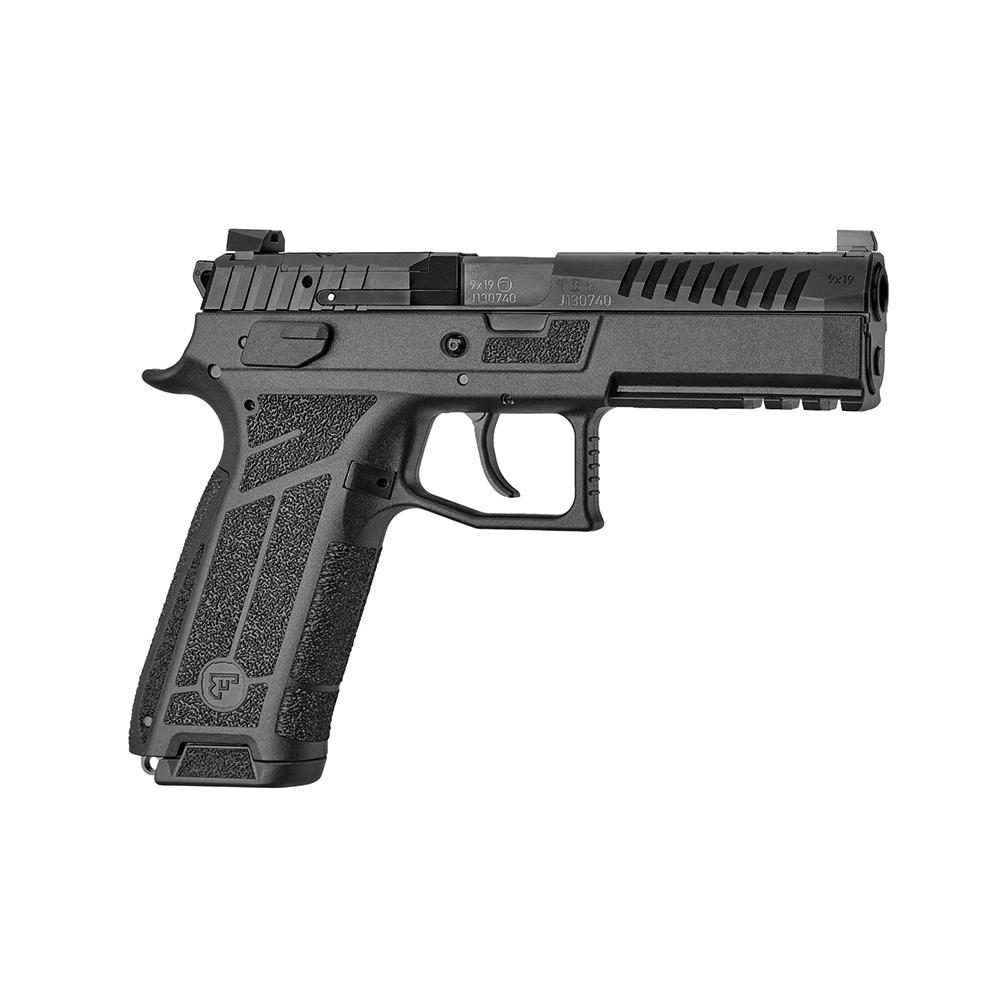
The Beretta 92GTS is Beretta’s attempt to bring the 92 fully into the current era while keeping the core mechanics that make the platform durable and shootable. It is still a metal framed, double action single action 9mm, but it adds an optic-ready slide, an accessory rail, a thinner Vertec style grip, and a frame mounted decocker-only system. In practical terms, it is a duty sized DA/SA pistol that is set up to run like a contemporary defensive gun out of the box.
Quick Specs That Matter in the Real World
- Caliber: 9mm
- Action: DA/SA semi-auto
- Capacity: 18+1
- Barrel: 4.7 in
- Overall length: 8.5 in
- Weight: about 33 oz unloaded
- Notable features: optic-ready slide (plate system), accessory rail, Vertec grip profile, ambidextrous frame-mounted decocker only, X-Treme S trigger components, skeletonized hammer
On paper the weight looks like a carry penalty. In use, that same mass and the 92’s slide design contribute to a calmer recoil impulse, which is part of why the platform stays popular for range work, training volume, and duty style shooting.
What the 92GTS Actually Changes, and Why It Matters
1) Frame-mounted decocker only: a cleaner DA/SA workflow
A DA/SA pistol earns its keep when the user can manage two distinct trigger presses safely and consistently. Many shooters prefer decocker-only configurations because they avoid the ambiguity of a safety lever under stress. The 92GTS uses a frame-mounted ambidextrous decocker that safely drops the hammer and returns the pistol to double action for the first shot.
Two practical takeaways:
- Consistency under pressure: You build a routine that ends every administrative load, unload, and post-engagement action with a deliberate decock and a holster or ready position in double action.
- Training clarity: For defensive shooting and home defense, fewer “modes” reduces user error. Your safety is the long first pull, your trigger finger discipline, and your holster or storage method.
2) X-Treme S trigger and twin sear: DA/SA that feels modern
The biggest reason many shooters abandon DA/SA is the learning curve. A heavy or gritty double action pull makes the first shot harder to place, especially at speed. The 92GTS focuses on refining that first pull and tightening the single action work that follows. In practical shooting, a smooth double action press lets you start a drill or a defensive string without needing to “prep” the trigger like you are defusing a bomb.
For buyers evaluating DA/SA options, use this checklist at the counter and on the range:
- Double action: smoothness through the full stroke, consistent stacking, clean break
- Single action: crisp break and predictable reset, minimal overtravel
- Transition management: can you call the first shot and keep the second shot from jumping low as the pull weight changes
3) Optic-ready slide: modern capability with a real tradeoff
Slide mounted optics have become a default choice for many shooters because they improve practical accuracy, especially at distance and in low light. The 92’s contoured slide design makes optic mounting more complex than on a blockier slide. Beretta’s plate system solves the compatibility problem, but it places many optics higher than what shooters may be used to on other platforms.
That height matters because it changes presentation and dot acquisition. For experienced iron sight shooters transitioning to a red dot, a higher optic tends to punish sloppy index. Plan on dedicating dry fire time to presentation and tracking the dot through recoil.
Buyer framework for the 92GTS optic setup:
- If you are new to pistol dots: a higher optic is workable, but it rewards structured practice. Consider a taller front sight reference and a consistent draw stroke.
- If you are already fast with dots: confirm that your preferred optic plus plate gives you enough adjustment range and a sight picture you can live with during hard transitions.
- If you plan to carry it: optic height affects concealment and holster compatibility. Verify holster fit with the exact optic and plate installed.
4) Vertec grip: the 92 for more hands, not just big hands
Grip circumference is a real limiter on the older 92 profile, particularly for shooters with smaller hands who struggle to reach the trigger in double action or manage recoil with a consistent firing grip. The Vertec style grip reduces bulk and changes the feel toward a straighter backstrap. That helps trigger reach, supports higher leverage, and makes it easier to run the gun during speed work.
For a duty or home defense pistol, better grip geometry also improves compliance and safety by reducing the temptation to shift the hand mid-string to reach controls.
5) Accessory rail: practical home defense and low-light use
A weapon light on a defensive handgun is not a fashion accessory. It is a tool for target identification, navigation, and control in low light. The 92GTS rail brings the platform in line with modern home defense standards. If your defensive plan includes a handheld light and a pistol light, treat them as complementary tools. Use the handheld for searching and general tasks. Use the weapon light when the pistol is already indexed on a known threat area and you need PID before pressing the trigger.
Range Use: Accuracy, Control, and Reliability Expectations
A full size metal framed 9mm with a light reciprocating slide tends to shoot flatter than many polymer duty pistols. That shows up in two places: you track the sights more easily, and you can keep acceptable hits while pushing cadence. The 92GTS is built for that kind of work. It is the sort of pistol that rewards structured drills like Bill Drills, failure-to-stop, and transition work because the gun stays stable and the trigger supports speed once you have the double action press dialed.
Reliability is also part of the 92’s long term reputation. In ownership terms, what matters is how the pistol behaves across dirty range sessions, mixed ammo, and normal maintenance intervals. A 9mm service pistol should run on common FMJ training ammo and your chosen defensive load with the same magazines you plan to keep for duty or defense.
Practical reliability checklist for long term ownership
- Test your defensive load for function and point of impact, especially if you install an optic or suppressor.
- Mark magazines and rotate them. Replace springs when you see sluggish feeding or failure to lock back.
- Confirm optic plate screws and optic screws are torqued correctly and secured with the appropriate thread locker.
- Run a low-light session with your weapon light. Verify that switches are reachable with your grip and that the beam pattern works indoors.
Ergonomics and Controls: What You Need to Train
The 92GTS control layout is friendly once you commit to it, but there are two areas that deserve attention.
- Decocker motion: the frame mounted lever uses an upward press to decock. That is different from many shooters’ habits. Build it into your post-string routine until it becomes automatic.
- Optic presentation: if you mount a red dot, expect a short adaptation period because the optic sits higher than some competing designs.
Reloads and basic manipulation benefit from the large controls and the stable platform. For defensive and training use, this is a strength. For concealed carry, the same dimensions that make it easy to run can complicate wardrobe, comfort, and concealment.
Carry, Duty, Home Defense: Where the 92GTS Fits Best
Home defense
This is a natural role for the 92GTS. The rail supports a quality weapon light, the DA/SA system supports safe storage practices when combined with proper storage hardware, and the full size weight makes follow-up shots easier. If you are setting it up for bedside use, prioritize a reliable light, a proven defensive load, and a storage method that fits your household and local legal requirements.
Duty and armed security
The 92GTS is sized and configured like a duty pistol. The decocker-only system and improved trigger reduce user error. The optic-ready slide supports agency trends toward red dots. The key is compatibility: confirm holsters, optic plates, and weapon lights before you commit, and ensure your policy allows the configuration.
Competition and training volume
If you like DA/SA and want a gun that stays controllable during fast strings, the 92GTS makes a strong case. It is also a good training tool for shooters who value mastering a more demanding first shot. That skill carries over to other platforms by improving trigger control and grip discipline.
Concealed carry
Concealed carry is possible, but it is a deliberate choice. A 33 oz unloaded pistol becomes noticeably heavier with an optic and weapon light. If you plan to carry it, budget for a purpose-built belt, a quality holster with solid retention and appropriate coverage, and time spent proving that you can carry it comfortably across a full day.
Compatibility and Upgrade Planning
The 92 ecosystem is huge, but the 92GTS includes design changes that can affect parts compatibility with older 92 upgrades. Before buying aftermarket parts, confirm that the component is specifically listed for the 92GTS configuration.
Accessory priorities that make sense
- Optic: choose a durable pistol red dot with proven battery life and a track record on reciprocating slides. Enclosed emitters help in rain, dust, and sweat heavy carry.
- Weapon light: pick a duty-grade light with controls you can reach without shifting your grip. Verify holster support for your exact light model.
- Spare magazines: buy enough to train hard, mark them, and keep a dedicated set for defense.
- Suppressor use: if you plan to run suppressed, confirm threaded barrel options, sight height needs, and cycling with your chosen ammo. Suppressed pistols also demand more cleaning and attention to lubrication.
Maintenance, Durability, and Storage
Metal framed pistols handle round count well, but they still need routine maintenance. Keep the rails lubricated, monitor recoil spring intervals, and check small parts that take impact over time. If you mount an optic, treat screw torque and inspection as part of normal maintenance, the same way you would check action screws on a hunting rifle.
For storage and transport, follow all applicable state and local laws. Use a locked container for vehicle transport where required. For home storage, choose a quick access safe if the pistol is staged for defense, and keep the manual of arms consistent across your household to support safe handling.
What to Watch Before You Buy
- Optic height: decide if you can live with a higher dot and the training time it requires.
- Weight: great for recoil control and long range sessions, less friendly for daily concealed carry.
- Sight durability: inspect sights periodically and confirm your chosen holster does not contact or stress the front sight.
- Holster and light fit: confirm the whole setup, not just the pistol, before you commit.
Bottom Line
The Beretta 92GTS feels like the 92 that modern shooters have been asking Beretta to build in one package: optics capability, a light rail, a slimmer grip, and a decocker-only DA/SA layout that supports real defensive training. The tradeoffs are straightforward. The optic sits higher than many competitors, and the pistol carries its weight like a metal framed duty gun.
If your priority is a reliable, shootable 9mm that works for home defense, duty use, high round count training, and action shooting, the 92GTS makes practical sense. If your priority is light, discreet concealed carry, you will likely be happier with a compact platform designed around that role.
FAQ
Yes. The 92GTS supports a weapon light on the rail, offers 18+1 capacity in 9mm, and its metal frame and slide design help with recoil control for faster follow-up shots. Set it up with a duty-grade light, proven defensive ammo, and a secure storage solution that matches your household and local compliance requirements.
“G” indicates a decocker-only configuration. “TS” refers to a twin sear system used to support safe decocking and consistent operation. In practical use, it means you decock to return the pistol to double action without engaging a manual safety.
It is manageable with structured practice. Focus on a smooth, straight-back double action press for the first shot, then maintain grip pressure as you transition to single action. Dry fire presentations and deliberate first-shot drills reduce the learning curve and improve safety and consistency.
Yes, it is optic-ready with a plate system, but many optics will sit higher than on some other pistol designs. Plan on retraining presentation to find the dot quickly. Confirm your chosen optic and plate combination, torque specs, and holster compatibility before relying on it for defensive use.
For many people, yes. At roughly 33 ounces unloaded, it carries like a full size metal framed pistol. If you carry it, use a rigid belt, a quality holster, and verify comfort during all-day wear. Adding a weapon light and optic increases weight and bulk further.
A duty-grade rail-mounted light with reliable switches and strong holster support is the practical choice. Confirm the light fits the rail properly, the controls are reachable with your firing grip, and your holster is made for that exact pistol and light combination.
As a baseline, shoot several hundred rounds of training ammo to confirm function, then run at least a box or two of your chosen defensive load through the exact magazines you plan to use. Include reloads, one-handed shooting, and some low-light work if you run a weapon light.
Keep the pistol lubricated on the rails, track recoil spring intervals, and routinely check optic plate and optic mounting screws for correct torque. Inspect magazines for damage and replace springs when performance drops. Treat screw checks and cleaning as part of your normal training cycle.
Yes for shooters who like DA/SA. The refined trigger, soft recoil, and stable shooting characteristics support action shooting disciplines. Your success will depend on mastering the first double action shot and building consistent manipulations around the decocker-only system.
Was this useful?