
Brief
One Horse Express Rifle With Atrius FRS Tested
One Horse Express Rifle review with Atrius FRS details, 16-inch 5.56 NATO specs, 7.14 lb weight, 30-round magazine use, reliability, suppressor fit, and...
Shop this at BLVista
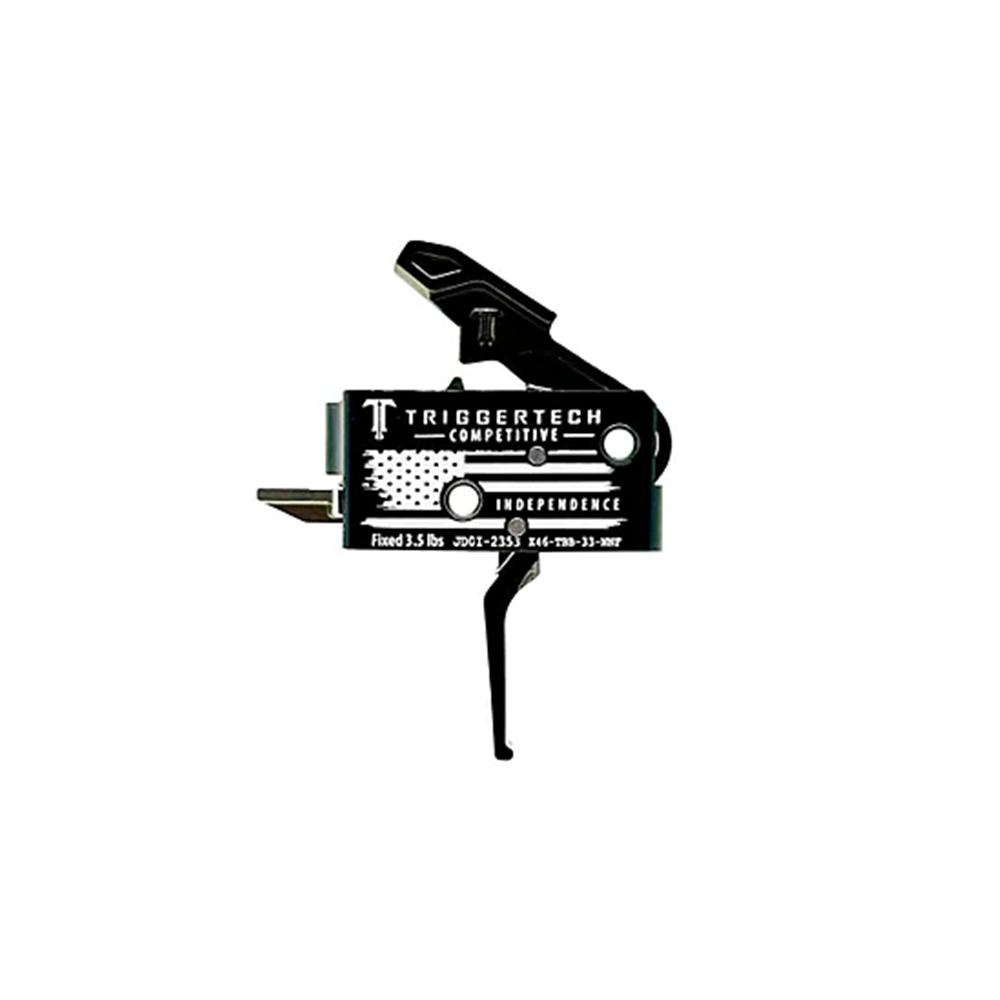
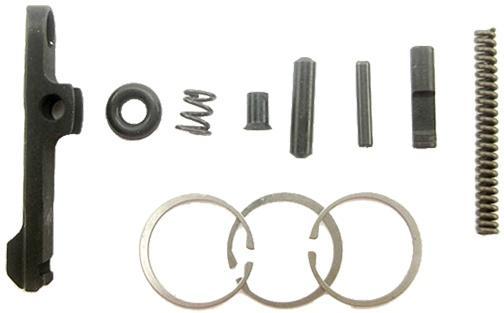
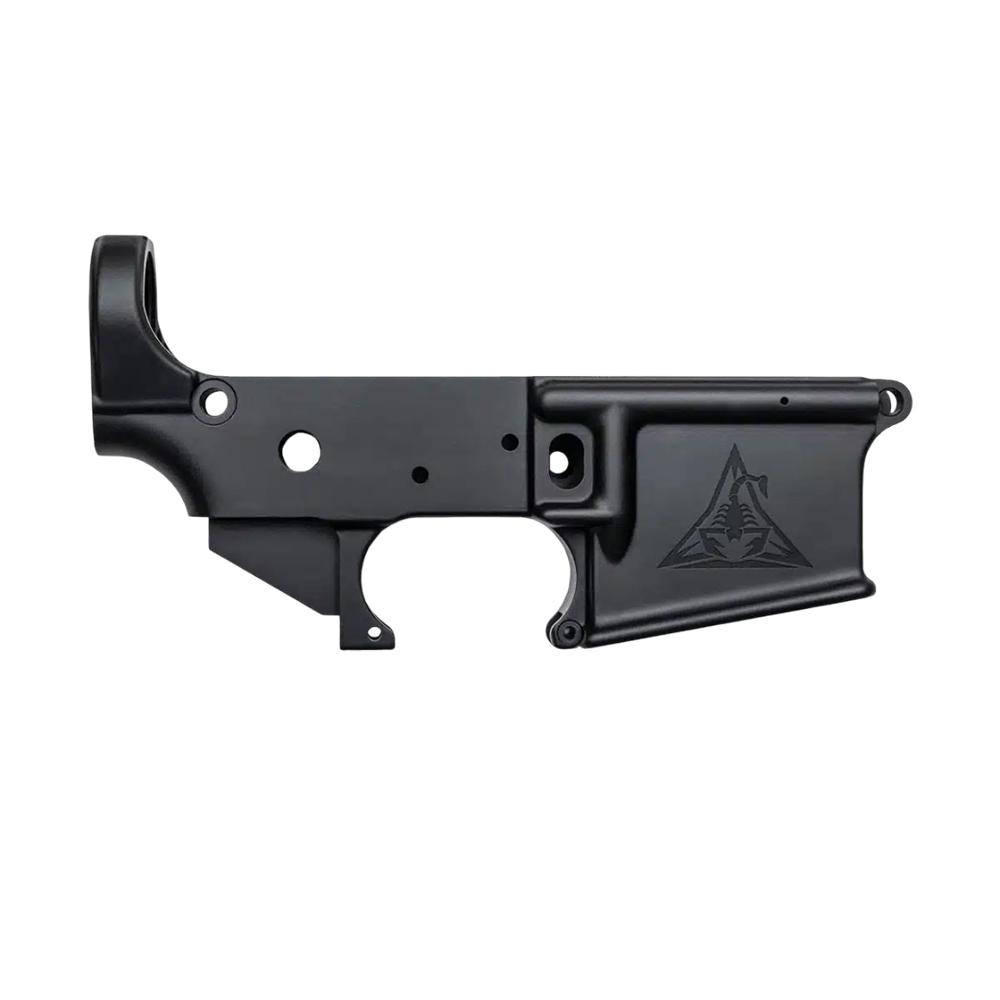
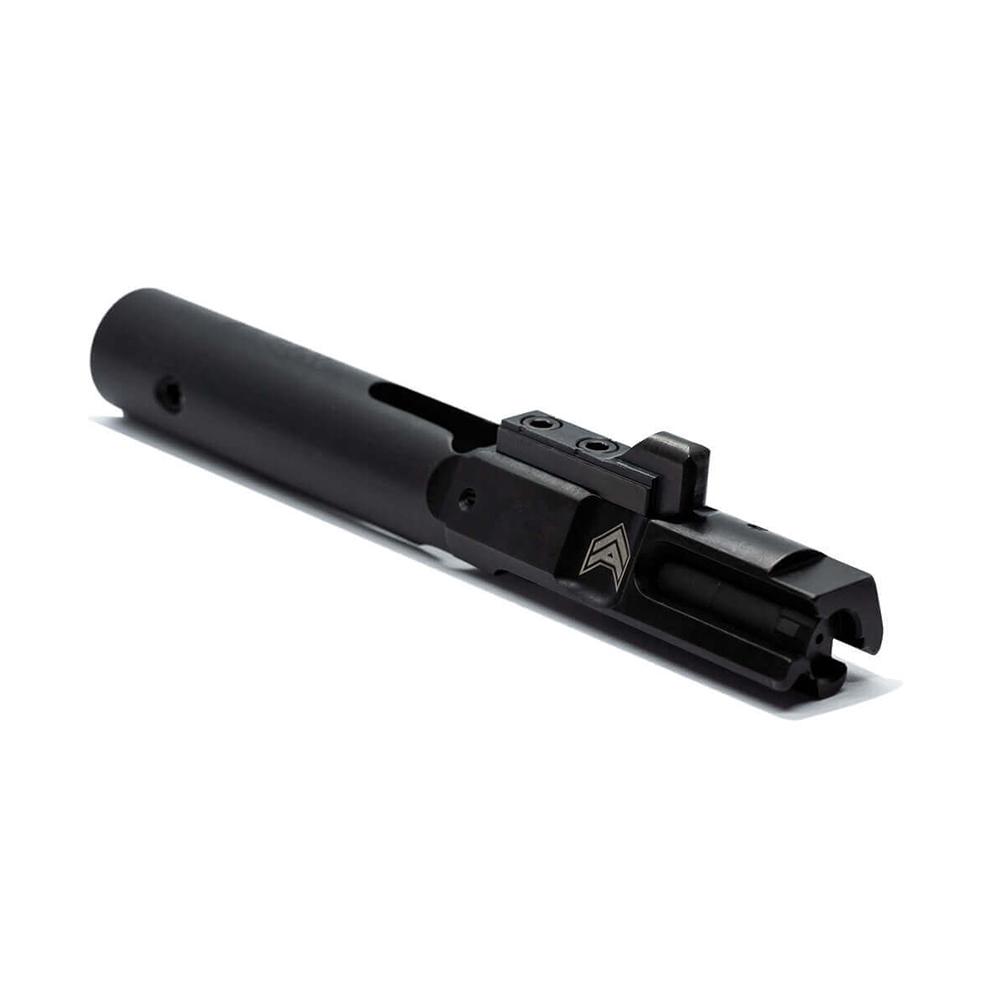
The One Horse Express Rifle is a complete 5.56 NATO AR-15 built around the Atrius single-side forced-reset selector, giving buyers a factory-assembled option instead of a parts-bin project. That distinction matters. Forced-reset systems place more demand on timing, buffer weight, magazine consistency, bolt speed, lubrication, and shooter control than a standard semi-auto AR. A rifle that ships as a tuned package has a different ownership profile than a lower receiver full of aftermarket parts.
Regulatory treatment for forced-reset devices varies by jurisdiction, so confirm current federal, state, and local rules before purchase, storage, transport, or installation.
For BLVista readers, the real question is straightforward: does the rifle make sense as a durable range gun, training tool, or specialized 2A-friendly setup, and what should a buyer inspect before spending money? The Express answers some of that with hard specifications, then leaves the rest to use case, ammo budget, and tolerance for a control system that behaves differently from a standard two-position selector.
Key One Horse Express Rifle Specifications
- Cartridge: 5.56 NATO
- Barrel: 16-inch CrMoV, nitride treated, SOCOM profile
- Twist rate: 1:8
- Muzzle thread: 1/2×28
- Muzzle device: A2 flash hider
- Handguard: 15-inch Express M-LOK
- Gas system: mid-length with low-profile staked steel gas block
- Trigger: 5.5-pound mil-spec single-stage curved trigger
- Selector: Atrius single-side FRS
- Buffer system: mil-spec buffer tube with H2 buffer
- Charging handle: Breek Arms Warhammer Mod 2
- Stock and grip: THRiL CCS stock and RTG grip
- Magazine: THRiL 30-round magazine
- Weight: 7.14 pounds
- Origin: Indiana, United States
- MSRP: $1,199.99
Those specs point toward a rifle set up for high-volume 5.56 use rather than a lightweight hunting carry rifle. At 7.14 pounds before optic, sling, light, suppressor, or loaded 30-round magazine, it sits in a useful middle range. The 16-inch barrel keeps the rifle outside short-barreled rifle dimensions while preserving enough dwell time for reliable cycling with a mid-length gas system. The 15-inch M-LOK handguard gives a long support-hand surface and room for a sling mount, light, hand stop, or bipod, although most owners will keep the front end clean to control heat and weight.
If you are comparing this rifle against conventional AR-15 rifle options, the selector system is the defining feature. Everything else should still be judged like any serious AR: barrel material, gas system balance, bolt carrier quality, magazine reliability, trigger weight, control access, and long-term parts support.
How The Atrius FRS Changes The AR-15 Feel
A standard AR-15 fire control group resets when the shooter releases pressure forward after each shot. A forced-reset selector uses movement from the cycling action to push the trigger forward during operation. The trigger still resets, and the shooter still manages the trigger for each shot, but the reset impulse is much more assertive than a normal mil-spec trigger.
That creates a different firing rhythm. The shooter needs a stable shoulder pocket, forward body pressure, and a consistent grip that lets the trigger reset without fighting the gun. A weak stance or loose stock placement shows up quickly, especially halfway through a 30-round magazine. In a slow-fire zeroing session, the rifle feels familiar. During rapid strings, it becomes a stance and recoil management test.
The 5.5-pound single-stage trigger also deserves attention. This is not a light match trigger. That weight is appropriate for a rifle expected to run hard, get hot, and live around dust, carbon, and magazine changes. A lighter trigger may feel better on a bench, but a heavier mil-spec style trigger provides more margin when the shooter is working a third selector position under recoil.
Reliability With 55-Grain And 62-Grain 5.56 Ammo
In reported range use, the rifle ran about 500 rounds without a malfunction across common bulk 5.56 loads: 62-grain M855, 55-grain FMJ-BT, and 55-grain 5.56 FMJ. That is a meaningful start, especially because inexpensive training ammunition often exposes marginal gas tuning, rough magazines, or weak extraction faster than premium loads.
The rifle produced very fast shot-to-shot splits in the enhanced semi-auto position. Recorded splits ranged from about 0.07 second to 0.10 second, roughly 850 rounds per minute at the fast end and about 650 rounds per minute at the slower end. The difference came from ammunition and magazine choice. Hotter 62-grain M855 loads and quality polymer magazines produced faster cycling, while dirtier metal magazines with stiff springs slowed the system down.
That observation matters more than the top speed number. Forced-reset reliability depends on bolt carrier velocity. Ammunition pressure, magazine drag, buffer weight, lubrication, carbon, suppressor back pressure, and extractor condition all influence that timing. If you buy this rifle, test it with the exact magazines and ammo you plan to use. BLVista buyers looking to stock up should compare consistent 5.56 NATO ammunition rather than chasing the cheapest mixed lots available.
Barrel, Heat, And Accuracy Expectations
The 16-inch nitride CrMoV SOCOM-profile barrel is one of the more sensible choices on this rifle. A heavier profile adds mass where rapid fire creates heat. Nitride treatment supports corrosion resistance and surface hardness without the dimensional changes associated with some lined barrels. The 1:8 twist is a versatile middle ground for common 55-grain, 62-grain, and heavier 5.56 projectiles.
Accuracy expectations should match the rifle role. During high-volume use and after multiple fast strings, reported shooting at 76 yards kept hits in the center A-zone of an IPSC target. That is useful performance for a hard-use carbine. Precise MOA evaluation would require match-grade ammunition, a stable rest, careful cooling intervals, and a magnified optic. Velocity data was not provided, so buyers who care about terminal performance at distance should chronograph their chosen load from the 16-inch barrel.
Heat management will shape your experience. A 15-inch M-LOK handguard gives leverage, but it also places the support hand near a barrel that can heat quickly during 30-round strings. Gloves, rail covers, and disciplined firing schedules are more than comfort items here. They protect control and reduce the chance of heat-driven mistakes.
Gas System, Buffer Weight, And Suppressor Use
The mid-length gas system and H2 buffer show that the rifle is tuned for control rather than maximum bolt speed. An H2 buffer generally slows the carrier compared with lighter buffers, reduces felt impulse, and helps keep the rifle flatter. With forced-reset use, that tradeoff matters. Faster cycling may sound attractive on paper, but higher carrier speed can increase parts wear, recoil movement, and magazine sensitivity.
The 1/2×28 muzzle thread gives broad compatibility with common 5.56 muzzle devices and suppressor mounts. Suppressed use needs caution. A low-back-pressure 5.56 suppressor may preserve the existing gas balance better than a high-back-pressure can. A traditional sealed baffle suppressor can increase carrier speed, blow more gas into the action, and push the rifle outside its preferred timing window. Decibel reduction was not measured in the available range data, so buyers should judge suppressor fit by back pressure, mount compatibility, flash reduction, durability rating, and point-of-impact shift rather than sound claims alone.
If you plan to run a suppressor, build a test plan: 30 rounds unsuppressed, 30 rounds suppressed, at least 2 magazine types, and your actual defensive or training load. Watch for ejection pattern changes, bolt-over-base malfunctions, extractor stress, gas to the face, and failure to lock back.
Controls And The Third Selector Position
The single-side FRS selector is the rifle component most buyers should handle before purchase if possible. Moving from safe to the third position takes more rotation than a standard safe-to-fire sweep. Many shooters will shift their firing-hand grip to reach it, especially with shorter thumbs or a high, locked-in grip.
That creates a real timing penalty. From low ready to selecting the third position and firing, reported times hovered around 1 second. A conventional semi-auto selector, especially a short-throw 45-degree design, can be meaningfully faster for the first shot. For range drills, that delay may be acceptable. For defensive planning, the standard semi-auto position may be the more sensible starting point, with the third position reserved for specific training scenarios where the shooter has already built the stance and control to manage it.
An ambidextrous FRS can solve part of the return-to-safe problem by letting the firing hand re-engage safe with less grip disruption. It also adds another lever to manage around gear, gloves, slings, and storage. Buyers should decide whether ambi control is a need based on hand size, shoulder transitions, and range doctrine.
Magazines And Wear Items Matter More Than Usual
At 650 to 850 rounds per minute equivalent pacing, magazines become part of the operating system. Feed lip geometry, spring force, follower tilt, and magazine cleanliness affect carrier drag. Quality 30-round polymer magazines performed well in reported testing, while some lower-grade metal magazines slowed the action.
Owners should keep a marked set of proven AR-15 magazines for this rifle. Number each magazine with paint pen or tape, track malfunctions by magazine number, and remove suspect magazines from serious use. This simple habit reduces confusion when a rifle feels unreliable but the actual issue is a single worn magazine spring.
Maintenance should also be stricter than a casual range AR. After high-volume sessions, inspect the bolt lugs, cam pin, gas rings, extractor spring, firing pin retaining pin, buffer face, buffer spring, gas key staking, and trigger/selector interface. Keep the bolt carrier group wet with quality lubricant during long range days. Carbon and heat build fast when a rifle burns through multiple 30-round magazines in short windows.
Where The Express Rifle Fits
The strongest case for the One Horse Express Rifle is as a complete, factory-tuned forced-reset AR for experienced shooters who want a high-volume 5.56 range rifle without assembling and troubleshooting the system themselves. It also has value as a training tool because it exposes stance, grip, recoil tracking, and magazine consistency in a hurry.
The fit is weaker for a first AR-15, a lightweight hunting rifle, or a home-defense carbine where simple controls and fast safe-to-fire manipulation carry more weight than sustained rapid fire. A conventional 16-inch AR with a quality two-stage or mil-spec trigger will be easier to manage, cheaper to feed, and simpler to explain to every authorized user in the household.
Use this buyer checklist before committing:
- Can you lawfully own and transport this configuration where you live and train?
- Will you actually train enough to manage the third selector position safely?
- Do you have the ammo budget for 500-round range days?
- Are you willing to test several 30-round magazines and retire weak ones?
- Will your optic, sling, light, and suppressor choices preserve balance at 7.14 pounds plus accessories?
- Do you need ambidextrous selector control for your hand size or shoulder transitions?
- Can you maintain a high-round-count AR on a bolt, gas, buffer, and magazine schedule?
For range planning, pair the rifle with a shot timer, marked magazines, gloves, a chamber flag, and a simple data card. The BLVista range and match loadout guide is a useful reference for building a kit around actual use instead of loose accessories.
FAQ
Yes. The rifle is chambered in 5.56 NATO and uses a 16-inch CrMoV nitride SOCOM-profile barrel with a 1:8 twist, making it suitable for common 55-grain and 62-grain range loads.
The Atrius FRS adds a third selector position that forces the trigger forward during cycling. The shooter still manages the trigger, but the reset impulse is stronger than a standard mil-spec AR-15 reset.
Reported testing included about 500 rounds without a malfunction using 62-grain M855 and 55-grain 5.56 FMJ ammunition. Buyers should confirm reliability with their own magazines, ammunition, and lubricant setup.
The rifle has 1/2x28 muzzle threads for common 5.56 muzzle devices and suppressor mounts. Low-back-pressure suppressors are generally a better starting point because excessive back pressure can alter bolt speed and increase fouling.
It fits experienced AR-15 owners who want a complete forced-reset 5.56 rifle for range use and are ready to manage ammunition cost, magazine testing, heat, maintenance, and compliance before ownership.
Was this useful?