
Brief
Glock-Pattern 9mm Pistols and Real Carry Fit
Compare Glock-pattern 9mm pistols by barrel length, capacity, holster fit, optics, magazines, maintenance, compliance, and defensive use.
Shop this at BLVista
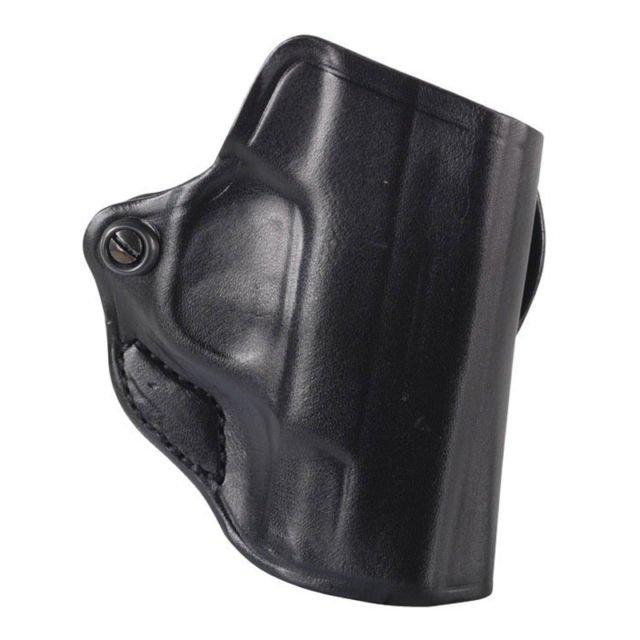 DeSantis Style 019 Mini Scabbard Kimber Micro Carry 9mm Luger Black RH
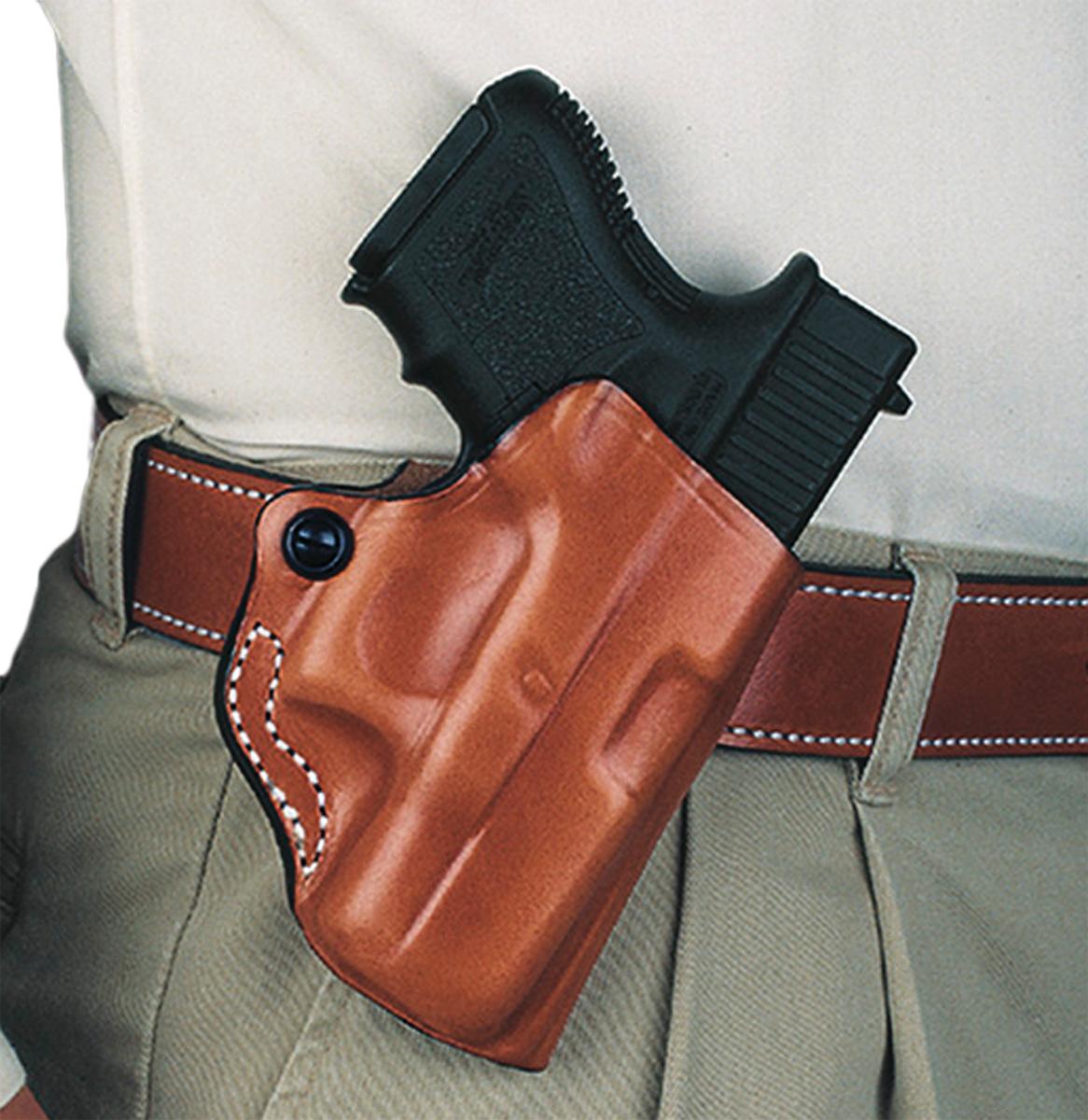 DeSantis Style 019 Mini Scabbard Kimber Micro Carry 9mm Luger Tan RH
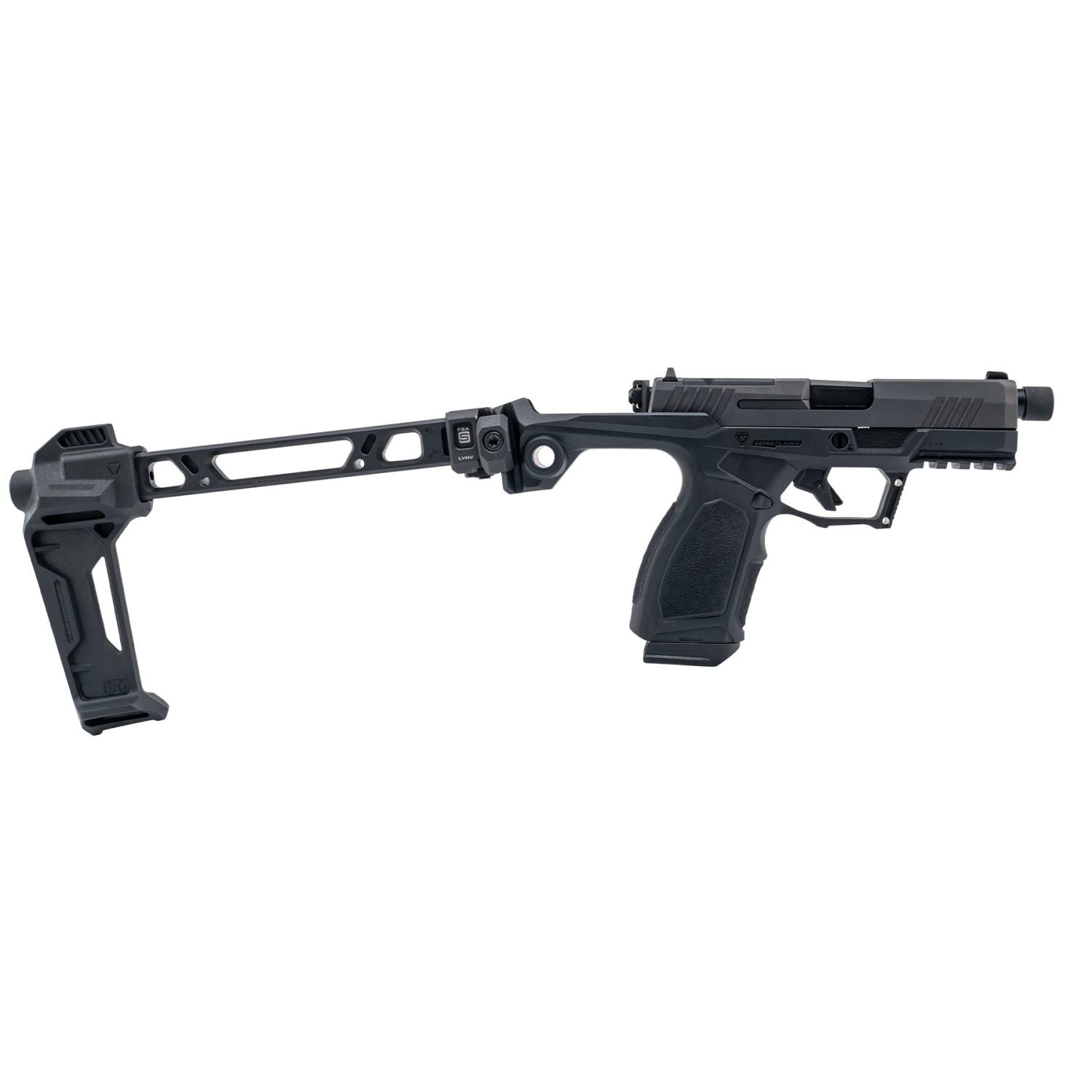 Taurus GX4 Strike Bravo Handgun 9mm Luger 15rd Magazines(2) 3.7" Threaded Barrel TORO SI Frame w/Brace
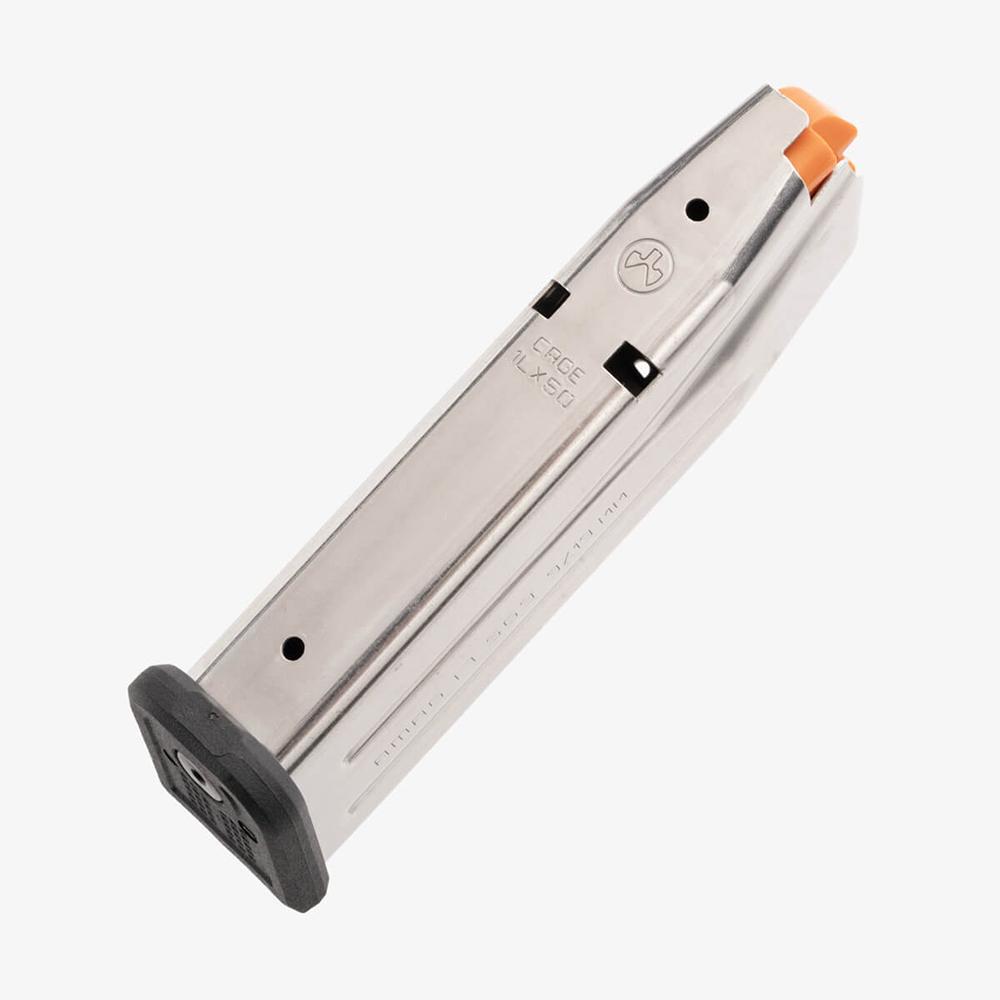 Magpul AMAG 17 SG9 Handgun Magazine for Sig P320/M17 9mm Luger 17/rd
Glock-pattern pistols sit at the center of the modern defensive handgun market because the design is simple, durable, widely supported, and easy to maintain. That popularity also creates buyer confusion. A pistol may accept Glock-compatible magazines, use a similar striker-fired operating system, or fit a Glock-pattern holster, yet still vary in reliability, parts compatibility, trigger geometry, optic mounting, and long-term support.
For BLVista readers, the right question is specific: does the pistol fit your actual use case, your state rules, your holster, your magazines, your ammunition, and your training plan? In states such as New York, proposed restrictions and local rules can affect transfers and configurations, so verify current compliance before buying, transferring, storing, or modifying any handgun.
If you are comparing Glock pistols and compatible options, start with the dimensions and the role. A duty-size pistol, a compact carry pistol, and a slim concealment gun can all be chambered in 9x19mm, yet they handle very differently under recoil, conceal differently under clothing, and demand different support gear.
Start With the Known Glock 9mm Benchmarks
The Glock 17, Glock 19, Glock 26, and Glock 43X define the most common size classes in the category. Their published dimensions give buyers a useful baseline before comparing Glock-style pistols from other makers.
- Glock 17 Gen5: 9x19mm, 4.49 inch barrel, 17 round standard magazine, 7.95 inch overall length, 5.47 inch height, 1.34 inch overall width.
- Glock 19 Gen5: 9x19mm, 4.02 inch barrel, 15 round standard magazine, 7.28 inch overall length, 5.04 inch height, 1.34 inch overall width.
- Glock 26 Gen5: 9x19mm, 3.43 inch barrel, 10 round standard magazine, 6.42 inch overall length, 4.17 inch height, 1.30 inch overall width.
- Glock 43X: 9x19mm, 3.41 inch barrel, 10 round standard magazine, 6.50 inch overall length, 5.04 inch height, 1.10 inch overall width.
Those figures matter more than a product label. The Glock 19 size range remains popular because it balances shootability and concealment. A 4.02 inch barrel gives most defensive 9mm loads enough sight radius and velocity for consistent performance, while the 15 round magazine keeps the grip short enough for inside-the-waistband carry. The Glock 17 gives more grip and sighting surface for home defense, range training, and duty-style use, though the 5.47 inch grip height takes more effort to conceal. The Glock 43X gives a slimmer 1.10 inch profile for concealment, with a 10 round factory magazine and less recoil control surface than the wider double-stack pistols.
Capacity, Barrel Length, and Recoil Control
Capacity is often the first number buyers notice, yet barrel length and grip size usually affect performance more during fast shooting. A longer grip helps the support hand lock in. A longer slide adds sight radius on iron-sight pistols and can soften the impulse slightly through added mass. A smaller pistol carries easier, especially in warm weather, while demanding better grip discipline during rapid fire.
Common 9mm defensive loads use 115 grain, 124 grain, or 147 grain bullets. In service-length pistols, many 115 grain loads run roughly in the 1,100 to 1,200 fps range, 124 grain loads often sit around 1,050 to 1,150 fps, and 147 grain loads commonly run around 950 to 1,050 fps. Exact velocity depends on the specific load and barrel length. A 3.41 inch or 3.43 inch barrel can produce lower velocity than a 4.49 inch barrel with the same ammunition, which matters when choosing hollow points designed to expand within a certain speed window.
For defensive use, buy enough of the chosen carry load to test it in the pistol. A reasonable minimum is several magazines of the actual carry ammunition after the pistol has been cleaned, lubricated, and inspected. Reliability with cheap range FMJ does not automatically prove reliability with a 124 grain jacketed hollow point or a 147 grain subsonic load.
Glock-Pattern Compatibility Is a Spectrum
The phrase Glock-style covers a wide range of pistols. Some use Glock magazines. Some use Glock-pattern sights. Some accept Glock Gen3-style internal parts. Some only share the basic striker-fired layout. A buyer should confirm compatibility part by part instead of assuming full interchangeability.
- Magazines: Confirm generation, capacity, baseplate fit, and whether the frame has an ambidextrous magazine release cut requirement.
- Holsters: Light-bearing holsters often index on the weapon light, while non-light holsters usually index on the slide and trigger guard. A small frame contour change can affect retention.
- Sights: Glock-pattern dovetails are common, but sight height matters if the pistol has a red dot, suppressor-height sights, or a compensator.
- Optics: MOS, RMR, RMSc, Shield, and other footprint systems have different screw lengths and plate requirements. Verify the exact footprint before ordering an optic.
- Triggers and internal parts: Aftermarket parts can change pull weight, reset feel, and safety margins. Defensive pistols should remain reliable with all factory safeties functioning.
If a carry optic is part of your plan, review BLVista’s carry red dots guide before choosing the slide cut. An optic-ready pistol can save machining cost, while plate systems add another set of screws that require inspection and proper thread treatment. A pistol carried daily needs routine checks for loose optic screws, lint in the striker channel area, and fouling around the extractor.
Carry Use Demands More Than a Pistol
A reliable handgun becomes a carry system only after the holster, belt, magazine carrier, ammunition, and training plan work together. The holster must fully cover the trigger guard, hold the pistol during movement, and allow a repeatable draw. A compact pistol with a 15 round magazine may conceal well under a jacket and print under a fitted summer shirt. A slim 10 round pistol may disappear under lighter clothing while giving up grip width and capacity.
Use a simple carry checklist:
- Concealment: Can you sit, bend, enter a vehicle, and reach overhead without exposing the pistol?
- Draw access: Can you establish a full firing grip before the pistol clears the holster?
- Retention: Does the holster hold the pistol during jogging, kneeling, or lifting gear?
- Ammunition function: Has your carry load been tested in your exact magazines?
- Maintenance: Can you field strip, clean, lubricate, and inspect the pistol without special tools?
New carriers should also work through BLVista’s concealed carry readiness guide before buying extra upgrades. Training time, a quality belt, and proven magazines usually reduce risk more than cosmetic parts.
Home Defense and Range Training Considerations
For home defense, the Glock 17 and Glock 19 size classes make sense for many owners because they offer more grip area, higher standard capacity, and better accessory support than smaller carry pistols. A pistol-mounted light requires a frame rail and a holster that safely accommodates that light if the gun also sees carry use. A red dot can help in low light when paired with proper training, though batteries, lens cleaning, and mounting screws become part of the ownership routine.
Range use exposes durability issues faster than casual ownership. A pistol fired for 50 rounds every few months may hide weak magazines, poor extractor tension, or inconsistent ammunition preference. A pistol used in classes, where 300 to 700 rounds over a weekend is common, reveals heat management, grip texture comfort, trigger consistency, and magazine durability. Polymer frames handle sweat and weather well, while steel sights and quality magazines still need basic corrosion checks after rain, humidity, and body carry.
Magazine quality deserves serious attention. Springs weaken, feed lips wear, and baseplates crack when dropped on concrete. If you depend on the gun, mark your magazines and track malfunctions by magazine number. BLVista shoppers comparing 9mm pistol magazines should prioritize proven factory or duty-grade options over unknown bargain magazines for defensive use.
Storage, Transport, and Long-Term Ownership
Handgun ownership continues after the first range trip. Secure storage should prevent unauthorized access while preserving fast access if the pistol is assigned to home defense. A pistol stored with a loaded magazine should be protected from humidity, dust, and loose objects that can enter the trigger guard. For transport, use a case that protects the sights and optic, separates ammunition when required, and keeps magazines organized.
Maintenance is straightforward on most Glock-pattern pistols. Field strip after live fire, clean the bore and chamber, wipe carbon from the breech face, inspect the extractor area, and apply light lubrication to the recommended contact points. Heavy oil attracts lint and grit during concealed carry. A carry pistol should be inspected more often than a range-only gun because sweat, fabric debris, and daily movement create their own wear cycle.
For upgrade planning, keep the pistol’s role fixed. A defensive pistol benefits from durable sights, reliable magazines, a proven light if needed, and an optic only if you will train with it. Aggressive trigger modifications, questionable compensators, and untested aftermarket internals can complicate reliability and compliance. Every change should earn its place through function testing.
FAQ
For many carriers, yes. The Glock 19 Gen5 has a 4.02 inch barrel, 15 round standard magazine, and 5.04 inch height, which makes it easier to conceal than the Glock 17 Gen5 with its 4.49 inch barrel, 17 round magazine, and 5.47 inch height. The Glock 17 offers more grip and capacity for home defense and range use.
Most quality Glock-pattern 9mm pistols run 115 grain, 124 grain, and 147 grain ammunition. Defensive loads should be tested in the exact pistol and magazines you carry. Many buyers choose 124 grain jacketed hollow points for a balance of recoil, velocity, and terminal performance, while 147 grain loads can feel softer in some guns.
No magazine should be trusted without testing. Factory magazines and proven duty-grade magazines are the safer choice for defensive use. Mark each magazine, test it with your carry ammunition, and remove any magazine that causes repeated feeding or locking issues.
An optic-ready slide is worth considering if you plan to train with a carry red dot. Confirm the footprint, plate system, screw length, and sight height before buying. A red dot adds aiming capability, while also adding battery checks, lens cleaning, and mounting screw inspection to your routine.
Check barrel length, capacity, grip size, holster fit, magazine compatibility, optic footprint, parts support, state compliance, and maintenance needs. BLVista helps buyers reduce purchase risk by focusing on fit, reliability, safety, and real-world support gear instead of vague feature lists.
Was this useful?