
Brief
Should You Carry a Clone or a Clean-Sheet Pistol
How to judge a new 9mm carry pistol design against a proven platform using holster support, optic footprints, magazine availability, and a 500 round test gate.
Shop this at BLVista
Handgun progress moves in steps, not a smooth curve
Look at pistol development from a distance and it reads like a straight line from single shot to striker fired polymer. Get closer and the line breaks into a series of jumps separated by long stretches of copying. A handful of designs actually moved the category. Browning’s tilting barrel lockup, Walther’s double action first shot, and the polymer striker frame that Glock made ordinary each reset what came after. Everything in between was refinement, cost reduction, and licensing.
The same pattern repeats in the concealed carry market. The KelTec P3AT put a 8.3 ounce .380 with a 2.7 inch barrel in a pocket and created a whole segment. The SIG P365 took a 3.1 inch barrel gun down to roughly 17.8 ounces and 1.0 inch across the slide while carrying 10+1, which made single stack subcompacts feel obsolete overnight. Within four years, nearly every major maker had a micro compact double stack of its own.
That copying is not laziness. Reproducing a validated design is cheaper, faster, and lower risk than clean-sheet engineering, and modern metallurgy and CNC work mean a later clone can outperform the original. It also drives prices down, which benefits buyers directly. What it does not do is produce the next step forward. A genuinely new operating concept still shows up occasionally, usually from a smaller shop with the freedom to take a loss. As a buyer you have to decide which side of that tradeoff you want strapped to your belt.
What a proven platform actually buys you
Choosing a mature design is not about brand loyalty. It is about the ecosystem that grows around a gun once it sells in volume.
- Holster fitment. A Glock 19 sized gun has hundreds of kydex options with correct trigger guard coverage, adjustable retention, and claw or wing hardware. A new design may have three, all of them first generation.
- Optic footprint. Widely adopted guns get cut for the common patterns. RMSc dominates micro compacts, RMR and ACRO show up on duty sized slides. Ask which pattern a slide uses before you buy the optic, and confirm screw length and any required plate.
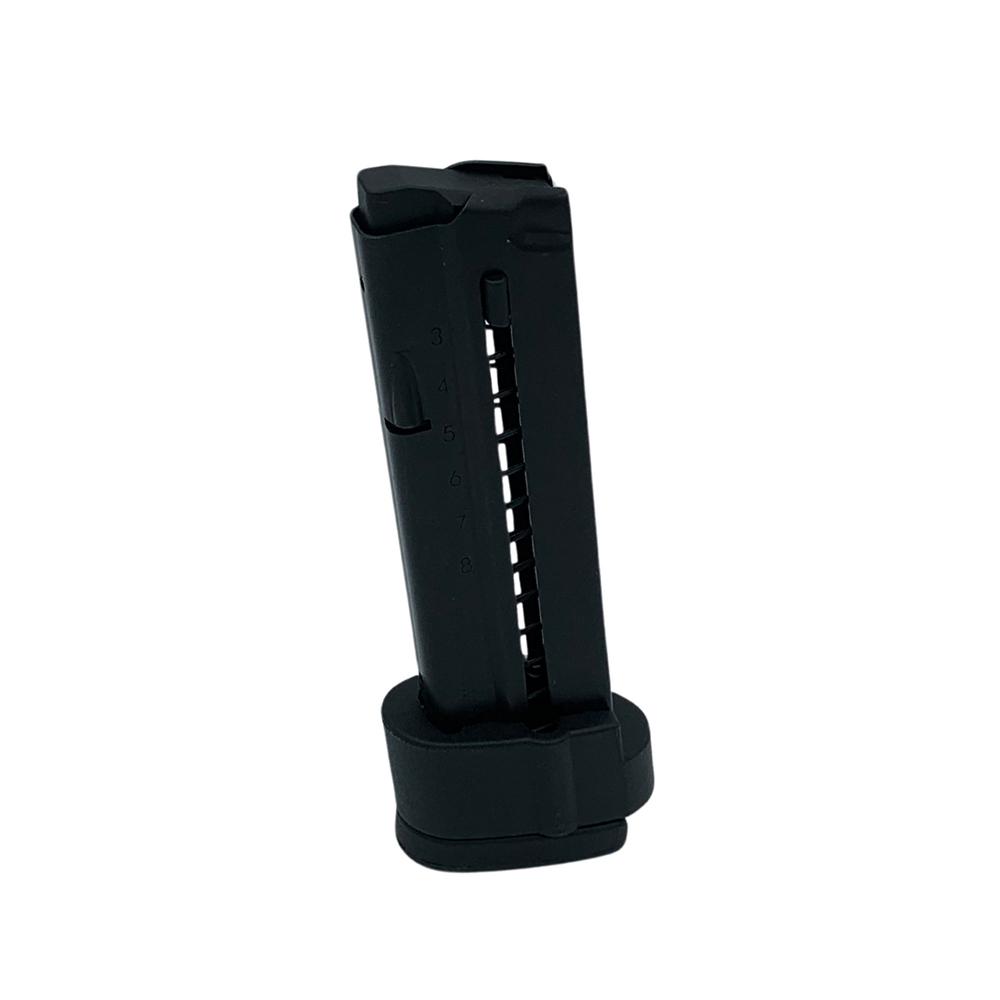
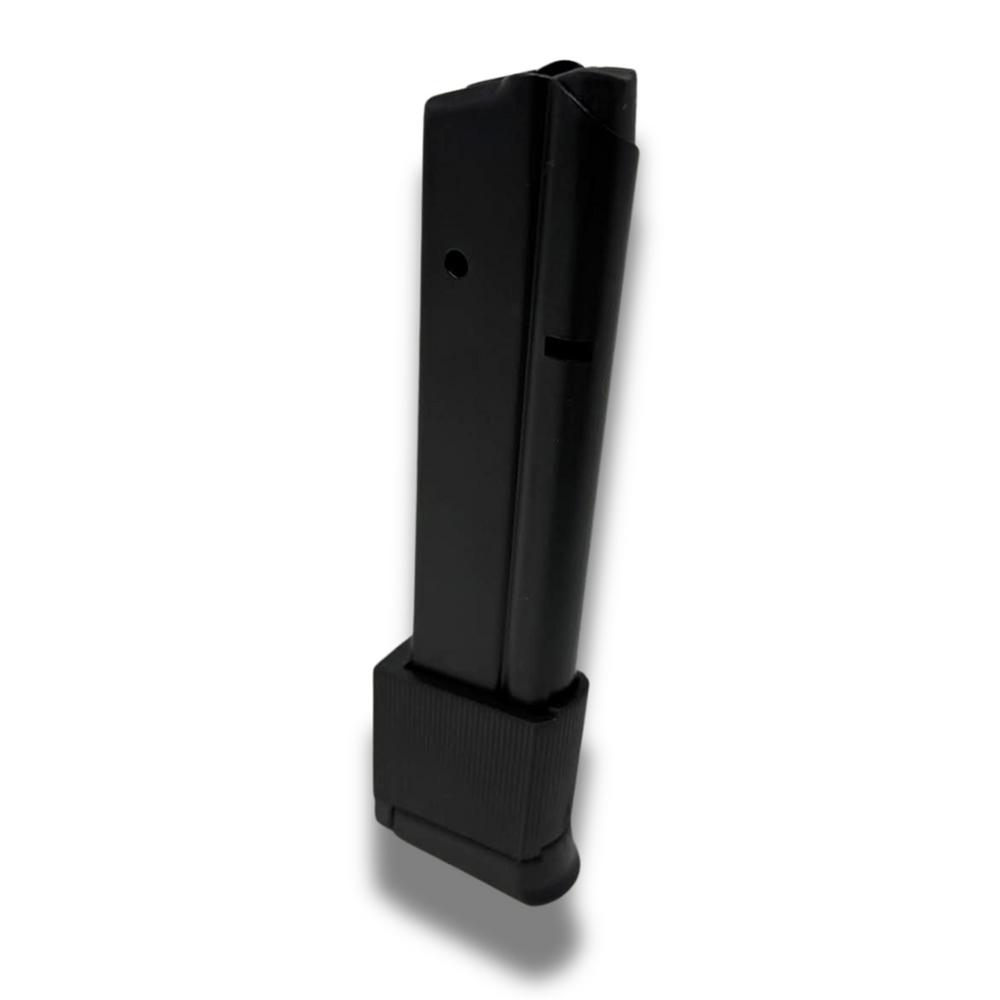
- Magazines. Spare magazines are a consumable. Springs take a set, followers wear, feed lips get dented on concrete. If you cannot buy five more magazines today at a sane price, that is a real ownership cost.
- Parts and armorer support. Extractors, recoil springs, and firing pin channels all wear. On common platforms a spring kit is inexpensive and the service interval is documented, often around 5,000 rounds for recoil springs on compact 9mm guns.
- Barrel threading. If a suppressor or compensator is in your future, 1/2×28 is the standard 9mm thread pitch and aftermarket threaded barrels are readily available for popular models.
What a novel design can offer
New concepts usually chase one of three goals: lower bore axis for faster recoil recovery, a better trigger without hammer complexity, or a grip geometry that fits more hands. Some hybrid designs pair a hammer fired lockwork with a modern polymer or aluminum frame and a slide cut for a red dot, aiming for a shootable single action feel in a carry package. Those are legitimate performance gains, not styling exercises.
The risk is production maturity. Early runs of any new firearm carry unknowns in extractor geometry, magazine feed angle, and heat treat consistency. Those surface at round 800 to 2,000, not on the first box of 50.
A five point check before a new design becomes your carry gun
- Round count gate. Fire 500 rounds of practice ammunition and 100 to 200 of your chosen defensive load with zero stoppages before it leaves the range with you. Log everything.
- Ammunition tolerance. Test at least three bullet profiles. A 115 grain full metal jacket and a 147 grain hollow point stress feeding differently.
- Support inventory. Confirm you can source spare magazines, a recoil spring assembly, and at least two holsters from separate makers.
- Concealment reality. Measure slide width and grip length against your actual body and clothing. Grip length drives printing far more than barrel length.
- Service path. Know the warranty term and whether anyone besides the factory can work on it.
Ownership over the long run
Carry guns live in a harsh environment. Body heat, sweat salt, lint, and holster abrasion do more damage than shooting does. Wipe the gun down weekly, inspect the extractor claw and breech face, and rotate carry ammunition every six to twelve months since repeated chambering sets bullets back in the case. Store the pistol in a quick access safe rather than a drawer, and if you travel, understand that transport rules change at state lines and a locked hard case with ammunition stored separately is the conservative default.
Our concealed carry readiness guide covers the holster, belt, and dry practice side of this, and if you are pairing a slide cut pistol with a dot, start with the carry red dot buyer’s guide before you commit to a footprint. You can browse current concealed carry 9mm pistols and spare magazines when you are ready to compare specific models.
Decide what you are buying support for
If this is your only defensive handgun, weight the decision toward a platform with deep holster, magazine, and parts support. If you already own a proven carry gun and want to explore what a newer design does better, buy it with the understanding that you are funding an experiment and hold it to the round count gate before it earns pocket space. Both choices are defensible. What is not defensible is carrying an unvetted pistol because it looked interesting.
FAQ
A common working standard is 500 rounds of practice ammunition plus 100 to 200 rounds of your carry load with no malfunctions. Any stoppage resets the count. Test with the same magazines you plan to carry.
Barrel length affects velocity more than concealment. A 3.1 inch barrel typically loses roughly 100 to 150 feet per second against a 4 inch barrel with the same 9mm load, which matters for hollow point expansion. Grip length is what drives printing under a shirt.
RMSc is the dominant pattern on micro compact slides. Duty sized carry guns more often use RMR or ACRO. Confirm the cut before buying the optic and use the screw length the optic maker specifies.
Not automatically. Later production of a licensed or inspired design often benefits from improved materials and machining. Judge the specific gun on fit, finish, warranty, and parts availability rather than on whether the concept is original.
Rotate every six to twelve months, and set aside any round that has been chambered more than two or three times. Repeated chambering can push the bullet deeper into the case and raise pressure.
1/2×28 is the standard for 9mm in the United States. Verify the barrel shoulder and any thread protector fitment before ordering a muzzle device.
Was this useful?