
Brief
Gideon Optics Pebble on the S&W Bodyguard 2.0: What a Micro Dot Really Changes
Practical review of the Gideon Optics Pebble on the S&W Bodyguard 2.0. Mounting tips, zero distance, dot color, holster fit, training, and reliability checks.
Shop this at BLVista
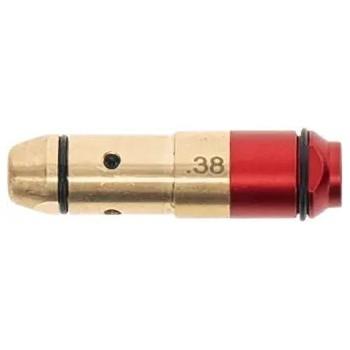
The Smith & Wesson Bodyguard 2.0 has earned its place in a lot of deep concealment rotations for one reason: it carries like it is barely there. Light gun, short grip, minimal printing under summer clothing, and enough capacity to feel relevant in 2026. The tradeoff is familiar to anyone who actually practices with pocket sized pistols. They get carried often and trained with less, usually because the sights and the shooting experience encourage “close range only” habits.
The Gideon Optics Pebble is built around that exact reality. It is a dedicated micro reflex sight approach for the Bodyguard 2.0 that tries to add capability without turning a true deep carry pistol into a bulky project. The idea is simple: if you can put a consistent dot on target, you can hold yourself to higher standards than contact distance drills.
Why a dot matters on a tiny .380 carry gun
On micro pistols, the limiting factor is rarely mechanical accuracy. It is the shooter interface: short sight radius, small irons, and a grip that rewards any inconsistency with misses. A micro red dot does two practical things:
- It makes your errors obvious. The dot shows wobble, anticipation, and grip pressure changes in real time. That feedback speeds up learning if you actually dry fire and live fire with intent.
- It extends useful practice distance. When you can see an aiming reference clearly, 15 to 25 yard work becomes realistic. That matters for accountability and for building confidence in hard shots, even if most defensive incidents happen closer.
For the Bodyguard 2.0 specifically, an optic can also sidestep a common annoyance: factory irons that are not always regulated the way you want. If you have ever chased windage on a small carry gun, you already understand the value of a repeatable, centered aiming system.
Mounting reality: dovetails, tolerances, and who should do the work
The Pebble setup uses a rear dovetail adapter that replaces the factory rear sight. On paper, that sounds like a straightforward home job. In the real world, rear sights can be extremely tight in their cuts, and the risk on a small slide is easy to underestimate.
Here is the practical decision point: if you do not already own a quality sight pusher, brass punches, a proper bench block, and you have not fit dovetails before, this is gunsmith territory. A too tight fit can damage the adapter, distort the dovetail, or mar the slide. A too loose fit can shift under recoil or during daily carry bumps, which turns your zero into a moving target.
Buyer checklist before you mount a dovetail optic:
- Plan for the rear sight removal to be the hardest part of the project.
- Assume minor fitting may be required. “Drop in” is not a standard, it is a hope.
- Confirm the adapter seats centered and fully. Partial seating can cant the optic and create windage issues you will chase forever.
- After installation, verify fasteners and torque specs if applicable, then mark witness lines so you can spot movement during inspections.
Once properly fit, the benefit of this style of mount is a low deck height. That matters because it keeps the presentation closer to your iron sight index and reduces the “search” time that kills micro dot speed.
Dot color: pick it for your eyes and your environment
Red versus green is not a personality test. It is a visibility and vision issue. Some shooters with astigmatism perceive one color with less flare than the other, and some see the opposite. Beyond your eyes, consider where you live and where you train.
In heavy green environments like the Pacific Northwest, a green dot can blend into foliage and grass in a way that reduces speed. On indoor ranges with bright white backers, either color can look great. Outdoors, background matters.
How to choose dot color with less guesswork:
- Look at both colors in bright sun and deep shade, not only under indoor range lighting.
- Check bloom at low settings and at max brightness. The best dot is the smallest dot your eyes can resolve quickly.
- If you hunt or spend time in wooded terrain, treat background contrast as a real selection criterion.
The Pebble’s 3 MOA class dot size makes sense for the platform. On a tiny window, going too large can cover too much of what you are trying to aim at. The tradeoff is that a smaller dot asks more of your vision and brightness management.
Zeroing: plan for patience, not “set and forget” clicks
On micro optics, adjustment systems often feel less refined than full size duty optics. If the windage and elevation adjustments do not give crisp tactile clicks, your process needs to change. You turn, confirm, repeat. That is slower, but it can still be precise if you shoot disciplined groups.
A practical zero plan for a deep concealment pistol optic:
- Start at 7 yards to confirm you are on paper and roughly aligned.
- Confirm and refine at 15 yards. This distance balances typical defensive distances with realistic training stretch goals.
- Document your carry load point of impact at 15 yards and again at 25 yards. .380 ACP loads can vary more than people expect.
Use a target that makes small errors obvious. Multiple small bullseyes help because you can track changes without stapling new paper every string. Whatever target system you use, stability matters. If your target stand moves, your “zero” session turns into a data quality problem.
Training with a small window: presentation beats equipment
The first time most shooters look through a true micro dot, they notice the window. It is small, and it punishes sloppy presentation. The fix is not chasing gear. The fix is building an index that brings the dot into view without hunting.
Dry fire framework that transfers to live fire:
- 10 slow draws to a hard wall or aiming point, focusing on grip pressure and wrist angle.
- 10 draws with a timed par where you accept a clean dot appearance, not a perfect dot stillness.
- Finish with 10 “reset reps” where you deliberately start with a slightly wrong presentation and correct it, so you learn the correction path.
With the dot sorted, the Bodyguard 2.0 becomes more interesting to train with. That matters. A carry gun that is “fun enough” to practice with tends to get real range time instead of occasional magazine dumps.
Ammunition and function testing: carry setups earn trust
Any time you add an optic, you change mass and sometimes change the way the slide cycles. On small pistols, that can show up as reliability differences with certain loads or grip styles. You need to verify function with the ammunition you will actually carry.
In practical terms, that means running your chosen defensive .380 ACP load through the gun with the optic installed, and confirming:
- Feed reliability from each magazine you plan to carry
- Slide lock consistency
- Ejection pattern stability
- Zero retention after a few hundred rounds and after basic maintenance
Defensive loads like Federal Premium HST in 99 grain class are popular for a reason, but every pistol is its own system. Confirm your own gun. Confirm your own magazines. Confirm your own grip.
Carry and holster fit: concealment is a system
Adding a micro optic can change draw feel, holster clearance, and how the gun rides against the body. The key metrics are simple: does it clear cleanly, does it reholster safely, and does it still conceal under your most common clothing.
Hybrid IWB holsters with a sweat guard can make sense for small guns carried all day, especially in damp climates. Sweat exposure is real. Over time it attacks screws, springs, and finishes. A sweat guard reduces direct contact and helps keep salt off the gun and optic body. For daily carry, inspect hardware weekly and keep a basic maintenance rhythm: wipe down, check fasteners, confirm the dot is on, confirm brightness settings, and verify your witness marks.
Durability and ownership lifecycle: what to watch over months, not days
Micro optics live hard lives. They get bumped on seat belts, pressed into cover garments, and exposed to sweat, lint, and temperature swings. Ratings like waterproof and shockproof matter, but long term ownership comes down to a few practical details:
- Motion activation behavior. It should wake reliably and stay on when you need it, including during draw strokes and movement.
- Battery access. Side load battery designs reduce the chance you lose zero during battery changes.
- Lens maintenance. Pocket and waistband carry add lint and skin oil. Keep a microfiber cloth in your range bag and clean the lens like a camera lens, not like a truck mirror.
- Fastener checks. Small screws loosen. Use correct torque, correct threadlocker if recommended, and periodic inspection.
Budget minded optics can be perfectly serviceable when you accept what they are built for. A dedicated Bodyguard 2.0 dot does not need competition features. It needs reliable on demand function, repeatable zero, and carry durability.
Who this setup makes sense for
A Bodyguard 2.0 with a micro reflex sight is for the shooter who actually trains and wants more capability from a true deep concealment pistol. It is also a strong fit for shooters with grip limitations who benefit from a single focal plane aiming solution. The limiting factors are installation complexity and the training requirement that comes with a small window.
If your goal is a pocketable .380 ACP carry gun that stays discreet under light clothing, and you want your practice to extend beyond 3 to 7 yards, the Pebble concept is sound. Just treat mounting and verification as part of the purchase price, because reliability and zero retention are what make an optic worth carrying.
FAQ
Yes, it is purpose built for the Bodyguard 2.0 footprint and intended role. The real question is whether you will commit to proper mounting, zeroing, and dot presentation training. If you do, the pistol becomes easier to shoot well at 10 to 25 yards while staying highly concealable.
Many shooters can install it at home with the right tools and experience, but tight factory rear sights and dovetail fitting make professional installation the safer choice. A gunsmith can remove the rear sight without damaging the slide and fit the adapter so it seats centered and stays put under recoil.
A 15 yard zero is a practical standard for a .380 ACP concealed carry pistol. It supports typical defensive distances while letting you practice accountability at 20 to 25 yards. Confirm your point of impact with your specific carry ammo at 7, 15, and 25 yards.
Choose the color that gives you the sharpest dot and best contrast where you live and train. In heavily green environments, a red dot often stands out better against foliage. If you have astigmatism, test both colors in bright sun and shade because perceived starburst varies by shooter.
At minimum, confirm function with every magazine you carry and run at least 200 rounds of practice ammo plus 50 to 100 rounds of your defensive load. Track malfunctions, verify slide lock, and recheck zero after the session. For high confidence, repeat after cleaning and after a few weeks of daily carry.
It can. You need a holster that has optic clearance and still covers the trigger guard fully. After installation, verify clean draw, safe reholster, and consistent retention. Also check for optic contact points inside the holster that could wear the finish or shift the mount over time.
Wipe the lens routinely to remove lint and skin oil, inspect mounting screws and witness marks weekly, and confirm the dot activates reliably before you leave the house. Use the battery schedule you trust, and favor side load battery designs when possible so you can change batteries without removing the optic and risking a zero shift.
Was this useful?