
Brief
Ready, Aim, Empower: A Practical On-Ramp to Firearms Training for Military Spouses
How Ready, Aim, Empower introduces military spouses to safe firearms handling, live-fire fundamentals, concealed carry readiness, and practical gear selection.
Shop this at BLVista
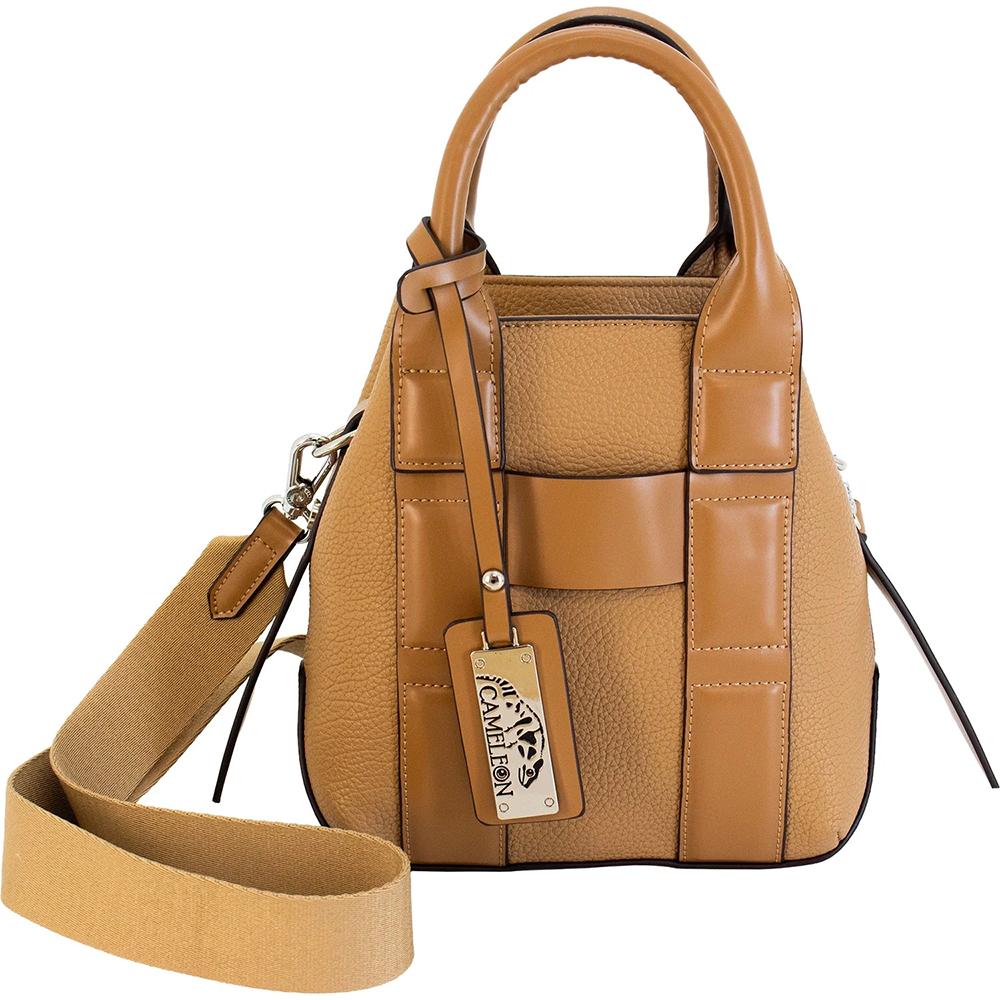
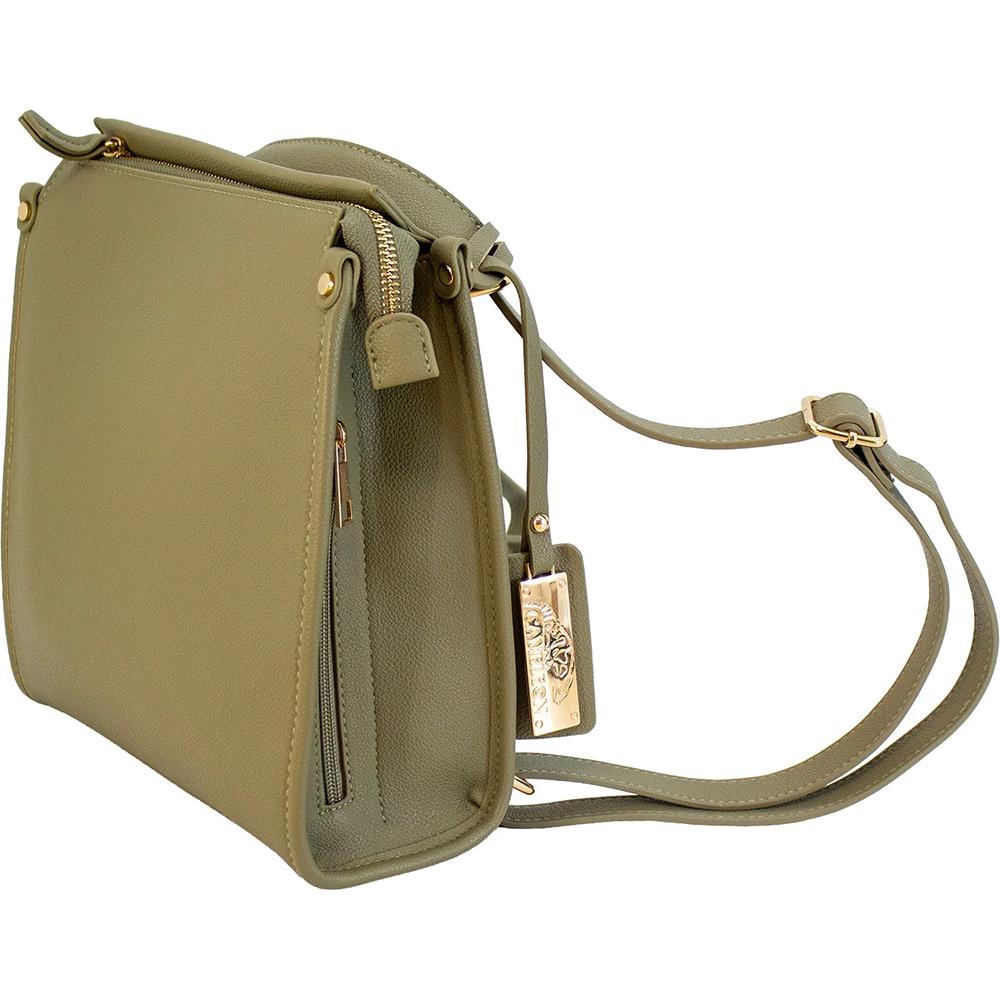
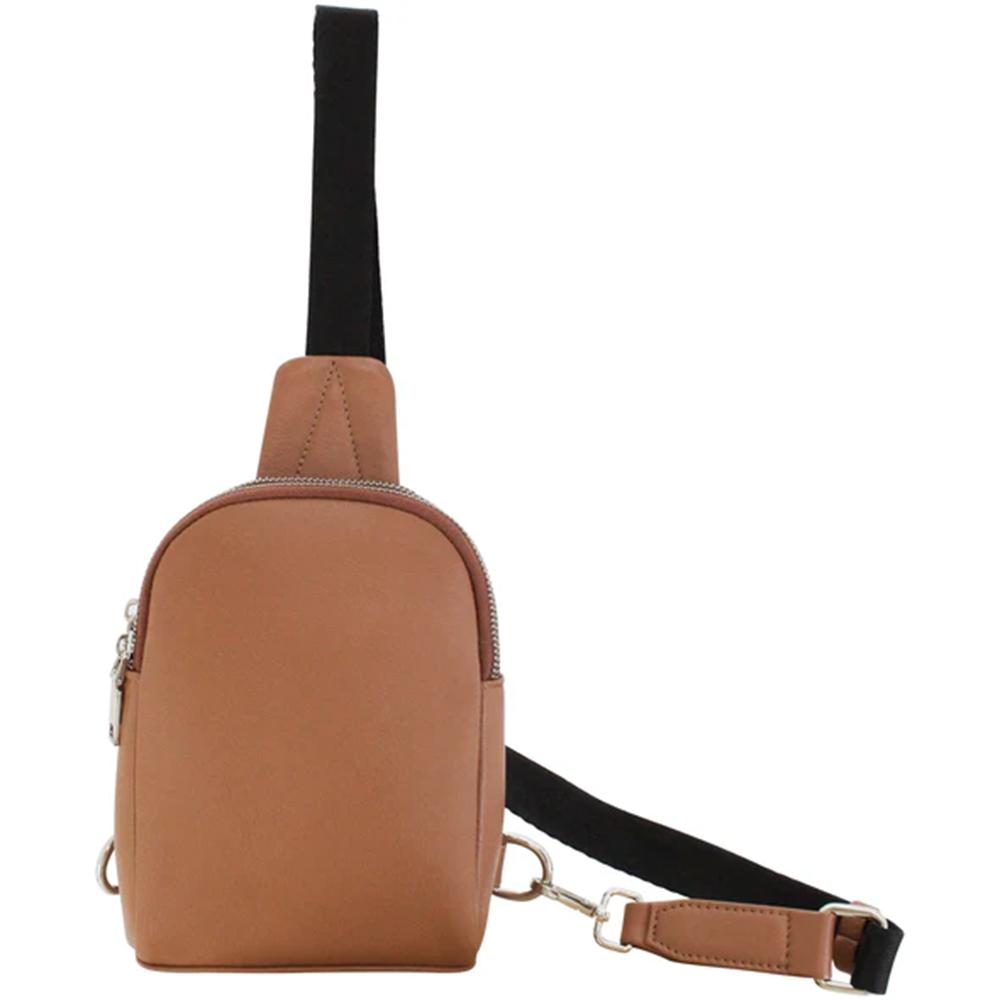

Military spouses live with a set of constraints most civilian gun owners never have to plan around. Deployments shift household roles overnight. Frequent moves disrupt routines, storage solutions, and even what carry laws apply. Add the reality that many service members work around firearms daily, and you get a common pattern: guns are “around,” but structured, hands-on training for the spouse often lags behind.
The Meritorious Foundation is addressing that gap with a new program called Ready, Aim, Empower, designed to introduce military spouses to firearms in a controlled, instructor-led environment. The stated goal is simple and practical: take someone at the beginning of the learning curve and build safe handling, foundational marksmanship, and enough familiarity to make good decisions about ownership, home defense, and concealed carry.
For BLVista readers, the program is also a useful case study in what “good first training” looks like and what to watch for when you choose a class, instructor, or first firearm. The right program reduces risk, prevents bad habits, and helps you spend money once instead of buying, selling, and replacing gear you never learned to run well.
Why a spouse-focused program matters in the real world
Many military spouses have plenty of exposure to firearms culture but limited direct reps. That matters because safe gun handling and competence are built through structured repetition, not proximity. In home defense terms, a firearm that sits in a safe is not a plan. A plan is knowing where the gun is stored, how it is carried or staged, how to load and unload it safely, how to verify condition, and how to operate it under stress without shortcuts.
Military life adds specific stressors that influence training value:
- Time compression: A spouse may have a narrow window before a move, deployment, or training cycle. A well-designed curriculum gets fundamentals right early.
- Location changes: Range access, local concealed carry requirements, and transport rules vary by state and sometimes by county.
- Household continuity: When one partner is away, the at-home spouse becomes the default decision-maker for security, storage, and emergency response.
Try-before-you-buy is more than a perk
Ready, Aim, Empower is supported by a mix of major firearm and gear manufacturers. The headline benefit is “try before you buy,” which sounds like a nice extra until you look at how often new shooters end up with the wrong setup.
Hands-on exposure matters because early purchase choices are usually driven by hearsay, aesthetics, or what a partner already owns. A structured event that puts multiple options in someone’s hands, under supervision, makes it easier to answer the questions that actually decide outcomes:
- Can you reach controls consistently? Magazine release, slide stop, safety or decocker (if present), and trigger reach.
- Can you rack the slide safely? Technique and grip texture matter, but so do recoil spring weights and slide serrations.
- Do you shoot it well at practical distances? Think 3 to 15 yards, with accountability for hits, not just noise.
- Can you run it for multiple strings? A gun that is tolerable for one magazine may be a problem over a full class.
This approach also reduces buyer regret. When you can compare pistols, optics, and support gear side-by-side, you start building a personal reference library. That is how you make durable decisions across a long ownership lifecycle.
What a strong “first firearms class” should cover
According to the program outline, participants receive small-group instruction that includes safety training, gun handling, live-fire drills, range etiquette, and basic maintenance. Those are the right pillars. Here is what each one should look like in a class that actually prepares someone for concealed carry or home defense.
1) Safety that translates beyond the range
Safety instruction should be more than reciting rules. A useful course forces safe behavior to become automatic through procedure:
- How to safely pick up, set down, and hand off a firearm.
- How to verify clear status with both visual and physical checks.
- How to manage muzzle direction while moving, turning, and interacting with others.
- How to load and unload without “chasing” dropped ammo or turning with the gun.
For military families, safety also includes home storage. The best entry programs discuss how you actually live: kids, visitors, travel days, and the reality that you might be exhausted. Quick-access safes, lockboxes for transport, and a consistent “gun goes here” routine do more for safety than any gadget.
2) Fundamentals that survive stress
Beginner marksmanship should focus on repeatable mechanics:
- Grip: high, consistent, with both hands contributing.
- Stance: balanced and athletic, not locked out.
- Sights and dot use: understanding what “acceptable sight picture” means at defensive distances.
- Trigger control: straight to the rear, with minimal disturbance to the sights.
In real use, accuracy is the product of consistent inputs, not intensity. A clean trigger press and stable grip are what keep hits on demand, especially when recoil and noise are new.
3) Handling skills that prevent common early failures
Most new shooters struggle with the same set of issues: failures to feed caused by limp wristing, poor magazine loading technique, inconsistent grip, and confusion around slide lock and reloads. A good instructor identifies these patterns quickly and gives a simple corrective drill.
Look for training that includes:
- Emergency reloads and administrative reloads: both matter, and they are not the same.
- Clearing common stoppages: at least tap-rack assessment for semi-autos, plus safety handling throughout.
- Drawing and holster work: only if the facility and instructor standards support it, and only after safe gun handling is consistent.
4) Range etiquette and culture, explained plainly
People skip training because they do not want to feel out of place. A spouse-focused program can remove friction by stating expectations clearly: when to step to the line, when to handle firearms, how to ask for help, and how to communicate ceasefires. This is practical safety and community-building at the same time.
5) Maintenance that matches real ownership
Maintenance instruction should avoid two extremes: “clean after every magazine” and “never clean it.” The better approach is teaching:
- Field strip basics, with emphasis on safe condition checks first.
- Where to lubricate and where not to.
- How to inspect magazines, springs, and wear points.
- How to store firearms for humidity and corrosion control, especially with coastal moves.
For long-term reliability, magazines and ammo management are part of maintenance. Mark your magazines, rotate carry ammo periodically, and avoid mystery reloads from unknown sources.
Concealed carry: training is only one part of compliance
The program notes that completing the course can qualify participants for a concealed carry permit. That is an important milestone, but permit eligibility and real-world readiness are different categories.
Military families should plan around the compliance details that come with frequent relocations:
- State-to-state differences: reciprocity, prohibited locations, duty to inform, and vehicle transport rules vary widely.
- Timeline risk: permit processing times can extend past PCS dates.
- Where you can carry on and near installations: base policies and federal restrictions can change how you store and transport even if your state is permissive.
A simple checklist helps keep decisions clean:
- Confirm your current state laws and any local restrictions.
- Confirm installation policy if applicable.
- Choose a carry method you will actually use daily.
- Validate concealment and access with normal clothing, not “range clothes.”
- Schedule ongoing practice that fits your real calendar.
Gear selection frameworks for new shooters
Ready, Aim, Empower emphasizes structured entry and confidence-building. That should extend to gear decisions. New shooters benefit from a framework that prioritizes reliability and fit over trends.
The “3 Fit Points” for a first defensive pistol
- Hand fit: you can reach the trigger and controls without shifting your grip.
- Recoil fit: you can keep the sights or dot tracked through recoil for multiple strings.
- Life fit: you can carry it or stage it safely in your actual routine, including storage.
Optics and accessories: add only what supports training
Industry partners often mean exposure to dots, lights, and training aids. That can be a benefit if the additions are matched to a training plan.
- Red dots: excellent for many shooters, but only if you commit to presentation practice and confirm zero. A dot does not replace fundamentals.
- Weapon lights: valuable for home defense, paired with realistic low-light training and clear rules for identification.
- Dry-fire tools: useful if you follow a safe, repeatable process and log reps. Consistency matters more than intensity.
For new owners, prioritize: a reliable handgun, quality magazines, proven defensive ammunition, a safe storage solution, eye and ear protection, and a holster that covers the trigger guard and stays open for reholstering.
Community is a performance multiplier
One of the strongest outcomes of spouse-oriented training is community: instructors who become trusted references, peers who normalize learning, and an environment that reduces intimidation. That keeps people practicing, and practice sustains safe performance.
For those who want to keep progressing, competition leagues such as IDPA or USPSA can be a practical path. You get structured stages, accountability for hits, and frequent repetitions around safe gun handling. Treat it as training under time pressure, not a gear race.
What to do after the course: a maintenance plan for skill
Shooting skill fades when you do not touch the gun for months. A workable plan is simple:
- Dry practice: 10 minutes, 2 to 3 times per week, focused on grip, presentation, and trigger press. Follow a strict unload and verification routine.
- Range time: once per month if possible. Confirm fundamentals and run a small set of drills you can repeat and track.
- Quarterly check: inspect magazines, replace batteries in optics or lights on schedule, and review storage and access procedures.
For military families, build this around the calendar you actually have. Consistency beats occasional long range days, and a simple plan survives moves.
FAQ
Ready, Aim, Empower is a firearms training program designed to give military spouses a safe, instructor-led introduction to gun safety, handling, and live-fire fundamentals, with a path toward concealed carry qualification where applicable.
A concealed carry class can meet legal requirements and cover fundamentals, but safe daily carry also requires ongoing practice, a quality holster, safe storage, and familiarity with your state laws and prohibited locations. Plan for dry practice and regular range sessions after the course.
Pick a handgun that fits your hand, that you can control for multiple strings of fire, and that fits your lifestyle for safe storage and carry. Confirm you can reach controls, rack the slide, load magazines, and shoot accurately at 3 to 15 yards under instruction.
Bring reliable eye and ear protection, a brimmed hat if allowed, closed-toe shoes, and a way to carry spare magazines if the class requires it. For ownership, prioritize a reliable firearm, quality magazines, proven ammunition, and a quick-access safe or lockbox that supports your home setup.
Two to three short dry-fire sessions per week and one range trip per month is a practical baseline. Track a few repeatable drills, confirm safe gun handling every session, and adjust the plan around your schedule so it stays consistent during moves or deployments.
Concealed carry reciprocity, transport rules, magazine restrictions, and prohibited locations vary by state. Before a move, confirm the new state’s requirements, permit timelines, and any installation policies that affect storage and transport. Keep documentation organized and avoid assumptions based on your previous duty station.
Was this useful?