
Brief
Why a Tool Bag Makes a Better Range Bag Than Most “Gun” Bags: CLC 25-Pocket Tool Bag Review
Reviewing the CLC 25-Pocket Tool Bag as a discreet range bag. Magazine storage, tool organization, medical placement, durability, and transport considerations.
Shop this at BLVista
That is why tool bags keep showing up on firing lines. They are built for trades, which means they are designed around heavy loads, quick access, and practical organization. The CLC 25-Pocket Tool Bag is one of the better examples because it combines an open-top tote layout with enough pocket structure to keep magazines, tools, and consumables from turning into a rattling mess.
Note: We are not compensated for this review, its meant to give you some ideas that are outside the box.
What matters in a range bag, and why tool bags often get it right
A good range bag has a short list of priorities:
- Organization that matches how you shoot, especially for magazines, ammo, eye and ear pro, and maintenance items.
- Fast access on the bench without dumping everything out to find one tool.
- Durability under real abuse: concrete benches, gravel parking lots, oily rags, and sharp metal edges.
- Carry comfort when the bag is heavy, because loaded magazines, ammo, and steel tools add up fast.
- Discreet transport for people who prefer a low-profile approach at public ranges, in shared vehicles, and in apartments.
The CLC 25-Pocket Tool Bag checks these boxes in a straightforward way. It gives you many pockets, a roomy main compartment, and a rigid open top that keeps the bag standing. That open-top structure matters more than people think. At the range, it means you can see what you have, grab what you need, and get back to shooting or training without digging.
Magazine carry: the real test of “pockets”
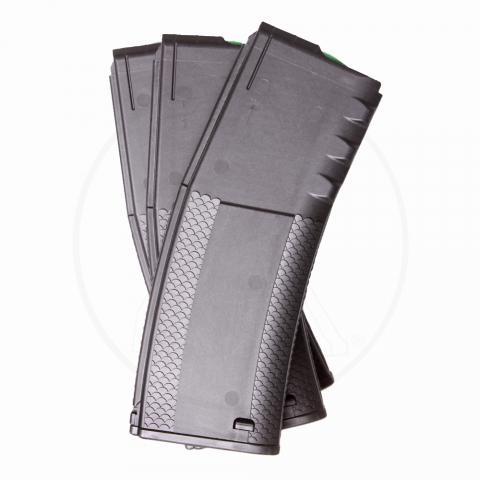
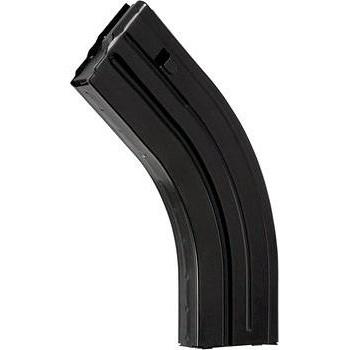
Many bags claim magazine organization and then provide floppy sleeves that let mags fall sideways. With the CLC, several interior pockets hold common pistol magazines and AR-15 magazines upright. For most shooters, upright storage is the goal because it makes round count management and reload staging easier. You can count magazines at a glance, keep different loads separated, and avoid the clatter that happens when everything migrates to the bottom.
A practical way to set it up:
- Dedicate one side to pistol mags and the other to rifle mags.
- Use one pocket row for training mags and another for carry or duty ammo mags so they never mix.
- Keep shot timer, staple gun, pasters in predictable outer pockets so you do not waste range time searching.
Tools and maintenance gear: why this bag shines on the firing line
Range time has a way of exposing small issues: optics mounts loosening, screws backing out, an extractor needing attention, a stuck case, or a light that dies. A bag that supports a real range tool kit keeps you shooting instead of packing up early.
A realistic loadout for this style of bag looks like:
- Cleaning basics: caliber-specific bore snake, nylon brush, small bottle of CLP, rag, and a few cotton swabs.
- Field repair tools: compact punch set, small hammer, needle-nose pliers, adjustable wrench.
- AR-focused tools (if you run carbines): multi-tool and an armorer’s wrench.
- Small parts: spare batteries for optics and ear pro, small roll of tape, zip ties, and a couple spare fasteners for mounts.
Tool bags are designed so those items stay separated and accessible. The open top makes it easy to put the bag on the bench and work out of it like a portable workstation. For training days, that matters as much as raw capacity.
Medical storage: plan for it like you plan for ammo
A range bag should always have a place for medical gear. The CLC’s exterior pocket with a flap works well for a compact trauma kit because it keeps items protected yet reachable. The key is consistency. Put your medical kit in the same location every time so you can find it under stress.
Practical guidelines for a range medical setup:
- Use a dedicated pouch inside the pocket so it can be pulled as a unit.
- Focus on range-relevant items: tourniquet, pressure dressing, gauze, chest seals if you train around steel and barricades, gloves.
- Keep it separate from tools to avoid contamination from oil, solvents, and grit.
Will it fit a firearm? Understanding the use case and the legal reality
The main compartment is large enough for compact setups when the firearm is broken down or configured for short overall length. Many users set it up for a broken-down AR-15, a compact AR pistol, or an SBR where lawful, especially if the platform uses a folding stock adapter. From a purely practical standpoint, that gives you one bag that carries the gun, magazines, and the tool kit to keep it running.
Two points matter here:
- Compliance and transport laws vary. Know your state and local rules for firearm transport, loaded magazine rules, and whether a locked container is required in your context.
- Trigger protection and muzzle discipline still apply even inside a bag. A compact firearm inside a general-purpose tote should be in an appropriate case or have a setup that prevents foreign objects from entering the trigger guard.
As a low-profile option, a tool bag draws less attention than a rifle-branded case. For many owners, discretion is a real safety and privacy factor during storage, travel, and routine range trips.
Durability and carry comfort: what to look for over a year of use
Range bags fail in predictable ways: stitching gives out at the handles, the bottom wears through, zippers die, and the bag collapses into a heap when loaded. The CLC’s tote design avoids zipper failure for the main compartment and relies on a reinforced structure to stay upright. Padded handles and a shoulder strap matter because a fully loaded range bag gets heavy quickly. You feel the difference on longer walks from the parking lot, especially at outdoor ranges where you may carry targets and stands too.
Before you commit to any bag, run this quick durability checklist:
- Bottom construction: reinforced, abrasion-resistant, and stiff enough to keep the bag off wet ground.
- Handle stitching: multiple stitch lines and reinforcement where straps meet the body.
- Pocket structure: pockets that keep shape when loaded so magazines do not slump.
- Material tolerance: ability to handle oil, carbon, and dust without falling apart.
Tradeoffs vs purpose-built range bags
A tool bag approach comes with tradeoffs that are worth stating clearly:
- Less padding than some firearm-specific bags. If you transport optics-heavy rifles or want drop protection, you may prefer a dedicated case for the gun and use the tool bag for support gear.
- Open-top access is great on the bench, but it also means you need a plan for rain, dust, and vehicle transport. A simple approach is a lightweight cover, or placing the bag inside a larger duffel for travel days.
- Organization is on you. The pockets are plentiful, but you will get the best results by assigning zones and sticking to them.
For many shooters, the best setup is a two-part system: a dedicated firearm case for the gun and optics, plus a tool bag for magazines, ammo, tools, targets, and medical. If you prefer one-bag carry and your firearm configuration supports compact storage, the CLC can do that job too, as long as you keep compliance and safe handling in mind.
Ownership lifecycle: keeping a range bag useful long-term
A range bag lives a hard life. A few habits keep it serviceable:
- Quarterly clean-out: remove loose rounds, trash, and worn batteries. Confirm your torque tools and bits are still in the bag.
- Solvent discipline: keep CLP and cleaners in sealed containers or small zip bags to avoid soaking fabric and attracting grit.
- Rust prevention: tools stored with oily rags can trap moisture. Wipe tools down and keep a small desiccant pack in the bag if you shoot in humid environments.
- Inventory before training classes: confirm you have eye and ear pro, spare batteries, medical, and the tools that match your weapon system.
Bottom line
The CLC 25-Pocket Tool Bag works as a range bag because it is designed for real work. It carries weight, stays organized, and gives quick access on the bench. It also stays low-profile, which many gun owners prefer for routine transport and storage. If your priority is practical performance and long-term durability, a tool bag like this often makes more sense than a firearm-branded alternative.
FAQ
Yes. The interior pockets hold AR-15 magazines upright, which keeps them secure, easy to count, and faster to access during training. It also reduces rattling and prevents magazines from piling at the bottom of the main compartment.
It depends on your local firearm transport laws and your safety setup. Many owners use a tool bag for discreet transport, but you should use appropriate trigger protection and follow your state rules for loaded magazines, locked containers, and vehicle carry requirements.
Start with a bore snake, small bottle of CLP, nylon brush, rag, compact punch set, small hammer, pliers, and the driver bits or wrenches that match your optic mount and accessories. If you run AR platforms, add an armorer’s wrench and a multi-tool.
Put it in an exterior pocket or a dedicated spot that stays the same every trip. Store it in a pull-out pouch so you can grab the entire kit quickly. Keep it separate from solvents and tools to avoid contamination.
Assign zones: magazines on one side, ammo and consumables in the main compartment, tools in specific pockets, and medical in a dedicated external pocket. Keep the layout consistent so you can find items quickly during live-fire training.
Most tool bags provide less padding than dedicated firearm bags and the open-top design can expose contents to dust or rain. Many shooters solve this by using a separate firearm case for the gun and using the tool bag for magazines, tools, targets, and medical.
Was this useful?