
Brief
Flow-Through vs. Baffle Suppressors: What Actually Changes on the Gun
Compare flow-through and baffle suppressors for AR-15s and hunting rifles. Learn how backpressure affects reliability, blowback, sound, flash, and maintenance.
Shop this at BLVista
Start here
Suppressor Buying Guide
Read the guideUse this as the parent page for suppressor buyers who need one durable answer instead of chasing isolated product takes and regulatory headlines.
Use the evergreen guide first, then come back to this article for the narrower case or product angle.
Suppressors used to be a straightforward choice: pick a baffle can, match the caliber rating, and accept the usual tradeoffs like added backpressure, extra gas at the ejection port, and more tuning on semi-autos. Flow-through suppressors changed that decision tree by prioritizing how gas exits the system instead of how long it can be trapped.
If you shoot AR-pattern rifles, suppressed carbines, or any platform that gets unpleasant when backpressure rises, flow-through designs can feel like a different category of tool. The key is understanding what you gain, what you give up, and where the cost makes sense across a full ownership cycle.
How baffle suppressors change the gun
Traditional baffle suppressors reduce sound by forcing high-pressure gas through a series of baffles where it expands, slows, and cools before leaving the muzzle. That works, but the gas has to go somewhere while pressure is still high. On semi-auto rifles, a meaningful portion of that pressure ends up feeding back into the action.
In real use, that shows up as:
- More backpressure which drives higher bolt speed and can increase wear over time if the rifle is already gassed hard.
- More gas at the ejection port which can sting eyes, irritate breathing, and coat the receiver with carbon faster.
- More tuning and parts swapping on ARs, including adjustable gas blocks, different buffers/springs, and gas-busting charging handles.
None of that makes a baffle suppressor a poor choice. Many are extremely quiet and durable. It just means baffle cans often push you toward a system approach rather than a single purchase.
What “flow-through” really means
Flow-through suppressors manage gas differently. Instead of repeatedly slamming gas into baffles, they route it through internal channels and chambers that act more like a controlled pathway. Gas still slows and cools, but the design focuses on moving it forward and out rather than trapping it and letting pressure stack.
Many flow-through cans use advanced manufacturing like additive processes to create complex internal geometry that would be difficult or expensive to machine. That internal maze is the whole point: keep suppression performance while reducing the pressure penalty to the host firearm.
Benefits that matter on the range and in training
Less blowback, less shooter fatigue
The first benefit most shooters notice is reduced gas to the face, especially on AR-15s and other semi-auto rifles. During longer strings, that becomes more than comfort. It affects how well you can keep your eyes open, track sights, and stay focused through drills. If you train suppressed often, it also reduces your routine exposure to combustion byproducts around your breathing zone.
More predictable reliability on over-gassed carbines
Flow-through suppressors tend to keep the operating cycle closer to unsuppressed behavior. That matters for rifles that are already gassed for adverse conditions or cheap ammo. Less added backpressure usually means fewer surprises like aggressive ejection patterns, extractor stress, and accelerated parts wear.
Less need for tuning and dedicated setups
Many shooters end up building “suppressed” and “unsuppressed” configurations because a traditional can changes the rifle. Flow-through designs reduce that pressure to specialize. For some owners, that is the deciding factor because it lowers the total cost of ownership in time, parts, and troubleshooting, even if the suppressor costs more upfront.
Platform compatibility where backpressure is a known problem
Some rifles and operating systems respond poorly to added backpressure. Flow-through cans often make suppressed shooting more manageable on platforms that are blowback-sensitive or hard to tune. If you have a rifle that runs hot, dirty, and fast with a conventional suppressor, a flow-through option can be a practical compliance-friendly way to add suppression without turning the gun into a project.
Tradeoffs you need to plan around
Sound at the muzzle can be higher
Flow-through suppressors can meter slightly louder at the muzzle because more gas is directed forward. Shooter perception may be similar depending on caliber and environment, but observers and shot-to-shot signature downrange can differ. If your priority is the lowest possible muzzle sound for a given length and caliber, strong baffle designs still belong at the top of the list.
Decision tip: if your suppressed use is mostly on public ranges or training bays where the shooter experience matters most, the difference may not be decisive. If your use includes hunting where sound signature in open terrain is a bigger consideration, weigh muzzle performance more heavily.
Flash performance varies by model and setup
Because flow-through designs move gas out the front more efficiently, some models can show more visible flash at the muzzle compared to a traditional can. Ammunition choice, barrel length, and firing schedule all influence this. If you shoot short barrels, low light, or use nods, put flash reduction higher on your evaluation list and look for designs and end caps that prioritize flash control.
Maintenance can be more limited
Many flow-through suppressors are sealed. That simplifies construction but limits how you clean them. Instead of pulling baffles and scrubbing, you are usually looking at soaking methods and blast-out routines. The internal passages can hold carbon in places you cannot reach.
Practical ownership guidance:
- Know your cleaning options before you buy. Confirm what solvents are safe for the material and finish.
- Plan a round-count based maintenance schedule. Flow-through does not mean maintenance-free, especially on rimfire or dirty centerfire loads.
- Think about warranty and repairability. Sealed cans place more importance on the manufacturer’s service policies.
Repairability and lifecycle risk
With complex internals and sealed construction, repair options vary widely. Some manufacturers can service or rebuild certain components, while others treat major damage as end-of-life. Since suppressors are regulated items with compliance considerations and transfer limitations, “replace it later” is not a casual plan. Evaluate durability, mount integrity, and manufacturer support as part of purchase risk management.
Subsonic cycling on gas-dependent setups
A real-world pitfall: some setups rely on suppressor backpressure to run reliably, especially when shooting subsonic .300 Blackout in semi-auto platforms. If the rifle is tuned around a conventional suppressor, moving to flow-through can reduce the extra gas that helps cycle the action. That can lead to short-stroking.
Checklist before committing a flow-through can to a subsonic-focused rifle:
- Confirm the rifle cycles subs unsuppressed or has a known subsonic-friendly gas system.
- Consider an adjustable gas block or a dedicated subsonic upper if the mission demands it.
- Test with your actual magazine, ammo lot, and firing cadence.
Cost and mounts
Flow-through suppressors often cost more due to manufacturing complexity and materials. Also factor in mounting systems, muzzle devices, and compatibility with your existing ecosystem. A cheaper suppressor becomes expensive if it forces you to replace mounts across multiple rifles.
How to choose: a practical decision framework
Use this quick framework to match design to use case.
Choose flow-through when:
- You shoot a semi-auto rifle in supersonic calibers and want minimal tuning.
- You train high round counts and want less ejection port gas and heat.
- You own rifles that run harsh with conventional suppressors and you want to preserve reliability and parts life.
Choose a traditional baffle suppressor when:
- Your priority is maximum sound suppression at the muzzle.
- You run bolt-actions, lever-actions, or other manually operated guns where blowback is minimal.
- You want user-serviceability, especially for rimfire use, or you prefer designs with easy cleaning access.
Compatibility, storage, and compliance basics
Suppressor ownership includes more than performance. Consider:
- Mount security and thread standards: Confirm thread pitch, shoulder engagement, and alignment. Use a quality alignment rod when changing host platforms.
- Heat management: Flow-through or baffle, suppressors get hot fast. Use proper gloves or covers rated for your firing schedule, and avoid storing hot cans in soft cases.
- Transport and storage: Store dry, control corrosion risk, and keep the suppressor secured according to your local legal environment. Maintain clear records for regulated items.
- Ammunition reality: Some powders run dirtier. Your maintenance schedule should match what you actually shoot.
Bottom line
Flow-through suppressors change suppressed shooting by reducing the pressure penalty to the firearm. For semi-auto rifles, that can mean less gas in your face, less tuning, and more consistent reliability across hosts. The tradeoffs are usually cost, potential differences in muzzle sound and flash, and limited cleaning access depending on the model.
If you shoot suppressed often on AR-pattern rifles and value reliability and comfort over chasing the lowest possible decibel number, flow-through is worth a hard look. If your use leans toward bolt guns, hunting rigs, or subsonic cycling where backpressure helps, a traditional baffle suppressor still makes practical sense.
Related reading
For the broader picture, start with Suppressor Buying Guide.
- Suppressor Buying Guide – Use this as the parent page for suppressor buyers who need one durable answer instead of chasing isolated product takes and regulatory headlines.
- Ambient-Intake Suppressors: Cooler Cans, Clearer Glass, Better Real-World Pace
- Canik Void Suppressors: What the Line Offers and How to Choose the Right Can
- Do You Still Need Hearing Protection with a Suppressor? Practical Guidelines for Real Range and Field Use
Shop related gear
- Suppressors & Accessories – Browse mounts, muzzle devices, adapters, and other can-support gear.
- Ear Muffs – Keep hearing protection in the plan, especially for indoor lanes and higher-pressure setups.
- Barrels – Match thread pattern, barrel length, and host use before you commit to a suppressor setup.
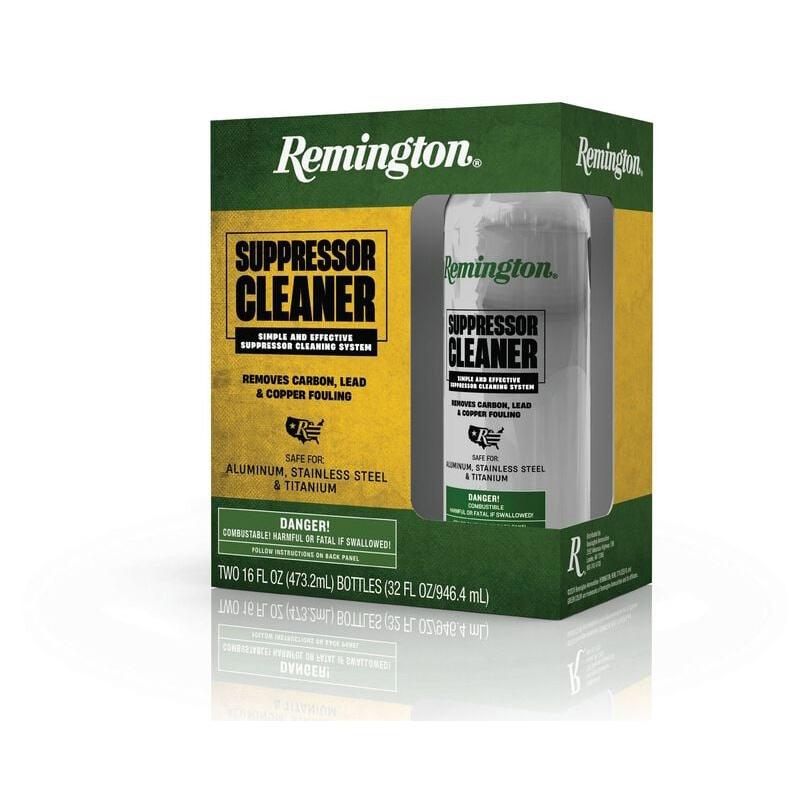
- Tetra Gun Suppressor Cleaner Bath – A straightforward option for cleaning intervals when your setup runs dirty.
FAQ
A flow-through suppressor routes gas through internal channels and chambers that push pressure forward and out the front. It still reduces sound, but it aims to minimize backpressure and ejection port blowback on semi-auto firearms.
Many flow-through suppressors are close in overall suppression, but they can be slightly louder at the muzzle depending on caliber and barrel length. If your top priority is the lowest muzzle sound signature, compare test data for the exact model and host platform.
Yes. Reduced backpressure typically means less gas and particulate coming out of the ejection port, which improves comfort during training and helps keep your shooting vision clearer through longer strings.
Many shooters do not. Flow-through designs often run closer to unsuppressed behavior on 5.56 AR-15s, which reduces the need for tuning. If you run a very short barrel, a specialized gas system, or have reliability issues with your ammo, adjustability can still help.
It depends on the rifle’s gas system and the specific ammunition. Some .300 BLK setups rely on suppressor backpressure to cycle subsonics. A flow-through suppressor may reduce that extra gas and cause short-stroking unless the rifle is tuned for subs.
Cleaning usually relies on approved soaking methods and flushing, followed by drying and corrosion prevention. Because many flow-through cans cannot be disassembled, confirm manufacturer guidance on solvents, ultrasonic use, and round-count maintenance intervals.
They can be, especially on semi-auto hunting rifles where reliability and reduced blowback matter. If you prioritize minimal muzzle sound and flash in open terrain, compare specific models and consider barrel length, ammo selection, and flash control features.
Confirm your state and local legality, the suppressor’s caliber rating, barrel length restrictions, mounting system compatibility, and alignment on each host. Plan for safe storage, transport practices, and a maintenance routine that matches your round count and environment.
Was this useful?