
Brief
Smith & Wesson 617 Mountain Gun Review: A Premium .22LR Revolver With Real-World Caveats
A practical review of the S&W 617 Mountain Gun .22LR revolver. Real-world accuracy, light strike reliability, maintenance, accessories, and what to inspect...
Shop this at BLVista
Rimfire prices still beat centerfire by a wide margin, which is why serious shooters keep at least one .22 LR in the rotation. The appeal of the Smith & Wesson 617 Mountain Gun is straightforward: it aims at “heirloom-grade” fit and finish while feeding on cheap ammo for training, trail use, and high-volume range time. That mix can make sense, but only if the gun runs like a tool and not like a display piece.
This review breaks down how the 617 Mountain Gun is set up, what matters in actual use, and what to check before you decide to pay premium revolver money for a rimfire.
Smith & Wesson 617 Mountain Gun: Specs That Matter in the Field
- Caliber: .22 LR
- Action: Single-action and double-action
- Capacity: 10 rounds
- Barrel: 4.125 inches, tapered profile
- Frame: K-Frame (medium)
- Weight: about 36 ounces
- Sights: gold bead front, adjustable rear
- Construction: stainless steel frame and cylinder
- Included: hard case, cable lock
On paper it reads like a high-capacity trainer and trail revolver. In the hand, the K-Frame size with a tapered barrel is the core of the appeal. Balance influences how quickly you find the front sight, how steady the gun feels during slow fire, and how pleasant it is to carry in a holster for hours.
Why the “Mountain Gun” Concept Works With .22 LR
The original Mountain Gun idea was built around a packable revolver that still handled like a full-size gun. Translating that concept into .22 LR changes the mission. You lose the big-bore “do everything” power, but you gain a platform you can shoot all day without beating up your hands, wallet, or training schedule.
For outdoorsmen, a 10-shot rimfire revolver can cover:
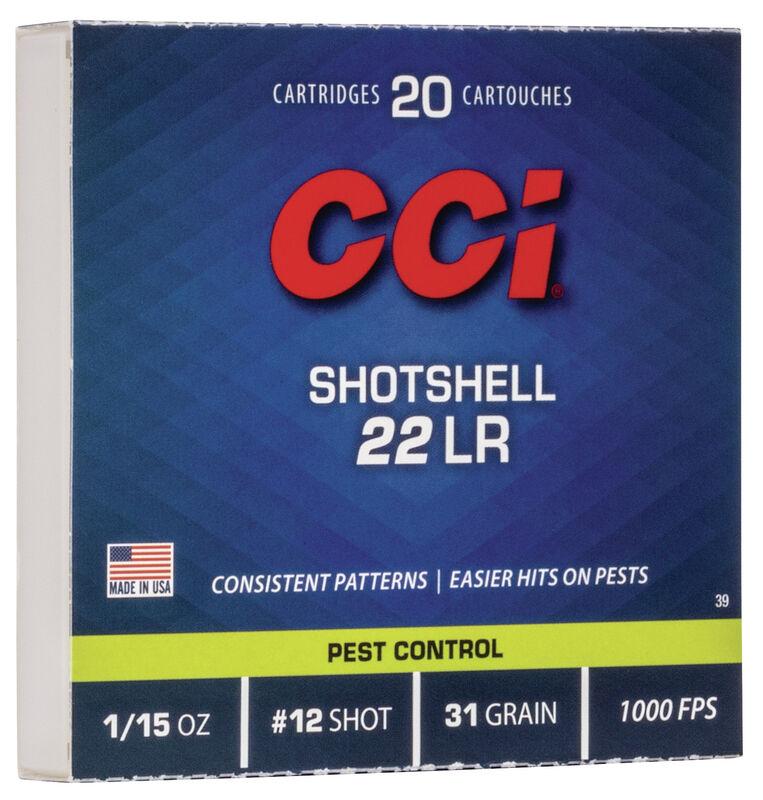
- Camp utility: signaling and small pest control where legal
- Trail carry: a controllable handgun for snakes and small varmints
- Skill maintenance: draw, sight management, trigger control, and reload work on a revolver
- New shooter training: full-size sight radius and grip with minimal recoil
The tradeoff is that rimfire ignition is inherently less forgiving than centerfire. A premium .22 revolver should be built to minimize that weakness, not excuse it.
Range Results: Accuracy and What It Tells You
Across a 500-round session with multiple .22 LR loads, the gun required meaningful sight correction to center impacts. Adjustable sights exist for a reason, but large corrections out of the box are still a useful clue. They can point to a particular gun being slightly off in mechanical alignment, or simply a sight being installed without careful zero verification.
More important than point of aim was group consistency. The pattern here was usable but not confidence-inspiring, with recurring fliers even when shooting deliberately and with support. For a buyer, that matters because the 617 Mountain Gun sits in a price bracket where many shooters expect “known accuracy” with common loads like CCI Mini-Mags or comparable high-velocity 40-grain options.
Practical takeaway for buyers
If your use case is informal steel, plinking, and general training, modest accuracy issues feel like a nuisance. If you want a rimfire revolver for small game, head shots on pests, or tight bullseye work, inconsistent groups become a deciding factor.
Decision checklist: How to evaluate rimfire revolver accuracy
- Ammo sanity check: test at least one quality 40-grain load (CCI Mini-Mag, CCI Standard Velocity, similar) and one match-leaning load if available
- Distance reality: confirm 15 and 25 yard performance, not just 7 yard comfort
- Rested confirmation: shoot at least two 10-shot groups off a stable rest to separate gun behavior from shooter input
- Chamber-to-chamber consistency: if you can, note whether fliers repeat on the same chamber (a clue to chamber throat or crown issues)
Reliability: Light Primer Strikes Are a Real Ownership Problem
Rimfire misfires happen, even with good ammo. What matters is frequency, patterns, and whether the gun shows clear sensitivity to certain brands. In this case, there were repeated failures to ignite, including in both single-action and double-action firing. That points away from a simple “bad batch” explanation and toward an ignition system that may be on the edge of reliable energy delivery.
For a field gun, this is more than an annoyance. If you are carrying a .22 revolver as a practical tool, a click instead of a bang erodes trust quickly. Revolvers do let you pull through to the next chamber, but reliability still drives whether the gun earns carry time.
What commonly causes light strikes in .22 revolvers
- Main spring strain or tuning: reduced-power setups can struggle with rimfire priming compound distribution
- Firing pin protrusion and geometry: rimfire needs consistent crush at the rim
- Headspace and cylinder endshake: stack-up can reduce strike effectiveness
- Ammo rim variation: some bulk loads show inconsistent priming, but a well-set-up revolver should still run most of it
From an ownership standpoint, this is where “premium” needs to show up. If a new revolver needs spring work, factory attention, or selective ammo to be dependable, the buyer should price that risk into the purchase.
Ergonomics and Handling: Where the 617 Mountain Gun Earns Its Name
The strongest argument for this revolver is how it carries and points. The K-Frame size, the tapered barrel, and the overall balance make the gun settle naturally in the hand. That matters during long range sessions and during practical drills where the gun transitions between targets or returns to the sights after the shot.
The included walnut grips (Tyler Gun Works Bear Hug style) contribute to that feel. They provide a full, comfortable purchase and align the gun well for most hands. For wet weather and sweat, smooth wood can get slick, so this is also a realistic consideration for backcountry carry.
Sight setup in real use
The gold bead front and adjustable rear are fast to pick up in good light and suit the classic revolver profile. For hunting or trail use in mixed light, a higher-contrast front sight often performs better, so some buyers will still prefer a fiber optic or a brighter ramp style depending on their eyes and typical environments.
Loading, Extraction, and Chamber Fit: Small Details That Become Big Annoyances
Ten rounds of .22 LR is a lot of tiny cartridges to load one-by-one. A speedloader changes how enjoyable the gun is over a long session, and it also changes how much training value you get when practicing reloads.
Chambers that feel tight on insertion and require extra effort on ejection can show up on stainless rimfire revolvers. Carbon and wax from .22 ammunition builds quickly. When chambers start snug from the factory, routine fouling turns “fine” into “sticky” fast.
Maintenance practices that keep .22 revolvers running
- Chamber brushing: a dedicated .22 chamber brush and solvent after each range day
- Extractor star hygiene: keep debris out from under the star to prevent bind-ups
- Ejector rod check: verify it stays tight per the manufacturer’s guidance
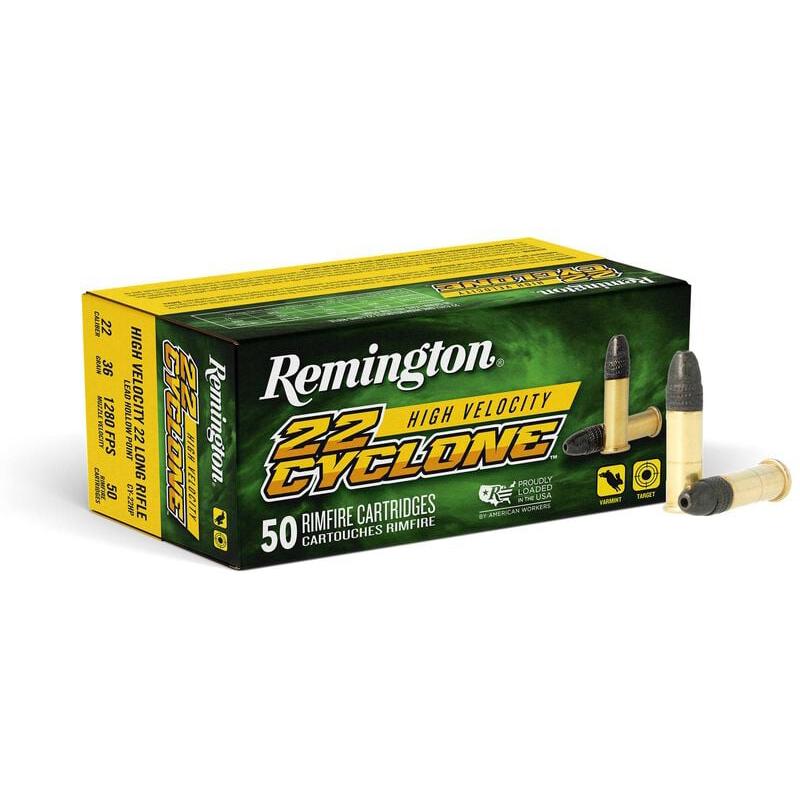
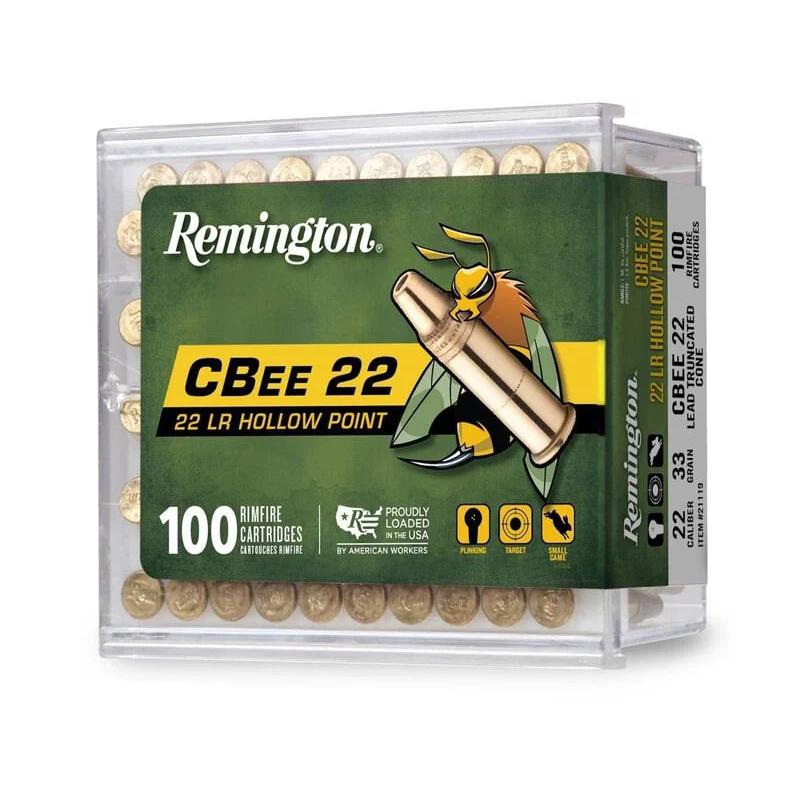
- Ammo selection: waxy bulk ammo can accelerate fouling, so confirm function with your planned training load
Trigger: Good Geometry, Practical Weights
Measured trigger weights landed in the typical serviceable range for a modern double-action revolver, with a double-action pull around 10.7 pounds and single-action around 4.8 pounds. The subjective feel matters as much as the number. A smooth pull without stacking helps you keep sights stable and reduces the tendency to snatch the shot.
For rimfire reliability, many shooters accept a slightly heavier setup if it improves ignition. If you plan on action work, prioritize a gunsmith or parts path that maintains reliable primer strikes with the ammo you actually stockpile.
Accessories That Make Sense for the 617 Mountain Gun
- Speed Beez 10-shot speedloader: reduces load time and keeps practice moving
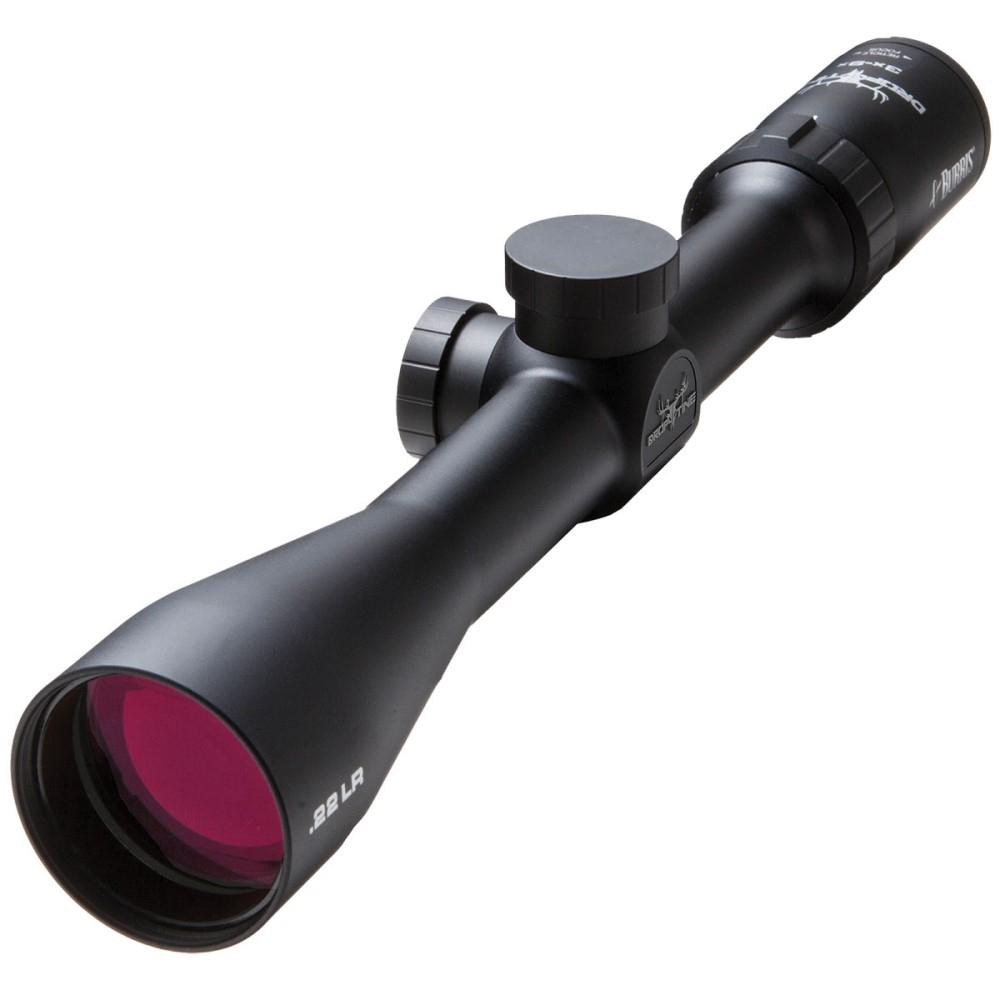
- TK Custom SW Mini STS style optic mount: a practical option if iron sights are slowing you down, especially for aging eyes
- Electronic hearing protection: .22 LR still requires hearing protection during normal shooting
Optics on a rimfire revolver can be a legitimate training tool. It helps diagnose trigger control and grip errors quickly. It also adds bulk, so it makes more sense for range use than for a classic trail carry setup.
Buyer Framework: Who Should Consider the 617 Mountain Gun
This gun fits you if
- You value K-Frame handling and want a 10-shot .22 LR revolver for high-volume shooting
- You want a premium stainless revolver that you will keep for decades
- Your use is mostly range training, steel, and general outdoors carry where a rimfire is appropriate
Think harder if
- You expect consistent 25-yard accuracy across many ammo types without tuning
- You want a rimfire that runs flawlessly on bulk ammunition
- You are paying the premium specifically for “out of the box” performance
Ownership Lifecycle: What to Inspect Before You Commit
When you are shopping a high-dollar rimfire revolver, treat it like a long-term tool purchase. A quick inspection can prevent months of frustration.
- Chamber feel: drop in your preferred ammo and confirm consistent seating across all chambers
- Extraction: dry-run ejection with snap caps if available, then confirm with live fire early
- Sight alignment: verify the rear sight is centered and the gun prints reasonably close at 15 yards
- Ignition test: run at least 200 rounds of two ammo brands, tracking misfires by chamber
- Support plan: know the warranty path and local gunsmith options if light strikes show up
Bottom Line
The Smith & Wesson 617 Mountain Gun is built around a winning idea: a classic-feeling, well-balanced K-Frame revolver that makes .22 LR training and general outdoors use enjoyable. The handling and aesthetics are the easy part to appreciate. The harder part is whether your individual gun delivers the accuracy consistency and rimfire ignition reliability that justify the price.
If you are considering the 617 Mountain Gun, buy with a plan. Confirm chamber fit, test ignition with your chosen ammo, and validate accuracy at 25 yards early in ownership. When it comes together, it can be a long-term keeper. When it does not, you want to know while returns or warranty options are still straightforward.
FAQ
It can be a practical hiking and camping revolver for small pest control and general trail utility where legal. The K-Frame balance and stainless construction suit outdoor carry, but you should verify reliable ignition with your chosen .22 LR load before relying on it.
Rimfire ammunition needs consistent rim crush to ignite, and small changes in spring strength, firing pin protrusion, headspace, or cylinder endshake can reduce strike energy. Ammo rim thickness and priming consistency also vary, which makes rimfire more sensitive than centerfire.
Quality high-velocity and standard-velocity loads from established makers tend to be more consistent than bulk packs. Many shooters start reliability testing with CCI Mini-Mag or CCI Standard Velocity, then confirm function with the bulk ammo they plan to stockpile.
A semi-auto usually offers faster reloads and lighter carry weight, while a revolver offers simple manual of arms and the ability to pull through a misfire. If you train double-action trigger control or want a stainless trail revolver that handles like a centerfire wheelgun, the 10-shot format has real value.
Zero the sights at 15 yards, then shoot multiple 10-shot groups at 25 yards with at least two quality ammo types. Confirm results from a rest. Track fliers by chamber if possible, since a repeat offender can indicate a specific chamber or crown issue.
Yes. Tight chambers can make loading slow and ejection sticky, and .22 fouling builds quickly. If the gun starts tight, it may require more frequent chamber cleaning to keep extraction smooth during long range sessions.
Brush the chambers regularly, clean under the extractor star, keep the cylinder face and forcing cone free of heavy carbon, and confirm the ejector rod stays properly secured. For outdoor storage and transport, keep the gun dry and lightly protected with a corrosion-inhibiting wipe, especially after rain or humidity exposure.
It has the stainless construction, classic configuration, and shootability that suit long-term ownership. For heirloom potential, consistent accuracy and dependable ignition matter most, so early function testing and addressing any issues through warranty or a qualified revolver smith are key steps.
Was this useful?