
Brief
Strike Industries Folding Side Adapter for CZ Scorpion: What Direct-Mount Means, What to Watch
Direct-mount side folder for CZ Scorpion EVO3 and 3+. Learn what matters for lockup, hinge durability, sling QD placement, fit, maintenance, and compliance.
Shop this at BLVista
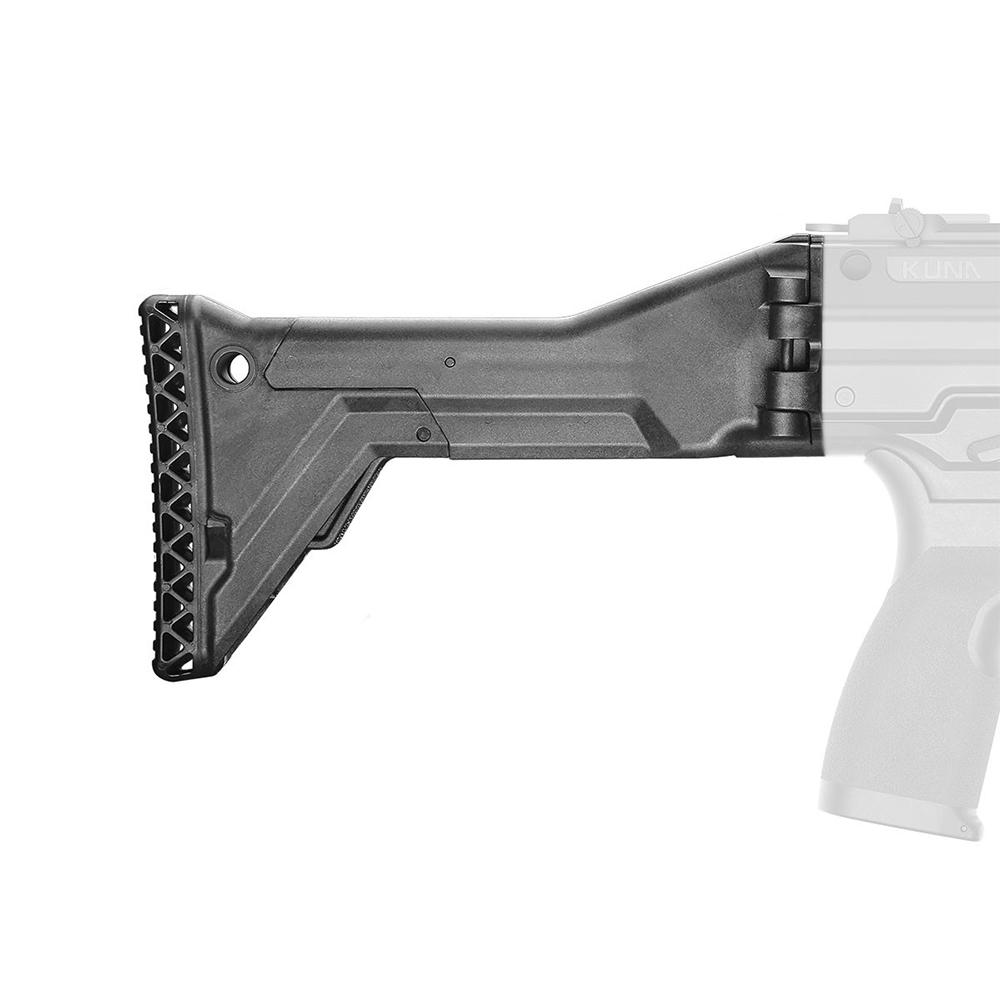
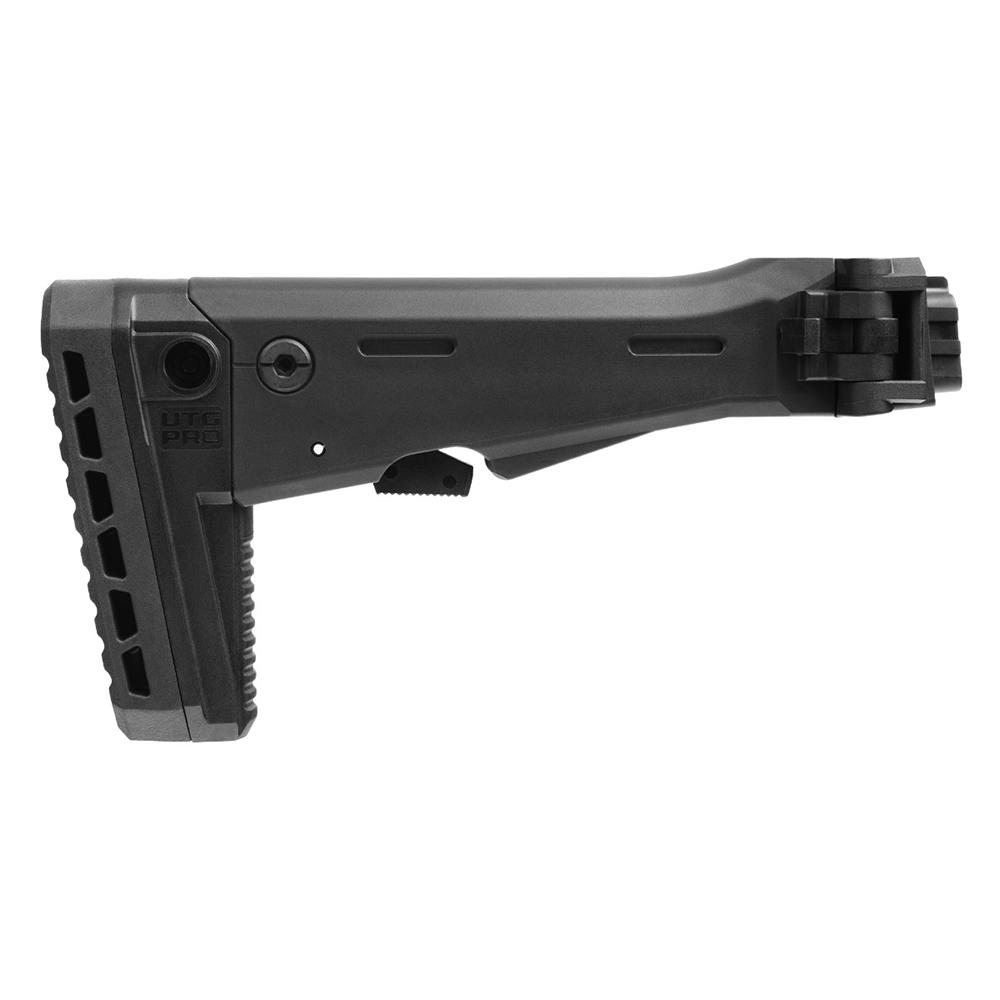
The CZ Scorpion EVO3 and 3+ stay popular for a reason. They are compact, controllable in 9mm, easy to suppress, and they fit real use cases from range drills to truck gun storage. The problem shows up when owners try to set up the rear end the way they want. Many Scorpion pistol and Micro variants do not give you a simple, common Picatinny interface at the rear, so adding a brace or stock often turns into an adapter hunt.
Strike Industries’ new Folding Side Adapter (FSA) for the Scorpion aims at that exact friction point: direct-mount compatibility to the Scorpion receiver, plus folding capability, plus an adjustable length setup. For buyers who are trying to build a reliable, compliant, and usable Scorpion, the mount interface matters as much as the brace or stock itself.
Strike Industries FSA for CZ Scorpion: Specs that drive real-world outcomes
- Compatibility: CZ Scorpion EVO3, 3Plus
- Configurations: Stock, stabilizer
- Material: Metal-reinforced polymer
- Color: Black
- Weight: 12 oz
- MSRP: $99.95 (often listed lower at time of launch)
Why direct-mount matters on a Scorpion
Most rear-end solutions fail in one of three places: the interface, the hinge, or the lockup. A direct-mount design reduces stacked tolerances that come with adapters. Every additional plate, rail section, or conversion block can add movement over time, especially if the gun gets folded and unfolded frequently, transported in a case, or run hard in training.
Direct-mount also simplifies parts compatibility. With the Scorpion, “will it fit” often depends on which generation you have (EVO3 vs 3+), which rear end you started with, and whether the vendor assumes a Pic rail is present. When the brace or stock is purpose-built for the receiver, you eliminate a common buying mistake: purchasing a folding mechanism that needs a specific rear plate you do not have.
Folding side adapter: when folding actually helps
Side folding is not just about storage. In actual use, it solves specific problems:
- Transport and staging: A folded Scorpion rides smaller in a discreet bag, range pack, or vehicle storage, and it is easier to keep the muzzle protected during loading and unloading.
- Suppressor setups: With a can installed, overall length grows quickly. Folding helps keep a suppressed PCC manageable for transport.
- Hunting and field carry: If you use a PCC for pests, ranch work, or as a camp gun, folding reduces snag points when moving through gates, brush, or around equipment.
One tradeoff: folding assemblies add mechanical complexity. If you fold constantly, hinge wear and latch wear become lifecycle concerns. For buyers who mostly store the gun unfolded, a fixed rear solution may provide the simplest long-term durability. If you store folded and train unfolded, the hinge quality and lockup matter more than the folder feature itself.
Adjustable length: fit the shooter, not the brochure
Strike lists an adjustable length of pull. That matters for Scorpions because they are often configured with:
- Optics that change head position: Micro red dots, tall mounts, magnifiers, and irons all shift where your face lands.
- Armor and heavy outerwear: Chest rigs, plate carriers, and winter layers push the gun outward. A fixed length that feels fine in a T-shirt can feel cramped or too long in the cold.
- Multiple users: A shared PCC for family range use benefits from quick fit adjustment.
As a quick decision rule: set length so your eye naturally lands behind the optic with a neutral neck, then confirm you can run the safety, mag release, and charging handle without shifting your grip. If you have to “hunt” for your dot, your length and cheek interface are not tuned.
QD sling socket: useful, but check placement
A built-in QD socket is a practical addition, especially on a compact firearm where sling mounting points get crowded fast. For real-world use, confirm three things:
- Rotation limits: If the QD rotates freely, the sling can twist and load the socket at odd angles.
- Clearance when folded: Some sling setups bind when the gun is folded, or they pull the folder partially open under tension.
- Interference with controls: On a Scorpion, sling hardware can interfere with the charging handle path or your support-hand grip depending on side and placement.
Material choice: metal-reinforced polymer in the durability conversation
Metal-reinforced polymer can be a solid choice when the design puts metal where load concentrates and polymer where it saves weight and handles impact without denting. The key is how the reinforcement is implemented. For folders, the hinge pin area, latch surfaces, and receiver interface need reinforcement that resists elongation and peening over time.
For a Scorpion that sees frequent range days, dry fire practice, and vehicle transport, evaluate the following early:
- Lockup play: A small amount of movement can grow. Check it after the first few sessions and again after a few hundred rounds.
- Latch consistency: The folder should close with a repeatable feel and open without needing to pry or strike it.
- Screw retention: Use appropriate thread locker where the manufacturer specifies, and mark screws with a paint pen so you can see movement at a glance.
Brace vs stock: compliance and build planning
Strike offers the FSA in both stabilizer and stock configurations. Your choice is not just preference. It changes the legal classification of the firearm and how you should plan the build. A stock on a pistol configuration can create an NFA item depending on barrel length and overall configuration. If you are considering an SBR route, plan it before you buy accessories that assume one status or the other.
Practical buyer checklist before ordering:
- Confirm your Scorpion model: EVO3 vs 3+ compatibility and receiver details.
- Decide your end state: Pistol with stabilizing brace, or registered SBR with stock.
- Map your storage and transport needs: Folding solves space, but adds hinge and latch maintenance.
- Plan sling routing: Choose QD points that do not interfere with folding and charging.
- Set maintenance expectations: Inspect hinge, latch, and fasteners as part of your normal cleaning cycle.
Ownership lifecycle: what to inspect and maintain
Folders live a harder life than fixed rear ends. Add these checks to your normal routine:
- After first range session: Recheck fastener torque and latch engagement.
- Every few months of use: Inspect hinge surfaces and latch wear, especially if you fold for every transport.
- After hard impacts: If the gun gets dropped or the folded assembly takes a hit in a bag, check for cracks, looseness, and changes in lockup.
Also consider environmental exposure. If you run the Scorpion in rain, dust, or snow, keep the hinge area clean and lightly lubricated according to the manufacturer’s guidance. Dirt packed into hinge interfaces accelerates wear.
Bottom line for Scorpion owners
A Scorpion-specific, direct-mount side folder can reduce adapter headaches and improve long-term fit if the lockup stays tight. For buyers, the meaningful questions are hinge durability, repeatable lockup, and how the sling mount and length adjustment fit your actual training and transport habits. If you are building a compact PCC that lives in the real world, those details matter more than the feature list.
FAQ
Strike lists compatibility with the CZ Scorpion EVO3 and 3Plus. Confirm your exact model and rear receiver configuration before ordering, especially if you have aftermarket rear plates or prior adapters installed.
The main purpose of this Scorpion-specific FSA is direct-mount compatibility to the CZ Scorpion receiver, which is intended to eliminate the need for a separate Picatinny rail adapter.
A folding brace can make sense for a Scorpion pistol configuration when you want compact storage and an arm-support style setup. A folding stock is typically used on a registered SBR or a carbine configuration. Decide your legal end state first, then choose the configuration that matches it.
Focus on hinge strength, latch durability, and repeatable lockup with minimal play. Check that the folder opens and closes consistently, stays locked during movement, and does not loosen after a few range sessions. Inspect fasteners and hinge surfaces as part of routine maintenance.
Yes, especially for a compact PCC where sling attachment points affect handling and safety. Confirm that the QD placement does not interfere with folding, charging handle operation, or your support-hand grip. Test your sling setup with the firearm folded and unfolded.
Strike lists the unit at about 12 ounces. On a compact 9mm PCC, that can change balance slightly toward the rear, which some shooters prefer for faster transitions and others prefer to avoid for front-end control with a suppressor.
Keep the hinge and latch areas clean, inspect for wear, and verify screw retention. If you fold frequently or transport in dusty or wet conditions, clean debris from the hinge interface and lubricate according to the manufacturer’s guidance to reduce wear.
Was this useful?