
Brief
Mischief Machine CZ-75 Magazine Conversion for Glock 43X/48: A Practical Path to Higher Capacity
Practical review of the Mischief Machine kit that lets a Glock 43X/48 run CZ-75 magazines. Fit, reliability checks, ammo testing, carry impact, cost, and...
Shop this at BLVista
The Glock 43X and 48 earned their following by doing two things well: carrying like a slim single stack while giving most shooters a grip they can actually run fast. With factory 10 round magazines, the platform made sense for concealed carry and training. The market moved quickly, though. Shooters now expect higher capacity in similar footprints, and the 43X/48 has lived in the middle ground between true micro-compacts and thicker double stacks.
There are two broad ways to add capacity to a slim Glock: chase higher capacity magazines built for the gun, or change the gun to accept magazines that already have decades of reliability behind them. Mischief Machine’s approach lands firmly in the second category by converting the Glock 43X/48 to feed from CZ-75 pattern magazines. For buyers who prioritize known magazine geometry, steel bodies, and widespread availability, that premise deserves a closer look.
What the conversion kit actually changes
The Mischief Machine G48/G43X CZ-75 Magazine Conversion Kit is a mechanical reconfiguration of how the pistol retains and positions a magazine. It does not change the slide, barrel, or feed ramp. It changes the interface between the frame and the magazine so the gun can use a CZ-75 magazine catch location and hold the magazine at the correct height and angle for feeding.
The kit is made up of two key parts:
- Replacement magazine release sized and shaped to engage a CZ-75 magazine’s catch cutout.
- Magazine well insert (spacer) that positions the CZ magazine correctly inside the Glock grip, preventing fore-aft play and setting alignment for reliable feeding and drop-free behavior.
Installation is straightforward for anyone comfortable swapping a mag catch. Expect a short job with basic hand tools and careful attention to spring orientation. The insert installs against the rear wall of the mag well and tightens in place with the included wrench. From a maintenance standpoint, the important point is that this is not a temporary range hack. It is a set of parts you should treat like any other carry-related modification: install correctly, confirm function, and periodically inspect for loosening and wear.
Why CZ-75 magazines are the draw
If you have been around pistols for any length of time, you have seen what makes or breaks reliability in the real world. It is usually the magazine. Feed lip geometry, follower design, spring rate, and tube stiffness matter more than most buyers want to admit. CZ-75 magazines have a long service history, are typically steel-bodied, and are widely produced by both CZ and Mec-Gar. That matters for three reasons:
- Dimensional stability: steel tubes resist deformation from hard use, loaded storage, and repeated drop tests on concrete.
- Parts availability: springs, followers, and replacement magazines are common, which supports long-term ownership.
- Proven feeding geometry: the design has been vetted across decades of ammunition types and shooter handling.
For a Glock 43X/48 owner who has had mixed experiences with aftermarket high capacity slimline magazines, the appeal is simple: use magazines with an established track record instead of betting your carry gun on a newer magazine design.
Magazine selection: capacity is easy, fit is the tradeoff
With the conversion installed, your options open up across common CZ-75 magazine capacities. In practical terms, the Glock 43X grip length can accommodate magazines from roughly 14 rounds and up, with longer 15 and 17 round magazines extending below the grip.
Here is the buyer-aware reality: most CZ magazines will not sit flush in a 43X/48. Some shorter variants come close, but you should plan on extension below the grip with many common options. That has real consequences:
- Concealment: the hardest part of hiding a pistol is usually the grip. A protruding magazine increases printing risk, especially under light cover garments.
- Comfort: extended base length can poke when seated, particularly in appendix carry.
- Handling: extra length can help with reloads and ripping a stuck magazine free, but it also gives the magazine more leverage to be bumped during movement.
Cost is the other lever. Factory CZ magazines often price higher, while Mec-Gar typically offers strong value. Mec-Gar also has a reputation as an OEM supplier across the industry, which is relevant if you care about consistent spring quality and feed lip forming. If you plan to buy multiple magazines for classes, range time, and spares for long-term rotation, the per-magazine savings adds up quickly.
Function and reliability: what to verify before you trust it
Reports on this conversion tend to focus on the headline outcome: CZ magazines lock in, drop free, and run. That is the baseline, not the finish line. Any magazine conversion should be treated like a system change. Use a structured test plan and keep notes.
A simple reliability checklist for a converted 43X/48
- Lockup: insert magazines with authority and confirm consistent engagement on a closed slide and on an open slide.
- Drop-free: verify clean ejection of empty and loaded magazines. Do this dry and live, and with a variety of hand pressures on the grip.
- Slide lock: confirm the slide reliably locks back on empty across each magazine type you intend to carry.
- Feed under speed: run controlled pairs, failure-to-stop drills, and slide-forward reloads. Watch for nose-dives and last-round issues.
- Ammo length sensitivity: overall cartridge length can be a deciding factor in mixed systems. Test the exact defensive load you carry and the training load you buy by the case.
Ammo compatibility deserves extra attention. In conversions like this, small changes in how high the top round presents can turn an otherwise fine load into a finicky one. Treat your chosen defensive ammunition as part of the system. If you change bullet profile, case length tolerances, or overall length, re-test.
Carry and training considerations that matter over time
This kit can make sense for concealed carry, but it shines for shooters who train, shoot classes, or want magazine commonality across multiple pistols. If you already own another handgun that uses CZ-75 magazines, you get logistical advantages:
- Shared spares for classes, travel, and emergency replacement.
- Standardized maintenance on springs and followers.
- Stocking depth without juggling several magazine ecosystems.
There are also tradeoffs to respect:
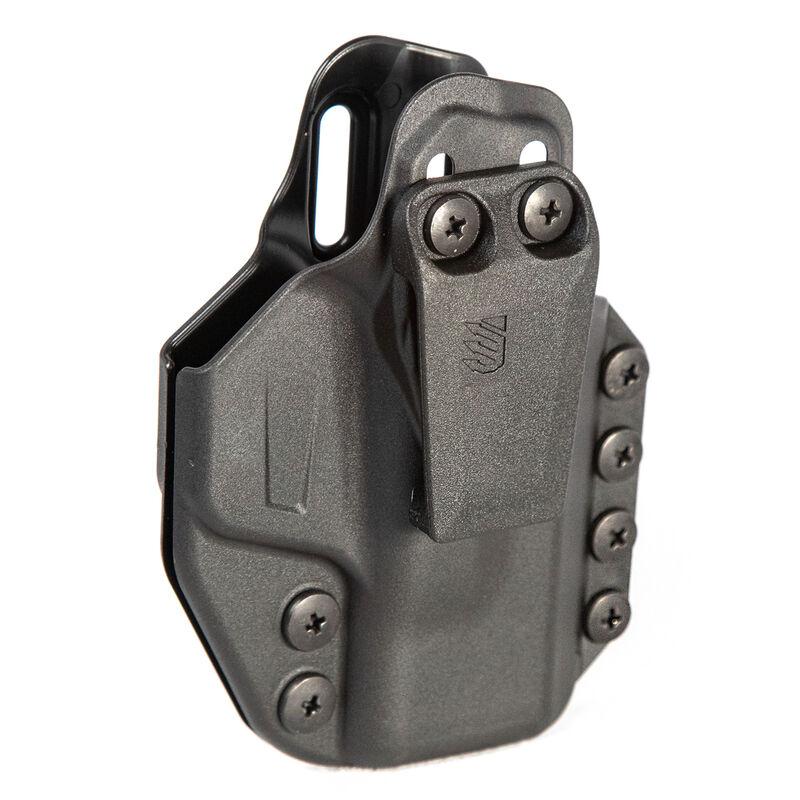
- Holster fit stays the same because the slide and frame exterior do not meaningfully change, but your reload profile changes because the magazine base may be longer and shaped differently.
- Mag pouches: CZ-75 magazines are generally thicker than the Glock 43X factory magazine. Some slimline-specific pouches may be tight. Verify retention and draw consistency.
- Spare magazine comfort: extended magazines carry differently on the belt. For concealed carry, many shooters will prefer a shorter magazine for the pistol and a longer spare, but that depends on concealment priorities.
Durability, inspection, and lifecycle ownership
Magazine conversions live or die on retention surfaces. Over time, the areas to watch are straightforward:
- Magazine catch engagement: look for rounding, peening, or inconsistent lockup.
- Insert tightness: periodically verify the spacer remains secure. Add inspection to your cleaning routine, especially after hard training days.
- Magazine tube wear: steel magazines tolerate abuse well, but feed lips and base plates still deserve inspection after repeated drops.
If you run your gear in wet weather, sweat-heavy summer carry, or coastal environments, steel magazines also call for basic corrosion prevention. Wipe them down, keep them dry, and consider light protective treatment that does not contaminate primers. For long-term storage, store magazines clean and dry, and rotate duty magazines on a schedule that matches your training volume.
Compliance and practical legality
Higher capacity always intersects with compliance. Magazine capacity restrictions vary by state and can apply to purchase, possession, and transport. A conversion that enables 15 or 17 round magazines can shift your legal exposure depending on where you live and where you travel. If you cross state lines for training, hunting trips, or matches, confirm the local rules for magazine capacity and any exemptions that may or may not apply.
Also consider agency or range rules if you shoot organized events or train on facilities with equipment policies. The conversion is a mechanical modification. Some programs care, some do not. Know before you show up.
Who this is for
This conversion is best for the Glock 43X/48 owner who values magazine reliability and long-term availability and is willing to accept a non-flush magazine fit. It is also a strong option for shooters who already keep CZ-75 magazines on hand and want to simplify spares.
If your priority is maximum concealment with minimal grip length, a conversion that encourages longer magazines may conflict with how you actually carry. If your priority is training volume, reload consistency, and robust magazines you can source for years, the CZ-75 ecosystem is a compelling direction.
Decision framework: should you convert or stay stock?
- Concealed carry first: stay closer to flush magazines and prioritize concealment, especially in warm-weather clothing.
- Training and classes: conversions that use robust, affordable magazines can reduce downtime and lower the cost of building a magazine stack.
- Commonality across guns: if you already run CZ-75 magazine pistols, conversion simplifies logistics.
- Compliance constraints: if you live in or travel through capacity-restricted areas, higher capacity options may create more risk than value.
FAQ
Yes. The kit is designed around the slimline Glock 43X and Glock 48 frames. Confirm you buy the correct kit variant and function-test with your specific magazines and ammo before relying on it for carry.
CZ-75 pattern magazines in common capacities like 14, 15, and 17 rounds typically work with the conversion. Fit is usually not flush, and base plate shape can affect insertion and lockup. Test each magazine model you intend to use.
Mec-Gar has a long reputation as an OEM magazine manufacturer and their CZ-75 pattern magazines are widely used. Reliability still depends on your specific pistol, conversion setup, and ammunition. Vet each magazine with live-fire drills and confirm slide lock and drop-free performance.
It can. Many CZ-75 magazines extend below the Glock 43X/48 grip, which increases printing risk and can reduce comfort in appendix carry. Some shooters carry a shorter magazine in the gun and a longer spare to balance concealment and capacity.
Test your exact defensive load and your primary training load. Pay attention to overall cartridge length, bullet profile, and whether the gun feeds reliably under speed. Run at least a few hundred rounds across multiple magazines and include reload drills, one-handed shooting, and slide-forward reloads.
Possibly. CZ-75 magazines are generally thicker than factory Glock 43X magazines. Some slimline-specific pouches may be tight or inconsistent. Choose pouches that retain securely, allow a clean draw, and protect feed lips during training.
Magazine capacity laws vary by state and can affect purchase, possession, and transport. Before buying higher capacity magazines or traveling with them, confirm current rules for your jurisdiction and any states you pass through for training or hunting trips.
Was this useful?