
Brief
AXIL GS Extreme 3.0 Review: Tethered In-Ear Electronic Ear Pro That Actually Stays Put
Hands-on take on the AXIL GS Extreme 3.0: fit, retention, battery, controls, and when to double up for indoor ranges. Practical guidance for shooters and...
Shop this at BLVista
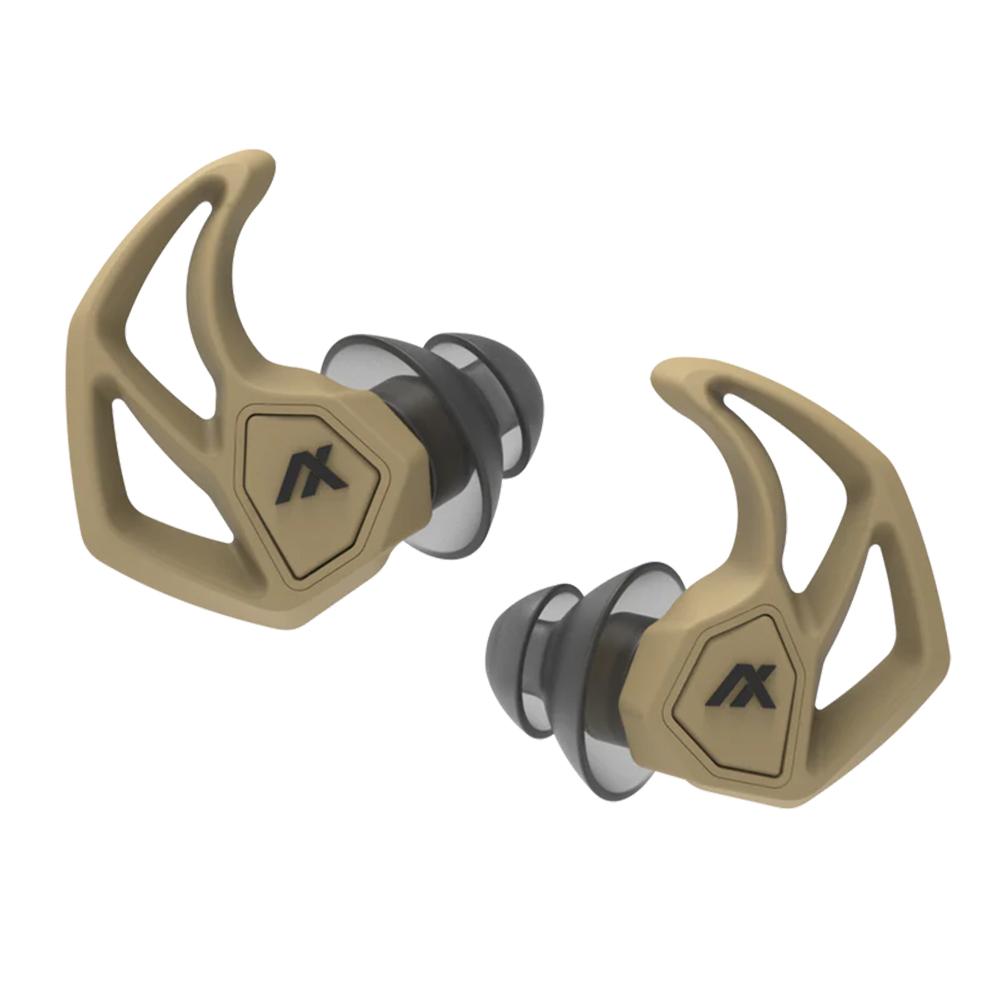
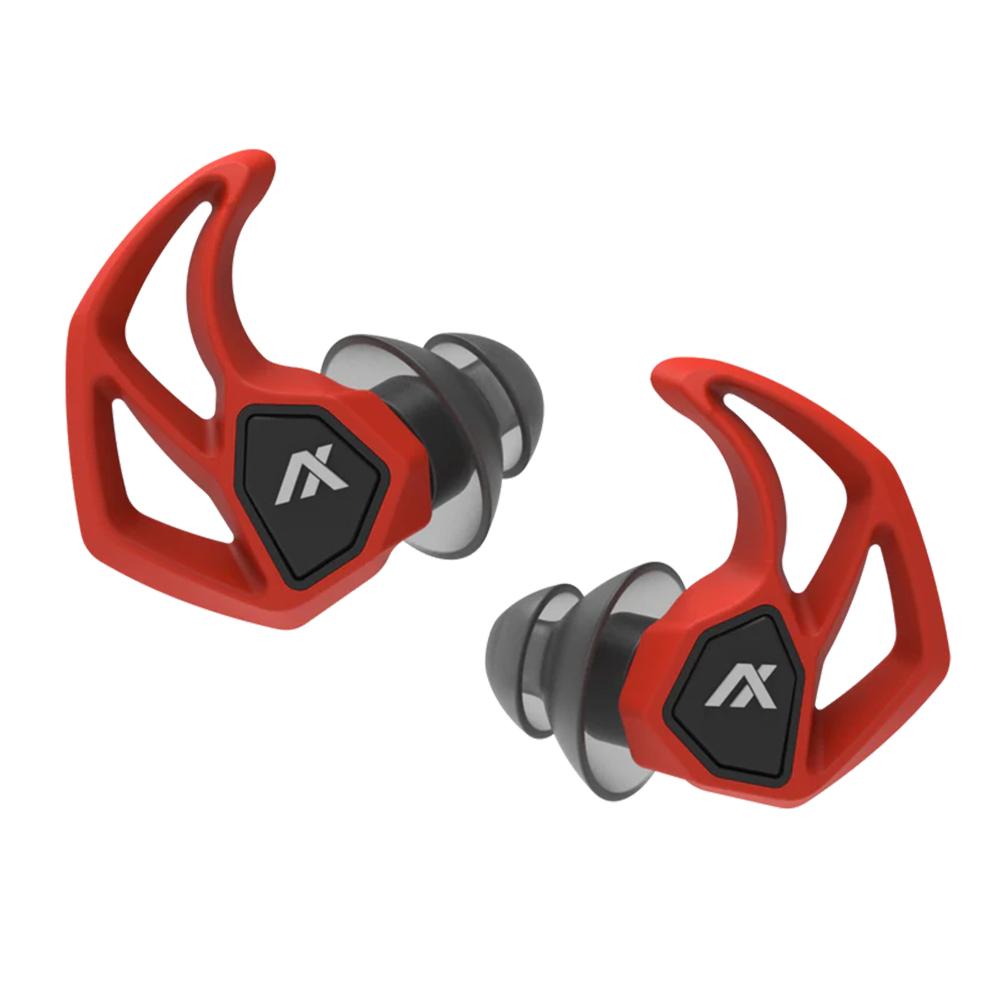
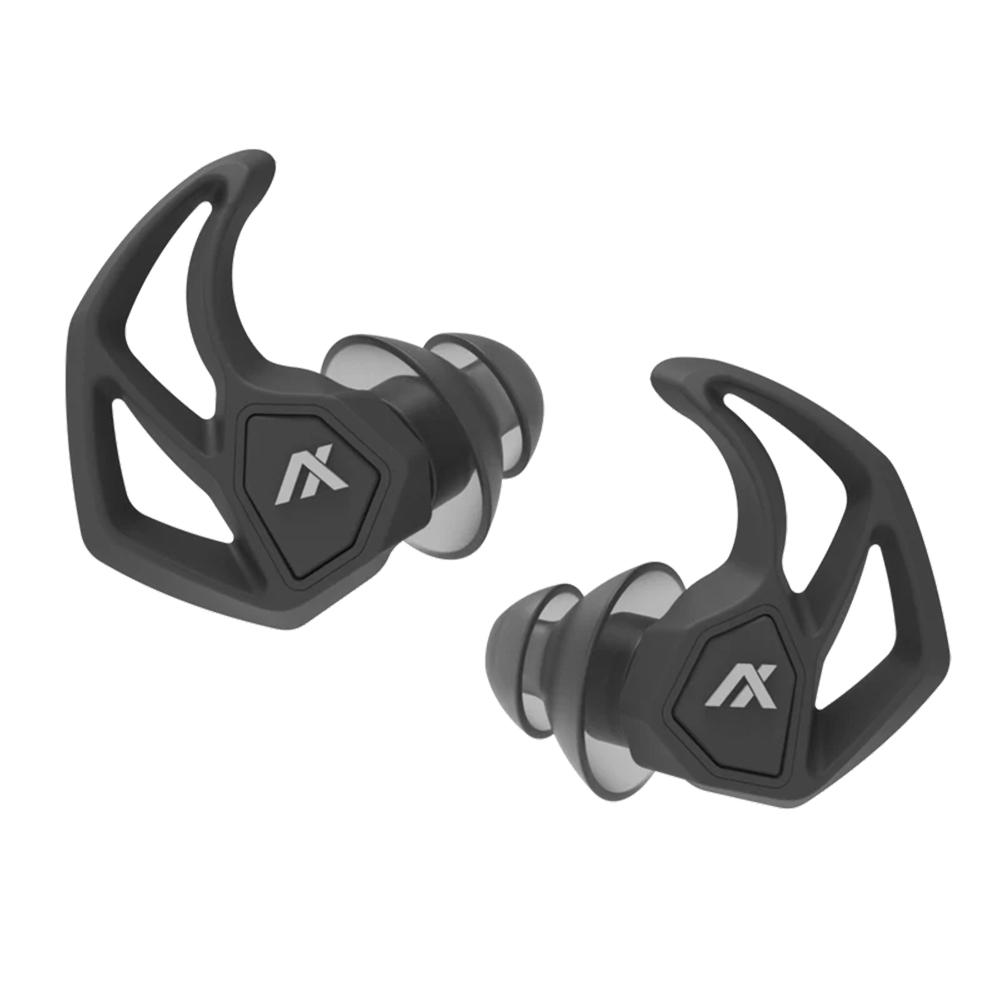
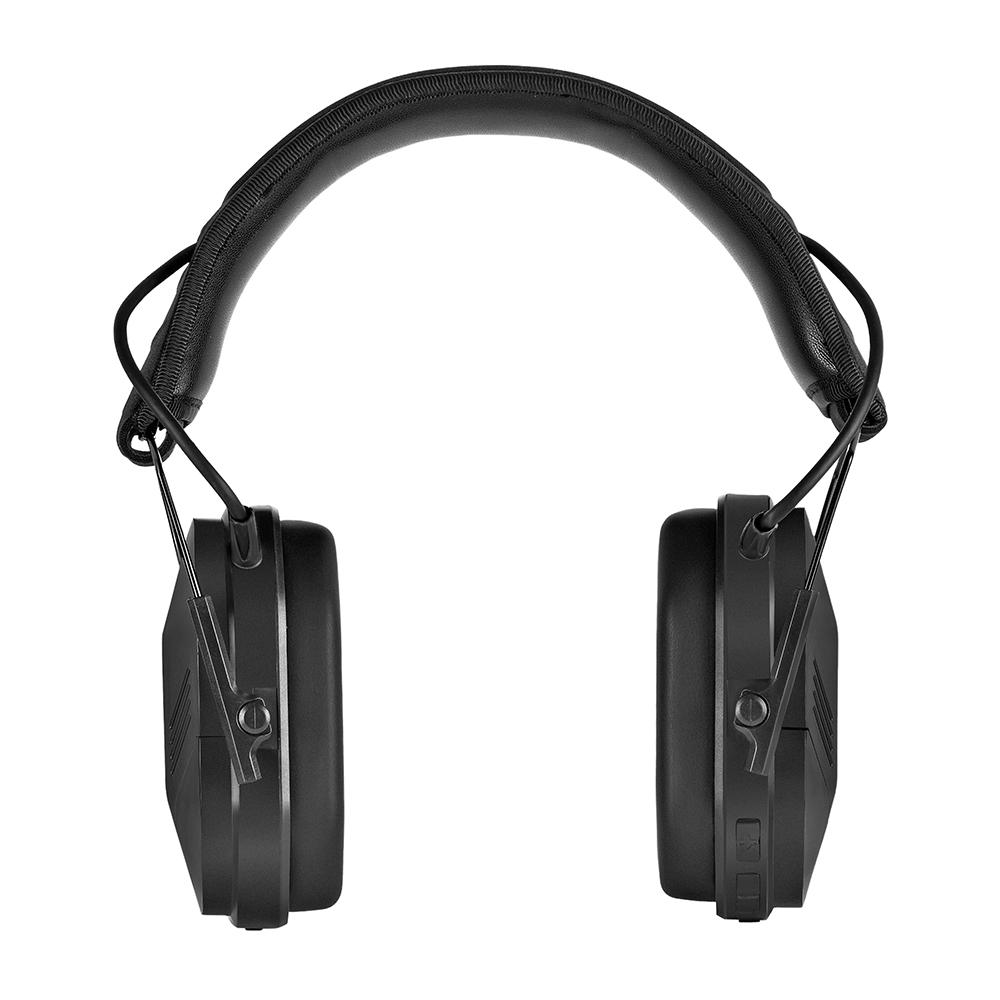
In-ear electronic hearing protection tends to fail in predictable ways. It works until the earbud loosens during recoil, the controls get confusing with gloves, wind noise overwhelms the microphones, or the battery dies halfway through a class. The AXIL GS Extreme 3.0 is built around fixing those practical problems with small, meaningful changes: better retention, longer run time, and controls that you can operate without guessing.
This is a tethered, Bluetooth-capable, active in-ear system. The tether will be a deal-breaker for some people and a feature for others. For range use, hunting, and general outdoor chores, the tethered layout can reduce the most common failure mode of true wireless buds: losing one when you pull it out to talk, swap a target, glass a ridgeline, or adjust a sling.
Key specs that matter in real use
- Type: Active electronic, in-ear with tether
- Hearing protection rating: 26 dB SNR / 21 dB NRR (with max-protection foam tips)
- Battery run time: up to 40 hours (hearing only), 20 hours (Bluetooth only), 15 hours (hearing + Bluetooth)
- Charging: USB-C, about 2 hours
- Bluetooth: 5.3
- Water resistance: IP65
- Included fit parts: multiple ear hooks, silicone tips, multiple foam tip sizes
Two specs deserve context. First, NRR and SNR only mean something if you get an actual seal. Foam tips usually win here, and insertion technique matters more than brand. Second, advertised battery life is best treated as a planning number. Temperature swings, mic gain, and constant Bluetooth streaming all shorten real-world run time.
Fit and retention: the real upgrade
Most in-ear ear pro lives or dies on retention. The GS Extreme 3.0 uses three retention points per ear: the ear tip seal, an ear hook that supports the body of the bud, and a moldable cable that stabilizes routing. In practice, this matters when you are doing things that typically dislodge earbuds:
- Mounting a rifle repeatedly from low ready
- Working around a plate carrier or chest rig
- Changing slings, adjusting a stock, or shouldering from awkward positions
- Moving between standing, kneeling, and prone
The ear hooks are the most important change because they shift the load off the ear canal. Over long range days, canal pressure and tether tug are what make many in-ear systems feel “fine for an hour” and miserable by hour four. A hook that carries weight on the outer ear helps reduce that fatigue.
Foam vs silicone tips: pick based on risk
Silicone tips tend to be quicker and more comfortable for casual use, and they work for many low-noise tasks. For firearms, foam tips are the safer default because they seal more consistently across different ear canal shapes and maintain protection when you sweat or move. If you shoot outdoors and want the best protection this system can offer, plan on foam tips and take the extra seconds to roll and seat them correctly.
Range performance: outdoor-friendly, indoor-limited
On an outdoor firing line, the GS Extreme 3.0 does what electronic ear pro should do: it reduces impulse peaks while keeping you connected to the environment. The practical win is hearing what you are doing. Magazine loading clicks, gear handling, and range commands stay audible without you pulling protection out of your ears.
For rifles, the physical shape matters more than most buyers expect. Anything that protrudes into the cheek weld zone can get bumped by the stock under recoil or when you settle into position. The GS Extreme 3.0 keeps the cheek area relatively clear, which helps reduce the “earbud knocked loose” problem that shows up with some hunting rifles and certain stock geometries.
Indoor range reality check
Indoor shooting is a different noise problem. Reflections in concrete and steel amplify blast and extend exposure time. Many in-ear systems, even good ones, struggle to provide enough protection by themselves on busy indoor lines. For indoor use, a safer framework is:
- Default: double up (foam plugs + quality earmuffs)
- If you want comms and awareness: use the GS Extreme 3.0 underneath passive muffs, or use active muffs over foam plugs depending on fit
This is not about brand. It is about controlling risk in the harshest realistic shooting environment most people visit regularly.
Controls and usability: fewer mistakes under stress
Touch controls are convenient until you are wearing gloves, sweaty, or trying to make a change quickly without pulling your eyes off the line. The GS Extreme 3.0 uses physical buttons on the control module for core functions like power, pairing, and Bluetooth volume. Ambient volume remains on the earbuds. That split reduces accidental inputs and makes it easier to remember what you are adjusting.
For training use, this matters because ear pro adjustments happen during transitions and coaching moments. If controls take too long, people remove ear pro to talk, which is how hearing damage accumulates over time.
Audio performance: good for shooting, mixed for music
For gunshots and general awareness, the sound profile is favorable. Impulse events are controlled while quieter details remain audible. The system also has enough gain for typical range communication outdoors.
For Bluetooth music and calls, the GS Extreme 3.0 is serviceable, with stronger low-end response than some competitors, but it prioritizes hearing protection function over hi-fi reproduction. Some users will notice a constant hiss when ambient pass-through is active in quiet settings. In the field, wind, footsteps, and general outdoor noise tend to mask this. In a quiet room, it becomes more obvious.
Battery and charging: plan like it is life support
Electronic hearing protection is personal protective equipment. Treat power management the same way you treat weapon lights and optics batteries: predictable routines reduce failure. The GS Extreme 3.0’s longer run time helps, and USB-C charging simplifies topping off.
Simple battery checklist for range days
- Charge the night before, not in the parking lot
- Carry a small USB-C power bank for all-day classes
- Keep a spare set of passive plugs in the range bag as a hard back-up
Durability, sweat, and weather: what IP65 really means
IP65 is a useful spec for shooters and outdoor users. It indicates resistance to dust and water jets, which generally covers sweat, rain, and dirty range conditions. It does not mean the unit is intended for submersion, and it does not eliminate the need for basic care.
Maintenance and storage that preserves performance
- Wipe down after use, especially after hot weather training and yardwork
- Let tips dry before sealing them in the case to reduce odor and material breakdown
- Inspect foam tips for compression set and replace when they stop expanding firmly
- Keep the charging port clean and avoid charging with debris in the connector
Who the AXIL GS Extreme 3.0 is for
This model makes the most sense for shooters who spend real time outdoors and want one piece of hearing protection that can cover multiple roles.
- Outdoor range shooters: strong fit, good awareness, stable during movement
- Hunters: low profile around cheek weld, easy in and out between glassing and shooting
- Work and chores: useful for mowers, saws, and general shop tasks when you still want awareness
- Travel and general use: tether reduces loss risk compared to true wireless buds
Who should choose something else
- Frequent indoor range shooters: plan to double up or move to high-quality over-ear active muffs as the primary solution
- People who hate cables: the tether is part of the design, and you will notice it if you dislike anything touching your neck
- Buyers who prioritize music quality: dedicated consumer earbuds will sound better, and some higher-end shooting-specific models tune pass-through more cleanly
A practical way to compare in-ear electronic ear pro
If you are shopping across brands, this quick framework keeps you focused on what actually affects safety and long-term satisfaction:
- Seal quality: foam tip options, retention, and comfort over a 4-hour session
- Indoor plan: can you comfortably double up with muffs when needed
- Controls: can you adjust ambient volume with gloves and without looking
- Power: realistic run time, USB-C charging, and your backup plan when it dies
- Fit with rifles: low profile near cheek weld and stability during recoil
- Lifecycle support: replacement tips, warranty process, and parts availability
Bottom line
The AXIL GS Extreme 3.0 is a clear step forward in the areas that matter most for shooters: it stays put, it runs longer, and it is easier to control under real conditions. For outdoor range work, hunting, and general noisy chores, it is a well-rounded piece of electronic hearing protection with Bluetooth that you can realistically live with day to day. For indoor ranges, treat it as part of a layered hearing protection strategy rather than a standalone answer.
FAQ
Yes for typical outdoor shooting when you get a proper seal with foam tips and wear them correctly. For indoor ranges, use a double-up setup such as foam earplugs plus earmuffs, or earbuds under passive muffs, to reduce hearing risk on loud firing lines.
NRR and SNR are lab ratings that estimate potential noise reduction. Real-world protection depends on the seal in your ear canal. Foam tips usually deliver more consistent protection than silicone tips, especially during movement, sweat, and long sessions.
For many shooters, yes. A tether reduces the chance of losing an earbud when you pull it out to talk or adjust gear. It also makes it easier to keep track of both sides during hunting, training, and travel.
Usually, yes. That is a practical way to increase protection for indoor shooting or when shooting braked rifles. Make sure the earbud profile and cable routing do not break the earmuff seal around your ears.
Expect battery life to vary with ambient volume settings and Bluetooth use. A safe planning approach is to charge before range days and carry a USB-C power bank for all-day classes or matches.
Most ranges allow electronic hearing protection, but policies vary on phone calls and music on the firing line. Keep situational awareness as the priority, follow posted range rules, and keep volume low enough to hear commands clearly.
For firearms, use the foam tips that provide the tightest, most comfortable seal. Roll the foam, insert it fully, and let it expand before shooting. Replace foam tips when they stop expanding firmly or when the seal becomes inconsistent.
Wipe down after use, let tips dry before storage, keep the charging port clean, and store in a protective case to avoid cable damage. Replace worn tips and keep a set of passive earplugs in your range bag for redundancy.
Was this useful?