
Brief
What 9mm Ammo Does the FBI Use — And Why It Matters to You
People ask what 9mm ammo the FBI uses as if the brand name is the lesson. The more useful takeaway is how the Bureau evaluates handgun ammunition and what...
Shop this at BLVista
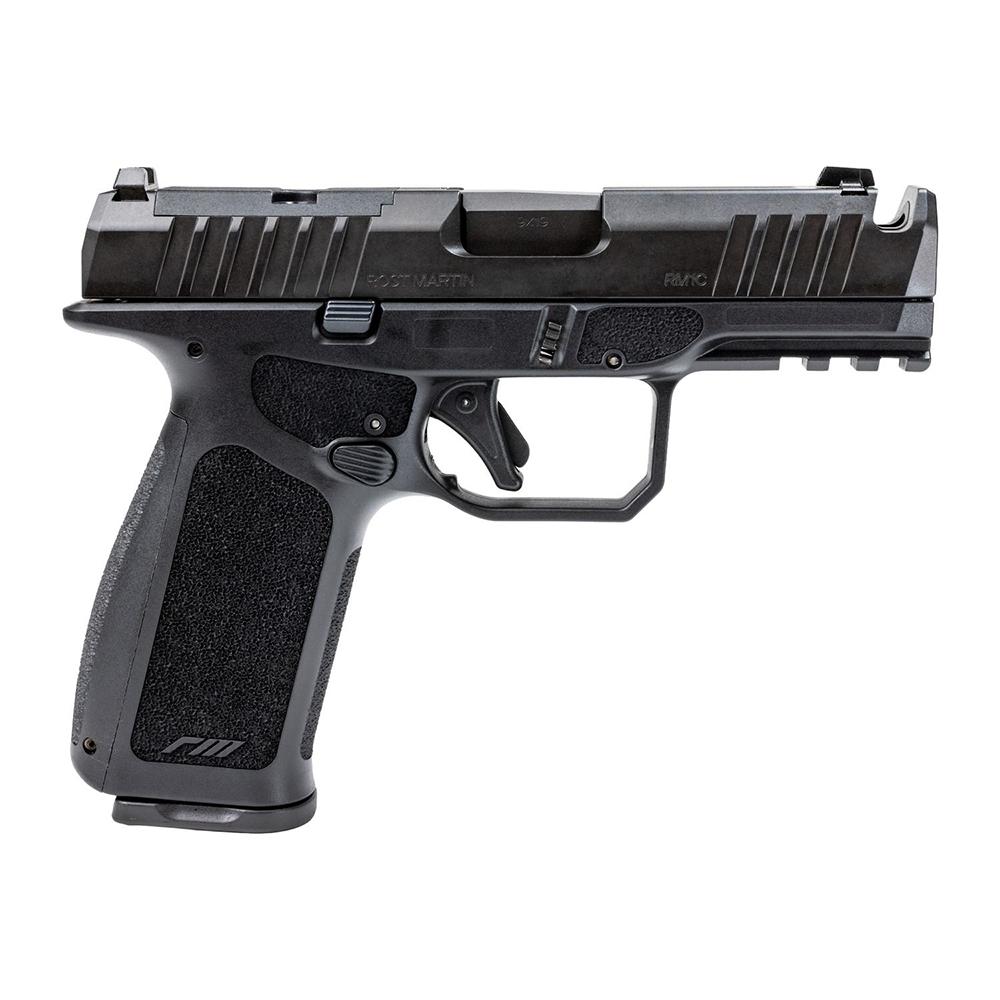 Rost Martin RM1CX Compact OR Handgun 9mm Luger 17rd (1) & 19rd (1) Magazines 4" Comp Barrel Black
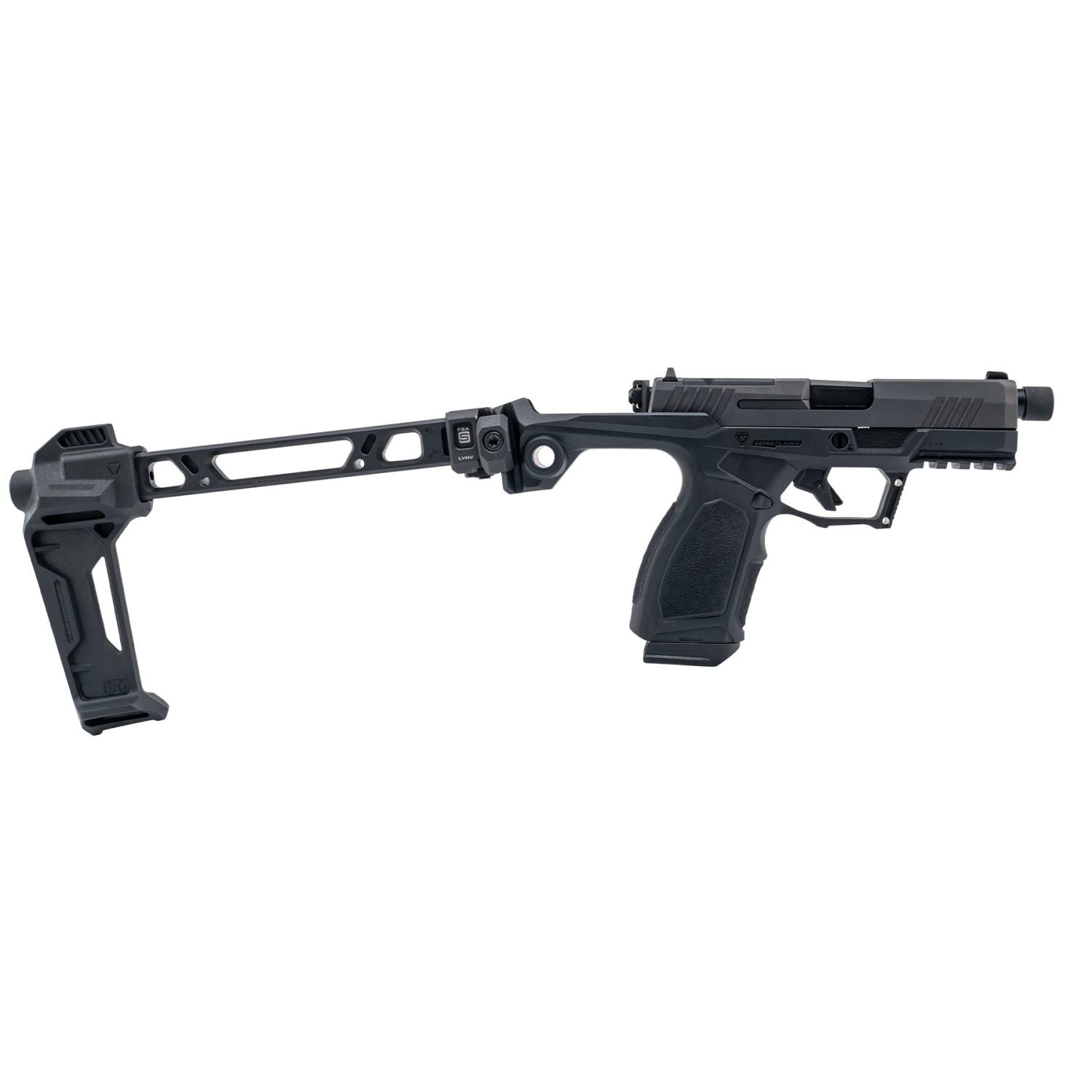 Taurus GX4 Strike Bravo Handgun 9mm Luger 15rd Magazines(2) 3.7" Threaded Barrel TORO SI Frame w/Brace
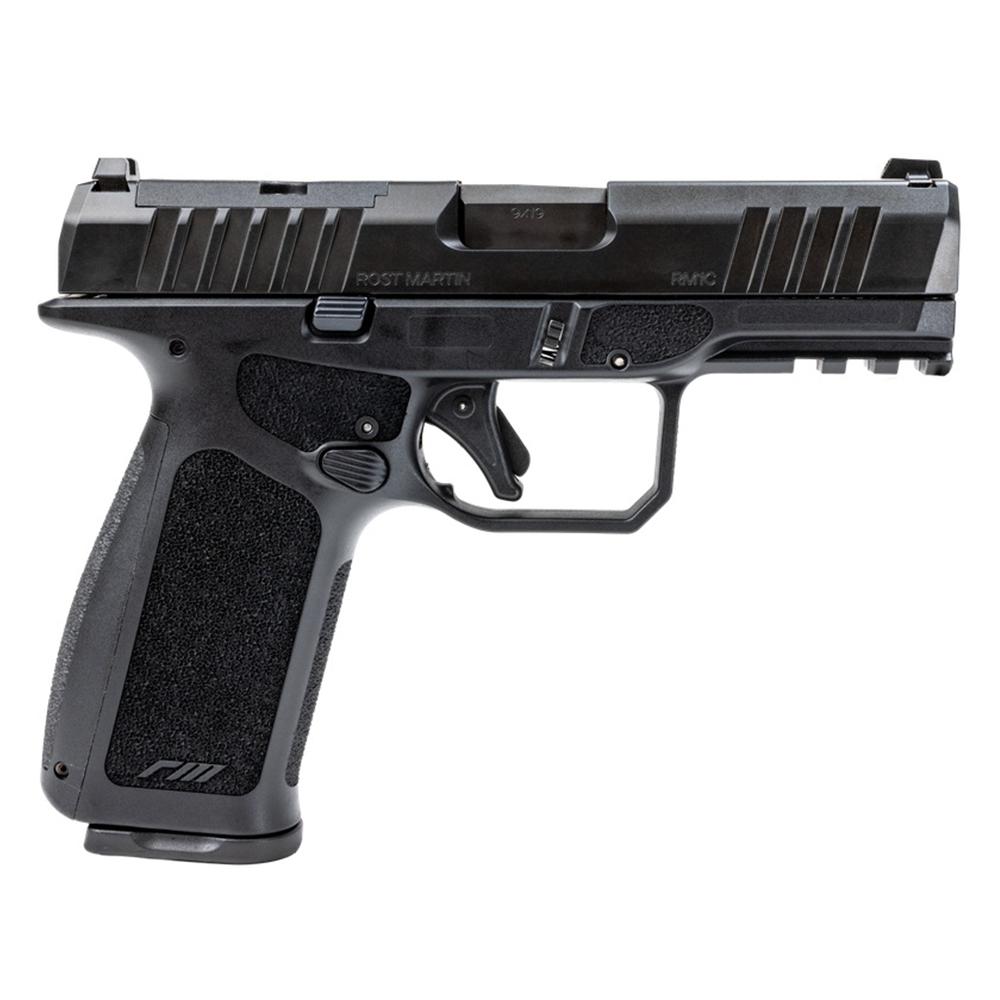 Rost Martin RM1CX Handgun 9mm Luger 17rd (1) & 19rd (1) Magazines 4" Barrel Black OR
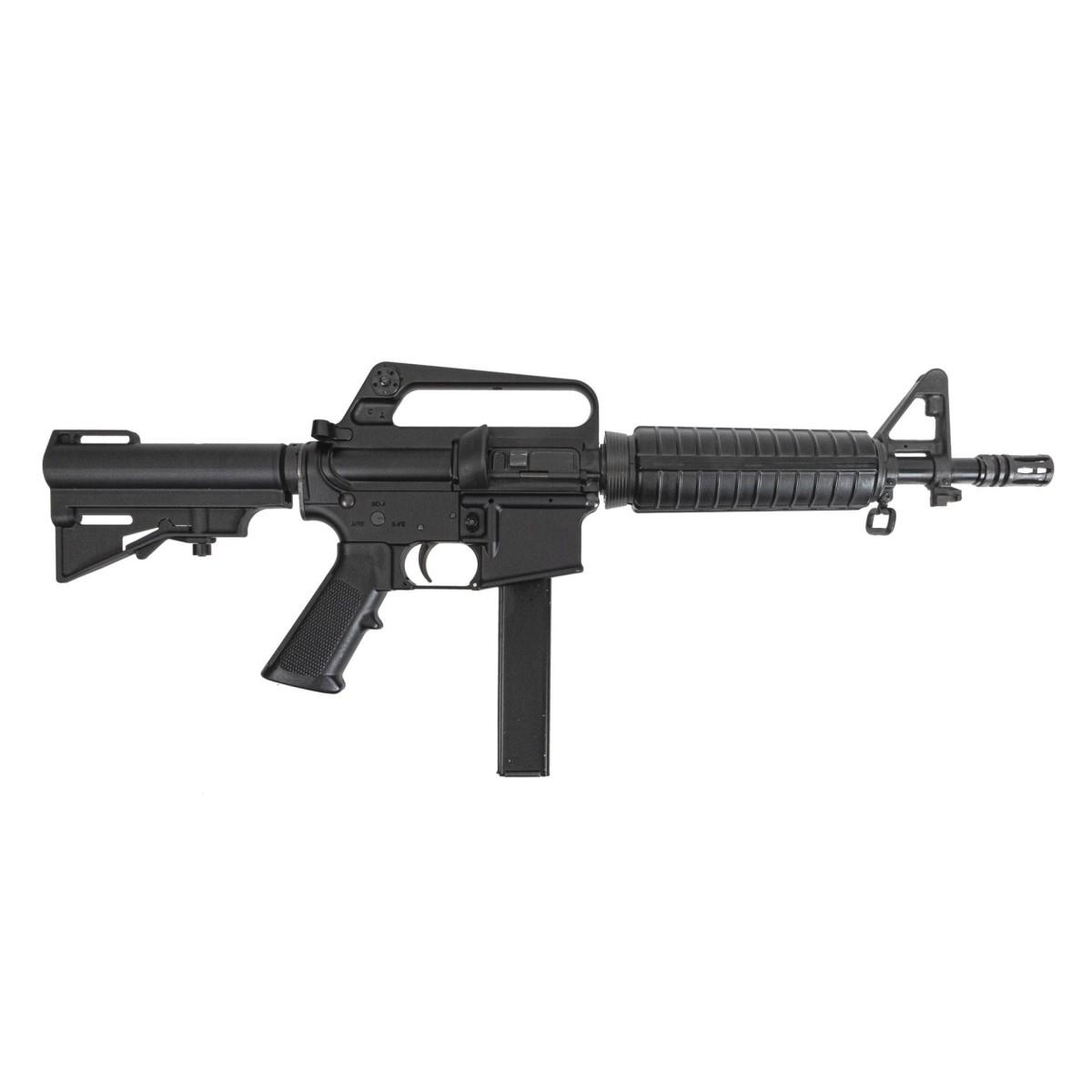 H&R 635 Pistol 9mm Luger 32rd Magazine(1) 10.5" Threaded Barrel 1:10 Twist Black
Current reporting commonly points to Hornady Critical Duty 9mm +P 135gr (FlexLock/FTX) as an FBI duty load. That detail matters less than the why behind it. The FBI is not trying to win internet caliber arguments. It is trying to solve a predictable set of problems: inconsistent angles, imperfect hits, intermediate barriers, and a wide shooter population that must qualify and perform with duty pistols year after year.
Why the FBI stopped treating caliber as the main variable
Modern FBI handgun ammo standards grew out of a painful lesson from the 1986 Miami gunfight. The key issue was not that agents carried the wrong cartridge. It was that a projectile failed to penetrate to vital structures after encountering real world conditions. If a duty bullet cannot reach what needs to be reached, expansion numbers and energy figures do not matter.
In response, the FBI built a repeatable testing protocol and a research culture around wound ballistics. That shift is what still influences duty ammunition selection today, including the current 9mm focus.
The FBI protocol: barriers first, bare gel second
Many consumer tests focus on bare ballistic gelatin. The FBI does not stop there because defensive shootings do not happen in a lab. The Bureau evaluates handgun bullets through common obstacles like heavy clothing and hard materials that can clog hollow points, deform bullets, or strip jackets. A defensive load earns trust when it performs consistently after it gets disrupted.
The core benchmark most shooters should understand is the FBI’s 12 to 18 inch penetration window in calibrated gelatin, including after passing through typical barriers. That range is not arbitrary. It reflects the need to reach vital anatomy from less than ideal angles, through arms, heavy clothing, and other interference, while limiting the likelihood of excessive pass through.
Practical meaning of the 12 to 18 inch standard
- Angle problems are normal. People move, turn, crouch, and present partial profiles. Penetration margin matters.
- Barrier hits are common. Auto glass, doors, wall material, and furniture change bullet behavior.
- Shallow penetration is a failure mode. A wide mushroom that stops early can look good in photos and fail in a fight.
Why the FBI went 10mm, then .40 S&W, then back to 9mm
After Miami, the FBI moved toward 10mm in search of better terminal performance. The problem was not theory. The problem was the complete system: pistol size, recoil impulse, qualification performance, long term wear, and how thousands of agents actually shot under time pressure.
.40 S&W was an attempt to keep much of the performance in a more manageable package. It worked for many agencies for many years, especially in service size pistols. Over time, compact .40 pistols running duty pressure loads pushed reliability and controllability in the wrong direction for some fleets. More recoil and faster slide velocities can increase sensitivity to grip, spring rates, and maintenance cycles. That shows up as lower hit probability for average shooters and more variability across a large issued population.
The return to 9mm was driven by data. Modern 9mm duty bullets caught up in barrier performance and penetration consistency. Once 9mm could meet protocol goals reliably, the advantages became obvious for an organization that must manage a large pistol inventory and a broad range of shooter skill.
What the FBI gains with modern 9mm duty ammo
- Higher hit probability for more people. Less recoil supports faster, more accurate shot strings in training and real incidents.
- Higher capacity with the same grip size. That is a practical advantage for duty pistols and many concealed carry setups.
- Better fleet reliability margins. 9mm tends to be more forgiving across pistol sizes and maintenance schedules.
- Comparable terminal results when the bullet is right. Bullet construction matters more than the headstamp.
How to choose a 9mm defensive load using the same logic
If you carry for personal defense or keep a handgun for home defense, you can apply the FBI mindset without copying an exact load. Use a simple decision framework that prioritizes repeatable performance over brand reputation.
Decision checklist: 9mm defensive ammo selection
- Start with a duty designed projectile. Look for loads built for law enforcement style performance rather than range accuracy or maximum velocity claims.
- Favor proven weights for controlled expansion and penetration. In 9mm, 135 to 147 grain duty loads commonly align with the penetration goal and barrier stability.
- Prioritize bonded or mechanically locked construction. Bullets that resist jacket core separation and hold together through barriers tend to track more consistently in gelatin and real media.
- Confirm your pistol’s reliability. Buy enough to function test. Run at least a couple boxes through your carry gun, including from your carry magazines. Watch for feeding issues, slide lock problems, and inconsistent ejection.
- Check point of impact and controllability. Many pistols print differently with 147 grain vs 115 grain. Your best load is the one you can place accurately, rapidly, and repeatedly.
- Decide where +P actually helps. Some 124 grain loads lean on +P to meet barrier and penetration goals. +P can increase wear in small pistols and can change recoil timing. Ensure your firearm is rated for it and set a maintenance schedule.
What to be cautious about
- Ultra light, high velocity loads. Lighter bullets can expand aggressively and stop short, especially after heavy clothing or intermediate barriers.
- Short barrel assumptions. If you carry a micro compact, verify performance and function in that platform. Velocity loss can change expansion behavior.
- Ammo that is scarce. A defensive load you cannot replace creates training gaps and encourages people to carry old inventory. Consistent lot availability matters.
Ownership lifecycle: training, storage, and replacement
Defensive ammunition is not a buy once item. Treat it as a maintained consumable.
- Rotation. Carry ammo gets exposed to sweat, lint, and repeated chambering. Rotate periodically and avoid repeatedly rechambering the same round to reduce bullet setback risk.
- Storage. Store in a cool, dry place. Use sealed containers for long term storage and label purchase dates and lot numbers if possible.
- Practice with purpose. You do not need to shoot your entire carry stash every month, but you should confirm function and keep recoil familiarity. Many shooters practice with a similar weight FMJ and validate carry ammo occasionally.
- Magazine considerations. Most real reliability failures in pistols involve magazines. Mark mags, track problems, and replace springs on a schedule if you shoot and carry heavily.
Compliance and safety notes that matter
Defensive ammo selection sits at the intersection of performance, policy, and local law. Some jurisdictions restrict hollow point ammunition or regulate how it can be carried. If you travel, verify the rules for your destination and how ammunition must be transported.
From a safety standpoint, any new load deserves a controlled function test. Use proper backstops, follow all range rules, and confirm your pistol’s +P rating before choosing a +P duty load.
Bottom line
The FBI’s 9mm choice is a case study in modern projectile engineering and realistic test standards. The important lesson is not the logo on the box. It is the evaluation method: barrier aware testing, 12 to 18 inch penetration goals, and the recognition that controllability and reliability across real shooters drive outcomes.
For BLVista readers, the best approach is to pick a duty built 9mm load with proven construction, verify function in your gun, and maintain it like any other life saving tool. And for that, we recommend https://www.blvista.com/product/HO90236 for that call.
FAQ
Reporting commonly lists Hornady Critical Duty 9mm +P 135gr (FlexLock/FTX) as an FBI duty load. Agency contracts and issue loads can change, so treat the specific SKU as a snapshot and focus on the performance criteria that drove the selection.
The FBI returned to 9mm because modern 9mm duty bullets can meet FBI protocol performance goals with less recoil and higher capacity. Lower recoil improves qualification results, shot speed, and hit probability across a large shooter population, while also supporting better reliability margins in compact pistols.
The FBI protocol looks for handgun bullets that penetrate 12 to 18 inches in calibrated ballistic gelatin, including after passing through common barriers. This range helps ensure the bullet can reach vital anatomy from imperfect angles while reducing the chance of excessive pass through.
You only need +P if it helps a specific load meet reliable penetration and expansion goals in your handgun. +P increases recoil and can accelerate wear in small pistols. If you choose +P, confirm your firearm is rated for it and function test with your carry magazines.
Many proven duty loads fall in the 135 to 147 grain range because they tend to deliver stable penetration and consistent expansion, including through clothing and intermediate barriers. The best choice also depends on how the load runs in your pistol and where it prints at defensive distances.
A bonded bullet has the jacket chemically or mechanically attached to the core to help it stay together through barriers like auto glass or sheet metal. Bonded or mechanically locked bullets often hold weight better and track more consistently in barrier testing, which is why they are common in duty focused 9mm loads.
A practical baseline is 40 to 100 rounds of your chosen defensive load through your actual carry gun and carry magazines, watching for feeding, ignition, extraction, and slide lock consistency. If you carry a micro compact, testing matters more because small pistols can be more load sensitive.
Replace carry ammo if it has been repeatedly chambered, shows corrosion, has been exposed to heavy sweat and humidity, or if you cannot confirm when it was last rotated. Many responsible carriers rotate every 6 to 12 months and use the old carry ammo for function checks and training.
Was this useful?