
Brief
Henry Explorer Carbine: Burnt Bronze Lever Guns With Threaded Barrels in Five Chamberings
A practical look at Henry’s Explorer Carbines: finishes, threaded barrels, chambering choices, optics options, and field-use tradeoffs.
Shop this at BLVista
What the Explorer Carbine is, and where it fits
The Explorer is a compact Henry lever-action carbine built around traditional handling with modern compatibility. With an overall length around 34 to 35.5 inches and weight in the 6.75 to 7 pound range, it sits in the middle ground between a full-size lever rifle and a short, packable brush gun. The intent is straightforward: a durable, handy lever gun for woods ranges, property use, and general-purpose carry where fast handling matters more than long-range ballistics.
Core specs that drive real-world performance
- Action: Lever action
- Barrel length: 16.5 inches
- Chamberings: .30-30 Win, .360 Buckhammer, .357 Mag/.38 Spl, .44 Mag/.44 Spl, .45-70 Govt
- Capacity: 4+1 (.45-70), 5+1 (.30-30, .360), 7+1 (.357, .44)
- Finish: Burnt bronze Cerakote on receiver, barrel, magazine tube
- Stock: Checkered walnut with pistol grip, rubber recoil pad
- Sights: Adjustable semi-buckhorn rear, brass bead front
- Optics mounting: Receiver drilled and tapped
- Country of origin: USA
Why the burnt bronze Cerakote matters beyond looks
Cerakote has become common on duty pistols and working rifles for a reason: it helps protect against corrosion and surface wear where bluing can lose the fight, especially around sweaty hands, saddle scabbards, wet slings, and abrasive dust. On a lever gun, the wear points are predictable: the receiver edges, loading gate area, the barrel where it rides in cases, and the magazine tube where it gets grabbed and bumped.
If you hunt in coastal humidity, store rifles in a safe that sees temperature swings, or run guns hard in training, a coated exterior reduces maintenance burden. You still need to keep internals lubricated and clean, but the exterior finish is a real advantage for long-term ownership and resale. The burnt bronze color is taste-based, but the protection is functional.
Threaded barrel: practical suppressor and muzzle device considerations
A threaded lever-action barrel changes how the rifle can be used, especially for shooters already invested in 2A friendly suppressors and compliant transport. For hunting and property use, a suppressor can reduce blast fatigue, improve communication with partners, and make practice more tolerable. It also changes recoil perception by managing impulse and muzzle rise, though the exact feel depends on cartridge and suppressor weight.
Before you buy based on “threaded,” verify three things:
- Thread pitch and shoulder: Confirm the pitch matches your suppressor mounts and the barrel has a proper shoulder for alignment. If you plan to use a QD system, check mount compatibility and available adapters.
- Suppressor diameter vs sight line: Some cans will partially obscure a brass bead and buckhorn rear. If you plan to shoot primarily suppressed, consider an optic or a taller front sight solution.
- Point of impact shift: Lever guns with light barrels can show POI shift with a suppressor attached. Plan to confirm zero both suppressed and unsuppressed if you will do both.
Compliance note: suppressor ownership and use depends on federal and state law. Treat transport and hunting regulations as part of the buying decision, not an afterthought.
Choosing the right chambering: a simple decision framework
Henry launched the Explorer in five chamberings, which is the real story. Each one serves a different user. Use this checklist to pick a cartridge that fits your actual shooting and hunting, not just what looks good on paper.
Step 1: Define your realistic distance
- Under 100 yards in thick cover: .357 Mag, .44 Mag, .45-70, .30-30 all work well. Prioritize handling, follow-up shots, and ammo you will actually practice with.
- 100 to 200 yards in mixed woods and edges: .30-30 and .360 Buckhammer typically align well with this window, depending on load selection and your sighting system.
Step 2: Match recoil and training volume to the shooter
- High practice volume, lower recoil preference: .357 Mag with .38 Spl for training is hard to beat for cost control and shooter comfort. It is also a strong choice for new lever-gun owners who want time behind the gun.
- Moderate recoil, classic do-everything woods cartridge: .30-30 remains a practical standard with broad ammo availability and proven terminal performance.
- Heavy recoil, heavy bullet performance: .45-70 delivers authority but requires honest recoil management and thoughtful load selection, especially in a compact carbine.
- Big-bore handgun cartridge compatibility: .44 Mag pairs well for users already invested in .44 Mag revolvers for field carry, though actual ammo availability and pricing vary by region.
Step 3: Consider ammo availability and lifecycle cost
Over years of ownership, the “best” chambering is often the one you can feed consistently. If your local shops stock .30-30 reliably, that can outweigh theoretical advantages elsewhere. If you reload, the calculus changes. If you do not reload, prioritize common loads you can find during seasonal demand spikes.
Model breakdown: H9, H10, H12
Henry splits the Explorer series into three model groups tied to chambering:
- H9: .30-30 Win and .360 Buckhammer
- H10: .45-70 Govt
- H12: .357 Mag/.38 Spl and .44 Mag/.44 Spl
From a buyer standpoint, treat the model number as a fast way to confirm you are getting the chambering family you want. When you compare listings, verify the exact cartridge marking on the barrel and confirm magazine capacity for your compliance needs and intended use.
Sights and optics: pick a system that matches how you shoot
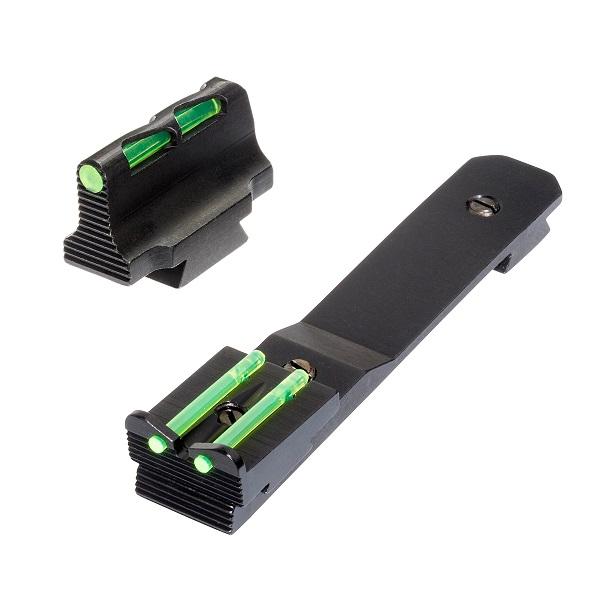
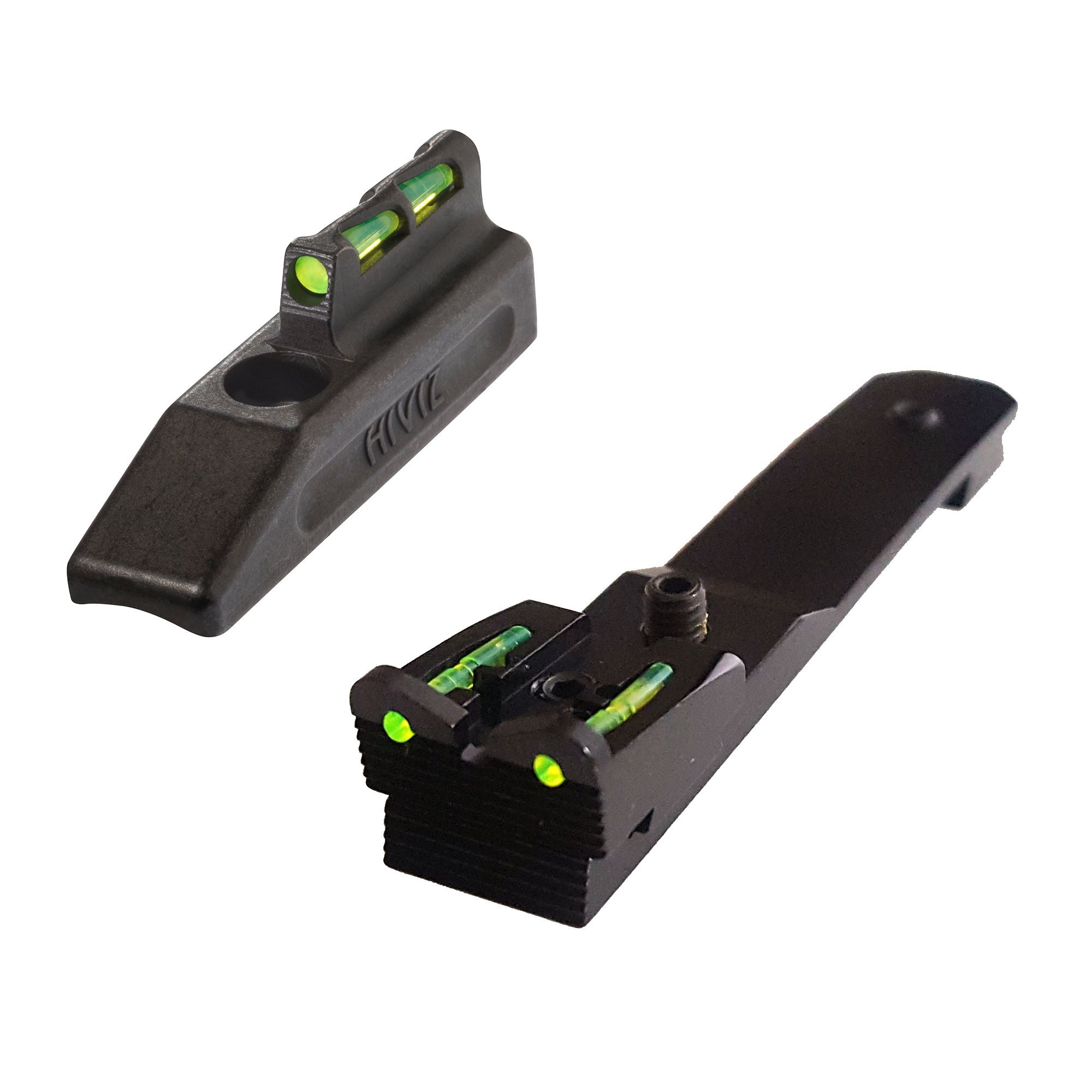
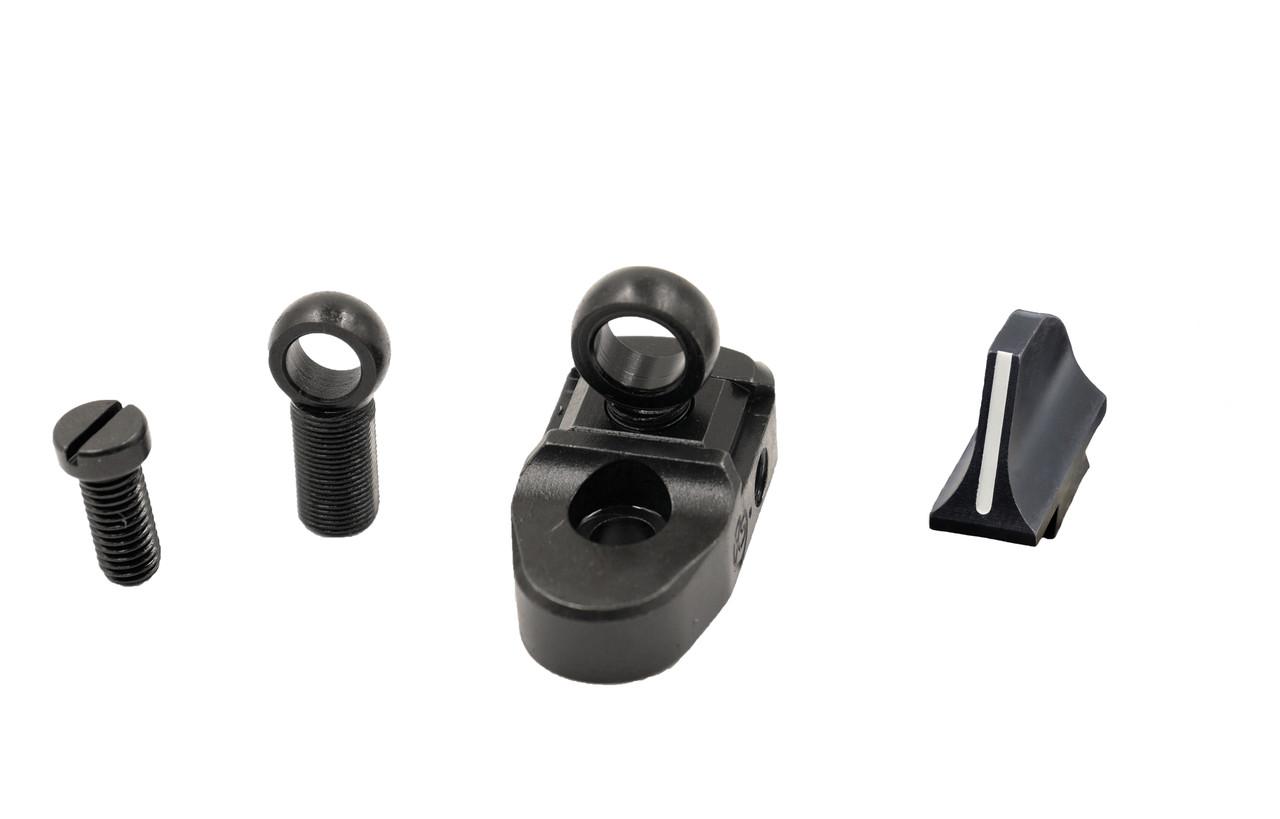
The Explorer ships with open sights that make sense for a lever gun meant to be carried. The semi-buckhorn rear gives you multiple reference points, and the brass bead is quick in variable light. In the field, this system favors fast acquisition inside woods distances.
The receiver is drilled and tapped, which matters if you want a low-power optic. For many owners, a simple setup wins:
- Traditional hunting approach: Keep the irons, confirm zero at realistic distance, and practice from field positions.
- Modern practical approach: Add a compact red dot or a low-power scope depending on your eyes and typical shot distance. If you plan to run suppressed, optics often become the cleaner solution.
Whatever you choose, confirm fast access to the action and ejection path, and keep mounts torqued to spec. Lever guns get handled a lot, and screws back out when owners skip thread locker and inspection intervals.
Stock, recoil pad, and carry considerations
The checkered walnut stock with pistol grip and rubber recoil pad is a practical mix. The pistol grip helps control the rifle when cycling the lever quickly, and the pad matters when you step up to heavier loads in .45-70 or stout .44 Mag hunting ammo.
For real carry, think about sling setup early. A handy lever gun that cannot be slung safely ends up riding in hands or bouncing in a vehicle. Use quality swivels, a sling that will not slip off clothing, and confirm you can shoulder the rifle without getting tangled in pack straps.
Maintenance and durability: what to watch over time
A working lever action rewards basic care. Build a simple routine:
- After wet or dusty days: Wipe down exterior, especially around the magazine tube, receiver seams, and lever pivot points.
- Every few range sessions: Check action screws, sight screws, and optic mount screws for torque. Lever guns loosen over time because they get carried and bumped.
- Magazine tube and follower: Keep it clean and lightly lubricated to avoid sluggish feeding, especially if you hunt in fine dust or plant debris.
- Suppressor use: Expect more fouling near the muzzle and in the action area. Clean with appropriate solvents and keep lubrication consistent.
For storage and transport, treat this like any firearm you intend to keep for decades: control humidity, keep a record of your zero and ammo load, and periodically inspect the crown and threads if you run muzzle devices.
Buying context: who this rifle makes sense for
The Explorer Carbine targets owners who want a compact lever gun with modern compatibility and a finish suited for hard use. It makes sense for:
- Hunters in wet or variable climates who want more corrosion resistance than traditional bluing
- Backcountry travelers who prefer a handy rifle that carries well and can be set up with a suppressor where legal
- Range shooters who want a lever action that supports optics without feeling out of place
- Handgun caliber lever-gun owners who want one ammo stack for revolver and carbine, depending on chambering
Pricing varies by retailer, and Henry lists an MSRP of $1,430. For value comparison, look at what you would spend to add threading, refinishing, and optics mounting to a traditional lever gun. That lens makes it easier to judge whether the Explorer’s configuration fits your needs.
FAQ
Yes, if you match the chambering to your game and distance. .30-30 Win remains a strong deer and hog cartridge inside typical woods ranges. .45-70 Govt fits heavy bullet hunting and close-range work. .357 Mag and .44 Mag work well for short-range hunting with appropriate loads and shot placement.
.30-30 Win is the broadest “do most things” option due to proven field performance and generally consistent ammo availability. If training volume and recoil sensitivity matter most, .357 Mag with .38 Spl for practice is a practical choice.
The Explorer series includes a threaded barrel, which supports suppressor use with the correct thread pitch and proper alignment. Confirm mount compatibility, check local and federal compliance requirements, and verify zero with the suppressor installed because point of impact can shift.
It can, depending on suppressor diameter and sight height. If your sight picture is obstructed, plan on an optic or a taller front sight solution. Always test your setup before relying on it for hunting or defensive use.
For many hunters and outdoor owners, yes. Cerakote adds corrosion and wear resistance in rain, snow, sweat, and dust. It reduces exterior maintenance burden and helps preserve the rifle’s condition during long-term ownership.
For practical use, a compact red dot or a low-power scope typically fits the carbine’s role. Choose a mount that holds zero under handling, torque screws to spec, and confirm the optic does not interfere with cycling and ejection.
Wipe down the exterior after wet or dusty exposure, keep the magazine tube and follower clean, maintain light lubrication on moving parts, and periodically check screw torque on sights and mounts. If you shoot suppressed, increase cleaning frequency due to added fouling.
Compliance depends on your state and local laws and how you transport firearms and suppressors. Use a locking case when required, store firearms secured and unloaded where mandated, and follow hunting regulations for your jurisdiction. When in doubt, confirm rules before traveling.
Was this useful?