
Brief
Moons Out Night Vision Match: What to Bring, How to Train, and How to Not Break Your Gear
Plan for the Moons Out night vision rifle match with practical gear lists, rifle and optic setup, battery management, training priorities, and no white...
Shop this at BLVista
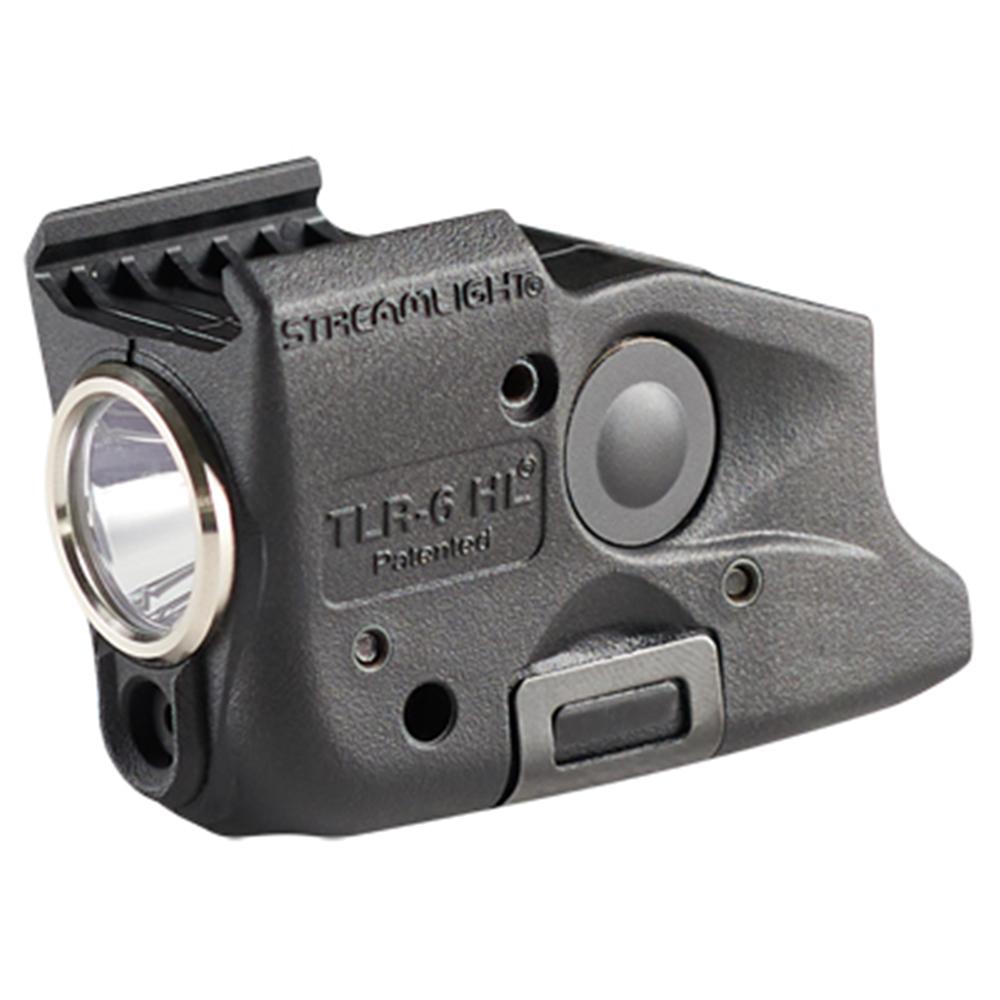 Streamlight TLR-6 HL Handgun Weapon Light for Glock 43x/48 300 Lumen Green Laser Black
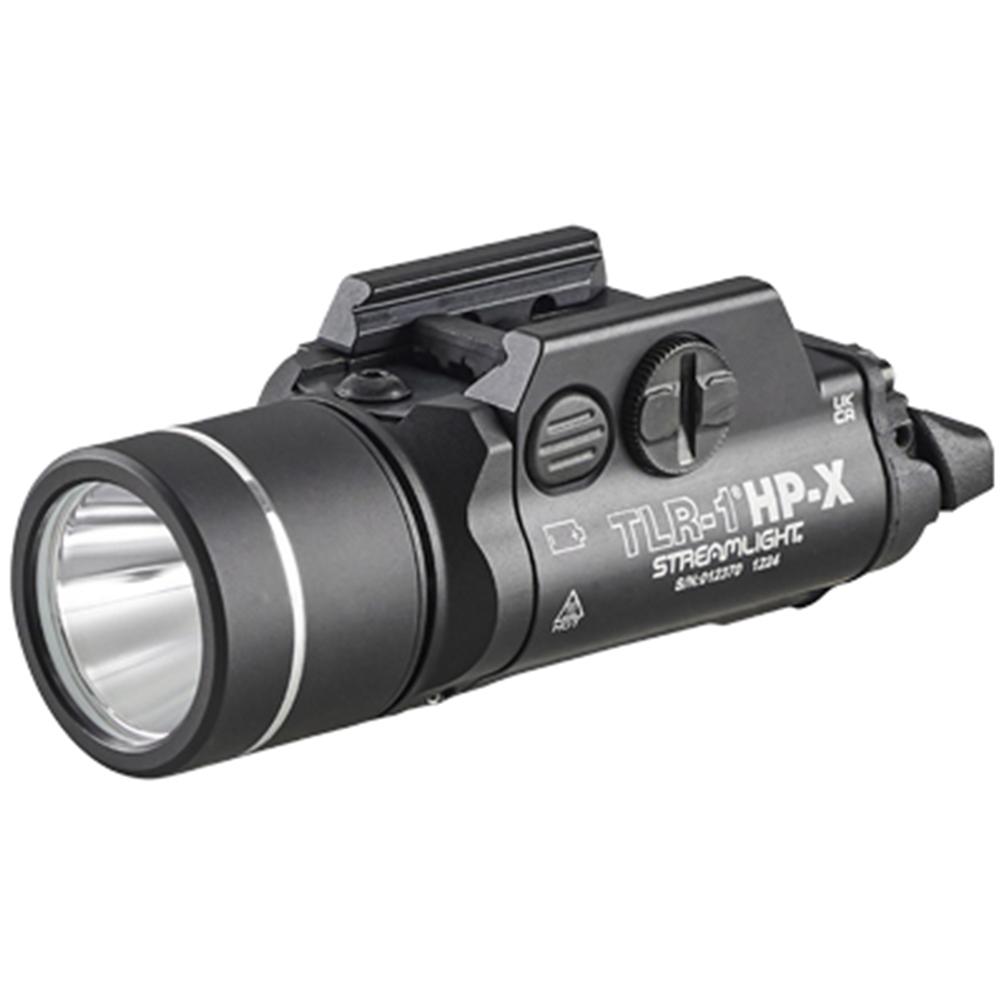 Streamlight TLR-1 HP-X Handgun Weapon Light 1300 Lumen SL-B9 Batteries Included Black
- Nocpix RICO 2 Thermal Weapon Sight 640x512 75mm LRF
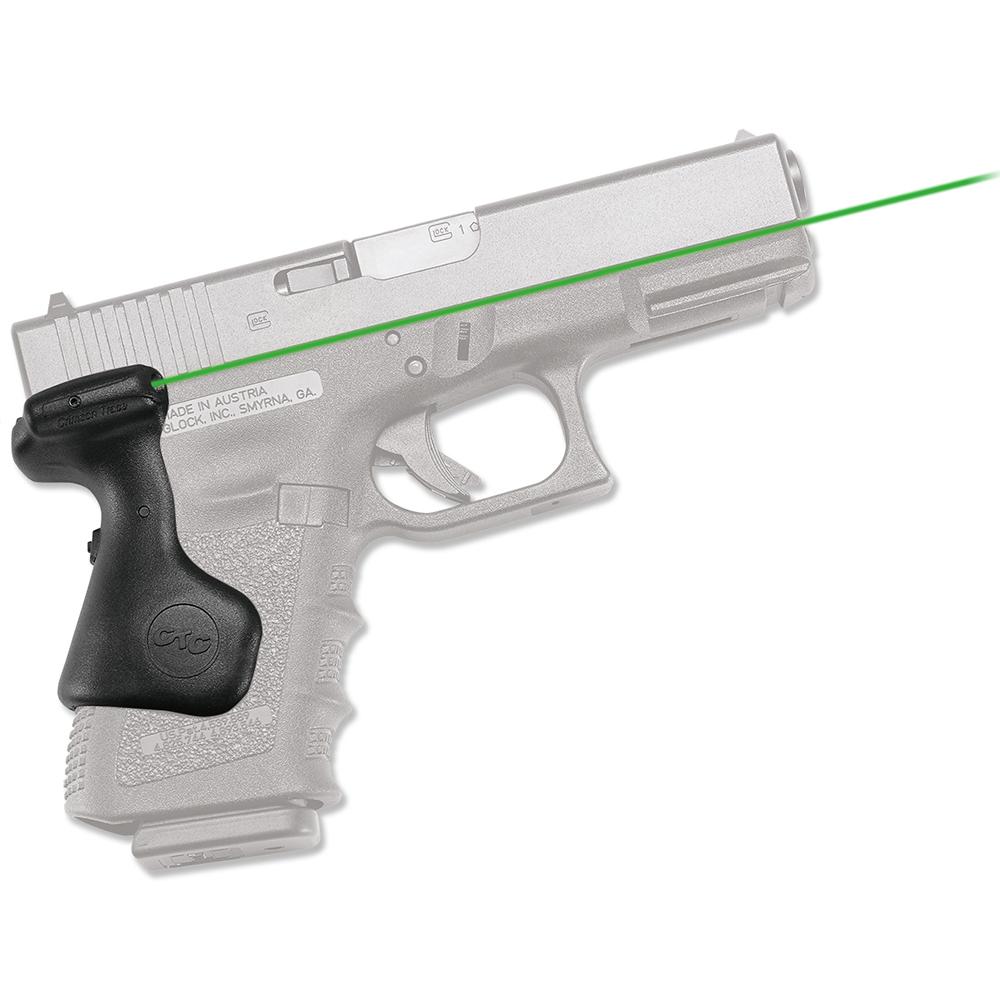 Crimson Trace Semi-Automatic Lasergrip Green Laser for Glock 3rd Gen Compact Pistols 19/23/25/32
Start here
Range and Match Loadout Guide
Read the guideUse this as the durable parent page for range and match support gear so bag, battery, and admin-gear questions point back to one working guide instead of scattered product mentions.
Use the evergreen guide first, then come back to this article for the narrower case or product angle.
Moons Out has earned its reputation because it forces night vision shooters to deal with the same constraints that make low light hard in real life: limited information, uneven terrain, weather you do not control, and stages that punish sloppy gun handling. It is a rifle only match, no white light, and the course design leans heavily on movement and problem solving. If you want a true shakedown of your night vision setup and your ability to run a rifle under nods, this is the kind of event that exposes weak points fast.
This guide is written for BLVista readers who care about reliability, safety, and compliance. The goal is simple: show up with equipment that works, a plan that reduces surprises, and the skills to finish the match without burning time on preventable failures.
What Moons Out Actually Tests
If you are still sorting the base rifle-and-optic stack, start with the Rifle and Field Optics Guide, then compare the live night vision monocular and red dot listings before match week.
Many shooters assume a night match is mostly an optics flex. Moons Out usually turns into a systems test. You will see performance gaps in four areas:
- Navigation under nods: moving safely across mud, slopes, trenches, and shoot house entries while keeping your muzzle and footing disciplined.
- Passive aiming execution: finding your dot through a tube, managing head position, and keeping the gun indexed during awkward shooting problems.
- Gear integration: helmet fit, mount lockup, counterweight balance, sling routing, cable management, and the small things that fail after hours of movement.
- Decision making in low information: target identification, scanning discipline, and avoiding procedural penalties when your brain is already overloaded.
The match has a reputation for being shooter friendly in flow and safety management, but it remains unforgiving on equipment. Guns go down. Mounts loosen. Batteries die. Mags get dropped into mud. If you plan like it is a backcountry hunt or a hard training weekend, you tend to finish with fewer surprises.
Timing, Location, and Why Conditions Matter
Moons Out is typically held in March at Echo Valley Training Center near High View, West Virginia. March in that area brings cold nights, wet ground, and weather swings. Cloud cover and moonrise timing can turn a “fun under the moon” plan into a very dark event where tube performance, illuminator discipline, and navigation skill matter more than your roster of accessories.
Plan around real West Virginia conditions:
- Footing: waterproof boots with traction that still work in mud and wet grass.
- Cold management: layers that keep you warm while moving, plus a plan to manage sweat to avoid getting chilled between stages.
- Moisture: water resistant storage for spare batteries, optics tools, and electronics.
Registration Reality and Match Logistics
Registration is known to sell out quickly. Treat it like a limited hunt tag. If you are serious about attending, set reminders, have your Practiscore account ready, and plan travel early. The match format is typically ten stages across two nights, five stages per night, often running past midnight. That timing drives several practical choices, from battery budget to nutrition.
Match fee and prize table: entry is roughly in the $300 range and the prize table has historically been a random draw. That structure changes the psychology of the event: it stays competitive on performance, but it reduces the pressure to chase a podium at the expense of safety or sound decision making.
Rifle and Caliber: Build for Reliability and Target Compatibility
Moons Out is rifle only. You will want a gun that runs clean enough to keep cycling when dust, mud, and lube changes show up mid match.
Caliber constraints
Allowed calibers tend to track what steel can handle at match distances. Common acceptable options include 5.56, 300 Blackout, 9mm, 45 ACP, and 7.62×39. Avoid anything that risks damaging plates. This is a compliance and community issue as much as a rules issue. Steel gets expensive and sponsors donate targets.
Platform choice
- 5.56 AR: the default for a reason. Parts availability, magazine reliability, recoil management, and ballistic consistency make it easy to keep hits moving.
- 300 Blackout: can be excellent under nods, especially if you run suppressed. Verify your gas system and ammo choice well before the match. Subsonic reliability varies across setups.
- PCC and PDW builds: useful in tight shoot house work and for recoil sensitive shooters. Make sure your sight height and passive aiming setup are compatible with your tube position.
- 7.62×39: viable if your magazines and bolt combination are proven. Do not bring a “mostly reliable” setup to a two night event.
Bring a backup rifle if you can
A second rifle does two things. It saves your match if a primary goes down, and it protects your decision making when you are tired. When a gun starts acting up at night, shooters chase the problem. That burns time and attention. A ready backup reduces risk.
Reliability checklist for night matches
- Confirm zero in daylight, then confirm passive aiming holds under nods at realistic distances.
- Function check with the exact ammo you will bring. Include cold weather testing if possible.
- Verify torque and witness mark critical fasteners: optic mount, laser mount, suppressor mount, stock hardware.
- Bring small spares that actually fix common failures: bolt, firing pin, cam pin, extractor and spring, batteries, optic tool.
Optics and Aiming Under Night Vision
Most shooters should plan on a red dot that behaves under nods. Brightness control matters more than maximum brightness. You want a setting that stays visible through your tubes without blooming and obscuring the target area. A dot that looks fine in daylight can turn into a starburst under night vision if you run it too hot.
Height over bore and passive aiming: higher mounts often make passive aiming easier because you can keep a more natural head position behind the tube. The tradeoff is close range offset management and potential changes to how you shoot around cover. If you have not trained with your exact mount height, the match is a rough place to learn.
Thermal and navigation: if you plan to shoot with thermal, you still need a workable method to navigate stages and move safely. Thermal excels at detection but it is not a substitute for moving through obstacles with depth perception and a stable view.
White Light Ban: Practical Compliance, Not Just Rule Compliance
No white light is allowed. That typically includes mounted lights even if you claim you will not use them. Even off the line, accidental white light draws attention fast. The practical approach is to prevent mistakes rather than rely on discipline at 1:00 a.m.
- If you keep a weapon light installed, remove the battery before the match starts.
- Use an IR or low output red admin light for tasks like loading mags and checking gear.
- Cover or disable any indicator LEDs that can broadcast your position or distract you during stage work.
Helmet, Mount, and Counterweight: Comfort Is Performance
Two nights of moving between stages with a tube on your head will expose a poor helmet setup. Fit and stability matter because a shifting tube changes your sight picture, your balance, and your ability to scan.
Helmet selection: lightweight bump style helmets show up often because they reduce fatigue and still provide a stable platform for mounts. A basic “skull crusher” can work if it fits you well and stays stable during movement.
Mount lockup: choose a mount that stays tight through running, kneeling, and climbing. Check for play before each night and recheck after any impact.
Counterweight planning: counterweights reduce neck strain and help keep the tube stable. The goal is balance, not just adding weight. A simple method is to start light and add weight until the helmet stops trying to tip forward when you look down.
Load Carriage: Keep It Simple Unless Your Division Requires More
Keep the support gear just as deliberate. The tactical backpacks under Load Carriage: Keep It Simple Unless Your Division Requires More
00 guide helps sort bag layout for batteries, admin tools, and weather layers, while a stable sling like the Magpul MS4 Dual Multi Mission Quick Detach Sling gives you a repeatable retention baseline on the rifle.
Unless you are in an armored division that requires specific kit, there is little value in wearing more than you need. A chest rig that carries mags securely and allows you to access them under nods is usually enough.
What matters:
- Retention: pouches that keep mags from launching into the mud when you run or drop prone.
- Consistency: the same mag placement you train with. Under stress and low light, you default to habit.
- Comfort: straps that do not chafe over hours of movement.
Battery Management and Electronics: Budget for Two Long Nights
For off-line admin tasks, a dedicated headlamp beats improvising with a prohibited white weapon light. The Nightstick multi-function headlamp with white, red, and green modes is the kind of admin-light solution that keeps loading, notes, and gear checks separate from the gun.
Night vision, lasers, dots, and admin lights turn the match into a battery event. Battery planning is an equipment reliability issue and a safety issue. You do not want to troubleshoot power problems while moving with a loaded rifle.
- Start each night with fresh batteries in mission critical gear.
- Carry spares in a waterproof container.
- Standardize battery types when possible to reduce confusion.
- Keep a simple pre stage check: tube power, illuminator setting, dot brightness, laser mode, lens cleanliness.
Stages, Scoring, and What Actually Wins
The stage mix tends to include shoot houses and longer shots out into the tree line. Expect scanning requirements that punish narrow focus. Expect movement that forces muzzle awareness and safe transitions. Scoring is typically time plus hits with procedural penalties, which makes stage plans simpler than hit factor systems but it punishes sloppy execution.
Traits that usually drive performance:
- Scanning discipline: systematic target search rather than “dot chasing.”
- Clean manipulations: reloads, malfunctions, and safeties done the same way every time.
- Penalty avoidance: moving too fast and eating procedurals loses more time than most shooters expect.
- Pace control: a sustainable speed across ten stages beats a single hero run followed by gear failure or mental errors.
A Practical Training Plan for Moons Out
You do not need a full time schedule to prepare well. You need targeted reps that address what the match stresses.
Four week focus (simple and effective)
- Week 1: confirm zero, confirm passive aiming at multiple distances, verify sling setup and mag access under nods.
- Week 2: movement basics. Walk and jog with helmet and rifle unloaded. Practice safe muzzle orientation through doorways and around obstacles.
- Week 3: reload and malfunction drills under nods. Keep it boring and consistent. Add time pressure later.
- Week 4: stage like strings. Combine short movement, a few targets, a reload, and a positional change. Track where you lose time and why.
Cardio matters: the match includes significant walking between stages. Fatigue drives sloppy muzzle control and poor scanning. If you only change one thing, improve your ability to move for hours without losing focus.
Transport, Storage, and Common Sense Compliance
Traveling with night vision gear, lasers, and rifles requires basic discipline. Follow federal and state transport laws for firearms and ammunition, and keep your match paperwork accessible. Use lockable hard cases for firearms and secure storage for sensitive optics and electronics. In wet conditions, plan for drying and wiping gear each night so moisture does not sit on metal parts and fasteners.
At the end of each night, do a short maintenance reset:
- Wipe down rifle exterior and optic lenses.
- Inspect suppressor mount, muzzle device, and optic mount witness marks.
- Dump and wipe mags that hit mud.
- Set batteries for the next night.
How to Decide If Moons Out Is Worth It for You
Moons Out makes sense when you want a structured, safety managed environment to validate your night vision and rifle setup under pressure. It is also a strong fit if you value training by doing, since stage problems are designed to force action rather than theory.
A simple decision checklist:
- Do you have a rifle you trust for 500 to 1,000 rounds without drama?
- Do you have a stable helmet and mount setup you have walked and shot with?
- Can you manage batteries and small gear without relying on white light?
- Are you willing to practice movement and manipulations under nods before you arrive?
If the answer is yes, the match becomes more than a competition. It becomes a real world audit of your equipment choices and your training habits, with enough structure to keep it safe and enough difficulty to make it worth the trip.
FAQ
A reliable 5.56 AR with a proven red dot and a sling you have trained with is the most common and lowest risk choice. Prioritize a dependable gas system, quality magazines, and confirmed zero for passive aiming under night vision. Bring a backup rifle if you can.
Allowed calibers are typically limited to what steel targets can safely handle at match distances. Common approved options include 5.56, 300 Blackout, 9mm, 45 ACP, and 7.62x39. Verify current rules before you travel and avoid magnum cartridges that can damage steel.
Dual tubes help with depth perception and reduce fatigue, but many shooters run a solid single tube on a helmet successfully. Your helmet fit, mount stability, and passive aiming practice matter more than chasing the most expensive night vision device.
Remove the weapon light battery before the match and use an IR or low output red admin light for loading magazines and gear checks. Cover or disable any unnecessary indicator lights on electronics. Build a pre stage check so you do not fumble in the dark.
A red dot with precise brightness control and a mount height you have trained with is the most practical option for passive aiming. Set the dot low enough to avoid blooming through your tubes and confirm your holds at close range due to height over bore.
Bring extra magazines, waterproof boots, layers for cold wet nights, eye and ear protection, spare batteries for every device, a small tool kit, and a method for admin tasks without white light. Keep load carriage simple unless your division requires armor.
Confirm zero and passive aiming first, then train movement with an unloaded rifle and helmet setup, then drill reloads and malfunctions under night vision. Finish with short stage like strings that combine movement, positions, and scanning. Cardio and footwork reduce safety risks and improve performance.
Common failures include loose optic mounts, unstable helmet mounts, dead batteries, magazine issues after mud exposure, and lasers or illuminators shifting under recoil. Witness mark fasteners, start each night with fresh batteries, and bring small spares that fix known failure points.
It is a mix, but skill decides more stages than most shooters expect. Scanning discipline, safe movement, clean manipulations, and penalty avoidance often beat a more expensive setup that has not been trained and validated. Use the match to confirm your gear choices under real pressure.
Was this useful?